


Content Menu
● Understanding the Laryngoscope Components
● Proper Handling and Grip Techniques
● Insertion and Blade Placement
● Visualization and Anatomical Identification
● Intubation Technique with Laryngoscope
● Special Considerations and Patient Variations
● Troubleshooting Common Laryngoscope Challenges
● Maintenance and Cleaning Protocols
>> 1. What is the proper way to hold a laryngoscope?
>> 2. How do I choose the correct laryngoscope blade size?
>> 3. What should I do if I cannot see the vocal cords with the laryngoscope?
>> 4. How often should laryngoscope blades be replaced?
>> 5. Can a laryngoscope be used on patients with cervical spine injuries?
The laryngoscope represents one of the most fundamental and essential tools in airway management, serving as a critical device for healthcare professionals across various medical specialties. Understanding how to properly use a laryngoscope is not merely a technical skill but a crucial competency that can significantly impact patient outcomes in emergency situations, surgical procedures, and critical care settings. The laryngoscope enables direct visualization of the laryngeal structures, facilitating endotracheal intubation and ensuring secure airway management. This comprehensive guide explores the proper techniques, safety considerations, and clinical applications of the laryngoscope, providing healthcare providers with essential knowledge to master this vital medical instrument. From basic assembly to advanced maneuvering techniques, this article covers all aspects of laryngoscope usage while emphasizing patient safety and procedural efficiency.

Before learning how to use a laryngoscope, it's crucial to understand its fundamental components. A standard laryngoscope consists of two main parts: the handle and the blade. The laryngoscope handle contains the power source, typically batteries, that illuminates the blade during procedures. The laryngoscope blade, which comes in various shapes and sizes, is designed to displace tongue and soft tissues to create a clear view of the vocal cords. Modern laryngoscope designs often incorporate fiber optic technology or LED lighting systems that provide superior illumination compared to traditional bulb-based systems. Understanding these laryngoscope components is essential for proper assembly, troubleshooting, and effective usage in clinical scenarios.
The selection of an appropriate laryngoscope blade depends on several factors including patient anatomy, clinical situation, and operator experience. The Macintosh laryngoscope blade, characterized by its curved design, is the most commonly used blade for routine intubations. The Miller laryngoscope blade, with its straight configuration, is often preferred for pediatric patients or specific anatomical considerations. Other specialized laryngoscope blades include the McCoy, which features a hinged tip, and the Wisconsin blade, designed for particular difficult airway scenarios. Familiarity with different laryngoscope blade types enables healthcare providers to choose the most appropriate instrument for each clinical situation.
Proper preparation is essential before using a laryngoscope for any airway procedure. Begin by assembling all necessary equipment, including the laryngoscope with appropriate blade, endotracheal tube, stylet if needed, syringe for cuff inflation, and suction apparatus. Check the laryngoscope functionality by ensuring the light source is working properly – a crucial step that is often overlooked in emergency situations. Test the laryngoscope bulb or LED by attaching the blade to the handle and verifying adequate illumination. Prepare the patient by positioning them in the "sniffing position" – neck flexed forward and head extended – which aligns the oral, pharyngeal, and laryngeal axes to optimize laryngoscope visualization.
Personal protective equipment is mandatory when using a laryngoscope due to the potential exposure to respiratory secretions and bodily fluids. Wear gloves, mask, and eye protection before handling the laryngoscope. For preoxygenation, administer 100% oxygen via face mask for at least three minutes in elective situations, or provide bag-valve-mask ventilation in emergency scenarios. This preoxygenation creates an oxygen reservoir that extends the safe apnea time during laryngoscope usage. Ensure adequate assistance is available, particularly when learning laryngoscope techniques or managing anticipated difficult airways. The preparation phase sets the foundation for successful laryngoscope utilization and should never be rushed or compromised.
Mastering the correct grip is fundamental to effective laryngoscope usage. Hold the laryngoscope handle in your left hand, regardless of your dominant hand, as this standardized approach ensures consistency and proper blade manipulation. Position your hand at the junction where the laryngoscope blade connects to the handle, with your fingers grasping the handle firmly but not rigidly. This grip provides optimal control while allowing flexibility during laryngoscope manipulation. Avoid holding the laryngoscope too close to the blade as this limits range of motion, or too far down the handle which reduces control precision. The ideal laryngoscope grip balances stability with maneuverability.
When using the laryngoscope, position your arm and wrist in a neutral alignment to prevent premature fatigue and maintain precise control. Your elbow should be positioned slightly away from your body, creating a stable base for laryngoscope manipulation. Avoid excessive wrist flexion or extension, as this can transmit unintended movements to the laryngoscope blade tip. The thumb typically rests along the laryngoscope handle, while the fingers wrap comfortably around it. This grip allows for controlled elevation of the jaw during laryngoscope insertion while minimizing dental trauma. Practice the laryngoscope grip repeatedly to develop muscle memory that will serve you well in high-pressure situations.
The initial insertion of the laryngoscope requires precision and careful technique. Approach the patient from the head of the bed or table, ensuring optimal positioning and access. Open the patient's mouth using your right hand with a scissor technique – cross your thumb and index finger to gently separate the teeth and lips. Insert the laryngoscope blade along the right side of the tongue, sweeping the tongue to the left as you advance the blade. This maneuver creates a pathway for the laryngoscope while moving anatomical structures that might obstruct the view. Maintain visual contact with the laryngoscope blade tip as you advance it, being careful not to use the teeth as a fulcrum.
As you advance the laryngoscope, follow the natural curvature of the oropharynx until you reach the vallecula with a Macintosh blade or directly lift the epiglottis with a Miller blade. For Macintosh laryngoscope blades, position the tip in the vallecula – the space between the base of the tongue and the epiglottis. For Miller laryngoscope blades, advance the tip past the epiglottis and use it to directly lift this structure. Proper laryngoscope blade placement is crucial for obtaining an adequate view of the glottic opening. Avoid excessive force during laryngoscope insertion, and if resistance is encountered, reassess the blade path and patient positioning rather than applying increased pressure.
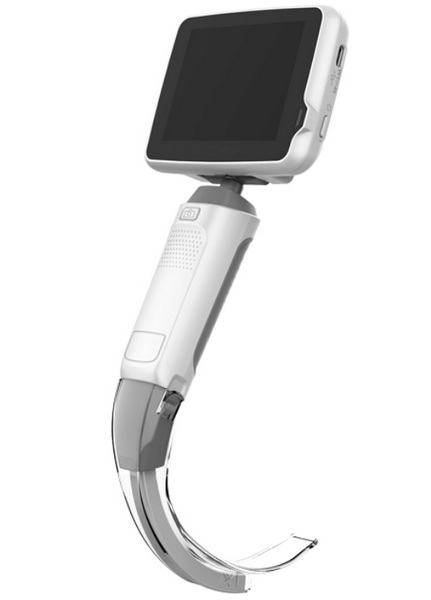
Once the laryngoscope is properly positioned, the critical phase of visualization begins. Lift the laryngoscope along the axis of the handle – approximately 45 degrees from horizontal – to elevate the mandible and expose the laryngeal structures. Avoid a rocking or levering motion with the laryngoscope, as this can damage teeth and surrounding tissues. The optimal laryngoscope lift should expose the epiglottis, arytenoid cartilages, and eventually the vocal cords. Systematically identify key anatomical landmarks: the epiglottis, arytenoids, and finally the vocal cords themselves. This structured approach to laryngoscope visualization ensures correct anatomical orientation.
The view obtained with the laryngoscope is commonly classified using the Cormack-Lehane grading system. Grade I visualization through the laryngoscope reveals the entire glottic opening, while Grade II shows only the posterior portion of the glottis. Grade III laryngoscope view exposes only the epiglottis, and Grade IV reveals no glottic structures. Understanding this grading system helps communicate the difficulty of laryngoscope visualization and guides decisions about alternative techniques. If the laryngoscope view is inadequate, consider external laryngeal manipulation, repositioning the patient, changing laryngoscope blades, or using adjunctive devices rather than forcing better visualization through increased laryngoscope pressure.
With optimal laryngoscope positioning and adequate visualization, the endotracheal tube can be introduced. Hold the endotracheal tube in your right hand and insert it from the right side of the mouth, keeping the cuff deflated until it passes through the vocal cords. Under direct laryngoscope visualization, advance the tube until the cuff disappears approximately 2-3 cm beyond the vocal cords. Maintain the laryngoscope position throughout tube passage to ensure continuous visualization. If using a stylet, ensure it does not extend beyond the tube tip and remove it immediately after the tube passes through the vocal cords under laryngoscope guidance.
After tube placement, confirm proper position through multiple methods while carefully removing the laryngoscope. Hold the endotracheal tube securely with your right hand as you slowly withdraw the laryngoscope with your left hand, being careful not to dislodge the tube. Following laryngoscope removal, inflate the cuff with the appropriate volume of air – typically 5-10 mL for adults – while monitoring cuff pressure if possible. Immediate confirmation of correct laryngoscope guided tube placement includes auscultation of bilateral breath sounds, observation of chest rise, condensation in the tube, and carbon dioxide detection. The laryngoscope has served its primary purpose once proper tube position is verified.
Using a laryngoscope requires adaptation to different patient populations and clinical scenarios. Pediatric laryngoscope usage demands special consideration due to anatomical differences – children have a larger tongue relative to oral cavity size, a more anterior and cephalad larynx, and a floppy epiglottis. Select an appropriately sized pediatric laryngoscope blade and consider using a straight blade often preferred for lifting the epiglottis directly. In obese patients, laryngoscope usage may be challenging due to increased tissue in the upper airway and difficulty positioning. Use ramping techniques to align the ear with the sternum and consider video laryngoscope options if available.
For patients with potential cervical spine injuries, laryngoscope usage requires maintaining inline stabilization while minimizing neck movement. The laryngoscope should be inserted with careful attention to avoiding neck extension, and alternative techniques may be considered. In pregnant patients, the laryngoscope may be more challenging due to airway edema and increased oxygen consumption requiring shorter apnea times. Elderly patients often present with laryngoscope challenges related to limited neck mobility, missing teeth, or arthritic changes. Understanding these variations ensures that laryngoscope technique can be modified appropriately for each patient's unique characteristics.
Even with proper technique, laryngoscope users frequently encounter challenges that require troubleshooting. If the laryngoscope light fails during a procedure, have a backup laryngoscope readily available or use external illumination if possible. Fogging of the laryngoscope lens can be minimized by warming the blade before use or using commercial anti-fog solutions. When blood or secretions obscure the laryngoscope view, suction thoroughly before and during laryngoscope insertion. If the laryngoscope blade is too large or too small for the patient, replace it with a more appropriate size rather than struggling with suboptimal equipment.
Difficulty advancing the endotracheal tube despite good laryngoscope view may indicate tube impingement on the arytenoids or vocal cords. Rotate the tube 90-180 degrees to help it slide through the glottis more easily. If the laryngoscope consistently provides a poor view despite optimal positioning, consider alternative blades, different laryngoscope types, or video-assisted devices. Recognizing when to abandon direct laryngoscope attempts in favor of alternative airway techniques is a crucial aspect of advanced airway management. The mark of an expert laryngoscope user is not just technical skill but the wisdom to know when a different approach is needed.
Proper laryngoscope maintenance is essential for patient safety and equipment longevity. After each use, the laryngoscope should be disassembled – separate the blade from the handle – and thoroughly cleaned according to manufacturer instructions and institutional protocols. Most laryngoscope blades are suitable for sterilization using autoclave, chemical disinfection, or other approved methods. The laryngoscope handle requires regular inspection for battery corrosion, electrical connectivity, and structural integrity. Implement a routine checking system to ensure that every laryngoscope in clinical areas is fully functional and ready for immediate use.
Store the laryngoscope in a clean, dry environment with blades and handles properly assembled or clearly marked for easy matching. Establish a regular maintenance schedule for laryngoscope equipment, including battery replacement and bulb/LED inspection. For video laryngoscope systems, additional care is needed for the screen, cables, and optical components. Proper laryngoscope maintenance not only ensures equipment reliability but also reduces the risk of cross-contamination between patients. Documentation of laryngoscope checks and maintenance should be part of quality assurance programs in all clinical settings where airway management is performed.
Mastering laryngoscope usage is a fundamental skill for healthcare providers involved in airway management. From understanding laryngoscope components to executing proper technique and troubleshooting common challenges, this comprehensive guide has covered the essential aspects of safe and effective laryngoscope utilization. The laryngoscope remains an indispensable tool despite advances in airway technology, and proficiency with direct laryngoscope techniques provides a solid foundation for all airway management. Regular practice, attention to detail, and understanding both the capabilities and limitations of the laryngoscope are key to successful outcomes. As with any medical procedure, proper laryngoscope usage requires knowledge, technical skill, and clinical judgment – a combination that ensures patient safety while securing one of medicine's most critical interventions: the protected airway.
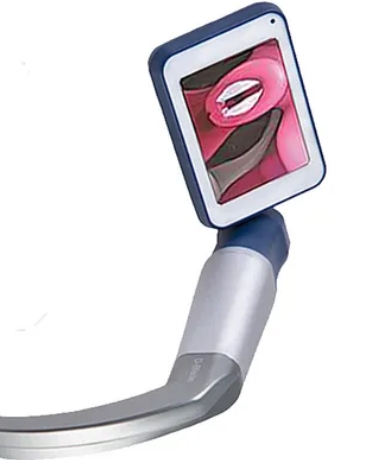
The laryngoscope should always be held in the left hand, regardless of the operator's dominant hand. Grip the laryngoscope handle at the point where it connects to the blade, with fingers wrapped comfortably around the handle and thumb positioned along its length. This standardized laryngoscope grip provides optimal control and maneuverability while allowing effective blade manipulation during airway visualization.
Laryngoscope blade selection depends on patient age, size, and anatomical characteristics. For adults, Macintosh laryngoscope blades size 3 or 4 are commonly used, while pediatric patients require smaller blades based on weight and age. The appropriate laryngoscope blade should allow adequate visualization without excessive force or tissue compression. Having multiple laryngoscope blade sizes available ensures you can select the optimal instrument for each patient.
If the laryngoscope fails to provide adequate visualization, first optimize patient positioning by ensuring the "sniffing position" with neck flexed and head extended. Apply external laryngeal manipulation with your right hand while maintaining laryngoscope position. If the view remains poor, consider changing laryngoscope blades, using a different blade type, or switching to video laryngoscope if available. Avoid excessive force with the laryngoscope as this can cause tissue damage.
Laryngoscope blades should be inspected before each use and replaced when showing signs of wear, damage, or malfunction. Regular laryngoscope maintenance includes checking for loose parts, corrosion, and light functionality. Most healthcare facilities establish specific protocols for laryngoscope inspection and replacement, typically including routine retirement of blades after a certain period regardless of visible damage to ensure reliability.
Yes, a laryngoscope can be used on patients with cervical spine injuries, but special precautions are necessary. Maintain inline cervical stabilization throughout laryngoscope insertion and manipulation. Use minimal force and avoid neck extension during laryngoscope handling. Some practitioners prefer video laryngoscope systems for these cases as they may require less cervical manipulation. The laryngoscope technique should be modified to prioritize spinal protection while achieving airway control.


