


Content Menu
● Pre-Procedure Planning and Preparation
● Step-by-Step Setup of the Bronchoscope System
>> Step 1: Environmental and Equipment Check
>> Step 2: Assembling the Core Bronchoscope System
>> Step 3: Testing Scope Functionality
>> Step 4: Preparing Ancillary Equipment and Patient Connection
>> Step 5: Final Pre-Insertion Check
● Troubleshooting Common Setup Issues
● Post-Procedure Breakdown and Initial Cleaning
● Frequently Asked Questions (FAQ)
>> 1. How often should I perform a white balance during a procedure?
>> 2. What is the most common cause of a blurred image during bronchoscopy?
>> 3. Can I use any suction tubing and canister with my bronchoscope?
>> 4. Why is it important to test the suction and irrigation before patient contact?
The bronchoscope is an indispensable tool in modern respiratory medicine, enabling direct visualization, diagnosis, and treatment within the intricate bronchial tree. Whether performing a diagnostic lavage, a transbronchial biopsy, or navigating a difficult airway, the success and safety of the procedure hinge not only on the operator's skill but also on the meticulous preparation and setup of the bronchoscope system itself. A proper setup ensures optimal image quality, facilitates efficient workflow, maximizes patient safety, and protects the integrity of this sophisticated and often expensive equipment.
For medical professionals, from pulmonologists and anesthesiologists to specialized nurses and technicians, mastering the setup process is a fundamental competency. This guide provides a comprehensive, step-by-step walkthrough for setting up a modern video bronchoscope system, covering everything from pre-procedure checks and assembly to patient connection and troubleshooting. While specific steps may vary slightly between manufacturers (such as Olympus, Pentax, Fujifilm, or specialized OEM providers), the core principles remain consistent. A well-executed setup transforms the bronchoscope from a collection of components into a reliable extension of the clinician's vision and dexterity.

Before touching any equipment, thorough planning is essential. This phase involves confirming the procedure type, patient details, and required ancillary tools.
1. Review the Procedure Order: Confirm the planned intervention—is it a diagnostic bronchoscopy, bronchoalveolar lavage (BAL), transbronchial biopsy, endobronchial ultrasound (EBUS), or a therapeutic procedure? This determines the specific bronchoscope model (e.g., standard vs. therapeutic channel scope), needed accessories (biopsy forceps, needles, baskets), and any additional equipment like fluoroscopy or EBUS processors.
2. Patient Assessment: Verify patient identity, allergies (particularly to local anesthetics like lidocaine), coagulation status, and any specific infection control precautions (e.g., Airborne or Contact Precautions for TB or MRSA). This informs the choice of personal protective equipment (PPE) and any special room preparations.
3. Gather All Equipment: Create a mental or physical checklist. You will need:
- The bronchoscope (flexible video or fiberoptic).
- The video processor/light source unit.
- A compatible monitor.
- Suction tubing and canister.
- Irrigation fluid (usually sterile saline) and syringe.
- Local anesthetic (e.g., lidocaine) and delivery device (nebulizer, syringe, spray).
- Oxygen source and delivery system.
- Sedatives and emergency drugs (if performing under sedation).
- All required sterile disposable accessories (forceps, brushes, needles).
- Personal Protective Equipment (PPE): gloves, gown, mask, eye protection.
Begin in a clean, well-organized procedure room or bedside area.
- Cart and Power: Position the mobile cart holding the video processor/light source and monitor. Ensure it is stable, brakes are locked, and it is plugged into a grounded electrical outlet. Verify the monitor is positioned for optimal viewing by the operator and assistants.
- Suction: Connect the suction tubing to the wall outlet or portable suction unit. Test the suction by occluding the end of the tubing; you should hear a change in sound and feel strong suction. Attach a clean suction canister.
- Oxygen: Ensure the oxygen source is functional and that the appropriate delivery device (nasal cannula, face mask, or tubing for attachment to the bronchoscope's oxygen port) is available.
This is the heart of the setup.
- Processor/Light Source: Power on the main unit. Most modern systems will perform a brief self-check. Listen for the cooling fan and observe for normal indicator lights.
- Connecting the Bronchoscope: Carefully remove the bronchoscope from its storage case or hanging locker. Visually inspect the insertion tube for kinks, cracks, or bite marks. Inspect the distal tip for a clean lens and intact bending rubber. Gently coil the insertion tube without creating sharp bends.
- Connect the bronchoscope's universal cord to the corresponding ports on the processor. This usually involves a single, keyed electrical connector for video/data and a separate plug for the light guide. Ensure connections are secure but do not force them.
- If your bronchoscope has a separate suction/irrigation valve cable, connect it to the appropriate port on the processor or a separate pump unit.
- White Balancing: This critical step ensures accurate color reproduction on the monitor. Point the bronchoscope tip at a pure white target (usually a dedicated cap or a piece of clean white paper/cloth) positioned about 2cm from the lens, ensuring it fills the screen. Press the "White Balance" button on the processor or scope handle. The system will calibrate its colors. A proper white balance is essential for distinguishing subtle tissue variations, inflammation, or lesions.
- Focus Adjustment: Adjust the focus ring on the bronchoscope's control head (or use the remote focus on the processor) until the image of the white target is razor-sharp. For video bronchoscopes with fixed-focus lenses, this step may be minimal or automated.
Before the patient is involved, verify all functions of the bronchoscope.
1. Image Quality: Point the bronchoscope tip at a test pattern or a detailed object. The image on the monitor should be bright, clear, free of spots or streaks (which could indicate a damaged CCD or lens), and correctly colored.
2. Tip Deflection (Angulation): Use the angulation lever on the control body. Test full up and down deflection. The movement should be smooth, and the tip should return to a neutral position when the lever is released. Listen for any grinding sounds that might indicate internal wire damage.
3. Suction: Submerge the bronchoscope's distal tip in a cup of sterile water. Depress the suction valve on the control body. You should see a vigorous stream of bubbles and hear the suction activate. This confirms a patent suction channel.
4. Irrigation (if applicable): Attach a syringe filled with sterile saline to the irrigation port. Depress the syringe plunger while observing the bronchoscope tip under water or pointed at a surface. A fine mist or stream of fluid should clean the lens. This tests the patency of the irrigation/working channel.
5. Working Channel: Pass a compatible cleaning brush through the entire length of the working channel (from the biopsy port to the distal tip) to ensure it is clear of obstructions. Remove the brush.
- Ancillary Equipment: Load sterile accessories (biopsy forceps, cytology brush) onto a separate sterile field if they will be used. Connect the irrigation syringe to the bronchoscope port if not already done.
- Patient Monitoring: Connect the patient to standard monitors: pulse oximetry, ECG, and blood pressure cuff.
- Pre-Medication & Anesthesia: Administer prescribed sedatives and perform topical anesthesia of the patient's upper airway (nasopharynx, oropharynx) according to your protocol.
Final Connection to Patient:
- If using supplemental oxygen via the bronchoscope, connect the oxygen tubing to the scope's dedicated port.
- Apply a clean, sterile bite block to protect the bronchoscope if performing oral insertion.
- Don your PPE.
Just before inserting the bronchoscope into the patient's airway, perform a final "time-out" and system check.
- Confirm patient identity and procedure.
- Briefly re-check bronchoscope image clarity and suction.
- Ensure the assistant responsible for handling accessories and managing sedation is ready.
- Ensure suction and oxygen are immediately accessible.
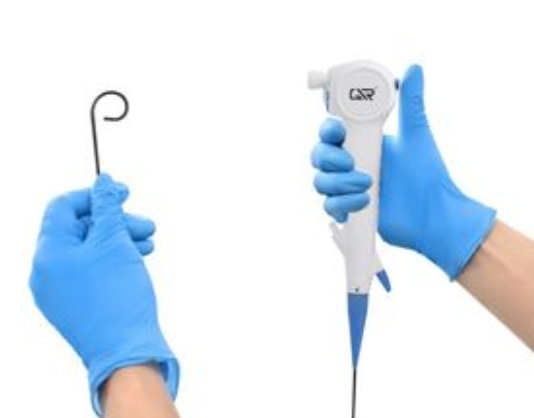
Even with careful setup, issues can arise. Quick troubleshooting is key.
- No Image/Black Screen: Check all cable connections between the bronchoscope, processor, and monitor. Ensure the processor is on. Try a different monitor input. The light source bulb may have failed.
- Fogging of the Lens: This is very common upon entering the warm, humid airway. Use the irrigation system to spray saline onto the lens to clear it. Anti-fog solutions can be applied to the lens before insertion. Ensure the bronchoscope is at room temperature before use.
- Poor Suction: Check that the suction canister is not full and the tubing is not kinked. Ensure the suction valve on the bronchoscope is fully depressed. There may be a blockage in the bronchoscope's suction channel; try passing a cleaning brush.
- Weak or No Light: Verify the light guide cable is fully seated. The light source bulb may need replacement. Ensure the brightness setting on the processor is not turned down.
- Stiff or Erratic Tip Deflection: This can indicate internal damage. Do not force the lever. The procedure may need to be postponed, and the bronchoscope sent for repair.
Immediately after the procedure, while still at the bedside, perform initial decontamination.
1. Wipe the insertion tube and control body with a damp cloth soaked in enzymatic detergent.
2. Suction detergent and then clean water through the working channel to remove gross debris.
3. Carefully disconnect the bronchoscope from the processor and transport it to the dedicated reprocessing area in a closed container to prevent environmental contamination.
4. Power down the processor and monitor. Wipe down external surfaces of the cart and equipment.
Setting up a bronchoscope is a systematic process that blends technical knowledge with procedural foresight. It is far more than just plugging in cables; it is a quality assurance ritual that directly impacts patient outcomes. A correctly assembled and tested bronchoscope system provides the clarity and reliability needed for accurate diagnosis and safe intervention. By adhering to a structured setup protocol—encompassing pre-procedure planning, meticulous assembly, functional testing, and systematic troubleshooting—healthcare teams can minimize technical delays, reduce equipment-related complications, and focus their expertise entirely on patient care. In the high-stakes environment of bronchoscopy, a flawless setup is the first critical step toward a successful procedure.

You should perform a white balance at the beginning of every procedure and any time lighting conditions change significantly. For example, if you move from examining a dark, bloody area to normal mucosa, or if the scope is removed and re-inserted, re-white balancing ensures consistent, accurate color representation, which is vital for identifying pathology.
The most common cause is fogging of the distal lens as the cold bronchoscope tip enters the warm, humid airway. The immediate remedy is to use the irrigation system to spray sterile saline onto the lens. Letting the bronchoscope acclimate to room temperature and using an anti-fog solution can prevent this.
While functionally similar, it is best to use the suction tubing and canister recommended by the bronchoscope manufacturer or your hospital's infection control policy. The system must generate adequate negative pressure (typically 300-500 mmHg) and be compatible with your setup to ensure effective clearance of secretions and prevent fluid from being pulled back into the scope's sensitive internal channels.
Pre-testing is a critical safety and functionality check. It verifies that the channels are patent and the system is working before the bronchoscope is inserted. Discovering a suction failure during a procedure when the airway is full of secretions or blood is a dangerous and avoidable situation. It also confirms the irrigation works to clear the lens.
Stop immediately. Do not force the lever. This indicates a potential internal mechanical failure, such as a broken angulation wire. Forcing it can cause further damage. Note the position of the tip, gently withdraw the bronchoscope from the patient if it is inserted, and set it aside. Mark it as "defective" and prepare a different bronchoscope to continue the procedure. The damaged scope must be sent for professional repair.


