


Content Menu
● Understanding Laryngoscope Types and Their Handling Requirements
● Pre-Use Preparation: Setting Up for Success
● Proper Handling During Laryngoscopy Procedures
>> Handling the Direct Laryngoscope
>> Handling the Video Laryngoscope
>> Handling the Flexible Laryngoscope
>> Critical Handling Principles
● Post-Procedure Handling: Cleaning and Disinfection
>> The Critical Importance of Proper Reprocessing
>> Reprocessing Protocols for Different Components
● Common Handling Errors and How to Avoid Them
● Special Handling Considerations for Difficult Airways
>> SALAD Technique (Suction Assisted Laryngoscopy and Airway Decontamination)
● The Role of Single-Use Alternatives
● Frequently Asked Questions (FAQs)
>> 1. What is the correct way to hold a laryngoscope during intubation?
>> 2. How should I clean a laryngoscope handle after use?
>> 3. What is the most common error when handling a flexible laryngoscope?
>> 4. How do I handle a video laryngoscope to prevent lens fogging?
>> 5. What tracking is required for laryngoscope reprocessing?
The laryngoscope is an indispensable instrument in modern medicine, serving as the primary tool for visualizing the airway and facilitating endotracheal intubation. Whether used in the operating room, emergency department, or intensive care unit, proper handling of this critical device directly impacts patient safety and clinical outcomes. However, "handling" a laryngoscope encompasses far more than the intubation procedure itself—it includes pre-use preparation, correct manipulation during airway management, post-procedure cleaning and disinfection, and ongoing maintenance to ensure reliable performance. As a company specializing in medical visualization through advanced devices like endoscopy systems and video laryngoscopes, we understand that mastery of equipment handling is fundamental to clinical excellence. This comprehensive guide provides evidence-based protocols for handling laryngoscopes across their entire lifecycle, from preparation through reprocessing, with detailed attention to both traditional direct laryngoscopes and modern video systems.
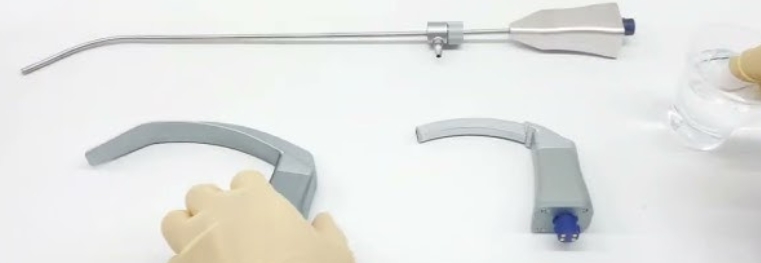
Traditional direct laryngoscopes consist of a handle containing batteries and a detachable blade (curved Macintosh or straight Miller). These devices require proper assembly, light source verification, and meticulous cleaning between uses. The blade-handle interface must engage securely, and the light must activate when the blade is opened to the operating position.
Video laryngoscopes incorporate a camera at the blade tip that transmits images to an external monitor or integrated screen. Common systems include McGrath MAC, C-MAC, GlideScope, King Vision, and Pentax AWS. These devices require additional handling considerations:
- Camera and monitor function verification
- Anti-fog mechanism activation (many require warm-up time)
- Proper stylet selection matched to blade curvature
- Battery charge verification for cordless systems
Flexible laryngoscopes (nasopharyngolaryngoscopes) are used for awake examinations of the pharynx and larynx, typically passed transnasally . Their handling requires specialized techniques for tip control and requires meticulous reprocessing due to their intricate design .
Before any procedure, the laryngoscope must be thoroughly checked :
1. Light source verification: Confirm the light activates properly and provides adequate illumination
2. Camera function (for video systems): Turn on the device and verify clear image transmission to the monitor
3. Battery status: Ensure sufficient charge for cordless devices; fresh batteries for traditional handles
4. Blade integrity: Inspect for damage, corrosion, or debris, particularly in the hinge mechanism and light source area
5. Anti-fog preparation: For video laryngoscopes, activate integrated anti-fog features or apply anti-fog solution
Proper patient positioning and preparation are essential for successful laryngoscopy. For awake flexible laryngoscopy, the patient should sit upright with the head against a headrest, leaning slightly forward . Topical anesthesia is applied to the nasal cavity, pharynx, and larynx using agents such as lidocaine 4% with vasoconstrictors like oxymetazoline .
For intubation using video laryngoscopy, the patient is positioned supine. The sniffing position—with folded towels placed under the head, neck, and shoulders to align the external auditory meatus with the sternal notch—is commonly used . In patients with suspected cervical spine injury, maintain in-line stabilization and avoid head movement .
1. Grasp the handle in your left hand (for right-handed operators), holding it near the blade attachment point
2. Insert the blade into the right side of the patient's mouth, sweeping the tongue to the left
3. Advance carefully along the curve of the tongue until the tip reaches the vallecula (for Macintosh blades) or elevates the epiglottis directly (for Miller blades)
4. Lift in the direction of the handle (approximately 45 degrees upward and forward)—never use the teeth as a fulcrum by rocking backward
5. Visualize the glottis and adjust as needed
Video laryngoscopy requires a modified technique that leverages the camera's perspective :
1. Turn on the device and verify the monitor displays a clear image
2. Insert the blade into the patient's mouth, following the curve of the tongue
3. Look at the monitor once the tip is behind the tongue, manipulating the blade to center the glottic opening in the upper half of the screen
4. Optimize the view using bimanual laryngoscopy—manipulate the larynx with your right hand while operating the laryngoscope with your left
5. Insert the endotracheal tube while watching the monitor, using the appropriate rigid stylet designed for that specific device's blade curvature
Flexible laryngoscopy demands precise tip control and patient communication :
1. Lubricate the tip with water-soluble lubricant
2. Insert the scope into the more patent naris, advancing slowly adjacent to the inferior turbinate, parallel to the nasal floor
3. Use the thumb control to flex the tip as needed—down to pass the palate, then straighten to avoid curling forward
4. Instruct the patient to breathe through the nose (which drops the soft palate) and to say "eeee" to contract the vocal cords for thorough inspection
5. Avoid touching the mucosa or epiglottis unnecessarily, as this may provoke gagging

- Duration: Each intubation attempt should ideally last no longer than 30 seconds, preceded by adequate pre-oxygenation
- Suction readiness: Always have suction apparatus available to clear secretions, vomitus, or blood
- Team communication: Coordinate with assistants for medication administration, cricoid pressure if indicated, and tube preparation
Inadequately processed laryngoscopes can transmit infections. A serious patient infection and death has been documented in association with a contaminated laryngoscope handle, highlighting the critical nature of proper reprocessing .
1. At the bedside: Wipe visible contamination from the device using a facility-approved disinfectant wipe
2. Disassemble: Separate the blade from the handle immediately after use
3. Transport: Place contaminated components in a designated, leak-proof container for transport to the reprocessing area
Reusable metal blades must undergo rigorous cleaning and sterilization:
- Manual cleaning: Immerse in enzymatic detergent solution, scrub all surfaces with soft brush, paying special attention to hinges and crevices
- Rinsing: Thoroughly rinse with water, ideally demineralized or distilled water for final rinse
- Drying: Completely dry before packaging
- Sterilization: Package and sterilize according to manufacturer's IFU, typically using steam autoclaving
Handles require specific protocols as they contain batteries and electronics. Recent guidance from NHS Scotland demonstrates the importance of evidence-based updates to handling procedures :
The cleaning methodology for the McGrath Mac Video-Laryngoscope was identified as a potential barrier to use of this equipment. Following a device-specific risk assessment approved by airway leads, infection control, and clinical management teams, the protocol was updated :
- Current recommendation: Clinell surface disinfectant wipes (green wipes) should be used to complete cleaning and low-level disinfection of the device—including handle, blade, and battery compartment
- Previous method: Tristel wipes are no longer used for this device
- Tracking: A new system using stickers replaces previous logbooks to provide assurance that decontamination has been carried out to the required standard
This change was implemented because the existing procedure was introduced in response to a 2011 Medical Device Alert following a serious patient infection associated with a contaminated laryngoscope handle—equipment with a different design which was difficult to clean .
Reprocessing flexible laryngoscopes requires particular attention due to their complex design. ATP hygiene monitoring studies have demonstrated the importance of proper cleaning protocols :
- UK guideline protocol: Using enzymatic detergent for washing (either automated or manual) followed by soaking in high-level disinfectant achieved mean relative light units (RLU) of 13.1-16.0
- Conventional protocol: Simply soaking insertion parts in running water followed by disinfectant resulted in mean RLU of 76.0
- Improved manual protocol: Gentle wiping with neutral detergent-soaked gauze improved RLU to 26.6
These findings demonstrate that ATP hygiene monitoring is a useful tool for assessing cleaning protocols for laryngoscopes .
- Error: Using teeth as a fulcrum during direct laryngoscopy
Solution: Lift in the direction of the handle, never rock back on teeth
- Error: Inserting the scope too forcefully, causing bleeding or discomfort
Solution: Advance gently, using lubrication and adequate anesthesia
- Error: Losing situational awareness of the scope tip direction
Solution: Maintain visualization and periodically reorient
- Error: Using too little anesthesia or vasoconstrictor
Solution: Allow adequate time for agents to take effect (5-15 minutes after application)
- Error: Not fully disassembling the device before cleaning
Solution: Always separate blade from handle; disassemble any removable components
- Error: Using abrasive materials that scratch surfaces
Solution: Use only soft brushes designed for medical instrument cleaning
- Error: Inadequate drying before storage
Solution: Ensure components are completely dry to prevent bacterial growth
- Error: Using incompatible cleaning agents
Solution: Follow manufacturer IFU for approved disinfectants
For patients with anticipated difficult airways, awake intubation techniques may be employed. This requires :
- Adequate topical anesthesia to the airway
- Gentle, patient handling with continuous communication
- Sedation as appropriate while maintaining spontaneous ventilation
In patients with active vomiting or massive hemorrhage, the SALAD technique may be employed. This requires specialized handling :
- Rigid suction catheter distracts lower mandible and tongue to permit laryngoscope insertion
- Simultaneous suctioning and laryngoscopy to clear the airway
- Practice on simulators to master this technique before clinical application
Proper handling includes documentation of reprocessing. Systems such as stickers or logbooks provide assurance that decontamination has been carried out to required standards . This tracking is essential for:
- Infection control audits
- Device traceability in case of adverse events
- Compliance with regulatory requirements
Medical staff who prepare and use laryngoscopy equipment should be regularly educated and trained to minimize preparation time and ensure proper handling . This is particularly important for devices with unique assembly requirements. In departments where emergency intubation is frequently performed, pre-assembling certain components can save valuable time .
The complexity of reprocessing reusable laryngoscopes has driven the adoption of single-use devices. These eliminate reprocessing risks entirely and provide guaranteed sterility for each procedure. However, they still require proper handling during use and appropriate disposal afterward.
Proper handling of a laryngoscope encompasses far more than the intubation procedure itself. It begins with careful pre-use preparation—verifying equipment function, selecting the appropriate blade, and ensuring all components are ready. It continues through the clinical procedure, requiring precise technique, attention to patient positioning, and effective communication with the care team. And it concludes with meticulous post-procedure reprocessing—cleaning, disinfection or sterilization, and proper storage—to ensure the device is safe and ready for its next use.
The evidence is clear: inadequately processed laryngoscopes can transmit infections . Both the laryngoscope blade and handle must be treated with appropriate reprocessing protocols based on device-specific risk assessments . For flexible laryngoscopes, validated cleaning protocols significantly reduce bioburden compared to inadequate methods .
As the landscape of airway management continues to evolve with video technology and single-use options, the fundamental principles of proper handling remain constant: respect for the device as a precision instrument, adherence to evidence-based protocols, and unwavering focus on patient safety. By mastering these principles, clinicians ensure that their laryngoscope—whether traditional direct, advanced video, or flexible—performs reliably when it matters most.
Contact us to get more information!
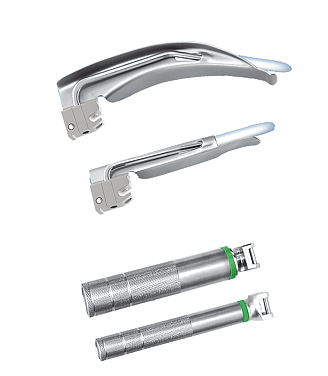
For direct laryngoscopy, hold the handle in your left hand (for right-handed operators) near the blade attachment point. Insert the blade into the right side of the mouth, sweeping the tongue left. Lift in the direction of the handle (approximately 45 degrees upward and forward)—never use the teeth as a fulcrum by rocking backward. For video laryngoscopy, insert the blade while watching the monitor, using the screen to guide positioning .
Follow device-specific protocols based on manufacturer IFU and facility policies. For the McGrath Mac Video Laryngoscope, NHS Scotland recommends using Clinell surface disinfectant wipes (green wipes) for cleaning and low-level disinfection of the handle, blade, and battery compartment . Always remove batteries before any wet cleaning, and ensure the handle is completely dry before reassembly.
Common errors include inserting the scope too forcefully (causing bleeding or discomfort), losing situational awareness of the tip direction, using inadequate anesthesia, and failing to remind patients to breathe normally during the procedure . Always give the patient a tissue beforehand as involuntary tearing may occur.
Activate integrated anti-fog mechanisms early—many require power-on time for heating elements to function. Alternatively, apply anti-fog solution or wipe the lens with an alcohol pad immediately before use . Some clinicians prepare a saline flush modification using IV tubing attached to the blade to clear the lens if obscured during the procedure.
Systems such as logbooks or stickers provide assurance that decontamination has been carried out to required standards . This tracking is essential for infection control audits, device traceability, and regulatory compliance. NHS Scotland has implemented a sticker system to replace previous logbooks for McGrath Mac devices, allowing tracking of use and verification of proper decontamination.
[1] https://www.msdmanuals.com/professional/ear-nose-and-throat-disorders/how-to-do-throat-procedures/how-to-do-flexible-laryngoscopy
[2] https://www.rightdecisions.scot.nhs.uk/sjh-emergency-medicine/handbook/equipment/mcgrath-mac-video-laryngoscope
[3] https://www.medtronic.com/covidien/en-gb/clinical-education/video-laryngoscopy-routine-use.html
[4] https://emedicine.medscape.com/article/110880-periprocedure
[5] https://www.upmc.com/health-library/article?hwid=hw232056
[6] https://sxzlyy.com/Html/News/Articles/20093.html
[7] https://www.3bscientific.com/sg/salad-simulator-1021583-nasco-lf03500,p_157_30065.html


