
Views: 222 Author: Lake Publish Time: 2025-12-27 Origin: Site


Content Menu
● Understanding the Risk and Classification
● Pre-Cleaning: The Essential First Step
● High-Level Disinfection (HLD) Methods
>> 1. Chemical Immersion (for immersible components)
>> 2. Automated Endoscope Reprocessors (AERs)
>> 3. Low-Temperature Sterilization
● Processing Video Laryngoscopes
● Storage and Quality Assurance
● The Rise of Single-Use Laryngoscopes
● Frequently Asked Questions (FAQ)
>> 1. Can I disinfect a laryngoscope blade by wiping it with an alcohol swab?
>> 2. How often should laryngoscope blades be replaced if they are reusable?
>> 3. Is it necessary to remove the batteries from the handle before cleaning/disinfecting?
>> 4. What is the single biggest risk of improper laryngoscope disinfection?
>> 5. Are disposable laryngoscopes as good as reusable ones?
In the critical field of airway management, the laryngoscope is an indispensable tool for visualizing the glottis and facilitating endotracheal intubation. However, its direct contact with the mucous membranes of the oropharynx and potentially with respiratory secretions makes it a significant vector for cross-contamination if not properly processed. The disinfection of a laryngoscope is therefore not merely a routine cleaning task but a fundamental pillar of infection prevention and control. This process demands strict adherence to established protocols to protect patients from healthcare-associated infections (HAIs) and to safeguard healthcare workers. This comprehensive guide details the correct methods for disinfecting and sterilizing laryngoscope equipment, covering both traditional direct laryngoscope devices and modern video laryngoscope systems, while emphasizing the paramount importance of following manufacturer instructions and institutional policies.
For a company specializing in medical visualization OEM services, understanding these stringent reprocessing requirements is integral to designing devices that are not only effective but also durable, cleanable, and compliant with global safety standards.

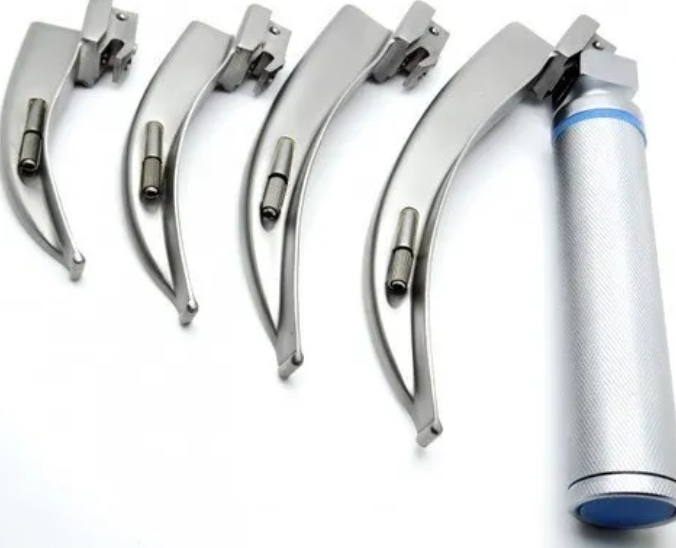
A used laryngoscope blade is contaminated with oral and potentially respiratory flora, including pathogenic bacteria and viruses. According to the Spaulding classification system, which categorizes medical devices based on infection risk, a laryngoscope blade is considered a semi-critical item. This is because it contacts mucous membranes (the mouth and throat) but does not ordinarily penetrate sterile tissue. The standard of care for semi-critical items is high-level disinfection (HLD), which destroys all vegetative microorganisms, mycobacteria, small or non-lipid viruses, medium or lipid viruses, fungal spores, and some, but not all, bacterial spores. In many guidelines, sterilization is preferred when the device can tolerate it, as it provides the highest level of assurance by eliminating all microbial life, including bacterial spores.
Effective disinfection is impossible without prior meticulous cleaning to remove organic material (blood, saliva, biofilm) that can shield microorganisms.
1. Point-of-Use Wipe: Immediately after use, before the secretions dry, wipe the laryngoscope blade and handle (if contaminated) with a cloth dampened with a neutral pH enzymatic detergent or a disinfectant wipe. This reduces the bioburden.
2. Disassembly and Transportation: Remove the blade from the handle. For reusable blades, also detach the light bulb assembly if possible (consult the Instructions for Use - IFU). Place the contaminated components in a labeled, leak-proof container for transport to the dedicated reprocessing area.
3. Manual Cleaning in the Reprocessing Area:
- Wear appropriate PPE: gloves, gown, and eye protection.
- Disassemble Fully: Remove batteries from the handle. Completely disassemble all removable parts.
- Wash: Immerse the components (if immersible per IFU) in a basin of warm water and enzymatic detergent. Using soft brushes and lint-free cloths, thoroughly scrub all surfaces of the laryngoscope blade, paying close attention to crevices, the locking mechanism, and the light bulb area. Clean the handle's electrical contacts with a cotton swab.
- Rinse: Thoroughly rinse all parts with clean, potable water to remove all detergent residue, which can inactivate chemical disinfectants.
- Dry: Pat dry with a clean, lint-free cloth.
After cleaning, the laryngoscope components must undergo HLD. The choice of method depends on the device's material compatibility and the IFU.
This is common for metal blades and some handles.
- Process: Fully immerse the cleaned and dried components in an EPA-registered high-level disinfectant solution, such as ortho-phthalaldehyde (OPA), glutaraldehyde, or peracetic acid.
- Critical Factors:
- Contact Time: Immerse for the exact time specified by the disinfectant manufacturer and the laryngoscope IFU (typically 10-20 minutes). Use a timer.
- Solution Concentration and Temperature: Monitor these as per the product guidelines.
- Rinsing: After immersion, rinse the components thoroughly with sterile or filtered water (not tap water) to remove toxic chemical residues. Inadequate rinsing can lead to chemical burns (e.g., laryngotracheal chemical pneumonitis) in the next patient.
- Drying: Air-dry completely on a clean surface or use forced air.
Some laryngoscope blades, especially those with fiberoptic channels, can be processed in an AER designed for flexible endoscopes. The AER automates the cycle of flushing channels with detergent and disinfectant, rinsing, and drying. This is only permissible if explicitly validated and stated in the device IFU.
This is the preferred method when possible, as it achieves sterilization rather than just HLD.
- Hydrogen Peroxide Gas Plasma (e.g., Sterrad): Suitable for moisture-sensitive and heat-sensitive items. The laryngoscope blade and handle (if compatible) are packaged in special wraps and processed in a chamber where gas plasma eliminates microbes.
- Ethylene Oxide (EtO) Gas: A highly effective but lengthy process requiring aeration time. Used for heat-sensitive items.
- Liquid Chemical Sterilants: Used for devices that cannot tolerate heat, gas, or radiation. They require prolonged immersion times (e.g., 6-12 hours) and strict adherence to rinse protocols.
Important: Most standard laryngoscope handles with electronic components are NOT immersible and cannot undergo traditional steam autoclaving (which would destroy them). Their disinfection is typically limited to meticulous external wiping with an EPA-registered disinfectant, followed by low-temperature sterilization if the IFU permits.
Modern video laryngoscope systems present unique challenges. They consist of a reusable video handle (with screen and electronics) and a disposable or reusable video blade.
1. Disposable Video Blades: These are single-use items. After use, the entire blade is disposed of as regulated medical waste, eliminating the need for reprocessing of the most contaminated part.
2. Reusable Video Blades: Must be cleaned and high-level disinfected according to the manufacturer's very specific IFU. This often involves careful wiping of the camera lens and body with approved disinfectant wipes. Most are not immersible. Some may be compatible with specific AERs or low-temperature sterilization.
3. Video Handles: These are never immersed. Processing involves:
- Disconnecting the blade.
- Wiping down all external surfaces of the handle, screen, and cables with a disinfectant wipe approved for electronics.
- Ensuring no liquid enters ports, connectors, or vents.
- Placing the handle in a dedicated charging dock, which may also serve as a UV-C light disinfection unit in some advanced systems.
- Storage: After processing and complete drying, store the laryngoscope components in a clean, dry, protected environment. They should be stored assembled and ready for use to allow for a quick functional check. A designated, ventilated cabinet is ideal.
- Functional Check: Before each use, perform a pre-use check: assemble the laryngoscope, insert fresh batteries, and verify a bright, functional light (for direct scopes) or a clear video image (for video scopes).
- Documentation and Audits: Maintain logs of reprocessing cycles, disinfectant testing, and equipment maintenance. Regular audits of reprocessing practices are essential for quality assurance.
Given the complexity and risk of reprocessing reusable laryngoscope equipment, there has been a significant shift toward single-use (disposable) laryngoscopes. These are supplied sterile, used once for a single patient, and then discarded. They offer the highest guaranteed level of infection control by eliminating the risks associated with human error in cleaning and disinfection, biofilm formation in channels, and cross-contamination.
Disinfecting a laryngoscope is a rigorous, multi-step process that is critical to patient safety. It begins with immediate point-of-use pre-cleaning, proceeds through meticulous manual cleaning, and culminates in validated high-level disinfection or, preferably, low-temperature sterilization for compatible devices. The cornerstone of this entire process is strict adherence to the manufacturer's Instructions for Use (IFU), as deviations can lead to device damage or, more gravely, inadequate reprocessing and patient harm.
The challenges inherent in reprocessing complex devices like video laryngoscope handles have accelerated the adoption of single-use blades and fully disposable systems. These innovations represent a paradigm shift, moving the burden of sterility assurance from the busy clinical environment to the controlled manufacturing setting. Whether maintaining reusable equipment or utilizing disposable options, a disciplined, protocol-driven approach to laryngoscope disinfection remains a non-negotiable standard of care, ensuring that this life-saving tool does not become a vector for preventable infection.

No, alcohol swabs are insufficient. While isopropyl alcohol is a disinfectant, it is not a high-level disinfectant. It is ineffective against bacterial spores and many viruses. Furthermore, it can damage materials over time and does not provide the validated efficacy required for a semi-critical device like a laryngoscope blade. You must use an EPA-registered high-level disinfectant according to the IFU.
Reusable metal blades should be inspected before every reprocessing cycle for defects such as cracks, corrosion, loose bulb housings, or damage to the locking mechanism. Their lifespan depends on usage and handling. They should be replaced immediately when any damage is found. There is no simple time-based expiration; it is a condition-based replacement.
Yes, absolutely. Batteries must be removed before any cleaning or disinfection of the handle. Cleaning with batteries in place can lead to:
- Corrosion from moisture ingress, damaging the contacts.
- Electrical short circuits.
- Inadequate disinfection of the battery compartment, a potential reservoir for pathogens.
Handles should only be reassembled with fresh batteries after they are completely dry.
The greatest risk is transmission of bloodborne and respiratory pathogens between patients, leading to healthcare-associated infections. This can include viruses like Hepatitis B, Hepatitis C, and potentially multi-drug resistant bacteria. A specific, severe risk from inadequate rinsing after chemical disinfection is chemical-induced airway injury (laryngotracheal chemical pneumonitis) to the next patient.
Modern single-use laryngoscope designs have advanced significantly. They provide guaranteed sterility, eliminate reprocessing costs and errors, and are immediately ready for use. Their performance in terms of light quality and mechanical function is generally excellent for routine intubation. While some practitioners may prefer the specific "feel" of a heavyweight reusable handle for difficult airways, disposable laryngoscopes are considered the standard of care for infection control in many settings and are clinically effective for the vast majority of intubations.
[1] https://www.cdc.gov/infectioncontrol/guidelines/disinfection/index.html
[2] https://www.fda.gov/medical-devices/reprocessing-reusable-medical-devices
[3] https://www.apsf.org/article/reprocessing-laryngoscopes-and-laryngoscope-handles/


