
Views: 222 Author: Lake Publish Time: 2025-11-28 Origin: Site


Content Menu
● The Critical Importance of Proper Bronchoscope Reprocessing
● Step-by-Step Guide to Cleaning and Disinfecting a Fiberoptic Bronchoscope
>> Pre-Cleaning at the Point of Use
>> Leak Testing
>> High-Level Disinfection or Sterilization
● Frequently Asked Questions (FAQ)
>> 1. Why is a leak test so important every time a bronchoscope is cleaned?
>> 2. Can I use a different detergent if I run out of the recommended enzymatic cleaner?
>> 3. What is the difference between cleaning, disinfection, and sterilization for a bronchoscope?
>> 4. How long can a processed bronchoscope be stored before it needs to be reprocessed again?
>> 5. What is the single most common error in bronchoscope reprocessing?
In the intricate world of modern medicine, the bronchoscope is an indispensable tool. As a flexible tube with a light and camera, a bronchoscope allows physicians to visually examine a patient's airways and lungs, diagnose conditions, and perform therapeutic procedures. The proper functioning and, most critically, the safety of this device hinge on one non-negotiable practice: meticulous cleaning and disinfection. Failure to adhere to stringent protocols can lead to device damage, inaccurate diagnoses, and, most alarmingly, healthcare-associated infections (HAIs). This comprehensive guide details the essential steps for cleaning and disinfecting a fiberoptic bronchoscope, underscoring the critical role this process plays in patient safety and clinical efficacy. As a company deeply embedded in the medical visualization field, we understand that the integrity of a bronchoscope extends from its manufacturing to its reprocessing.
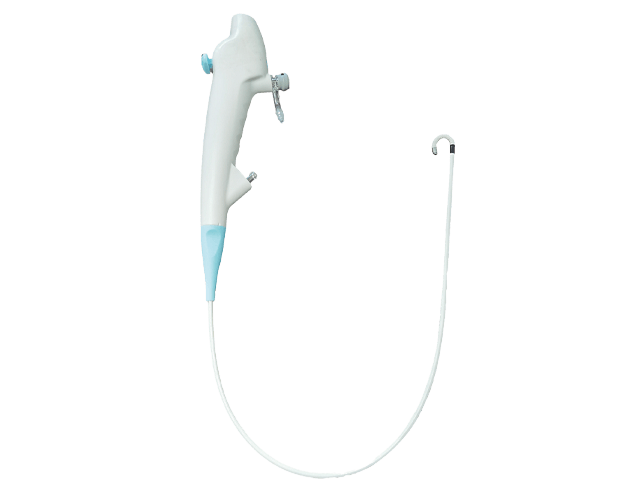
A bronchoscope is a complex, reusable medical instrument that enters a sterile environment—the human respiratory tract. During a procedure, it becomes contaminated with microorganisms, blood, tissues, and secretions. Unlike solid surgical instruments, the bronchoscope's long, narrow channels and delicate internal components make it exceptionally difficult to clean. These same features that provide its diagnostic versatility also create protected niches where pathogens can survive if cleaning is inadequate.
The consequences of improper reprocessing are severe. A bronchoscope that is not thoroughly cleaned and disinfected can transmit pathogens from one patient to another. This has been documented in numerous clinical reports, linking contaminated bronchoscopes to outbreaks of multidrug-resistant bacteria, tuberculosis, and other serious infections. Furthermore, organic debris and biofilm left inside the channels can shield microorganisms from the action of chemical disinfectants, rendering the subsequent disinfection step ineffective. Therefore, cleaning is not merely a preliminary step; it is the most crucial part of the entire reprocessing sequence. A bronchoscope cannot be sterilized or disinfected if it has not been first meticulously cleaned.
Reprocessing a fiberoptic bronchoscope is a multi-stage process that should be performed by trained personnel in a dedicated cleaning area, immediately after use. Always adhere to the manufacturer's Instructions for Use (IFU), as specific models may have unique requirements. The following protocol synthesizes best practices from leading health organizations.
Reprocessing begins the moment the bronchoscope is removed from the patient.
1. Immediate Wiping: Using a lint-free cloth soaked in an enzymatic detergent solution, immediately wipe the entire insertion tube and the body of the bronchoscope. This prevents secretions from drying and solidifying on the device.
2. Suctioning Channels: Aspirate the enzymatic detergent solution through the instrument/suction channel of the bronchoscope for at least 30 seconds. This helps to flush out gross debris from the internal channels while they are still moist.
3. Transport: Cap the distal end of the bronchoscope and transport it to the dedicated reprocessing area in a closed, labeled container to prevent contamination of the environment.
Performing a leak test is essential to check the integrity of the bronchoscope's outer sheath. A compromised sheath can allow fluid ingress, leading to extensive and costly damage and creating a reservoir for pathogens.
1. Prepare the Bronchoscope: Ensure the bronchoscope is at room temperature. Attach the leak tester to the air port on the bronchoscope connector.
2. Submerge and Pressurize: Submerge the entire bronchoscope in a basin of water. Activate the leak tester to pressurize the scope.
3. Inspect for Bubbles: Carefully observe the entire length of the bronchoscope, especially the bending section, for a steady stream of bubbles. If bubbles are present, the bronchoscope has a leak and must be removed from service immediately for repair. Do not proceed with cleaning.
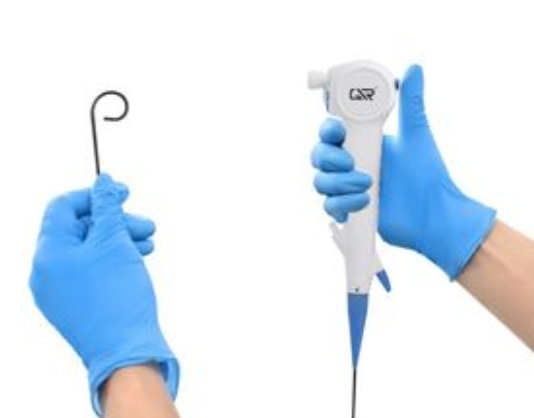
Manual cleaning is the physical removal of all organic and inorganic material. This step is the foundation of all subsequent disinfection.
1. Disassemble and Prepare: Disconnect all removable parts, such as valves and caps. Immerse the entire bronchoscope in a basin of fresh, warm water and a compatible enzymatic detergent. The detergent breaks down proteins, starches, and fats.
2. External Cleaning: Thoroughly wash the exterior of the bronchoscope using a soft, lint-free cloth or a gentle brush. Pay close attention to the distal tip and the control knobs.
3. Internal Channel Cleaning:
-Brush All Channels: Using appropriately sized, disposable channel-cleaning brushes, scrub the entire length of each channel of the bronchoscope. Push the brush through, retract it, and then remove it. Repeat this process several times for each channel until no visible debris remains on the brush.
-Flush All Channels: Using a syringe, flush each channel of the bronchoscope with the enzymatic detergent solution. Ensure that fluid exits the distal end of each channel.
4. Rinse: After cleaning, thoroughly rinse the entire bronchoscope and its components with clean, potable water to remove all detergent residue. Flush all internal channels with water as well. Detergent residue can inactivate chemical disinfectants.
After manual cleaning, the bronchoscope must undergo a process to destroy all microorganisms. For a fiberoptic bronchoscope, high-level disinfection (HLD) is typically the standard of care, though sterilization may be required for certain procedures.
1. High-Level Disinfection (HLD): This process eliminates all vegetative microorganisms, mycobacteria, viruses, and fungi, but not necessarily all bacterial spores.
-Automated Endoscope Reprocessors (AERs): The preferred method is to use an AER. The cleaned bronchoscope is connected to the AER, which automatically flushes all channels with a high-level disinfectant (e.g., ortho-phthalaldehyde OPA, peracetic acid) for a precise contact time, followed by rinsing and alcohol flushing.
-Manual Disinfection: If an AER is not available, the bronchoscope can be immersed in a basin of high-level disinfectant. All channels must be flushed and filled with the disinfectant to ensure contact with all internal surfaces. The device must remain immersed for the exact contact time specified by the disinfectant manufacturer.
2. Rinsing and Drying: After HLD, the bronchoscope must be thoroughly rinsed with sterile or filtered water to remove chemical disinfectant residue, which can cause patient adverse events like chemical pneumonitis. Flush all channels with water. Finally, flush all channels with 70-90% ethyl or isopropyl alcohol followed by forced air to dry the internal channels rapidly.
Proper drying is the final critical step to prevent microbial growth in a stored bronchoscope.
1. Drying: Wipe the exterior of the bronchoscope dry. Use forced air to thoroughly dry all internal channels. Hang the bronchoscope vertically in a well-ventilated, dedicated storage cabinet to allow any residual moisture to evaporate.
2. Storage: Store the completely dry bronchoscope in a dedicated, ventilated cabinet that protects it from dust, physical damage, and contamination. It should be hung vertically, without coiling, to maintain the integrity of the internal channels.
The reprocessing of a fiberoptic bronchoscope is a rigorous, multi-faceted procedure that demands unwavering attention to detail. It is a chain of critical steps where any single weak link—be it a skipped leak test, an inadequately brushed channel, or insufficient drying—can compromise the entire process. This guide outlines the foundational principles of cleaning and high-level disinfection, but it is paramount that healthcare facilities empower their staff with continuous training and ensure strict adherence to the specific manufacturer's instructions for both the bronchoscope and the reprocessing equipment. Ultimately, a meticulously cleaned and disinfected bronchoscope is not just a clean instrument; it is a fundamental pillar of patient safety, diagnostic accuracy, and the delivery of high-quality healthcare. The integrity of every examination and procedure performed with a bronchoscope is built upon the diligence of the reprocessing team.
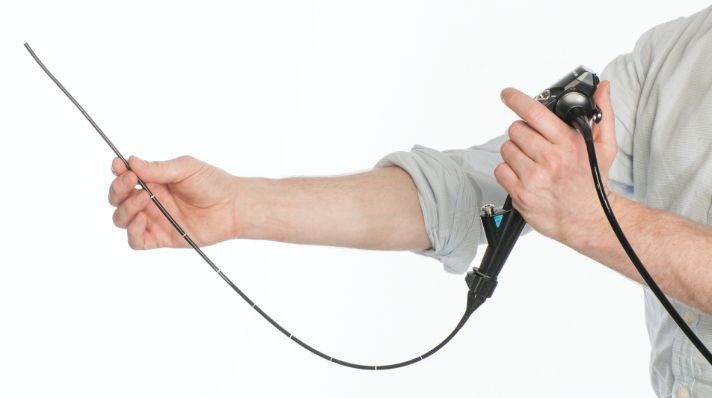
A leak test is crucial because it detects breaches in the bronchoscope's outer sheath. A small puncture can allow fluid to seep into the internal components during cleaning. This leads to catastrophic and expensive damage, fostering the growth of biofilm and pathogens inside the scope, which is impossible to remove and poses a severe infection risk to patients.
No. You must always use the detergent specified in the bronchoscope manufacturer's Instructions for Use (IFU). Using an incompatible detergent can damage the delicate materials of the bronchoscope, leave residues that inactivate the high-level disinfectant, or be toxic to patient tissues.
-Cleaning is the physical removal of organic debris and soil. It is essential but does not destroy all microorganisms.
-Disinfection (specifically High-Level Disinfection for a bronchoscope) uses chemicals to destroy nearly all pathogenic microorganisms, but not necessarily all bacterial spores.
-Sterilization is a process that destroys all forms of microbial life, including bacterial spores. While some bronchoscopes can be sterilized, HLD is the standard for most flexible bronchoscopes.
The shelf life of a reprocessed bronchoscope depends on the storage conditions and the facility's policy, which should be based on risk assessment and manufacturer guidelines. If the bronchoscope is stored completely dry and in a dedicated, ventilated cabinet, a common practice is to reprocess it after 5-7 days if unused. However, if there is any doubt about its cleanliness or if the storage cabinet is compromised, it should be reprocessed immediately before use.
One of the most common and critical errors is inadequate drying after reprocessing. Storing a bronchoscope with any residual moisture inside its channels creates a perfect environment for microbial growth, including bacteria and fungi, which can lead to patient infection upon the next use. Ensuring forced air drying and proper vertical storage is paramount.
[1] https://www.fda.gov/medical-devices/reprocessing-reusable-medical-devices/information-association-professionals-infection-control-and-epidemiology-apic
[2] https://www.cdc.gov/infectioncontrol/guidelines/disinfection/index.html
[3] https://www.sgna.org/Resources/Standards
[4] https://www.bsg.org.uk/clinical-resource/guidelines-for-decontamination-of-equipment-for-gastrointestinal-endoscopy/
[5] https://www.aami.org/standards
[6] https://www.healthcare-in-europe.com/en/news/new-international-standard-for-endoscope-reprocessing-published.html
[7] https://www.asge.org/home/about-asge/newsroom/media-backgrounders-detail/reprocessing-of-flexible-gastrointestinal-endoscopes
[8] https://www.apsf.org/article/cleaning-and-sterilization-of-flexible-bronchoscopes/
[9] https://www.thoracic.org/professionals/clinical-resources/disease-related-references/bronchoscope-reprocessing.php


