
Views: 222 Author: Lake Publish Time: 2025-11-21 Origin: Site


Content Menu
● Components of a Bronchoscope Tray
● Factors Influencing Bronchoscope Tray Pricing
● Price Ranges for Different Bronchoscope Tray Types
● Reusable vs. Disposable Bronchoscope Tray Economics
● Additional Cost Considerations
● Bulk Purchasing and Supplier Negotiations
● Cost Analysis Across Different Healthcare Settings
● Hidden Costs and Total Cost of Ownership
● Budgeting and Financial Planning
>> 1. What is typically included in a basic bronchoscope tray?
>> 2. How does the cost of a reusable bronchoscope compare to disposable systems?
>> 3. What factors most significantly impact bronchoscope tray pricing?
>> 4. Are there cost differences between adult and pediatric bronchoscope trays?
>> 5. How can healthcare facilities reduce bronchoscope tray costs?
The bronchoscope tray represents an essential component in modern pulmonary medicine, containing all necessary instruments for successful bronchoscopic procedures. Understanding the cost of a bronchoscope tray requires examining multiple factors including tray composition, bronchoscope type, manufacturer specifications, and procurement channels. A comprehensive bronchoscope tray typically includes the bronchoscope itself along with various accessories necessary for diagnostic and therapeutic procedures. The pricing structure for bronchoscope trays varies significantly based on whether institutions choose reusable, disposable, or hybrid systems. This detailed analysis explores the cost considerations for bronchoscope trays, providing healthcare facilities with essential information for budgeting and procurement decisions while maintaining the highest standards of patient care and procedural efficiency.
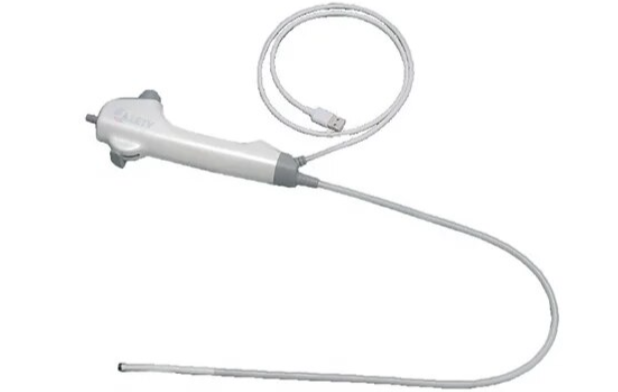
A complete bronchoscope tray contains several essential components that contribute to its overall cost. The central element is, of course, the bronchoscope itself, which may be a flexible fiberoptic bronchoscope, video bronchoscope, or specialized bronchoscope designed for specific procedures. The bronchoscope tray typically includes biopsy forceps of various sizes and designs for tissue sampling, cytology brushes for cellular collection, and suction catheters for maintaining clear visualization during procedures. Additional components in a standard bronchoscope tray might include irrigation syringes, specimen containers, local anesthetic administration devices, and lubrication supplies.
The complexity of the bronchoscope tray directly impacts its cost, with basic diagnostic trays being more affordable than comprehensive therapeutic bronchoscope trays. Advanced bronchoscope trays may include specialized instruments for procedures such as bronchoalveolar lavage, transbronchial needle aspiration, or foreign body removal. The packaging and sterilization materials for the bronchoscope tray also contribute to the overall cost, with single-use trays requiring specific barrier packaging to maintain sterility. Understanding these components helps healthcare facilities evaluate whether pre-packaged bronchoscope trays offer better value compared to individually sourced components based on their specific procedural volumes and requirements.
Multiple factors significantly influence the final cost of a bronchoscope tray, creating substantial price variations across the market. The type of bronchoscope included represents the most significant cost driver, with video bronchoscope systems commanding premium prices compared to fiberoptic models. The technical capabilities of the bronchoscope, including image resolution, articulation range, channel size, and accessory compatibility, all impact the tray's price point. Manufacturer reputation and product quality also influence bronchoscope tray pricing, with established medical device companies typically charging more for their proven reliability and comprehensive support services.
The choice between reusable and disposable bronchoscope trays creates another major pricing consideration. Reusable bronchoscope trays involve higher initial investment but potentially lower long-term costs, while disposable bronchoscope trays offer predictable per-procedure pricing but may accumulate to higher annual expenses. Volume purchasing agreements can substantially reduce the per-unit cost of bronchoscope trays for high-volume institutions. Additional factors affecting bronchoscope tray pricing include regulatory certifications, import duties for international purchases, and the inclusion of specialized instruments for advanced bronchoscopic procedures. Understanding these variables helps healthcare providers make informed financial decisions regarding bronchoscope tray procurement.
The cost of bronchoscope trays varies dramatically based on their composition and intended use. Basic disposable bronchoscope trays without the bronchoscope itself typically range from $50 to $200 per unit, containing essential accessories like suction catheters, specimen containers, and basic procedural supplies. Mid-range bronchoscope trays that include more specialized instruments such as biopsy forceps or cytology brushes generally fall in the $200 to $500 range. Premium bronchoscope trays designed for complex therapeutic procedures can cost between $500 and $1,200 per tray, particularly when including specialized devices for advanced interventions.
When considering bronchoscope trays that include the bronchoscope itself, pricing becomes substantially higher. Basic reusable fiberoptic bronchoscope trays may range from $3,000 to $8,000, while video bronchoscope trays typically start around $8,000 and can exceed $25,000 for advanced systems with high-definition imaging and enhanced maneuverability. Single-use disposable bronchoscope systems represent a different pricing model, with complete procedure trays typically costing between $1,500 and $3,000 per use. These price ranges for bronchoscope trays reflect the significant technological and material differences between various system types and their included components.
The economic comparison between reusable and disposable bronchoscope trays involves complex calculations beyond initial purchase prices. Reusable bronchoscope trays require substantial upfront investment, with high-quality video bronchoscope systems often costing $15,000 to $30,000, plus additional expenses for reprocessing equipment and personnel. However, the per-procedure cost for reusable bronchoscope trays decreases significantly with volume, potentially falling below $500 per use when considering the instrument's lifespan. The hidden costs of reusable bronchoscope trays include repair expenses, which average 10-15% of the purchase price annually, and reprocessing costs including labor, cleaning solutions, and sterilization monitoring.
Disposable bronchoscope trays offer simpler economic calculations with predictable per-procedure costs typically ranging from $1,500 to $3,000 for complete single-use systems. These bronchoscope trays eliminate repair costs and reduce reprocessing expenses, though institutions must consider storage requirements and waste disposal fees. The economic advantage of disposable bronchoscope trays becomes more pronounced for low-volume procedures or when accounting for infection control benefits and reduced cross-contamination risks. Many facilities implement hybrid approaches, utilizing reusable bronchoscope trays for routine procedures while maintaining disposable options for specific cases like infection isolation or difficult airway management.
Beyond the base price of the bronchoscope tray, healthcare facilities must account for several additional cost factors. Reprocessing expenses for reusable bronchoscope trays include automated endoscope reprocessor systems costing $15,000 to $40,000, plus ongoing expenses for cleaning chemicals, water filtration, and labor. Storage solutions for bronchoscope trays represent another cost consideration, with proper ventilation, humidity control, and security adding to facility expenses. Insurance and maintenance contracts for bronchoscope systems typically cost 8-12% of the purchase price annually, covering repairs and technical support.
Training requirements for staff using bronchoscope trays generate additional costs, including certification programs, simulation equipment, and productivity time during learning curves. Inventory management systems for tracking bronchoscope tray usage, maintenance schedules, and expiration dates require software investments and personnel time. For disposable bronchoscope trays, facilities must consider storage space requirements and associated costs, particularly for high-volume practices. Regulatory compliance expenses, including documentation systems and quality assurance programs, add further financial considerations to bronchoscope tray implementation regardless of the chosen system type.
Strategic procurement approaches can significantly reduce the overall cost of bronchoscope trays for healthcare institutions. Volume purchasing agreements for bronchoscope trays typically offer discounts of 15-30% for committed annual volumes, with tiered pricing structures that reward higher purchase quantities. Consolidated purchasing through group purchasing organizations (GPOs) can provide additional savings on bronchoscope trays by aggregating demand across multiple facilities. Contract terms for bronchoscope tray procurement often include price protection clauses that shield buyers from manufacturer price increases for the contract duration.
Supplier negotiations for bronchoscope trays should extend beyond unit pricing to include value-added services such as extended warranty terms, complimentary training programs, and preferential repair turnaround times. Bundling bronchoscope tray purchases with related equipment like processors, light sources, or documentation systems can yield additional savings. Many bronchoscope manufacturers offer trial programs or demonstration units that allow facilities to evaluate tray performance before committing to large purchases. Establishing preferred supplier relationships for bronchoscope trays can streamline procurement processes while securing favorable pricing through committed partnership terms.
The economic impact of bronchoscope tray costs varies significantly across different healthcare settings based on procedural volume, patient population, and financial resources. Large academic medical centers typically benefit from economies of scale when purchasing bronchoscope trays, leveraging high procedure volumes to negotiate favorable pricing while distributing fixed costs across many uses. These institutions often prefer reusable bronchoscope tray systems despite higher initial investment, as the per-procedure cost becomes minimal at high volumes. Teaching hospitals also factor the educational value of reusable bronchoscope trays into their cost calculations, as these systems better support trainee development.
Community hospitals with moderate bronchoscopy volumes face different economic considerations for bronchoscope trays. These facilities often implement hybrid approaches, maintaining reusable bronchoscope trays for routine procedures while utilizing disposable options for after-hours cases or specific clinical scenarios. The cost analysis for bronchoscope trays in outpatient surgery centers focuses heavily on turnover efficiency, making disposable systems potentially more economically attractive despite higher per-unit costs. Remote or resource-limited facilities may prioritize durability and service accessibility when selecting bronchoscope tray systems, sometimes accepting higher costs for improved reliability and technical support availability.
Understanding the true expense of bronchoscope trays requires looking beyond purchase prices to consider total cost of ownership. For reusable bronchoscope tray systems, hidden costs include reprocessing labor, which typically requires 30-45 minutes per bronchoscope at an estimated cost of $25-50 in personnel time. Water quality testing and filtration systems for bronchoscope reprocessing add ongoing expenses, as does documentation and tracking for infection control compliance. The opportunity cost of bronchoscope tray downtime during repairs or preventive maintenance represents another hidden expense, potentially requiring backup systems to maintain procedural capacity.
Disposable bronchoscope tray systems eliminate many hidden reprocessing costs but introduce different financial considerations. Storage and inventory management for disposable bronchoscope trays require dedicated space and monitoring systems to prevent expiration or damage. Environmental compliance and waste disposal regulations may impose additional costs for single-use bronchoscope systems. The total cost of ownership calculation for bronchoscope trays should also include productivity impacts related to setup time, with disposable systems typically offering faster preparation compared to reusable bronchoscope trays that require assembly from sterilized components.
Effective financial planning for bronchoscope tray programs requires comprehensive budgeting that accounts for both capital and operational expenditures. Capital budget requests for reusable bronchoscope tray systems must include not only the initial purchase but also ancillary equipment such as video processors, light sources, and documentation systems. Operational budgets for bronchoscope tray programs should allocate funds for ongoing expenses including replacement accessories, repair services, and staff training. Facilities implementing disposable bronchoscope tray systems need accurate volume projections to negotiate favorable pricing while avoiding overstocking that ties up working capital.
Financial justification for bronchoscope tray investments typically requires demonstrating improved clinical outcomes, reduced complication rates, or increased procedural efficiency. Return on investment calculations for bronchoscope tray systems might include metrics such as procedure volume capacity, turnaround time between cases, or reduction in cross-infection incidents. Many institutions utilize lease financing options for expensive bronchoscope tray systems to preserve capital while maintaining access to current technology. Lifecycle planning for bronchoscope tray systems should anticipate technology refresh cycles of 5-7 years for reusable systems, budgeting accordingly for future capital requirements.
The cost of a bronchoscope tray encompasses a complex matrix of factors including equipment type, procurement strategy, and operational considerations. From basic disposable trays costing under $200 to sophisticated video bronchoscope systems exceeding $25,000, the pricing spectrum reflects dramatic differences in capability, durability, and clinical application. Healthcare facilities must look beyond initial purchase prices to consider total cost of ownership, including reprocessing, maintenance, and operational efficiency. The economic analysis between reusable and disposable bronchoscope tray systems reveals context-dependent advantages, with high-volume centers typically benefiting from reusable systems while lower-volume or specialized applications may favor disposable options. Strategic procurement approaches including volume purchasing, supplier negotiations, and lifecycle planning can optimize bronchoscope tray investments regardless of the chosen system type. As bronchoscopic technology continues to advance, with innovations in imaging, instrumentation, and reprocessing methodology, the cost structure of bronchoscope trays will continue to evolve, requiring ongoing financial analysis to ensure both clinical excellence and fiscal responsibility.
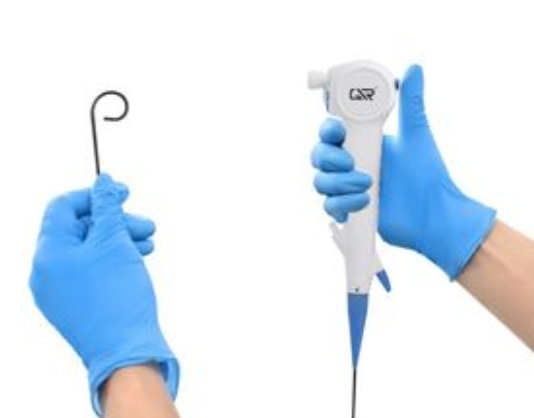
A basic bronchoscope tray typically includes the bronchoscope itself (either reusable or disposable), suction catheters, specimen containers, local anesthetic administration devices, lubrication, and basic procedural supplies. More comprehensive bronchoscope trays may additionally include biopsy forceps, cytology brushes, irrigation syringes, and specialized instruments for therapeutic procedures. The specific contents of a bronchoscope tray vary by manufacturer and intended use, with diagnostic trays containing different components than therapeutic bronchoscope trays designed for procedures like foreign body removal or stent placement.
Reusable bronchoscope systems involve higher initial investment, typically ranging from $8,000 to $25,000 for the instrument alone, plus additional costs for reprocessing equipment and maintenance. However, the per-procedure cost for reusable bronchoscope systems decreases with volume, potentially falling below $500 per use over the instrument's lifespan. Disposable bronchoscope systems have lower upfront costs but higher per-procedure expenses, typically $1,500 to $3,000 for each complete procedure tray. The economic advantage depends on procedure volume, with reusable bronchoscope systems generally more cost-effective for high-volume practices.
The most significant factors impacting bronchoscope tray pricing include the type of bronchoscope (fiberoptic vs. video, reusable vs. disposable), image quality and technical capabilities, manufacturer brand and reputation, included accessories and instruments, and procurement volume. Video bronchoscope systems command premium prices compared to fiberoptic models, while advanced features like enhanced articulation, larger working channels, and high-definition imaging further increase costs. Purchase volume significantly affects bronchoscope tray pricing, with volume discounts typically ranging from 15-30% for committed annual purchases.
Yes, significant cost differences exist between adult and pediatric bronchoscope trays due to the specialized design and manufacturing requirements for pediatric instruments. Pediatric bronchoscope systems typically cost 10-20% more than comparable adult systems due to their smaller diameter, enhanced flexibility, and lower production volumes. The accessories included in pediatric bronchoscope trays are also specialized for smaller anatomy, contributing to the price differential. However, the cost structure for pediatric bronchoscope trays follows similar patterns to adult systems, with disposable options having higher per-procedure costs but lower upfront investment compared to reusable systems.
Healthcare facilities can reduce bronchoscope tray costs through several strategies including volume purchasing agreements, participation in group purchasing organizations, strategic supplier negotiations, and optimizing reprocessing efficiency for reusable systems. Implementing inventory management systems to reduce waste and prevent expiration of disposable bronchoscope components can generate significant savings. Proper maintenance and handling of reusable bronchoscope systems reduces repair costs and extends instrument lifespan. Some facilities employ hybrid approaches, using reusable bronchoscope trays for routine procedures while reserving disposable systems for specific cases, optimizing overall cost efficiency based on procedural requirements.
[1] https://www.fda.gov/medical-devices/reprocessing-reusable-medical-devices/infections-associated-reprocessed-duodenoscopes
[2] https://www.cdc.gov/hai/organisms/cre/index.html
[3] https://www.asge.org/home/guidelines-position-statements/guidelines
[4] https://www.health.state.mn.us/facilities/patientsafety/infectioncontrol/precautions.html
[5] https://www.aami.org/docs/default-source/standards-library/ansiaami-st91.pdf
[6] https://www.jointcommission.org/standards/standard-faqs/hospital-and-hospital-clinics/infection-prevention-and-control-ic/000001432/
[7] https://www.ecri.org/components/HDJournal/Pages/Endoscope-Reprocessing.aspx
[8] https://www.shea.org/public-health-resources


