


Content Menu
● Introduction to Laryngoscopy: An Essential Medical Art
● Understanding the Laryngoscope: A Brief Technological Overview
● Preparation: The Foundation of Successful Laryngoscopy
>> Equipment Selection and Readiness
>> Patient Assessment and Positioning
● My Technical Approach to Different Laryngoscope Types
>> Direct Laryngoscopy Technique
>> Flexible Fiberoptic Laryngoscopy Technique
>> Video Laryngoscopy Technique
● Special Considerations and Advanced Applications
>> Managing the Difficult Airway
● Integration with OEM Services in Medical Visualization
● Conclusion: Mastering the Art and Science of Laryngoscopy
● FAQ
>> 1.What is the most important factor for successful laryngoscopy?
>> 2.How do I choose between a Macintosh and Miller blade?
>> 3.What are the advantages of video laryngoscopy?
>> 4.How can I improve my laryngoscopy technique?
>> 5.What are common pitfalls in laryngoscopy?
The laryngoscope stands as one of the most critical tools in modern medical practice, serving as the cornerstone of airway management and laryngeal examination. As a practitioner with extensive experience in airway management, I've come to appreciate the subtle nuances and critical decision-making involved in effectively utilizing this instrument. The journey to mastering the laryngoscope requires not only theoretical knowledge but also hands-on experience across various clinical scenarios. This article shares my approach to laryngoscopy, drawing from years of practice across diverse clinical settings and patient populations.
A laryngoscope is fundamentally designed to provide visual access to the laryngeal structures—a region that remains inaccessible to direct visualization without specialized equipment due to its deep anatomical position . From emergency intubations in trauma bays to controlled surgical environments, the laryngoscope proves its indispensability repeatedly. My philosophy towards this instrument has evolved to embrace both its technological advancements and its fundamental principles, which remain rooted in anatomical understanding and manual dexterity.

Before delving into technique, it's crucial to understand the instrument itself. The laryngoscope has undergone significant evolution since Manuel García's first indirect observation of the larynx using a dental mirror in 1854. Today, we have at our disposal various types of laryngoscope systems, each with distinct advantages and applications. The contemporary medical professional must be proficient with multiple variants, as clinical circumstances often dictate the most appropriate choice.
The most basic categorization divides laryngoscope into indirect and direct systems. The indirect laryngoscope, the earliest form of this instrument, operates on simple mirror reflection principles . In contrast, direct laryngoscope systems create a straight line of sight from the clinician's eye to the larynx by physically displacing anatomical obstacles like the tongue and epiglottis. More advanced flexible fiberoptic laryngoscope and video laryngoscope systems have revolutionized airway management by eliminating the need for direct visual alignment, instead transmitting images via fiberoptic bundles or digital cameras to the operator's eye or a display screen.
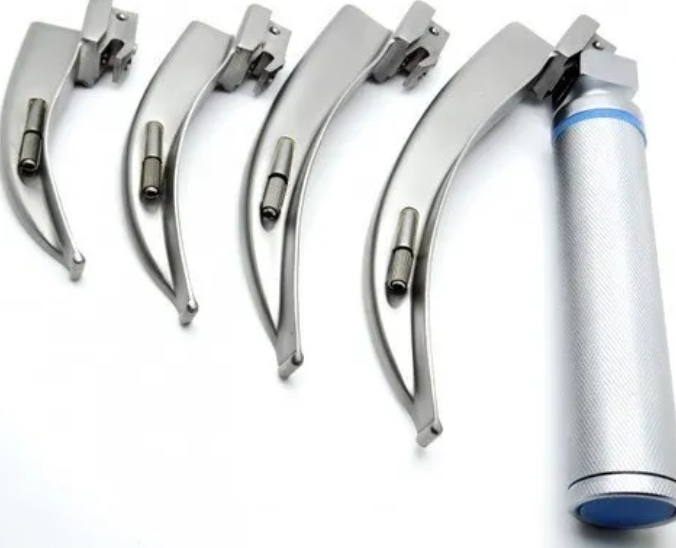
My approach to any laryngoscope procedure begins long before the instrument approaches the patient's airway. Meticulous preparation forms the bedrock of success and safety. I systematically verify that all necessary equipment is present, functional, and appropriately sized for the patient. For direct laryngoscopy, this includes selecting the appropriate blade type (curved Macintosh or straight Miller) and size based on the patient's age, anatomy, and clinical status. I always have a backup laryngoscope with an alternative blade design readily available, as anatomical challenges may necessitate a different approach.
For video laryngoscopy, I ensure the display is positioned for optimal viewing, the camera lens is clean, and the light source provides adequate illumination without excessive intensity that could cause patient discomfort or tissue damage. The evolution to video laryngoscope systems with their enhanced visualization capabilities has undoubtedly improved first-pass success rates in difficult airways, but they still require the same fundamental preparation as traditional methods.
A comprehensive pre-procedural assessment significantly influences my laryngoscope technique and blade selection. I evaluate for potential difficult airway indicators: limited mouth opening, neck mobility restrictions, thyromental distance, Mallampati score, and anatomical variations. When possible, I explain the procedure to the patient to alleviate anxiety and secure their cooperation, which is especially crucial for awake flexible laryngoscope procedures.
Proper patient positioning is arguably the most critical element in direct laryngoscopy. I meticulously position patients in the "sniffing position"—neck flexed forward on the body and head extended at the atlanto-occipital joint—which optimally aligns the oral, pharyngeal, and laryngeal axes for direct line-of-sight laryngoscopy. For video laryngoscopy, I modify this position based on the specific device manufacturer's recommendations, as some systems require less stringent positioning due to their camera-based visualization.
My technique with a direct laryngoscope follows a deliberate, stepwise approach that prioritizes patient safety and anatomical visualization:
1. Instrument Handling: I hold the laryngoscope in my left hand, even as a right-handed individual, as this has become the standardized approach that facilitates proper blade manipulation and leaves my dominant hand free for ancillary maneuvers.
2. Blade Insertion: I introduce the blade along the right side of the tongue, gradually sweeping it to the midline as I advance it. This technique effectively displaces the tongue to the left, creating a visual pathway. I am particularly mindful to avoid trapping the patient's lips between the blade and teeth, a common novice error that causes unnecessary trauma.
3. Epiglottis Engagement: Upon visualizing the epiglottis, I position the tip of the blade according to its design: in the vallecula for a curved Macintosh blade or directly lifting the epiglottis for a straight Miller blade. The distinction in blade function represents a critical technical difference that I emphasize in my teaching.
4. Controlled Lift: I apply steady, upward lift at approximately a 45-degree angle along the axis of the laryngoscope handle. I am careful to avoid using the teeth as a fulcrum, which risks dental injury. This lifting action displaces the soft tissues to reveal the glottic structures.
5. Visualization and Confirmation: With adequate exposure, I identify the arytenoid cartilages, vocal cords, and posterior cartilages to confirm proper positioning before attempting any instrument passage.
Throughout this process, I maintain continuous awareness of the force applied, as excessive pressure can cause tissue trauma, while insufficient lift fails to provide adequate visualization. The direct laryngoscope requires a harmony of finesse and firmness that develops through repeated practice across diverse patient anatomies.
When performing flexible fiberoptic laryngoscope procedures, my approach shifts significantly from the direct technique. The flexible laryngoscope demands mastery of a different skill set centered around navigation rather than displacement:
1. Scope Preparation: I meticulously inspect the fiberoptic bundle for any broken fibers that might compromise image quality and apply anti-fogging solution to the distal lens to maintain visualization in the humid airway environment.
2. Airway Anesthesia: For awake procedures, I provide thorough topical anesthesia and vasoconstriction using appropriate agents like lidocaine and phenylephrine. Proper anesthesia is crucial for patient comfort and procedural success, as gag reflexes can otherwise make the examination challenging or impossible.
3. Navigation Technique: I advance the scope under direct visualization, using subtle movements of the control lever and scope rotation to steer the flexible tip. I follow anatomical landmarks—along the nasal floor through the nasopharynx, past the base of the tongue and epiglottis—until the larynx comes into view.
4. Dynamic Assessment: Once positioned, I assess laryngeal function during both quiet breathing and phonation, evaluating vocal cord mobility, mucosal waves, and any pathological movements. The flexible laryngoscope provides unparalleled dynamic assessment capability compared to rigid systems.
The flexible laryngoscope excels in situations where cervical spine precautions prevent optimal positioning for direct laryngoscopy, or when evaluating awake, spontaneously breathing patients. My preference for this modality has grown significantly for diagnostic studies and anticipated difficult airways.
Video laryngoscopy represents the most significant technological advancement in laryngoscope design in recent decades, and my technique has adapted to leverage its unique advantages:
1. Device-Specific Preparation: I familiarize myself with the particular video laryngoscope system being used, as blade angles, camera positions, and handling characteristics vary considerably between manufacturers.
2. Blade Insertion: Similar to direct laryngoscopy, I introduce the blade along the right side of the tongue and advance it to the midline. However, I often use a less forceful approach, as the camera frequently provides adequate visualization without maximal tissue displacement.
3. Monitor Engagement: I focus primarily on the display screen rather than looking directly at the patient's mouth, trusting the camera to provide the necessary visual information. This represents a fundamental shift from traditional direct laryngoscopy and requires cognitive adaptation.
4. Tube Guidance: I employ stylets or introducers to shape the endotracheal tube to match the blade's curvature, facilitating passage through the visual field shown on the monitor. The hyperangulated blades of many video laryngoscope systems often require a different approach to tube delivery than with direct laryngoscopy.
The video laryngoscope has transformed my approach to difficult airways, providing superior views of the glottis in situations where direct sightlines are compromised. Its ability to share the visual field with assistants and trainees also enhances teamwork and education—benefits I've come to value immensely in both emergency and controlled settings.
Throughout my career, I've developed a particular interest in managing difficult airways, where the laryngoscope operator's skill is most tested. My approach integrates multiple laryngoscope technologies based on the specific challenge:
For patients with limited mouth opening, I favor a flexible fiberoptic laryngoscope or a video laryngoscope with a thin profile blade, as these systems don't require the same degree of oral access as traditional direct laryngoscopy.
In situations involving cervical spine immobility, I avoid significant neck manipulation and rely on video laryngoscopy, which typically provides adequate visualization without requiring alignment of the airway axes.
When encountering excessive secretions or bleeding that obscure the view, I utilize continuous suction through a working channel (available on some laryngoscope systems) or employ a separate suction catheter to clear the field before attempting visualization.
My difficult airway algorithm always includes contingency plans and backup devices, recognizing that no single laryngoscope type addresses all clinical challenges. The modern airway manager must be proficient with multiple laryngoscope technologies to adapt to the specific anatomical and physiological hurdles each patient presents.
Pediatric laryngoscopy demands special consideration due to anatomical and physiological differences from adults. My approach to the pediatric laryngoscope emphasizes:
1. Size-Appropriate Equipment: I carefully select blade sizes based on the child's age and weight, recognizing that even millimeter variations can significantly impact visualization and safety.
2. Anatomical Awareness: I remain mindful of the more cephalad laryngeal position, relatively larger tongue, and more floppy epiglottis characteristic of pediatric patients, all of which influence my laryngoscope technique.
3. Physiological Monitoring: I pay meticulous attention to oxygen saturation and heart rate, as children desaturate more rapidly than adults during apneic periods.
The pediatric laryngoscope requires a gentler touch and more precise positioning, with particular attention to avoiding subglottic trauma that could lead to post-procedural edema and stridor.
As a professional working with a company specializing in medical visualization and OEM services, I appreciate the technical excellence required in laryngoscope manufacturing. The partnership between clinical expertise and engineering precision has yielded remarkable advances in laryngoscope technology. Our collaborations with OEM partners emphasize several critical manufacturing aspects:
- Optical Clarity: Ensuring distortion-free visualization through precision lens systems and high-resolution imaging sensors in video laryngoscope units.
- Ergonomic Design: Creating laryngoscope handles and blades that balance patient safety with user comfort during prolonged procedures.
- Material Selection: Utilizing medical-grade materials that withstand repeated sterilization while maintaining structural integrity, especially important for reusable laryngoscope components.
- Quality Control: Implementing rigorous testing protocols for every laryngoscope unit, verifying illumination intensity, image clarity, and mechanical function before clinical deployment.
The OEM relationship in laryngoscope production demands exceptional attention to detail, as these devices directly impact patient safety during critical airway procedures. Our technical specifications for laryngoscope manufacturing include precise parameters for illumination wavelength, blade angulation, and digital compression algorithms for video systems—all refined through ongoing dialogue between our clinical experience and engineering expertise.
The laryngoscope remains an evolving instrument, with technological innovations continuously expanding its capabilities and applications. My journey with this essential tool has taught me that mastery requires not only technical proficiency but also conceptual understanding, adaptive thinking, and respect for the delicate tissues we manipulate. From the simplest indirect laryngoscope to the most advanced video system, the fundamental goal remains unchanged: visualizing the laryngeal structures to facilitate diagnosis, treatment, and airway security.
The modern practitioner stands at an exciting crossroads, with an unprecedented array of laryngoscope technologies available. This abundance, however, does not diminish the need for solid fundamental skills. Rather, it elevates the importance of discerning instrument selection based on clinical context, patient factors, and operator experience. As laryngoscope technology continues to advance—incorporating artificial intelligence, enhanced connectivity, and improved portability—our foundational techniques must evolve while maintaining their grounding in anatomical principles and patient safety considerations.
While technical skill is crucial, I consider proper patient positioning the single most critical factor for successful laryngoscopy, particularly with direct laryngoscope techniques. The "sniffing position" aligns the oral, pharyngeal, and laryngeal axes to create a direct visual path to the glottis. Without optimal positioning, even the most skilled operator may struggle to obtain an adequate view, regardless of the laryngoscope type used.
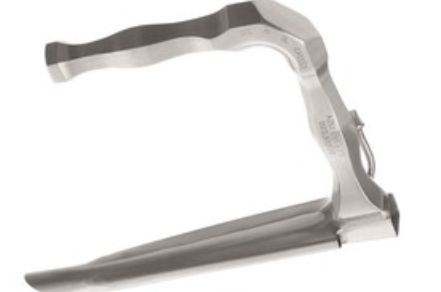
The choice between curved Macintosh and straight Miller laryngoscope blades depends on patient anatomy and operator experience. I typically start with a Macintosh blade for most adult patients, as its design engages the vallecula and indirectly lifts the epiglottis, generally causing less physiological disturbance. I reserve the Miller blade for situations where I anticipate a floppy or difficult-to-control epiglottis, or in pediatric patients where the straight blade often provides superior visualization.
Video laryngoscope systems offer several advantages: they provide superior views of the glottis, particularly in patients with difficult anatomy; they allow for shared visualization among the procedural team, enhancing education and assistance; they reduce the need for perfect airway axis alignment; and they typically improve first-pass success rates in intubation. However, they also present a learning curve and may require different techniques for tube delivery compared to direct laryngoscopy.
Improving laryngoscope technique requires deliberate practice across several domains: develop systematic approach patterns for every airway encounter; practice both direct and video laryngoscopy to understand their complementary strengths; seek feedback from experienced colleagues through direct observation or video review; and utilize simulation training to refine blade manipulation and tube delivery skills without patient risk.
Common laryngoscope pitfalls include: inadequate patient positioning before blade insertion; applying excessive force with the blade, risking dental injury; inserting the blade too deeply, passing the glottis entirely; failing to control the tongue effectively by not sweeping it completely to the left; and focusing on equipment rather than maintaining situational awareness of the patient's physiological status throughout the procedure.


