


Content Menu
● 1 The Basic Working Principles of a Laryngoscope
>> 1.1 Fundamental Components and Their Functions
>> 1.2 The Physics Behind Laryngoscope Operation
● 2 Types of Laryngoscopes and Their Specific Mechanisms
>> 2.1 Indirect and Direct Laryngoscopes
>> 2.2 Fiberoptic and Video Laryngoscopes
● 3 Clinical Applications and Procedural Use
>> 3.1 Airway Management and Intubation
>> 3.2 Diagnostic and Therapeutic Procedures
● 4 Operational Techniques and Safety Considerations
>> 4.1 Proper Technique and Procedural Steps
>> 4.2 Potential Complications and Risk Mitigation
● 5 Technological Advances and Future Directions
>> 5.1 Evolution of Laryngoscope Technology
>> 5.2 Emerging Trends and Future Innovations
● FAQ
>> 1.How does a traditional direct laryngoscope create a view of the larynx?
>> 3.Why do video laryngoscopes often provide better visualization than direct laryngoscopes?
>> 4.Can a laryngoscope be used for procedures other than intubation?
>> 5.How has laryngoscope technology evolved to improve patient safety?
A laryngoscope is a critical medical instrument designed for visualization of the larynx and surrounding structures in the throat. As a cornerstone device in airway management, this tool enables healthcare professionals to secure a patient's airway during procedures like endotracheal intubation, perform diagnostic examinations, and conduct surgical interventions. Understanding how a laryngoscope works requires insight into its fundamental operating principles, which combine precise mechanical manipulation with advanced optical technology. From anesthesiology to emergency medicine and otolaryngology, the laryngoscope serves as an indispensable tool across multiple medical specialties, with its design evolving significantly since its inception to improve both patient outcomes and clinical efficiency.
The fundamental challenge in laryngeal examination lies in the deep anatomical position of the larynx within the throat, which cannot be directly visualized with the naked eye . The laryngoscope overcomes this barrier by providing either a direct or enhanced view of the vocal cords, glottis, and surrounding structures. The journey of this remarkable instrument began in 1854 when Manuel García, a Spanish singing teacher, first observed his own laryngeal function using a dental mirror and sunlight, creating the first indirect laryngoscope . This revolutionary concept laid the foundation for modern laryngoscopy, which has since progressed through several technological generations—from direct laryngoscopes to fiberoptic models and today's sophisticated video laryngoscope systems.
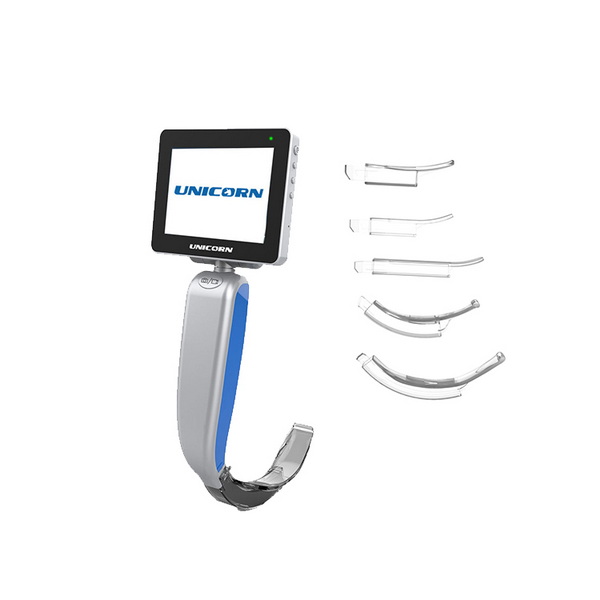
At its most fundamental level, a laryngoscope operates on principles of optical transmission and mechanical manipulation. Regardless of type, most laryngoscopes share common components that work together to provide visualization of the laryngeal structures. The illumination system represents one critical aspect, typically employing LED or fiberoptic light sources to brightly illuminate the dark cavity of the throat . This illumination is essential for clear visualization, especially in video-based systems where camera performance depends on adequate lighting. The visualization component varies by laryngoscope type, ranging from simple mirrors in indirect laryngoscopy to complex digital sensors in modern video laryngoscopes.
The mechanical components serve to create and maintain a clear visual pathway to the larynx. The tongue and epiglottis naturally obstruct the view of the larynx, so a laryngoscope must physically displace these structures. In direct laryngoscopy, this is achieved through precise manipulation of the laryngoscope blade to lift the tongue and epiglottis, creating a direct line of sight . The ergonomic design of the handle provides the necessary grip and control for the clinician during this maneuver. Understanding these core principles helps explain how different laryngoscope types achieve their common goal despite their technological differences.
The operation of a laryngoscope involves several interconnected physical principles. Optics plays a crucial role, particularly in fiberoptic and video laryngoscopes where light must be efficiently transmitted from the light source to the target area and back to the observer's eye or camera sensor. Fiberoptic bundles in flexible laryngoscopes utilize total internal reflection to transmit images through curved paths, allowing navigation through the natural contours of the airway . The mechanical advantage provided by the laryngoscope blade follows principles of leverage, enabling the clinician to displace tissues with controlled force while minimizing potential injury.
In video laryngoscopes, digital imaging principles come into play, where a miniature camera sensor captures the visual information and converts it into electrical signals for display on a monitor . This process often involves additional image processing to enhance clarity, contrast, and color accuracy. The angle of view is another critical physical consideration, with different blade designs (such as the 60° curvature of the Glidescope video laryngoscope) optimizing the visual approach to the larynx without requiring extreme head positioning of the patient . These physical principles collectively enable the laryngoscope to overcome the anatomical challenges of laryngeal visualization.
The indirect laryngoscope, the earliest form of this instrument, operates on a simple but effective principle of mirror reflection. It consists of a small, angled mirror mounted on a long handle that is inserted into the patient's mouth while the clinician uses a separate head mirror to reflect light into the throat . The laryngeal structures are then viewed indirectly in the reflection from the mouth mirror. While this method avoids direct contact with most sensitive tissues, it provides a reversed image and has limitations including patient gag reflex and limited field of view .
Direct laryngoscopes represented a significant advancement by establishing a direct line of sight to the larynx. These instruments consist of a handle containing a power source and a detachable blade with a small light source near its tip . During use, the clinician inserts the blade into the mouth and advances it along the tongue until reaching the vallecula or directly lifting the epiglottis. By then lifting the blade at the correct angle, the tongue and soft tissues are displaced, creating an unobstructed view from the operator's eye to the glottis . This method requires precise technique to align the oral, pharyngeal, and laryngeal axes, which can be challenging in patients with difficult airway anatomy. The direct laryngoscope remains a fundamental tool for endotracheal intubation, especially in routine cases where patient anatomy is favorable.
Flexible fiberoptic laryngoscopes revolutionized airway management by eliminating the need for a direct line of sight to the larynx. These instruments utilize coherent fiberoptic bundles containing thousands of precisely aligned glass fibers that transmit images from the distal tip to an eyepiece or camera . Each fiber carries a tiny portion of the image, collectively creating a complete visual representation. This fiberoptic technology allows the laryngoscope to be navigated through the natural curves of the upper airway, making it particularly valuable for patients with difficult anatomy, limited neck mobility, or when the patient is awake during the procedure . The flexibility of these scopes comes with some trade-offs, including potential image distortion (fish-eye effect) and fragility of the fiberoptic bundles .
Video laryngoscopes represent the most technologically advanced category, incorporating a miniature digital camera at the distal end of the blade, typically with integrated LED lights for illumination . The camera captures real-time video of the laryngeal structures and transmits the signal to a processing unit, which then displays the magnified image on a screen . This design eliminates the need for aligning the visual axes, as the camera provides an optimized view regardless of the operator's eye position. Modern video laryngoscope systems, such as the Glidescope, feature anti-fogging technology and specialized blade designs (e.g., 60° curvature) that provide superior views of the glottis, even in challenging cases . The digital nature of these systems enables additional functionalities like image recording, telemedicine applications, and enhanced training opportunities through shared visualization.

The most critical application of the laryngoscope is in endotracheal intubation for securing the airway during general anesthesia, respiratory failure, or other situations where a patient cannot maintain adequate oxygenation. In this procedure, the laryngoscope serves as both a visualization tool and a mechanical instrument for creating a pathway for the endotracheal tube. The clinician uses the laryngoscope to identify key anatomical landmarks—the epiglottis, arytenoid cartilages, and vocal cords—to properly guide the endotracheal tube into the trachea while avoiding esophageal insertion . The enhanced view provided by video laryngoscopy has been shown to improve first-pass success rates, particularly in difficult airways, by offering a superior perspective of the glottic opening compared to direct laryngoscopy .
Beyond standard intubation, the laryngoscope plays a crucial role in difficult airway management. Patients with conditions such as cervical spine instability, facial trauma, obesity, or anatomical variations present significant challenges for conventional intubation techniques. In these scenarios, specialized laryngoscopes like the video laryngoscope or flexible fiberoptic laryngoscope become invaluable tools. The Glidescope video laryngoscope, for instance, has demonstrated particular effectiveness in patients with cervical spine injuries, limited mouth opening, or high anterior larynx, conditions where direct laryngoscopy often proves difficult or impossible . The ability to visualize the airway without requiring specific head and neck positioning makes these advanced laryngoscopes essential for managing potentially life-threatening scenarios.
In otolaryngology practice, the laryngoscope serves as a fundamental diagnostic instrument for evaluating laryngeal pathology. Using either flexible or rigid scopes, specialists can assess vocal cord function, identify masses or lesions, evaluate mucosal abnormalities, and investigate causes of voice changes, stridor, or chronic cough . The integration of stroboscopy with laryngoscopy allows for detailed assessment of vocal cord vibration and mucosal waves, providing functional information beyond simple anatomical visualization . These diagnostic applications rely on the laryngoscope's ability to provide high-quality images of the delicate laryngeal structures, often during natural physiological activities like phonation and swallowing.
The laryngoscope also functions as a platform for therapeutic interventions. In surgical settings, specialized laryngoscopes like suspension laryngoscopes provide a stable, hands-free conduit for microsurgery of the larynx . These instruments enable procedures such as biopsy of suspicious lesions, removal of vocal cord polyps or nodules, laser surgery for tumors, and treatment of laryngeal stenosis. The laryngoscope may also be used for foreign body removal from the upper airway, providing both visualization and access for retrieval instruments. More advanced video laryngoscope systems with working channels allow for simultaneous visualization and therapeutic intervention, such as suctioning secretions or delivering medications directly to the laryngeal structures .
The effective use of a laryngoscope requires mastery of specific techniques that vary depending on the type of instrument being used. For direct laryngoscopy, the fundamental approach involves proper patient positioning, typically with the head in the "sniffing position" (neck flexed forward and head extended) to best align the airway axes . The clinician holds the laryngoscope handle in the left hand (for right-handed operators) and inserts the blade along the right side of the tongue, then gradually moves it to the midline as it advances, sweeping the tongue to the left . Upon reaching the epiglottis, the blade is positioned either in the vallecula (Macintosh blade) or directly under the epiglottis (Miller blade), and then lifted forward and upward at a 45-degree angle to expose the glottis without using the teeth as a pivot point.
The technique for flexible fiberoptic laryngoscopy differs significantly, focusing on navigating the natural anatomy rather than displacing tissues. The scope is typically introduced through either the nose or mouth, with the nasal route often preferred for better stability and reduced gag reflex . The operator advances the scope under direct visualization, following the anatomical landmarks—along the nasal floor through the nasopharynx, past the base of the tongue and epiglottis, until the larynx comes into view . This technique requires coordinated movements of the control lever and scope rotation to steer the flexible tip, along with subtle adjustments based on patient phonation or breathing. For video laryngoscopy, the approach often combines elements of both direct and flexible techniques, with the blade inserted similarly to direct laryngoscopy but typically requiring less force and different positioning to optimize the camera view .
While generally safe when performed correctly, laryngoscopy carries potential complications that clinicians must work to prevent. The most common issues include soft tissue trauma to the lips, tongue, or pharyngeal mucosa; dental damage from excessive pressure; and reflex responses like gagging, laryngospasm, or cardiovascular changes . In direct laryngoscopy, the risk of dental injury is particularly concerning, necessitating careful technique and avoidance of using the teeth as a fulcrum. Prolonged or repeated laryngoscopy attempts can lead to tissue swelling and bleeding, potentially progressing to airway compromise, especially in children with more compliant tissues .
Preventive strategies and safety considerations vary by laryngoscope type. For all procedures, appropriate patient selection and preparation are crucial, including assessment for potential difficult airways and application of topical anesthetics or vasoconstrictors as needed . With direct laryngoscopes, proper blade selection and gentle technique minimize tissue trauma, while video laryngoscopes require awareness of potential "blind spots" despite good visualization . Flexible laryngoscopy demands special attention to airway management in sedated patients and careful scope handling to avoid damage to the fragile fiberoptic bundles . For all types, having backup equipment, alternative airway devices, and experienced assistance available provides important safeguards when managing challenging airways.
The development of the laryngoscope has progressed through several revolutionary phases, each introducing new capabilities and expanding clinical applications. The earliest transition from indirect to direct laryngoscopy in the late 19th century represented the first major shift, enabled by the development of reliable internal light sources and refined blade designs . The mid-20th century introduction of fiberoptic technology marked another leap forward, decoupling the visualization pathway from a straight-line view and enabling navigation around anatomical obstacles . This innovation dramatically improved management of difficult airways and allowed for examination of awake, spontaneously breathing patients.
The current digital era has seen the rise of the video laryngoscope as the dominant technological advancement, with its integration of miniaturized cameras, bright LED lighting, and high-resolution displays . The Glidescope video laryngoscope, for example, features a specially designed blade with a 60-degree curvature and anti-fogging technology that maintains a clear view even in the presence of respiratory secretions . More recent innovations include the development of portable, battery-powered video laryngoscopes with integrated displays, making advanced airway management available outside the operating room in settings like emergency departments, ambulances, and field hospitals . The evolution toward single-use disposable devices addresses growing concerns about infection control and eliminates the risk of cross-contamination between patients .
The future of laryngoscopy technology points toward increasingly integrated, intelligent systems with enhanced capabilities. The incorporation of artificial intelligence (AI) represents one of the most promising directions, with potential applications including automated identification of anatomical landmarks, real-time guidance for tube placement, and even prediction of difficult airways based on visual patterns . These AI-assisted systems could significantly improve success rates for less experienced operators and standardize the quality of laryngoscopy across different clinical settings.
Enhanced connectivity and data integration represent another significant trend, with modern laryngoscope systems increasingly designed to interface with hospital electronic health records, video recording systems, and telemedicine platforms . This connectivity facilitates remote supervision and consultation, comprehensive procedure documentation, and seamless integration of laryngoscopy findings into the patient's medical record. Further miniaturization of components continues to make devices more portable and less invasive, while advances in battery technology extend operational time and reliability . Looking further ahead, developments in molecular imaging and augmented reality may eventually enable laryngoscopes to provide functional and metabolic information about laryngeal tissues beyond the current structural visualization, potentially revolutionizing early detection of pathology and precision in surgical interventions.
The laryngoscope stands as a remarkable example of medical instrument evolution, transitioning from Manuel García's simple mirror to today's sophisticated digital systems while maintaining its fundamental purpose: visualizing the complex anatomy of the larynx. The working principles of this essential device span basic optics and mechanical leverage to advanced digital imaging and fiberoptic transmission, with each type of laryngoscope offering distinct advantages for specific clinical scenarios. From routine intubations in the operating room to managing difficult airways in emergency situations, from diagnostic evaluations in ENT clinics to therapeutic procedures in the surgical suite, the laryngoscope continues to prove its indispensability across medical specialties.
As technology progresses, the laryngoscope will undoubtedly continue to evolve, incorporating more advanced imaging capabilities, smarter software assistance, and more ergonomic designs. Yet regardless of these technological enhancements, the fundamental requirement for operator skill and anatomical knowledge remains constant. The modern clinician must understand not only how to use a laryngoscope effectively but also how different types work, their specific indications, and their potential limitations. This comprehensive understanding ensures that this vital tool will continue to save lives and improve patient outcomes for generations to come, maintaining its status as one of medicine's most essential instruments for airway management and laryngeal visualization.
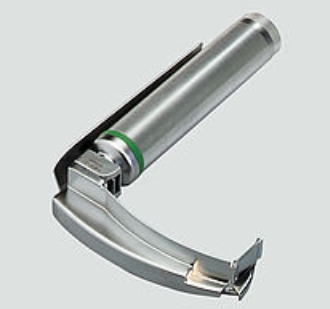
A traditional direct laryngoscope creates a direct line of sight from the clinician's eye to the larynx through physical manipulation of airway structures. It consists of a handle containing a power source and a blade with a small light source near its tip . When inserted into the mouth, the blade is used to lift the tongue and epiglottis, physically displacing these tissues to reveal the glottis and vocal cords underneath . This requires precise positioning to align the oral, pharyngeal, and laryngeal axes, which can be challenging in patients with difficult anatomy.
The key difference lies in their visualization methods. A flexible fiberoptic laryngoscope uses bundles of precisely aligned glass fibers to transmit an image from the tip of the scope to an eyepiece or camera . Each fiber carries a portion of the image, collectively creating a complete picture. In contrast, a video laryngoscope incorporates a miniature digital camera at the tip of the blade that captures a video image and transmits it electronically to a display screen . The fiberoptic scope provides flexibility for navigating anatomy, while the video laryngoscope typically offers a wider field of view and better image quality.
Video laryngoscopes often provide better visualization because they eliminate the need for a direct line of sight to the larynx. Their cameras can be positioned to "look around corners" with specially designed blades (like the 60° curvature of the Glidescope) that provide visual access without requiring alignment of the oral, pharyngeal, and laryngeal axes . The digital image can be magnified and processed for enhanced clarity, and the camera position often provides a more anterior view of the glottis, which is particularly beneficial in patients with difficult airway anatomy .
Yes, laryngoscopes have several applications beyond endotracheal intubation. In otolaryngology, they are essential for diagnostic procedures to evaluate voice problems, airway obstruction, and suspicious lesions . Flexible laryngoscopes are particularly valuable for these examinations as they can be used with topical anesthesia in awake patients. Therapeutically, specialized laryngoscopes serve as platforms for surgical procedures such as biopsy of laryngeal lesions, removal of polyps, foreign body extraction, and laser surgery . Some advanced video laryngoscopes also incorporate channels for suction, irrigation, or drug delivery .
Laryngoscope technology has evolved significantly to enhance patient safety through multiple innovations. The development of video laryngoscopy has reduced intubation failures and associated complications, particularly in difficult airways . The trend toward single-use disposable blades and laryngoscopes minimizes infection transmission risks . Ergonomic improvements in blade design reduce dental damage and soft tissue trauma, while anti-fogging features and better illumination in video laryngoscopes maintain clear visualization despite challenging conditions . Additionally, the integration of recording capabilities allows for better documentation, quality assurance, and training, indirectly improving patient safety through enhanced proficiency and oversight.
[1] https://baike.baidu.com/item/%e5%96%89%e9%95%9c?forcehttps=1%3ffr%3dkg_hanyu
[2] https://baike.baidu.com/item/%E8%BE%93%E5%B0%BF%E7%AE%A1%E9%95%9C/0?fromModule=lemma_inlink
[3] https://baike.baidu.com/item/Glidescope%E8%A7%86%E9%A2%91%E5%96%89%E9%95%9C/2958998
[4] http://m.osmundacn.com/cdmo/transfer/
[5] https://baike.baidu.com/item/%e8%bd%af%e6%80%a7%e8%be%93%e5%b0%bf%e7%ae%a1%e9%95%9c/55952685?fromModule=lemma_inlink
[6] http://agri.nais.net.cn/patentdetails/738F3674-3B31-45EB-9BAB-C7B007E11D40.html
[7] https://partnering.tecan.cn/
[8] https://www.vedeng.com/baike/pro1949.html
[9] https://db.yaozh.com/jixie/7393821510000017.html


