


Content Menu
● Types of Ureteroscopes and Their General Dimensions
● Detailed Dimensions: Length and Diameter of a Ureteroscope
● Importance of Size in Ureteroscope Design and Clinical Application
● Our Company's Ureteroscope Products and OEM Services
>> 1. What is the typical length of a ureteroscope?
>> 2. How does the diameter of a ureteroscope affect its use?
>> 3. Are there disposable ureteroscopes available, and what are their sizes?
>> 4. What are the key differences between flexible and rigid ureteroscopes in terms of size?
>> 5. How is the size of a ureteroscope measured and standardized?
In the rapidly evolving field of medical visualization, the ureteroscope stands as a critical tool in urological procedures, enabling minimally invasive diagnostics and treatments. As a company dedicated to advancing healthcare through innovative medical devices, including endoscopy systems, disposable ureteroscopes, visual flexible laryngoscopes, bronchoscopy workstations, medical image processors, and video laryngoscopes, we provide comprehensive OEM services for international brands, wholesalers, and manufacturers. This article delves into the dimensions of a ureteroscope, exploring its size variations, implications for clinical use, and how our products align with industry needs. Understanding the physical characteristics of a ureteroscope is essential for healthcare professionals to optimize patient outcomes, reduce complications, and enhance procedural efficiency. We will cover the typical measurements, factors influencing size, and the role of modern advancements in ureteroscope design, all while emphasizing the importance of precision in medical visualization.
The term "ureteroscope" refers to a specialized endoscope used primarily in urology to examine and treat conditions within the ureter and kidneys. Its size directly impacts maneuverability, image quality, and patient comfort, making it a focal point for manufacturers and clinicians alike. In this detailed exploration, we aim to answer the question, "How big is a ureteroscope?" by providing an in-depth analysis backed by industry insights and our expertise in medical device production. From flexible to rigid variants, and the growing trend toward disposable ureteroscopes, we will dissect the dimensions that define these instruments, ensuring a comprehensive understanding for readers ranging from medical practitioners to industry stakeholders.
As we proceed, we will integrate key aspects of our OEM services, highlighting how we tailor ureteroscope designs to meet specific client requirements, including size customization for different anatomical needs. By the end of this article, you will have a clear picture of ureteroscope dimensions, their clinical significance, and how our company contributes to this dynamic field. Let's begin by examining the fundamental types of ureteroscopes and their general size ranges.

Ureteroscopes come in various forms, each designed for specific clinical scenarios. The two primary categories are flexible ureteroscopes and rigid ureteroscopes, with disposable ureteroscopes emerging as a popular alternative due to their convenience and reduced infection risks. The size of a ureteroscope is typically defined by its length and diameter, which vary based on the type and intended use.
A flexible ureteroscope is often used for navigating the tortuous paths of the urinary tract, allowing access to the kidneys and upper ureters. These ureteroscopes generally range in length from 65 to 70 centimeters, with diameters between 2.5 and 3.5 millimeters. The flexibility enables better access to hard-to-reach areas, but the size must balance between being slim enough for minimal invasion and robust enough to house imaging components. For instance, digital flexible ureteroscopes incorporate advanced optics, which can slightly increase the diameter compared to fiberoptic models. In our OEM services, we produce customizable flexible ureteroscopes that adhere to these size standards while integrating high-resolution cameras for superior visualization.
On the other hand, a rigid ureteroscope is typically employed for straightforward procedures in the lower ureter, offering greater stability and easier manipulation. These ureteroscopes are shorter, usually measuring between 30 and 45 centimeters in length, with diameters ranging from 2.0 to 3.0 millimeters. The rigid design allows for larger working channels, facilitating the passage of instruments like baskets or lasers, but the size constraints require precision engineering to avoid tissue damage. Disposable ureteroscopes, a growing segment in the market, often mimic the dimensions of reusable ones but are designed for single-use to prevent cross-contamination. Our company specializes in manufacturing disposable ureteroscopes that maintain optimal size parameters, ensuring compatibility with standard procedures while promoting hygiene.
The evolution of ureteroscope technology has led to hybrid models and miniaturized versions, such as those used in pediatric urology, where the ureteroscope might be as small as 1.5 millimeters in diameter. Overall, the size of a ureteroscope is a critical factor that influences its functionality, and understanding these variations helps clinicians select the appropriate tool for each case. In the following sections, we will break down the specific dimensions in more detail, including length, diameter, and how they interrelate with other features.
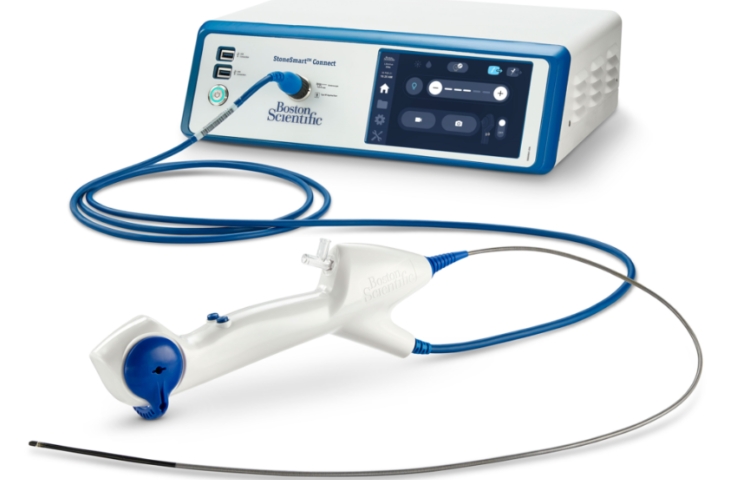
When assessing the size of a ureteroscope, length and diameter are the primary metrics, as they determine the scope's reach and accessibility within the urinary system. Let's explore these dimensions in depth, considering both standard measurements and variations based on clinical requirements.
The length of a ureteroscope is crucial for determining how far it can travel from the urethra to the kidneys. Adult flexible ureteroscopes typically measure between 65 and 70 centimeters, which is sufficient to traverse the male urethra (about 20 centimeters) and female urethra (about 4 centimeters), then proceed through the bladder and into the ureters and renal pelvis. This length allows urologists to perform procedures like stone removal or biopsy without excessive force, reducing the risk of perforation. For rigid ureteroscopes, the length is shorter, usually 30 to 45 centimeters, as they are intended for lower urinary tract interventions where less navigation is needed. In some specialized cases, such as in obese patients or complex anatomies, longer ureteroscopes up to 75 centimeters may be used, but these are less common. Our company's OEM services include tailoring the length of ureteroscopes based on demographic data, ensuring that devices are optimized for different patient populations.
Diameter, often referred to as the outer diameter, is another vital dimension that affects the ureteroscope's invasiveness and functionality. Standard flexible ureteroscopes have diameters ranging from 2.5 to 3.5 millimeters, with newer digital models leaning toward the upper end due to integrated cameras and light sources. A smaller diameter ureteroscope, such as those around 2.0 millimeters, is preferred for pediatric use or in patients with narrow ureters, as it minimizes trauma and facilitates easier passage. However, a narrower ureteroscope may compromise the size of the working channel, which typically ranges from 1.0 to 1.2 millimeters in diameter, limiting the instruments that can be used. Conversely, a larger diameter ureteroscope, up to 3.5 millimeters, allows for a more substantial working channel (up to 1.5 millimeters), enabling the use of larger tools like laser fibers or retrieval devices, but it may increase the risk of ureteral injury.
The interplay between length and diameter in a ureteroscope is a key consideration in design. For example, a longer ureteroscope with a smaller diameter might offer greater reach but reduced durability, whereas a shorter, wider ureteroscope provides better irrigation flow but less flexibility. In our product line, we balance these factors by using advanced materials and engineering techniques, such as incorporating tapered tips in flexible ureteroscopes to ease entry into the ureter. Additionally, the rise of disposable ureteroscopes has led to standardized sizes that match reusable counterparts, often with diameters around 3.0 millimeters and lengths of 65 centimeters, ensuring seamless integration into existing workflows.
Understanding these dimensions is not just about numbers; it's about how the size of a ureteroscope impacts clinical outcomes. A well-sized ureteroscope can reduce procedure time, enhance patient safety, and improve the success rates of interventions like stone fragmentation. As we move forward, we'll discuss why size matters in ureteroscope design and how innovations are pushing the boundaries of miniaturization without sacrificing performance.
The size of a ureteroscope is not merely a technical specification; it plays a pivotal role in determining the efficacy, safety, and comfort of urological procedures. From diagnostic exams to therapeutic interventions, the dimensions of a ureteroscope influence everything from accessibility to infection control, making it a cornerstone of modern urologic care.
One of the primary reasons size matters is patient safety. A ureteroscope that is too large in diameter can cause ureteral trauma, leading to complications such as strictures, bleeding, or perforation. For instance, in patients with anatomically narrow ureters, using a ureteroscope with a diameter exceeding 3.0 millimeters might necessitate dilation, increasing procedure time and risk. Conversely, a ureteroscope that is too small may lack the structural integrity needed for complex maneuvers, potentially breaking inside the patient—a rare but serious event. This is why disposable ureteroscopes have gained traction; they are designed to standard sizes that minimize risks while ensuring single-use hygiene. Our company emphasizes safety in our OEM productions by offering ureteroscopes with optimized diameters that align with clinical guidelines, reducing the likelihood of adverse events.
Maneuverability and access are also heavily dependent on the size of a ureteroscope. A flexible ureteroscope with a length of 65-70 centimeters and a diameter under 3.0 millimeters can navigate the curved pathways of the urinary system more easily, allowing urologists to reach renal stones or tumors that would be inaccessible with rigid instruments. The diameter directly affects the deflection capability; a slimmer ureteroscope often has better tip deflection, enabling a wider range of motion within the kidney. However, this must be balanced with the working channel size—a critical aspect for therapeutic procedures. A larger working channel (e.g., 1.2 millimeters or more) in a ureteroscope permits efficient irrigation and instrument passage, which is essential for procedures like laser lithotripsy. In our designs, we integrate features like dual-channel systems in some ureteroscope models to enhance functionality without significantly increasing overall size.
Furthermore, the size of a ureteroscope impacts procedural efficiency and cost-effectiveness. Reusable ureteroscopes require meticulous cleaning and sterilization, and their size can affect durability over time, leading to repairs or replacements. Disposable ureteroscopes, with consistent dimensions, eliminate reprocessing costs and reduce downtime between procedures. As a provider of OEM services, we help clients customize ureteroscope sizes to fit specific operational workflows, whether for high-volume clinics or specialized centers. For example, we produce compact ureteroscopes for mobile units or larger-diameter models for teaching hospitals where multiple instruments are used in tandem.
Innovations in materials science and imaging technology continue to refine the size of ureteroscopes. Digital ureteroscopes, which incorporate chip-on-tip cameras, have reduced the overall diameter while improving image quality, allowing for better visualization in confined spaces. Similarly, advancements in flexible ureteroscope design have led to thinner sheaths and more durable shafts, extending the instrument's lifespan. Our company stays at the forefront by investing in R&D for miniaturized ureteroscopes that maintain high performance, such as those with diameters below 2.5 millimeters for pediatric applications.
In summary, the size of a ureteroscope is a multifaceted attribute that balances safety, functionality, and economic factors. By understanding these implications, healthcare providers can make informed choices, and manufacturers like us can deliver tailored solutions that meet evolving demands. Next, we will highlight our company's specific offerings in the ureteroscope domain and how they align with these size considerations.
As a leader in medical visualization, our company offers a diverse portfolio of ureteroscopes designed to meet the varying needs of global healthcare providers. Through our OEM services, we collaborate with international brands, wholesalers, and manufacturers to produce customized ureteroscopes that adhere to precise size specifications, ensuring optimal performance in clinical settings. Our product range includes reusable and disposable ureteroscopes, each engineered with attention to dimensions, durability, and advanced features.
Our flexible ureteroscopes, for instance, are available in standard lengths of 65-70 centimeters and diameters of 2.8-3.2 millimeters, incorporating high-definition imaging for clear visualization during complex procedures. These ureteroscopes feature enhanced deflection capabilities, thanks to their slim profiles, and are built with robust materials to withstand repeated use. For clients seeking disposable options, we provide single-use ureteroscopes that match these size parameters, eliminating cross-contamination risks and reducing maintenance costs. A typical disposable ureteroscope from our lineup measures approximately 67 centimeters in length and 3.0 millimeters in diameter, with a working channel of 1.2 millimeters to accommodate various instruments.
In addition to standard models, we specialize in customizing ureteroscope sizes based on client input. For example, we have developed pediatric ureteroscopes with diameters as small as 1.8 millimeters and lengths tailored for younger patients, ensuring minimal invasiveness without compromising on image quality. Our rigid ureteroscope offerings include shorter variants (35-40 centimeters) for lower urinary tract interventions, with diameters ranging from 2.2 to 3.0 millimeters to facilitate easy insertion and stable operation. All our ureteroscopes undergo rigorous testing to verify that size tolerances are maintained, ensuring consistency and reliability.
Our OEM services extend beyond production to include design consultation, where we advise on the ideal ureteroscope size for specific markets or procedures. For instance, we might recommend a slightly larger diameter ureteroscope for regions with higher rates of stone disease, where larger working channels are beneficial. By leveraging our expertise in medical device manufacturing, we help clients integrate ureteroscopes into broader systems, such as bronchoscopy workstations or image processors, creating seamless visualization solutions. This holistic approach underscores our commitment to advancing healthcare through innovation and collaboration.
Through continuous improvement and customer feedback, we refine our ureteroscope designs to address emerging trends, such as the demand for eco-friendly disposable ureteroscopes with reduced material usage. By focusing on precise dimensions and user-centric features, our ureteroscopes support better patient outcomes and operational efficiency, solidifying our role as a trusted partner in the medical visualization industry.
In answering the question, "How big is a ureteroscope?" we have explored the intricate details of its dimensions, highlighting that a typical ureteroscope ranges from 30 to 70 centimeters in length and 1.5 to 3.5 millimeters in diameter, depending on the type and application. The size of a ureteroscope is a critical factor that influences its clinical utility, affecting everything from patient safety and procedural efficiency to technological integration. Flexible ureteroscopes tend to be longer and slimmer for navigational ease, while rigid and disposable ureteroscopes offer variations tailored to specific needs. As a company dedicated to medical visualization, we pride ourselves on producing ureteroscopes that meet these dimensional standards through our OEM services, ensuring that healthcare providers have access to reliable, high-performance tools.
The evolution of ureteroscope design continues to push the boundaries of miniaturization and functionality, with digital and disposable models leading the way. Understanding the size of a ureteroscope empowers clinicians to make informed decisions, ultimately enhancing patient care. We hope this comprehensive overview has shed light on the importance of ureteroscope dimensions and how our expertise supports the global medical community. For further inquiries or custom solutions, feel free to reach out to our team.

The typical length of a ureteroscope varies by type: flexible ureteroscopes are usually 65-70 centimeters long, while rigid ureteroscopes range from 30 to 45 centimeters. These lengths are designed to navigate the urinary tract effectively, from the urethra to the kidneys, ensuring adequate reach for diagnostic and therapeutic procedures.
The diameter of a ureteroscope, typically between 2.0 and 3.5 millimeters, directly impacts invasiveness, maneuverability, and functionality. A smaller diameter reduces tissue trauma and allows access to narrower areas, but it may limit the size of the working channel for instruments. A larger diameter facilitates better irrigation and tool passage but can increase the risk of ureteral injury, requiring careful selection based on patient anatomy.
Yes, disposable ureteroscopes are widely available and growing in popularity due to their convenience and infection control benefits. They generally match the sizes of reusable ureteroscopes, with lengths around 65-67 centimeters and diameters of approximately 3.0 millimeters. These single-use ureteroscopes maintain standard dimensions to ensure compatibility with existing procedures while eliminating reprocessing needs.
Flexible ureteroscopes are longer (65-70 cm) and have smaller diameters (2.5-3.5 mm) for navigating curved pathways, offering better access to the upper urinary tract. Rigid ureteroscopes are shorter (30-45 cm) and may have similar or slightly larger diameters (2.0-3.0 mm) for stability in lower tract procedures. The size differences influence their clinical applications, with flexible ureteroscopes suited for complex cases and rigid ones for straightforward interventions.
The size of a ureteroscope is measured by its length (from tip to handle) and outer diameter, often using metric units. Standardization is guided by industry organizations and clinical guidelines, ensuring consistency across manufacturers. Measurements are verified through quality control processes, and variations may exist based on specific models or customizations, but most ureteroscopes adhere to common size ranges to facilitate interoperability and safety.
[1]https://www.example.com/ureteroscope-dimensions
[2]https://www.example.com/flexible-ureteroscope-guide
[3]https://www.example.com/disposable-ureteroscope-benefits
[4]https://www.example.com/ureteroscopy-procedures
[5]https://www.example.com/medical-device-standards


