
Views: 222 Author: Lake Publish Time: 2025-11-08 Origin: Site


Content Menu
● 1 The Challenge of Wind Turbine Blade Disposal
>> 1.2 Material Composition Challenges
● 2 Traditional Disposal Methods
● 3 Modern Recycling Technologies
● 4 Direct Reuse and Repurposing
>> 4.2 Structural Considerations
● 5 Policy and Regulatory Framework
>> 5.1 Evolving Policy Landscape
>> 5.2 Standardization Initiatives
● 6 Challenges and Future Outlook
>> 6.1 Economic and Logistical Barriers
>> 6.2 Promising Innovations and Future Directions
>> 1. What makes old wind turbine blades difficult to recycle?
>> 2. Why can't old wind turbine blades simply be buried in landfills?
>> 3. What are the main recycling methods currently used for old wind turbine blades?
>> 4. Are old wind turbine blades being reused for other purposes?
>> 5. What policies are being implemented to improve the disposal of old wind turbine blades?
The global wind energy industry has experienced unprecedented growth over the past two decades, establishing itself as a cornerstone of the renewable energy transition. However, this success has unveiled a new environmental challenge: what happens to old wind turbine blades when they reach the end of their operational lives? Typically designed for a 20-25 year lifespan, the first generation of wind turbines is now being decommissioned in growing numbers, creating an urgent need for sustainable disposal solutions. With an estimated 1800 wind turbines scheduled for retirement by 2025 and over 34,000 by 2030, the volume of blade material requiring processing represents a significant waste management challenge .
The disposal dilemma stems from the very properties that make old wind turbine blades effective – their durable, composite structure. Primarily composed of fiberglass or carbon fiber reinforced with plastics or resins, these materials were engineered for strength, lightness, and weather resistance, not for easy recyclability. This complex composition, combined with the massive physical dimensions of blades (often exceeding 50 meters in length), creates unique logistical and processing challenges. As the industry confronts this emerging issue, multiple disposal methods have emerged, ranging from traditional waste management approaches to innovative recycling technologies and creative repurposing initiatives.
This article provides a comprehensive examination of the current methods for managing old wind turbine blades, exploring both established practices and emerging technologies that promise more sustainable solutions. We will investigate the environmental implications of different disposal pathways, analyze policy frameworks shaping industry practices, and consider the economic factors influencing the development of a circular economy for wind turbine components.

The coming wave of old wind turbine blades reaching end-of-life represents a waste management challenge of unprecedented scale for the wind industry. To comprehend the magnitude, consider that a single modern wind turbine blade can weigh several tons, and with tens of thousands of turbines installed worldwide, the cumulative mass of blade material requiring disposal reaches staggering proportions. This volume continues to grow as older installations are decommissioned and newer turbines (which often feature even larger blades) eventually reach their lifespan limits.
The geographical distribution of old wind turbine blades adds complexity to disposal efforts. Wind farms are often located in remote areas with difficult terrain, complicating transportation to processing facilities. The massive size of blades necessitates specialized equipment for removal and transport, often requiring on-site cutting or segmentation before they can be moved. These logistical challenges increase the overall cost and environmental footprint of disposal operations, making efficient collection and transportation a critical first step in developing sustainable management solutions for old wind turbine blades.
The very attributes that make old wind turbine blades effective in harnessing wind energy – their strength, durability, and weather resistance – create significant challenges for disposal and recycling. Most blades consist of composite materials, typically glass fibers or carbon fibers embedded in a polymer matrix (often epoxy, polyester, or vinyl ester resins) . This composite structure creates a material that is incredibly strong and fatigue-resistant but difficult to separate into its constituent components for recycling.
The thermoset plastics frequently used in blade manufacturing pose a particular challenge. Unlike thermoplastics, which can be remelted and reformed, thermoset plastics undergo irreversible chemical curing processes, preventing simple thermal processing. This fundamental material property limits traditional recycling options and has historically directed old wind turbine blades toward landfill disposal or incineration. Additionally, the complex mix of materials in blades – including wood, metal, adhesives, and coatings alongside the primary composites – further complicates separation and processing, presenting technical barriers that researchers and companies are still working to overcome.
Landfilling has historically been the most common destination for old wind turbine blades, primarily due to its immediate availability and relatively low cost compared to alternative processing methods. The process typically involves transporting decommissioned blades to specialized landfills capable of handling large-scale industrial waste. Before placement, blades are often segmented into smaller sections using diamond-tipped saws or specialized cutting equipment to optimize space utilization and facilitate handling.
Despite its practical convenience, landfilling old wind turbine blades faces growing limitations and environmental concerns. The durable composite materials that constitute blades decompose extremely slowly in landfill environments, potentially persisting for centuries and representing a long-term burden on waste management systems. Recognizing these issues, regulatory bodies in many regions are implementing restrictions on landfilling composite materials, while industry stakeholders face increasing pressure from communities and environmental groups to develop more sustainable alternatives for managing old wind turbine blades .
Incineration presents another traditional approach to managing old wind turbine blades, offering the dual potential for volume reduction and energy recovery. In this process, blades are typically shredded or chipped to create smaller pieces that can be fed into specialized waste-to-energy facilities. The combustion process reduces the solid mass of the blades by up to 90%, significantly decreasing the volume requiring landfill disposal while simultaneously generating electricity or heat.
However, incineration of old wind turbine blades raises significant environmental concerns that limit its widespread adoption. The combustion of composite materials can release hazardous airborne pollutants, including hydrogen chloride, hydrocyanic acid, and volatile organic compounds, requiring sophisticated emission control systems to prevent environmental contamination . Additionally, the inorganic components of blades, particularly glass fibers, leave behind significant ash residues that may require specialized disposal. These environmental challenges, combined with public opposition to waste incineration in many communities, have restricted the role of incineration as a primary solution for managing old wind turbine blades.
Mechanical recycling has emerged as one of the most commercially viable approaches for processing old wind turbine blades, particularly for glass fiber-reinforced composites. This method involves physical processes such as cutting, shredding, crushing, and milling to reduce blades into smaller pieces of various sizes that can be repurposed as raw materials for other applications. The resulting material ranges from coarse chips to fine powders, with potential applications including construction materials, composite reinforcements, and industrial fillers .
Recent standardization efforts have sought to establish best practices for mechanical recycling of blades. For instance, Gansu Province in China released "Technical Regulations for Physical Recycling of Retired Wind Turbine Blades" (DB62/T 5019-2024) in 2024, which establishes procedures for blade disassembly, segmentation, classification, and subsequent recycling operations . This standard specifically addresses blades composed of epoxy resin, unsaturated polyester resin, or polyurethane resin matrices reinforced with glass or carbon fibers, providing a regulatory framework to ensure environmentally responsible processing of old wind turbine blades.
The primary advantage of mechanical recycling lies in its relative simplicity and established equipment infrastructure, requiring minimal chemical processing. However, the approach faces limitations in producing high-value materials, as the mechanical grinding process typically shortens fiber length and reduces material strength, constraining applications to lower-value products. Despite this limitation, mechanical recycling represents an important component of a comprehensive strategy for managing old wind turbine blades, particularly as processing technologies continue to advance.
Thermal processing methods, particularly pyrolysis, have gained attention as promising approaches for recovering higher-value materials from old wind turbine blades. Pyrolysis involves heating blade material in an oxygen-free environment to temperatures typically ranging from 400°C to 800°C, causing the polymer matrix to decompose into gaseous and liquid fractions while preserving the structural integrity of the reinforcing fibers . These recovered fibers can then be potentially reused in new composite materials, offering a pathway to more circular material flows.
Among thermal methods, pyrolysis has been identified as having particular commercial potential for processing old wind turbine blades . Other thermal approaches, including fluidized bed processing and microwave-assisted pyrolysis, are also under development, though these currently remain at earlier stages of commercialization. The primary advantage of thermal methods lies in their potential to recover higher-value materials compared to mechanical recycling, though challenges remain in maintaining fiber quality and managing the energy inputs and emissions associated with high-temperature processing.
Chemical recycling represents an emerging approach for managing old wind turbine blades that focuses on using chemical solvents to dissolve the resin matrix and liberate intact reinforcing fibers. This method typically involves specialized chemical solutions that break down the polymer bonds at elevated temperatures, separating the fiber and resin components while minimizing damage to the fibers. The recovered fibers often retain more of their original mechanical properties compared to those processed through mechanical or thermal methods, potentially enabling applications in higher-value products .
Despite its technical promise, chemical recycling of old wind turbine blades faces significant barriers to widespread adoption. Many chemical processes require substantial energy inputs for heating solvents and managing reaction conditions, while others involve potentially hazardous chemicals that raise environmental and safety concerns . The development of more efficient, environmentally benign chemical processes represents an active area of research, with potential to significantly improve the economic viability and environmental profile of chemical recycling for old wind turbine blades in the coming years.

Beyond technical recycling approaches, old wind turbine blades are finding new life through creative repurposing initiatives that transform them into functional structures and artistic installations. Architects, designers, and communities have discovered that the distinctive curved forms, structural strength, and durable materials of blades make them suitable for various applications. Documented projects have converted blade sections into footbridges, playground equipment, urban furniture, and architectural features, demonstrating the potential for value retention through direct reuse .
These repurposing initiatives offer both environmental and social benefits, extending the functional life of blade materials while reducing demand for new resources. Additionally, the distinctive aesthetics of old wind turbine blades can create visually striking structures that serve as public landmarks and conversation pieces, raising awareness about circular economy principles. While repurposing cannot absorb the massive volume of blades requiring management, it represents an important complementary approach that celebrates material creativity while diverting blades from landfill disposal.
The structural properties of old wind turbine blades make them particularly suitable for certain repurposing applications. Designed to withstand extreme weather conditions and substantial mechanical loads for decades, blades offer exceptional durability that exceeds requirements for many alternative applications. Their curved airfoil shapes, internal reinforcement structures, and robust material compositions enable creative engineering approaches when adapting them to new functions.
Successful repurposing of old wind turbine blades requires careful assessment of material condition and appropriate structural analysis. While the composite materials generally maintain their integrity beyond their wind energy service life, potential fatigue damage, surface erosion, or internal defects must be evaluated to ensure suitability for new applications. As experience with blade repurposing grows, standardized assessment protocols are emerging to support safe and effective implementation of these innovative projects, contributing to sustainable management strategies for old wind turbine blades.
The management of old wind turbine blades is increasingly influenced by policy frameworks designed to promote sustainable materials management and circular economy principles. In China, regulatory guidance has emerged through documents such as the "Guiding Opinions on Promoting the Recycling of Decommissioned Wind and Photovoltaic Equipment" issued by the National Development and Reform Commission and five other departments . This policy document establishes a structure for managing retiring renewable energy assets, emphasizing manufacturer responsibility and encouraging the development of recycling infrastructure for old wind turbine blades.
Policy measures are evolving at multiple governance levels to address the challenge of old wind turbine blades. In 2025, Ningxia Hui Autonomous Region issued the "Detailed Rules for the Management of Renewable Resource Recycling" , outlining operational requirements for enterprises handling industrial recyclables, including decommissioned energy components. Meanwhile, Jiangsu Province has advanced specialized regulations through its "Technical Specifications for Pollution Control in the Recycling and Reuse of Waste Wind Turbine Blades," which addresses environmental protection dimensions specifically related to blade processing . These policy developments collectively shape the operational context for managing old wind turbine blades, creating both requirements and opportunities for improved environmental outcomes.
Standardization represents a critical element in developing effective, scalable solutions for managing old wind turbine blades. Technical standards establish consistent methodologies, performance requirements, and safety protocols that enable industry-wide implementation of best practices. Recognizing this need, organizations including the China Circular Economy Association have initiated specialized working groups focused on standardizing approaches for "Recycling of Decommissioned Wind Turbines" , facilitating knowledge exchange and technical alignment across the emerging blade recycling industry.
The development of technical standards for old wind turbine blades encompasses multiple aspects of the disposal process, including dismantling techniques, transportation logistics, processing methodologies, and quality specifications for recycled materials. For instance, Gansu Province's physical recycling standard DB62/T 5019-2024 provides specific technical guidance for mechanical processing of blades , while Jiangsu's proposed specifications focus particularly on environmental protection during recycling operations . These standardization efforts provide critical technical foundations that support the growth of environmentally responsible, economically viable management pathways for old wind turbine blades.
Despite technological advances and supportive policy developments, significant barriers continue to challenge the sustainable management of old wind turbine blades. Economic factors present perhaps the most immediate obstacle, as the costs of collecting, transporting, and processing blades often exceed the market value of recycled outputs. This economic imbalance has hindered investment in recycling infrastructure and innovation, particularly while landfill disposal remains a legal and less expensive alternative in many regions .
Logistical complexities further complicate management of old wind turbine blades. The large physical dimensions of blades necessitate specialized equipment for removal, segmentation, and transportation, while their frequently remote locations increase handling expenses. Additionally, the limited standardization in blade design and material composition across manufacturers creates processing challenges for recycling facilities, which must accommodate varied material inputs. These collective barriers – economic, logistical, and technical – currently constrain the scalability of recycling solutions for old wind turbine blades, though ongoing innovation and policy development seek to address these limitations.
The future of managing old wind turbine blades appears increasingly promising as technological innovations, business model evolution, and circular economy principles converge. Research institutions and companies are developing advanced recycling technologies that improve material recovery rates and output quality while reducing processing costs. Particularly noteworthy are emerging methods that enable more efficient separation of fiber and resin components while preserving material properties, potentially enabling closed-loop recycling where fibers reenter manufacturing processes for new composites .
Beyond recycling technologies, fundamental changes in blade design may eventually transform the end-of-life landscape for wind turbines. Manufacturers are increasingly adopting "design for recycling" principles, developing blades with thermoplastic resins or alternative composite architectures that enable easier disassembly and material recovery . These design innovations, combined with growing regulatory pressure and increasing corporate sustainability commitments, suggest a future where old wind turbine blades transition from waste management challenges to valuable material resources, supporting the wind industry's progression toward full circularity.
The question of how old wind turbine blades are disposed of reveals a complex and rapidly evolving landscape where traditional waste management approaches increasingly give way to innovative recycling technologies and circular economy strategies. While landfilling and incineration have historically dominated blade disposal practices, growing environmental awareness and regulatory pressure are driving adoption of more sustainable alternatives including mechanical recycling, thermal processing, and chemical recovery methods. These technological solutions are complemented by creative repurposing initiatives that extend blade lifespan through functional adaptation to new applications.
The sustainable management of old wind turbine blades requires continued collaboration among wind farm operators, recycling companies, policymakers, and research institutions to address persistent economic, technical, and logistical challenges. As technology advances and regulatory frameworks mature, the industry appears poised to develop increasingly efficient and environmentally responsible pathways for blade materials at end-of-life. Ultimately, the evolution of disposal practices for old wind turbine blades represents a critical test case for the renewable energy sector's ability to implement circular economy principles and minimize environmental impacts across the complete lifecycle of clean energy infrastructure.
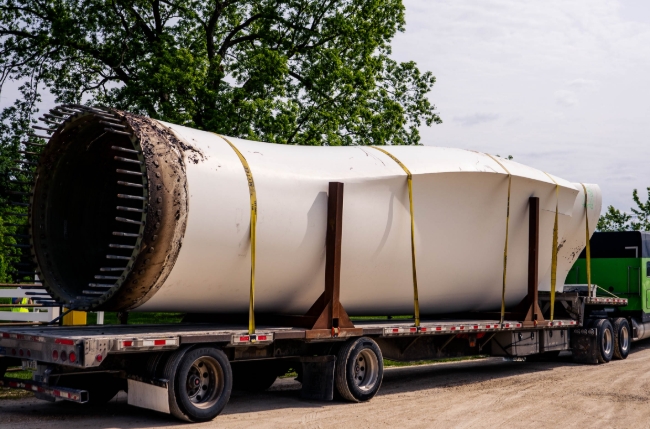
Old wind turbine blades present unique recycling challenges due to their complex material composition, primarily fiber-reinforced composite materials with thermoset polymer matrices. These materials were engineered for durability and performance rather than recyclability, creating strong, stable structures that resist separation into constituent components. The large physical size of blades, often exceeding 50 meters in length, further complicates transportation and processing, while varying material formulations across manufacturers and generations limit standardization in recycling approaches .
While landfilling has been a common disposal method for old wind turbine blades, this approach faces growing restrictions due to environmental concerns and policy developments. The composite materials in blades decompose extremely slowly, persisting in landfills for centuries and representing long-term waste management liabilities. Recognizing these issues, regulatory bodies in many regions are implementing restrictions on landfilling composite materials, while industry stakeholders increasingly recognize the environmental drawbacks of this disposal pathway .
The primary recycling methods for old wind turbine blades include mechanical recycling (grinding blades into smaller particles for use in construction materials and other applications), thermal processing (using high temperatures in oxygen-free environments to decompose the resin matrix and recover fibers), and chemical recycling (employing solvents to dissolve the resin and liberate fibers) . Among these, mechanical recycling currently represents the most established approach, while thermal and chemical methods offer potential for higher-value material recovery but face greater technical and economic barriers to widespread implementation.
Yes, various creative repurposing initiatives are giving old wind turbine blades second lives in applications ranging from civil engineering to public art. Documented projects have transformed blade sections into pedestrian bridges, playground structures, urban furniture, and architectural features. These repurposing approaches leverage the inherent structural properties and distinctive aesthetics of blades, extending their functional lifespan while reducing demand for new materials. While repurposing cannot absorb the massive volume of blades requiring management, it represents a valuable complementary approach that demonstrates circular economy principles in practice .
Policy frameworks for managing old wind turbine blades are evolving at multiple governance levels. In China, the National Development and Reform Commission has issued guidance promoting recycling of decommissioned renewable energy equipment, while regional authorities have developed specialized technical standards for blade recycling processes . These policy developments typically emphasize extended producer responsibility, establish technical requirements for recycling operations, and create incentives for developing recycling infrastructure and markets for recycled materials, collectively shaping a more regulated environment for blade disposal.


