
Views: 222 Author: Lake Publish Time: 2025-12-31 Origin: Site


Content Menu
● The Foundational Principle: Standard Precautions and Risk Assessment
● Scenarios Where Medical Gloves Are REQUIRED
>> 1. Drawing Up Medications from Multi-Dose Vials at the Patient's Bedside
>> 2. Preparing or Drawing Up Any Hazardous Drug (e.g., Chemotherapy, Antivirals)
>> 3. Drawing Up Medications for Immediate Parenteral Administration (IV, IM, SC)
>> 4. When the Healthcare Worker Has Non-Intact Skin
>> 5. When Required by Specific Institutional Policy
● Scenarios Where Medical Gloves Are NOT Routinely Required (But Hand Hygiene is Paramount)
>> 1. Drawing Up Medications in a Dedicated, Clean Preparation Area (e.g., Pharmacy)
>> 2. Preparing Oral or Enteral Medications from Unit-Dose Packages
● The Critical Interplay: Medical Gloves vs. Hand Hygiene
● Consequences of Inappropriate Practice
● Best Practice Recommendations
● Frequently Asked Questions (FAQ)
>> 1. Why wear gloves to draw up medication if I'm using alcohol wipes on the vial?
>> 2. What type of medical gloves are best for drawing up medications?
>> 3. Do I need to change gloves between drawing up medications for the same patient?
>> 4. Is it acceptable to wash and reuse disposable medical gloves for this task?
>> 5. Our policy doesn't specifically mention gloves for drawing up oral liquids. What should I do?
The preparation, or "drawing up," of medications is a fundamental yet critical step in the medication administration process, bridging the gap between the pharmacy and the patient. This act, whether performed at a nursing station, in a clinic, or at a patient's bedside, carries inherent risks of contamination, needlestick injury, and exposure to hazardous substances. A central question in standard practice is: Do you have to wear gloves when drawing up medications? The answer is nuanced, guided by stringent infection control standards, medication-specific hazards, and a fundamental commitment to patient and provider safety. The use of medical gloves during this preparatory phase is not merely a matter of routine but a strategic application of personal protective equipment (PPE) based on risk assessment. This article provides a comprehensive examination of the protocols, rationales, and scenarios that dictate the necessity of medical gloves when drawing up medications.
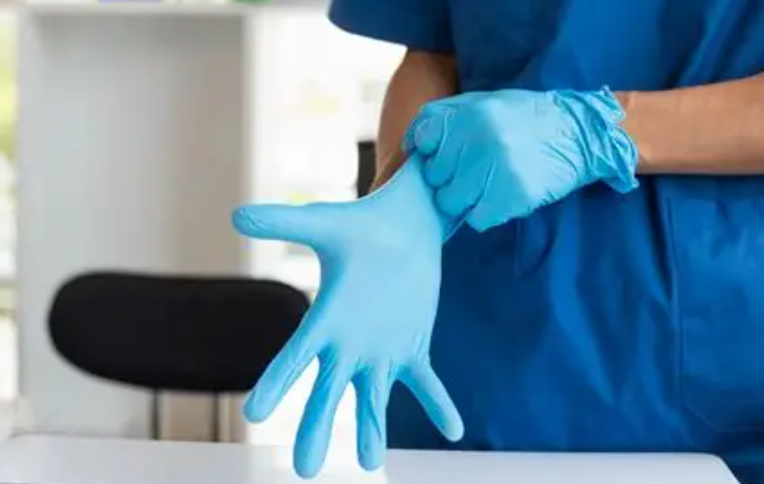
The overarching framework governing this practice is Standard Precautions, established by the Centers for Disease Control and Prevention (CDC). Standard Precautions dictate that PPE, including medical gloves, should be worn when there is a reasonable anticipation of exposure to blood, body fluids, secretions, excretions, or contaminated items.
Drawing up medication involves several potential exposure points:
1. Contact with the medication vial/ampule: Risk of contamination with blood or bodily fluids if the vial is multi-dose and has been previously accessed in a contaminated environment (e.g., at a patient's bedside).
2. Manipulation of needles and syringes: Risk of needlestick injury, which could expose the healthcare worker to the medication being drawn up (especially hazardous drugs) or to residual patient blood if reusing a syringe.
3. Direct contamination: Spills, sprays, or leaks during the drawing-up process.
Therefore, the decision to wear medical gloves hinges on a risk assessment of the specific drawing-up scenario.
In these situations, wearing medical gloves is a mandatory safety measure.
This is a high-risk scenario. A multi-dose vial accessed in a patient's room is considered potentially contaminated. Touching the vial's rubber stopper with bare hands after it has been exposed to the room environment (which may contain airborne pathogens or where the stopper may have been inadvertently touched with contaminated gloves) can introduce pathogens into the vial, leading to iatrogenic infection for subsequent patients. Medical gloves act as a barrier to prevent this contamination during the drawing-up process at the point of care.
This is governed by stringent standards such as USP <800>. Medical gloves tested for use with hazardous drugs (complying with ASTM D6978 or equivalent) are absolutely mandatory. These drugs pose risks of carcinogenicity, teratogenicity, or organ toxicity through skin absorption. Gloves protect the healthcare worker from spills, droplet exposure during needle venting, or surface contamination. This applies regardless of whether the drawing up occurs in a pharmacy hood or at a clinical station.
When the drawn medication is for immediate injection or IV push, the line between "drawing up" and "administering" blurs. The process is continuous. Given the associated risk of needlestick injury and potential blood contact during the subsequent administration phase, donning medical gloves at the start of the preparation is the safest and most consistent practice. It ensures the syringe and needle are not contaminated by bare hands before entering the patient's sterile space.
If the preparer has any cuts, abrasions, dermatitis, or other breaks in the skin on their hands, medical gloves must be worn for any medication preparation activity. This protects the worker from potential exposure and protects the medication and equipment from contamination with the worker's skin flora.
Many hospitals and clinics, in an effort to standardize practice, minimize risk, and simplify training, implement policies that require medical gloves for all medication preparation activities. In such cases, the institutional policy supersedes general guidelines and must be followed.
There are controlled environments where the risk assessment may not mandate medical gloves, provided rigorous aseptic non-touch technique (ANTT) is followed.
When a pharmacist or technician draws up medications in a controlled environment (like a laminar airflow hood), using single-dose vials or freshly opened ampules, and the process is entirely separated from patient contact, the primary focus is on aseptic technique. In this setting, meticulous hand hygiene (surgical hand scrub) is performed, and the focus is on not touching critical sites (needle tip, syringe plunger inside barrel, vial stopper). Medical gloves may be worn as an extra layer of assurance in pharmacy IV admixture, but the critical control is the technique and the controlled environment.
Drawing up liquid oral medication into an oral syringe from an unopened, unit-dose bottle is considered a "clean" task. The risk of exposure to body fluids or hazardous substances is negligible. The paramount requirement here is perfect hand hygiene before and after the task to prevent contamination of the syringe and medication cup.
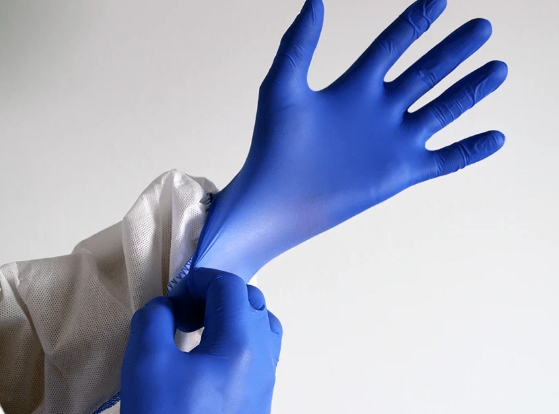
A vital and often misunderstood principle is that medical gloves complement but do not replace hand hygiene. The correct sequence is non-negotiable:
1. Perform Hand Hygiene: Wash hands with soap and water or use an alcohol-based hand rub.
2. Don Clean Medical Gloves (if indicated by the risk assessment).
3. Perform the Task (draw up the medication using aseptic technique).
4. Remove and Discard Gloves using proper technique to avoid self-contamination.
5. Perform Hand Hygiene immediately after glove removal.
Gloves can have microscopic defects, and hands can become sweaty and colonized with bacteria during glove use. Hand hygiene before protects the sterile field; hand hygiene after protects the healthcare worker.
- Glove Overuse: Wearing medical gloves unnecessarily for all tasks can lead to resource waste, increased costs, and environmental impact. It can also foster complacency, where the glove is seen as a substitute for hand hygiene.
- Glove Underuse: Failing to wear medical gloves when required risks:
- Healthcare Worker Exposure: To hazardous drugs or bloodborne pathogens via needlestick or splash.
- Patient Harm: Microbial contamination of multi-dose vials, leading to bloodstream infections.
- Medication Contamination: Introducing skin flora into sterile medications.
- Cross-Contamination: Using the same pair of medical gloves to draw up medication for multiple patients or touching contaminated surfaces (e.g., keyboard, phone) while wearing gloves meant for a sterile task is a serious breach of protocol.
Given the variability in scenarios, a risk-averse, patient-safety-first approach is prudent. A strong argument can be made for standardizing the use of medical gloves during any medication drawing-up activity that occurs in the clinical care environment (outside a pharmacy cleanroom). This simplifies decision-making, reduces errors, and provides a consistent barrier against the unpredictable—a dropped vial, a sudden splash, or an unexpected need to assist a colleague with a different task.
For non-hazardous, oral medication preparation from sealed units at a clean counter, impeccable hand hygiene may suffice. However, the moment the process involves a needle, a vial that will be used for multiple patients, or occurs near a patient, medical gloves should be the standard.
The question of whether to wear medical gloves when drawing up medications is answered through a careful lens of risk assessment, guided by Standard Precautions and specific drug hazards. While not universally mandated for every single instance in a perfectly controlled pharmacy setting, their use is essential when handling hazardous drugs, manipulating parenteral medications, working with multi-dose vials at the point of care, or when the preparer has compromised skin integrity.
In the dynamic and often unpredictable clinical environment, erring on the side of caution by wearing medical gloves during medication preparation is a defensible and safety-enhancing practice. It serves as a critical barrier in the chain of medication safety, protecting the healthcare worker from exposure and the patient from contamination. Ultimately, this practice must be seamlessly integrated with the cornerstone of infection control: meticulous hand hygiene. Together, they form an indispensable duo in ensuring that the act of preparing a medication—a foundational step in healing—does not itself become a vector for harm.
Alcohol wipes disinfect the vial's rubber stopper but do not create a sterile field on your hands. Your fingers harbor microorganisms that can be transferred to the stopper immediately after wiping, or to the needle and syringe during manipulation. Medical gloves provide a continuous barrier, preventing this contamination. The alcohol wipe and the glove are complementary, not alternative, steps in aseptic technique.
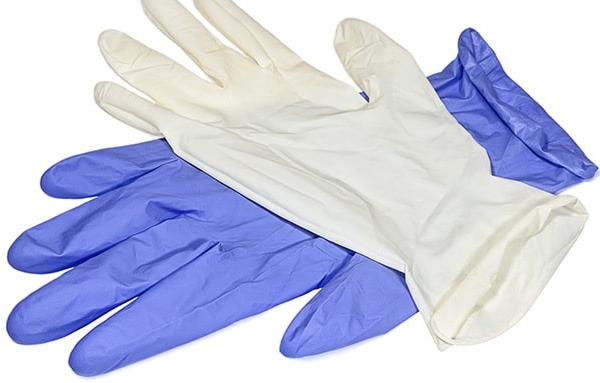
For general parenteral medication preparation, non-sterile, examination-grade nitrile gloves are commonly used. Nitrile is preferred over latex due to lower allergy risk and good chemical resistance. For preparing hazardous drugs (e.g., chemotherapy), you must use gloves that are specifically tested and certified for use with hazardous drugs (often meeting ASTM D6978). These are thicker and offer permeation resistance. Sterile gloves are typically reserved for surgical procedures or central line access, not routine medication drawing.
It depends on the task and contamination risk. If you are drawing up multiple compatible IV medications from single-use vials using the same syringe technique, you may not need to change gloves if your aseptic technique is maintained and the gloves do not become contaminated. However, if you touch a potentially contaminated surface (e.g., the patient's bed, your own clothing) or move from a "dirty" to a "clean" task, you must change gloves. The principle is to prevent transferring contaminants to sterile medication supplies.
Absolutely not. Disposable medical gloves are designed for single use. Washing them degrades the material, compromises integrity, and can cause microscopic tears. It also does not reliably remove all contaminants. Reusing gloves blatantly violates infection control principles and dramatically increases the risk of cross-contamination and exposure. Always use a new pair for each medication preparation session or after any potential contamination.
In the absence of a specific policy, you must apply Standard Precautions. For drawing up oral liquids from a multi-dose bottle (e.g., a large bottle of morphine solution), if the bottle's exterior or cap could be contaminated from the clinical environment, wearing medical gloves is a prudent infection control measure. For sealed, unit-dose oral syringes, hand hygiene is likely sufficient. When in doubt, especially in a patient care area, opting to wear gloves demonstrates a commitment to a conservative safety standard. Advocate for a clear, written policy to standardize practice.


