
Views: 222 Author: Lake Publish Time: 2025-12-29 Origin: Site


Content Menu
● The Guiding Framework: Standard Precautions
● Scenarios Where Medical Gloves Are REQUIRED
>> 1. Contact with Blood or Body Fluids:
>> 2. Handling Hazardous Drugs (e.g., Chemotherapy):
● Scenarios Where Medical Gloves Are Typically NOT REQUIRED
>> 1. Administering Oral Medications:
>> 2. Applying Topical Medications to Intact Skin:
>> 3. Administering Eye Drops or Ear Drops (with caution):
>> 4. Routine Aerosolized Medications (Nebulizers):
● The Critical Interplay: Hand Hygiene and Medical Gloves
● Risks of Inappropriate Glove Use
● Institutional Policy and Clinical Judgment
● Frequently Asked Questions (FAQ)
>> 1. If I'm just giving a patient a pill in a cup, why wouldn't I wear gloves just to be safe?
>> 2. Are there specific types of medical gloves recommended for medication administration?
>> 3. What should I do if I have a cut or open wound on my hand?
>> 4. Do I need to change gloves between administering different medications to the same patient?
>> 5. Is it acceptable to sanitize gloves with alcohol hand rub instead of changing them?
The administration of medication is a core, daily task across healthcare settings, carrying with it the dual responsibility of therapeutic efficacy and absolute safety. A recurring and sometimes ambiguous question in this process is: Do you have to wear gloves when administering medication? The answer is not a simple yes or no but is governed by a nuanced framework of infection control principles, medication type, route of administration, and patient-specific factors. The use of medical gloves in this context is a critical component of Standard Precautions, designed to protect both the healthcare worker and the patient. This article provides a comprehensive analysis of the guidelines, clinical scenarios, and rationales that dictate when medical gloves are mandatory, recommended, or unnecessary during medication administration.
For professionals in any clinical role—from nurses and physicians to pharmacists and aides—understanding this protocol is essential for compliance, patient safety, and professional practice. The decision balances the risk of exposure to hazardous substances with the principles of appropriate glove use and effective hand hygiene.
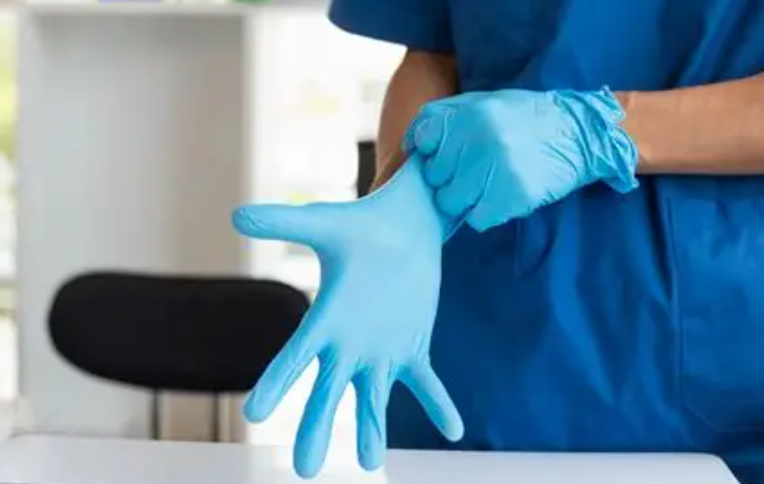
The foundation for all decisions regarding personal protective equipment (PPE), including medical gloves, is Standard Precautions. Established by the Centers for Disease Control and Prevention (CDC), Standard Precautions assume that all blood, body fluids, secretions, excretions (except sweat), non-intact skin, and mucous membranes may contain transmissible infectious agents.
The key principle relevant to medication administration is: Wear gloves when anticipating contact with blood, body fluids, secretions, excretions, or contaminated items. Therefore, the necessity of medical gloves is determined by the anticipated exposure risk during the specific act of administering a particular medication via a specific route.
In these situations, wearing medical gloves is non-negotiable for healthcare worker protection.
- Administering Intravenous (IV) Medications: This includes:
- Accessing an IV port or heparin lock.
- Connecting/disconnecting IV tubing.
- Any procedure where there is a reasonable likelihood of contact with blood (e.g., if blood backflows into the IV line, during IV push administration).
- Injections (Intramuscular, Subcutaneous, Intradermal): There is a recognized risk of needlestick injury and potential blood exposure. Medical gloves provide a barrier, and while they cannot prevent a penetrating injury, they can reduce the volume of blood exposure in the event of a puncture.
- Handling Medications for Topical Application on Non-Intact Skin or Open Wounds: Applying creams, ointments, or gels to ulcers, surgical sites, burns, or rashes with broken skin.
- Administration of Medications via Enteral Tubes: When there is a risk of contact with gastric secretions or bodily fluids while handling the tube or syringe.
This is a special category governed by stricter protocols (USP <800>). Medical gloves (specifically chemotherapy-rated gloves tested for permeability) are mandatory for any activity involving the handling, preparation, or administration of hazardous drugs, regardless of the route, to protect the clinician from potential carcinogenic, teratogenic, or toxic effects.
When a patient is on Contact Precautions (e.g., for MRSA, C. difficile, RSV), medical gloves (along with a gown) must be worn for all aspects of patient care that involve contact with the patient or their immediate environment, including administering any medication at the bedside.
For many routine, "clean" medication administrations where no exposure to body fluids or non-intact skin is anticipated, medical gloves are not mandated by Standard Precautions.
- Handling unit-dose packaged pills or capsules.
- Pouring liquid oral medication into a medicine cup.
- Placing medication in a patient's hand or directly in their mouth.
In these cases, the medication and the surfaces touched are considered "clean." The focus should be on meticulous hand hygiene before and after the task.
Applying patches, creams, or lotions to large areas of healthy, intact skin (e.g., applying a nitroglycerin patch to the chest, hormone cream to the arm).
If the clinician can perform the administration without contacting the ocular/nasal secretions or the patient's skin surfaces (which may be contaminated), gloves may not be necessary. However, for uncooperative patients or if contact is likely, gloves are recommended.
Setting up the nebulizer machine with medication is a clean procedure. However, if handling a used nebulizer cup or mask that may be contaminated with respiratory secretions, gloves should be worn.

A paramount principle often misunderstood is that medical gloves are not a substitute for hand hygiene. The protocol is sequential and non-negotiable:
1. Perform Hand Hygiene (with alcohol-based hand rub or soap and water).
2. Don clean medical gloves (if indicated by the risk assessment).
3. Perform the task (administer medication).
4. Remove gloves carefully using proper technique to avoid self-contamination.
5. Perform Hand Hygiene immediately after glove removal.
Gloves can have microscopic defects and become contaminated during use. Hands can become colonized with bacteria during glove wear due to perspiration. Hand hygiene before donning protects the patient; hand hygiene after doffing protects the healthcare worker and prevents the spread of organisms to the next patient or surface.
Improper use of medical gloves carries its own risks:
- Cross-Contamination: Wearing the same pair of medical gloves while moving between tasks or patients is a major vector for spreading pathogens. Gloves are task-specific and must be changed between patients and between clean and dirty tasks on the same patient.
- False Sense of Security: This can lead to neglect of hand hygiene.
- Environmental Impact and Cost: Unnecessary glove use generates waste and incurs avoidable expense.
- Skin Damage for Healthcare Workers: Prolonged, unnecessary glove wear can cause maceration, dryness, and dermatitis, which can ironically increase the risk of bacterial colonization and transmission if skin integrity is compromised.
While Standard Precautions provide the framework, individual healthcare facility policies are definitive. These policies may be more conservative, sometimes mandating gloves for all medication administration for consistency and simplicity in training and compliance. The clinician must know and follow their employer's policy.
Furthermore, clinical judgment is always required. Even in a typically "clean" scenario, if the patient is diaphoretic, has uncontrolled secretions, or the environment is visibly soiled, donning medical gloves becomes a prudent choice.
The requirement to wear medical gloves when administering medication is a dynamic decision based on a risk assessment rooted in Standard Precautions. Medical gloves are unequivocally required when there is anticipated contact with blood, body fluids, non-intact skin, mucous membranes, or hazardous drugs. For routine administrations involving oral medications or intact skin, the emphasis rightly shifts to flawless hand hygiene rather than automatic glove use.
The ultimate goal is a dual defense: protecting the healthcare worker from exposure to harmful substances and protecting the patient from healthcare-associated infections. This is achieved not by the reflexive use of gloves for every task, but by the intelligent application of infection control principles—knowing when medical gloves are a necessary barrier and when clean, sanitized hands are the safest tool. In the intricate dance of medication safety, medical gloves play a specific, vital part, but they are always partnered with the timeless, essential practice of proper hand hygiene.
The concept of "just to be safe" must be balanced with evidence-based practice. For handling clean, dry oral medications, the risk of transmitting infection via your clean hands (after proper hand hygiene) is extremely low. Unnecessary glove use can lead to cross-contamination if you touch other surfaces (like the door knob, chart, or another patient) with the same gloves. It also fosters a false sense of security, potentially leading to skipped hand hygiene. The safest sequence is clean hands → deliver pill → hand hygiene.
Yes, the type should match the task. For routine non-hazardous injections or IV work, non-sterile, examination-grade nitrile or latex gloves are standard. For accessing a central venous catheter under sterile conditions (e.g., changing a dressing), sterile gloves are required. For handling or administering chemotherapy or other hazardous drugs, you must use gloves that are tested and certified for use with hazardous drugs (often meeting ASTM D6978 or similar standards), as standard exam gloves may be permeable to these agents.
If you have non-intact skin (a cut, abrasion, or dermatitis) on your hands, you must wear medical gloves for any direct patient care activity, including medication administration, regardless of the route. This is a core principle of Standard Precautions to protect both you (from infection) and the patient (from your skin flora). The glove acts as an essential barrier.
You need to perform a task-based risk assessment. If you are administering a series of clean oral medications, you can typically use the same gloves if your hands remain clean. However, if you perform a "dirty" task (e.g., handling a soiled tissue, touching a wound) and then need to administer medication, you must change gloves to prevent transferring contaminants to the medication or administration equipment. The rule is: change gloves when moving from a contaminated body site to a clean body site or task.
No, this is not an acceptable or effective practice. Alcohol-based hand rub (ABHR) is designed for use on skin. It can degrade the material of medical gloves (especially latex), compromising their integrity and increasing permeability. It also does not effectively remove all contaminants from the glove surface. The correct practice is to remove the used gloves, perform hand hygiene, and don a new pair of clean gloves for the next task or patient.
[1] https://www.cdc.gov/infectioncontrol/guidelines/isolation/index.html
[2] https://www.cdc.gov/handhygiene/providers/index.html
[3] https://www.who.int/publications/i/item/9789241597906
[4] https://www.osha.gov/laws-regs/regulations/standardnumber/1910/1910.1030
[5] https://www.usp.org/compounding/general-chapter-800
[6] https://www.cdc.gov/infectioncontrol/guidelines/environmental/index.html
[7] https://www.fda.gov/medical-devices/personal-protective-equipment-infection-control/medical-gloves
[8] https://www.jointcommission.org/standards/standard-faqs/hospital-and-hospital-clinics/infection-prevention-and-control-ic/000001668/
[9] https://www.ncbi.nlm.nih.gov/books/NBK144041/


