


Content Menu
● The Science Behind Medical Glove Expiration
● Factors Influencing the Shelf Life of Medical Gloves
● Risks and Consequences of Using Expired Medical Gloves
● Best Practices for Storage and Inventory Management
>> 1. What is the typical shelf life for medical gloves?
>> 2. Can I use medical gloves after the expiration date in a non-medical setting?
>> 3. How can I tell if my medical gloves have expired?
>> 4. Do storage conditions really affect the expiration date?
>> 5. What should I do with a box of expired medical gloves?
In the highly regulated and critical field of medical care, the integrity of every single item used in patient procedures is paramount. Among these essential items, medical gloves stand as a first line of defense, protecting both healthcare providers and patients from cross-contamination and infection. A question that often arises in both clinical and procurement settings is: Do medical gloves expire? The unequivocal answer is yes. Like many medical products, medical gloves have a finite shelf life, and using them beyond this period can compromise their protective barrier, leading to potential safety failures. Understanding the expiration of medical gloves is not merely a matter of inventory management; it is a crucial component of infection control protocols and patient safety initiatives.
The expiration date on a box of medical gloves is not an arbitrary number. It is a scientifically determined endpoint that signifies the period during which the gloves are guaranteed to meet the performance standards set by regulatory bodies. These standards encompass key physical properties such as tensile strength, elongation, and, most importantly, barrier integrity. The polymers that constitute medical gloves—whether latex, nitrile, or vinyl—are subject to environmental degradation over time. Factors such as exposure to oxygen, ultraviolet light, extreme temperatures, and ozone can initiate chemical processes that weaken the material. For a company operating in the medical visualization sector, where the sterility and reliability of devices like endoscopy systems and disposable ureteroscopes are non-negotiable, the principle is the same: material integrity is foundational to safety and performance.
This article provides a comprehensive examination of why medical gloves expire. We will delve into the science behind material degradation, the rigorous testing methods used to establish shelf life, and the very real risks associated with using expired medical gloves. Furthermore, we will outline best practices for storage, rotation, and disposal to ensure that the medical gloves used in your facility provide the uncompromised protection upon which safe medical practice depends. This knowledge is vital for anyone involved in the healthcare supply chain, from clinicians and infection control practitioners to procurement specialists and OEM partners who value quality and safety.
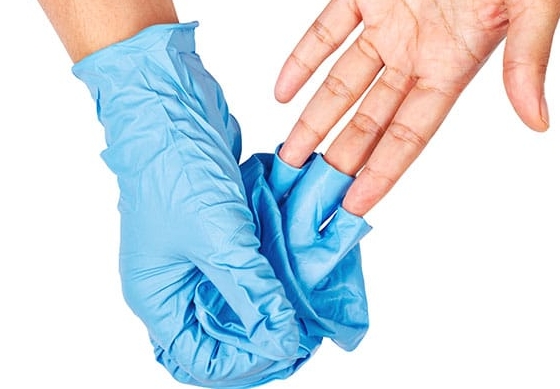
To comprehend why medical gloves carry an expiration date, one must first understand their material composition and the chemical processes that lead to their degradation. The majority of medical gloves are made from one of three primary polymers: natural rubber latex, synthetic nitrile (acrylonitrile-butadiene rubber), or polyvinyl chloride (vinyl). Each of these materials is a complex compound, incorporating not only the base polymer but also various additives designed to enhance performance. These additives include accelerators to aid vulcanization, antioxidants to prevent oxidation, and plasticizers to provide flexibility. It is the slow but inevitable breakdown of these chemical bonds and components over time that defines the shelf life of medical gloves.
The most common culprit behind the degradation of medical gloves is oxidation. When the polymer chains in the glove material are exposed to oxygen in the air, a chemical reaction occurs that can break down the long, flexible chains, making the material brittle and weak. This process is significantly accelerated by heat, light (particularly UV light), and ozone. For instance, latex medical gloves are particularly susceptible to ozone cracking, which can create microscopic tears and pinholes even before any visible damage appears. Similarly, the plasticizers in vinyl medical gloves can migrate to the surface over time or volatilize, causing the gloves to become stiff and less pliable. Nitrile medical gloves, while generally more resistant to oxidation and ozone than latex, can still undergo a loss of elasticity and become prone to cracking after their expiration date has passed.
This material degradation directly translates to a failure in performance. The expiration date marked on the box of medical gloves is the manufacturer's guarantee that, until that date, the gloves will meet the minimum performance standards for physical dimensions, tensile strength, and ultimate elongation as per standards like ASTM D3578 for latex or ASTM D6319 for nitrile. These standards are not trivial; they ensure the gloves can stretch sufficiently without tearing during donning or use and provide a reliable barrier against pathogens. Once the chemical processes of degradation set in past this date, the physical properties of the medical gloves deteriorate, and the risk of a compromised barrier increases exponentially, rendering them unsafe for their intended medical purpose.
The shelf life of medical gloves is not a one-size-fits-all figure. While manufacturers typically assign a shelf life of three to five years from the date of manufacture, this timeframe is a prediction based on ideal storage conditions. The actual longevity of a specific box of medical gloves is highly dependent on a combination of factors, including the glove material, manufacturing quality, and, most critically, the storage environment to which they are subjected.
Material Type is a primary factor. As discussed, different materials have varying resistances to environmental stressors:
- Nitrile Gloves: Generally boast the longest shelf life among common medical gloves, often rated at five years. Nitrile is a synthetic rubber with inherent resistance to oils, chemicals, and ozone degradation.
- Latex Gloves: Typically have a shorter shelf life, usually around three years. Natural rubber latex is more vulnerable to oxidation and ozone attack, which can lead to the formation of cracks and a sticky surface residue over time.
- Vinyl Gloves: Also typically have a shelf life of around three years. The primary degradation mechanism for vinyl medical gloves is the loss of plasticizers, which causes the material to harden and become brittle.
Beyond material, Storage Conditions are the most critical variable determining whether medical gloves will remain effective until their printed expiration date. The key enemies of glove integrity are:
- Temperature: Medical gloves should be stored in a cool, dry environment. The ideal temperature range is typically between 50°F and 86°F (10°C and 30°C). Storing gloves in areas prone to high heat, such as near radiators, in direct sunlight, or in non-climate-controlled warehouses, dramatically accelerates the chemical reactions of degradation, effectively reducing their functional shelf life.
- Light Exposure: Prolonged exposure to direct sunlight or even strong artificial light, particularly its ultraviolet (UV) component, provides energy that catalyzes oxidative degradation. Medical gloves should always be stored in their original, often opaque, boxes away from direct light sources.
- Ozone and Oxidizing Agents: Ozone is a powerful oxidizing agent that can rapidly deteriorate elastomers. Sources of ozone include electrical equipment like photocopiers, electric motors, and ultraviolet lights. Storing medical gloves near such equipment should be strictly avoided.
- Humidity: While less directly damaging than heat or ozone, high humidity can promote the growth of mold and mildew on the packaging and, in the case of powdered gloves, can cause the powder to clump.
Finally, the initial Manufacturing Quality plays a role. The specific formulation of the polymer, the quality of the raw materials, and the consistency of the manufacturing process all influence the inherent stability and longevity of the final product. Reputable manufacturers conduct rigorous accelerated aging studies to validate their assigned shelf life, providing a higher degree of confidence in the expiration date.
The use of expired medical gloves introduces significant and unacceptable risks into the clinical environment. The primary function of medical gloves is to act as a barrier, and this is the very property that is compromised after the expiration date. The consequences of this failure can be severe, impacting both patient and healthcare worker safety, and exposing healthcare facilities to legal and financial liabilities.
The most direct risk is the Compromise of Barrier Integrity. As medical gloves degrade, they become brittle and lose their elasticity. This leads to a dramatically increased likelihood of rips, tears, and the development of micro-perforations that are invisible to the naked eye. A study published in the *Journal of Hospital Infection* found that the rate of micro-perforations in surgical gloves increases significantly with time, even within the shelf life. This risk is magnified exponentially with expired medical gloves. These microscopic breaches create a direct pathway for the transmission of bloodborne pathogens (such as HIV, Hepatitis B, and Hepatitis C) and other infectious agents between the healthcare worker's hands and the patient's sterile field or body fluids. This not only places the patient at risk for surgical site infections or cross-contamination but also exposes the healthcare worker to potentially life-threatening occupational hazards.
Beyond the failure of physical protection, expired medical gloves can also pose a Chemical Hazard. The chemical additives that were once stable within the polymer matrix can break down and migrate to the surface of the expired medical gloves. For the wearer, this can lead to an increased incidence of contact dermatitis and skin reactions. For the patient, especially in sensitive procedures like surgery or wound care, these leached chemicals could potentially cause localized skin irritation or allergic reactions. This is particularly concerning with expired latex medical gloves, where the breakdown of proteins can increase the risk of allergic responses.
Furthermore, the use of expired medical gloves carries serious Regulatory and Legal Implications. In most countries, medical gloves are regulated as medical devices (e.g., by the FDA in the United States or under the EU MDR). Using them beyond their expiration date is a direct violation of manufacturer instructions and regulatory requirements. During an audit or inspection by bodies like The Joint Commission or health departments, the discovery of expired medical gloves in clinical areas can result in citations, fines, and a loss of accreditation. In the event of an infection control incident linked to the use of expired medical gloves, the healthcare facility would face immense legal liability and reputational damage that could undermine public trust. The cost of replacing expired stock is negligible compared to the human and financial costs of a single avoidable adverse event.

Preventing the use of expired medical gloves requires a proactive and systematic approach to storage and inventory management. Implementing robust protocols is not merely a logistical task but a fundamental aspect of a facility's infection control and patient safety program. Adherence to these best practices ensures that the integrity of medical gloves is preserved until the moment of use.
Proper Storage Conditions are the first and most critical line of defense. As outlined previously, the environment must be controlled to slow the degradation process. Medical gloves should be stored in a dedicated, climate-controlled storeroom where temperature and humidity are consistently monitored. They must be kept away from direct sunlight, heat sources, windows, and ozone-generating equipment. The boxes should be stored on pallets or shelves, not directly on the floor, to protect them from moisture and physical damage. It is also crucial to avoid storing chemicals or volatile solvents in the same area as medical gloves, as these vapors can accelerate material breakdown.
Implementing a First-Expired, First-Out (FEFO) Inventory System is essential for effective rotation. This system ensures that boxes of medical gloves with the earliest expiration dates are used before those with later dates. This is more reliable than a simple First-In, First-Out (FIFO) system, as it accounts for batches that may have been received at the same time but have different expiration dates. To support FEFO, clear labeling is key. Upon receipt of a new shipment, staff should clearly mark the expiration date on the outside of each box if it is not already prominently displayed. Shelves in the storeroom and in clinical areas should be organized with the oldest stock in the front and the newest in the back.
Regular Audits and Disposal form the final pillar of an effective management system. A designated individual or team should be responsible for conducting regular audits of all storage areas, including central supply and smaller satellite storage closets in clinical units. Any boxes of medical gloves that are found to be past their expiration date must be immediately removed from clinical areas. The disposal process should be clear: expired medical gloves are considered medical waste and should be disposed of according to the facility's regulated medical waste policy. They should never be donated for non-medical use, as their integrity is compromised and they cannot be guaranteed to provide adequate protection in any setting. By integrating these practices—proper storage, FEFO rotation, and regular audits—healthcare facilities can create a closed-loop system that safeguards the quality of their medical gloves and, by extension, the safety of their patients and staff.
The question of whether medical gloves expire is answered with a resounding and scientifically grounded "yes." The expiration date on a box of medical gloves is a critical data point, signifying the end of the period during which the manufacturer can guarantee the product's performance and integrity. The degradation of the glove material—be it latex, nitrile, or vinyl—is an inevitable chemical process that leads to reduced elasticity, increased brittleness, and a heightened risk of tears and micro-perforations. Using expired medical gloves fundamentally undermines their primary purpose: to serve as a reliable barrier against infection. This practice introduces unacceptable risks for both patients and healthcare workers, including exposure to bloodborne pathogens, chemical irritation, and significant regulatory non-compliance.
For any organization committed to the highest standards of patient care and safety, respecting the shelf life of medical gloves is non-negotiable. It requires a conscientious effort encompassing proper storage in cool, dark, and dry conditions, a disciplined First-Expired, First-Out inventory system, and routine audits to remove and properly dispose of expired products. In the broader context of medical device reliability, the principle is consistent. Just as one would not use a compromised disposable ureteroscope or a faulty bronchoscopy workstation, using expired medical gloves introduces a known and preventable variable of failure into clinical practice. Ultimately, vigilance over the condition and expiration of fundamental protective equipment like medical gloves is a direct reflection of an institution's unwavering commitment to safety and quality in every aspect of patient care.
The typical shelf life for medical gloves varies by material. Nitrile medical gloves generally have the longest shelf life, often up to five years from the date of manufacture. Latex and vinyl medical gloves typically have a shelf life of three years. However, this is highly dependent on the manufacturer and, most importantly, on the storage conditions the gloves are subjected to.
It is strongly discouraged. While the risks may be perceived as lower in a non-medical setting (e.g., for cleaning or crafting), the fundamental issue remains: the integrity of the expired medical gloves is compromised. They are more likely to tear, offering poor protection against chemicals, dirt, or other materials. It is safer and more reliable to use gloves intended for general use that are within their shelf life.
The primary way to tell is by checking the manufacturer's printed expiration date on the box. If the date has passed, the gloves are expired. Visually, you might also notice signs of degradation in expired medical gloves, such as discoloration, a sticky or tacky feel, brittleness, or a powdery residue. However, the absence of visible signs does not mean the gloves are safe, as micro-perforations are invisible.
Absolutely. Storage conditions are arguably the most critical factor in determining the real-world shelf life of medical gloves. Exposure to high temperatures, direct sunlight, ozone, or humidity can dramatically accelerate the degradation process, causing medical gloves to fail well before their printed expiration date. Proper storage is essential to ensure they last until that date.
Expired medical gloves should be immediately removed from clinical use and disposed of properly. They should be considered potentially compromised and classified as medical waste according to your facility's protocols. Do not donate them or use them for any other purpose, as they cannot be trusted to provide an effective barrier.


