
Views: 222 Author: Lake Publish Time: 2026-01-11 Origin: Site


Content Menu
● Introduction: The Procedure and Its Purpose
● Understanding Inflammation: A Physiological Response
● Potential Mechanisms by Which a Laryngoscope Could Cause Inflammation
>> 1. Mechanical Trauma and Micro-abrasions
>> 2. Reaction to Topical Anesthetics or Lubricants
>> 3. Material Biocompatibility and Chemical Residues
>> 4. Introduction of Microorganisms (Infection-Induced Inflammation)
>> 5. Patient-Specific Factors and Preexisting Conditions
● Contrast with Therapeutic Laryngoscopy
● The Role of Technology and Manufacturers in Minimizing Risk
● Clinical Evidence and Incidence
● Frequently Asked Questions (FAQ)
>> 1. Is it normal to have a sore throat after a laryngoscopy?
>> 2. Can a laryngoscope spread infection?
>> 3. What are the signs of a serious reaction or injury from a laryngoscope?
>> 4. How do disposable laryngoscopes reduce the risk of inflammation?
>> 5. Should I stop my medications before a laryngoscopy?
In the sophisticated world of otolaryngology and airway management, the laryngoscope is an indispensable diagnostic tool, allowing clinicians to visualize the larynx and surrounding structures with clarity. Our commitment is to illuminate anatomy safely and effectively. A critical question that arises from both clinicians and patients is whether the use of an ENT laryngoscope—a procedure known as laryngoscopy—can itself cause inflammation. This article provides a comprehensive, evidence-based analysis of the potential for a laryngoscope to induce inflammatory responses, detailing the mechanisms, risk factors, and best practices to minimize any adverse effects, thereby ensuring patient safety and procedural integrity.

An ENT laryngoscope (often a flexible nasolaryngoscope or a rigid telescopic laryngoscope) is used by Ear, Nose, and Throat (ENT) specialists for diagnostic evaluation. It is typically an outpatient procedure performed to investigate symptoms such as hoarseness, chronic cough, throat pain, swallowing difficulties, or airway obstruction. The scope is gently passed through the nose (flexible) or mouth (rigid) to visualize the pharynx, larynx, and vocal cords. While minimally invasive, any instrumentation of the delicate mucosal linings of the upper airway carries a theoretical risk of provoking a localized tissue response.
Inflammation is the body's complex biological response to harmful stimuli, such as pathogens, damaged cells, or irritants. It is characterized by redness, swelling, heat, pain, and sometimes loss of function. In the context of laryngoscopy, inflammation would be a localized reaction in the nasal passages, pharynx, or larynx to the physical presence of the scope or associated materials.
The risk is generally low with modern, well-performed procedures, but several mechanisms exist:
This is the most common potential cause. The laryngoscope, even when expertly maneuvered, can cause minor friction against the sensitive nasal turbinates, pharyngeal wall, or vocal cords.
- Inflammatory Pathway: Physical irritation can disrupt the mucosal epithelium, triggering the release of inflammatory mediators (e.g., histamine, prostaglandins). This can lead to localized edema (swelling), erythema (redness), and discomfort. In sensitive individuals or with less gentle technique, this can manifest as post-procedure sore throat, nasal congestion, or a feeling of rawness.
- Mitigation: Use of the smallest diameter scope appropriate for the examination, generous application of topical anesthetic and lubricating gels, and slow, careful advancement by an experienced clinician.
Prior to the procedure, topical anesthetics (e.g., lidocaine spray) and lubricating jellies are routinely used to numb the pathway and reduce discomfort.
- Inflammatory Pathway: Some patients may have hypersensitivity or allergic reactions to components of these agents (e.g., preservatives like parabens, or the anesthetic itself). This can cause contact inflammation, ranging from mild irritation and swelling to, in rare cases, more severe allergic responses.
- Mitigation: Taking a careful patient allergy history and using preservative-free or alternative agents when known sensitivities exist.
The laryngoscope itself must be made of biocompatible materials. For reusable scopes, the reprocessing chemicals are a greater concern.
- Scope Material: Modern laryngoscope sheaths are made from medical-grade plastics and metals designed to be inert. However, low-quality or damaged devices could theoretically leach compounds or have rough surfaces.
- Reprocessing Residues: Inadequate rinsing after high-level disinfection (e.g., with glutaraldehyde or peracetic acid used for reusable flexible laryngoscopes) can leave chemical residues on the scope. When introduced to the mucosa, these potent disinfectants can cause significant chemical inflammation, burns, or even laryngospasm.
- Mitigation: Sourcing devices from reputable laryngoscope manufacturers who adhere to strict biocompatibility standards (ISO 10993) and implementing rigorous, validated reprocessing protocols with final rinse water quality checks. This is a major driver behind the shift towards disposable laryngoscope sheaths or entire video laryngoscope units in many settings.
While laryngoscopy is not a sterile procedure, it must be a clean one. The scope should be free of pathogenic organisms.
- Inflammatory Pathway: If a scope is contaminated with bacteria, viruses, or fungi due to inadequate cleaning/disinfection, it can introduce these pathogens, leading to an infectious process (e.g., sinusitis, pharyngitis, laryngitis). The body's immune response to this infection causes inflammation.
- Mitigation: Strict adherence to infection control protocols. The use of single-use, disposable laryngoscope blades for direct laryngoscopy or disposable sterile sheaths for flexible scopes virtually eliminates this risk and is a growing standard of care.
Some patients are predisposed to inflammatory responses.
- Examples: Patients with chronic inflammatory conditions (e.g., asthma, allergic rhinitis, laryngopharyngeal reflux), reactive airways, or anatomical narrowings are more susceptible to post-procedural swelling and irritation.
- Mitigation: Thorough pre-procedure assessment, optimal medical management of underlying conditions (e.g., controlling reflux prior to scope), and even the use of topical or systemic corticosteroids in select high-risk cases to prophylactically reduce inflammation.

It is important to distinguish diagnostic laryngoscopy from therapeutic or operative laryngoscopy, which is performed in an operating room under general anesthesia using larger, rigid laryngoscope systems (like those sometimes integrated with bronchoscopy workstations). These procedures, which may involve biopsy, laser therapy, or microsurgery, are intentionally invasive and cause controlled inflammation as part of the healing process. Post-operative edema and pain are expected and managed accordingly.
Advancements led by laryngoscope manufacturers are key to reducing inflammatory risks:
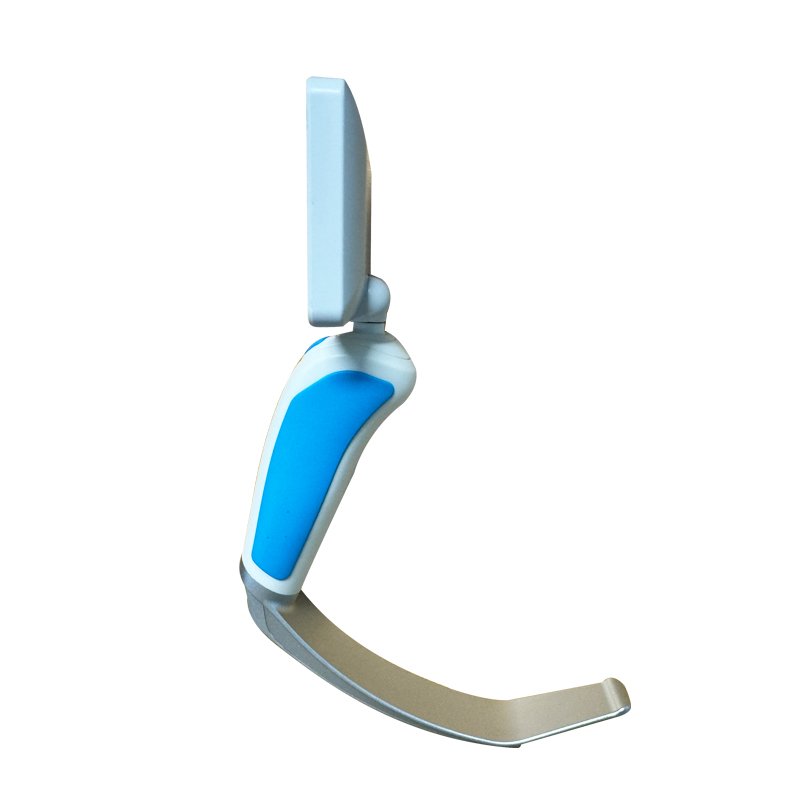
- High-Definition Video Laryngoscopes: Modern video laryngoscope systems provide superb illumination and magnification on a screen. This allows the clinician to navigate more confidently and with less physical contact against tissues, minimizing traumatic irritation.
- Disposable Design: The rise of disposable laryngoscope blades and sheaths ensures perfect material integrity, eliminates reprocessing chemical risks, and guarantees sterility for each patient. This directly addresses the leading causes of chemical and infectious inflammation.
- Ergonomic and Smaller Diameter Scopes: Ongoing innovation focuses on creating flexible laryngoscopes with ever-smaller distal diameters and improved articulation for easier, less traumatic passage.
- Integrated Medical Image Processors: Systems that allow recording and detailed review on a high-resolution screen mean the procedure can often be completed more swiftly and with fewer repeated movements, reducing mucosal contact time.
Large-scale studies suggest that significant inflammation from a standard diagnostic ENT laryngoscope is uncommon. The most frequent complaints are transient throat discomfort or mild nasal irritation, which typically resolve within 24-48 hours without intervention. Cases of severe chemical inflammation due to disinfectant residue or significant traumatic injury are considered adverse events and are reportable to regulatory bodies; they highlight critical failures in device reprocessing or technique.
While the primary purpose of an ENT laryngoscope is diagnostic, its use can, under specific circumstances, cause localized inflammation. The mechanisms are primarily mechanical trauma, reactions to ancillary agents, chemical residues from reprocessing, or introduced infection. However, with contemporary practice—employing devices from reputable laryngoscope manufacturers, utilizing topical anesthetics judiciously, adhering to stringent infection control protocols (increasingly via disposable options), and applying gentle technique—the risk of clinically significant inflammation is very low. The benefits of accurate diagnosis far outweigh these minimal risks. For the medical community, continuous focus on technological improvement, such as the development of less traumatic video laryngoscope systems and the adoption of single-use devices, remains the most effective strategy to further mitigate this potential and uphold the highest standard of patient care in laryngeal visualization.
Yes, it is a common and usually temporary side effect. Mild throat discomfort or a feeling of rawneness can occur for 24-48 hours after the procedure due to minor mechanical irritation from the laryngoscope passing over the pharynx and touching the epiglottis or vocal cords. This is a mild inflammatory response. Drinking cool fluids and using throat lozenges typically provide relief. Severe or prolonged pain should be reported to your physician.
It can if the device is not properly cleaned and disinfected between patients. This is a critical infection control issue. Pathogens can be transmitted from one patient to another via a contaminated laryngoscope. To eliminate this risk, many clinics now use disposable laryngoscope sheaths that cover the flexible scope or single-use video laryngoscope blades, ensuring each patient is examined with a sterile barrier.
While rare, seek immediate medical attention if you experience after a laryngoscopy:
- Severe or worsening pain in the throat, neck, or chest.
- Difficulty breathing, wheezing, or stridor (a high-pitched breathing sound).
- Significant difficulty swallowing or an inability to swallow saliva.
- Fever or chills.
- Significant nasal bleeding (more than a few drops).
These could indicate significant trauma, a severe allergic reaction, chemical burn from disinfectant residue, or an emerging infection.
Disposable laryngoscope components (blades, sheaths, or entire units) address multiple risk factors:
- No Chemical Residue: They eliminate the risk of inflammation from toxic reprocessing disinfectants, as each unit is sterile and used only once.
- Guaranteed Material Integrity: Each new device has a smooth, atraumatic surface, avoiding inflammation from micro-abrasions caused by worn or damaged reusable equipment.
- Perfect Sterility: They prevent infection-induced inflammation by ensuring no cross-contamination.
- Consistent Performance: A new light source and lens in each unit provide optimal visualization, potentially shortening procedure time and tissue contact.
Do not stop any regular medication unless specifically instructed by the doctor ordering the laryngoscopy. In fact, for patients with conditions like laryngopharyngeal reflux, continuing acid-suppressing medication is important to reduce baseline airway inflammation and improve the diagnostic quality of the exam. Always provide your ENT specialist with a complete list of your medications and allergies during the pre-procedure consultation.
[1] https://www.enthealth.org/conditions/hoarseness/
[2] https://www.asahq.org/standards-and-guidelines/statement-on-the-use-of-video-laryngoscopy-for-endotracheal-intubation
[3] https://www.fda.gov/medical-devices/reprocessing-reusable-medical-devices/information-assured-reprocessing-reusable-medical-devices-health-care-facilities
[4] https://www.cdc.gov/infectioncontrol/guidelines/disinfection/index.html


