


Content Menu
● Understanding Medical Gloves: Design and Regulation
● Food Industry Gloves: Regulatory Requirements and Standards
● Key Differences and Potential Hazards of Using Medical Gloves for Food
● Consequences of Misuse and Real-World Implications
● Best Practices for Selecting and Using Gloves in Food Environments
>> 1. What is the primary difference between medical gloves and food-safe gloves?
>> 2. Can I use powdered medical gloves for handling food?
>> 3. Are nitrile medical gloves safe for food preparation?
>> 4. Why are medical gloves more regulated than food-grade gloves?
>> 5. How can I identify gloves that are safe for food contact?
In today's hygiene-conscious world, the sight of gloves in food handling environments—from restaurant kitchens to food processing plants—has become commonplace. Among these, medical gloves are occasionally repurposed for food-related tasks, raising an important public health question: Are medical gloves truly food-safe? While medical gloves are engineered to meet stringent safety standards for clinical use, their application in food environments involves a different set of risks and regulatory requirements. The assumption that any glove labeled "medical" is inherently safe for food contact is not only incorrect but potentially hazardous. This article examines the critical differences between medical gloves and gloves designed specifically for food handling, drawing on regulatory standards and scientific evidence to provide clarity for businesses and consumers alike.
The use of medical gloves has expanded beyond healthcare settings, largely due to their perceived superior quality and protection. However, gloves designed for medical procedures—such as examinations or surgeries—are subject to regulatory frameworks that prioritize creating a barrier against pathogens and contaminants in biological environments. These medical gloves are tested for properties like tear resistance, permeability to bloodborne pathogens, and biocompatibility with human skin. In contrast, gloves intended for food contact must comply with standards that focus on preventing chemical migration into food and maintaining food sensory qualities. Understanding this distinction is crucial for preventing unintended contamination and ensuring public health.
This article delves into the composition, regulation, and potential risks associated with using medical gloves in food preparation contexts. We will explore the specific chemical additives in medical gloves that may transfer to food, the physical limitations of these gloves in culinary environments, and the regulatory guidelines that govern their appropriate use. By providing evidence-based insights and practical recommendations, we aim to equip food industry professionals, regulatory bodies, and consumers with the knowledge needed to make informed decisions about glove selection. The goal is to promote food safety practices that effectively minimize risks while maintaining the highest standards of hygiene.

Medical gloves are primarily classified as medical devices and are manufactured to meet rigorous healthcare standards. These single-use gloves include materials such as latex (natural rubber), nitrile (synthetic rubber), and vinyl (polyvinyl chloride). Each material is chosen for its specific properties: latex gloves offer elasticity and comfort, nitrile provides chemical resistance and durability, and vinyl serves as a cost-effective alternative for low-risk tasks. The production of medical gloves involves compounding raw materials with various additives—such as accelerators (e.g., thiurams, dithiocarbamates), plasticizers, and stabilizers—to enhance performance characteristics like tensile strength, flexibility, and resistance to tearing. For instance, nitrile medical gloves often contain accelerators to facilitate vulcanization, a process that improves their structural integrity.
The regulatory framework for medical gloves is designed to ensure their safety and efficacy in medical settings. In the United States, the Food and Drug Administration (FDA) regulates medical gloves as Class I medical devices, which requires compliance with general controls such as establishment registration, device listing, and adherence to good manufacturing practices. These gloves must meet standards like the ASTM D3577 for rubber examination gloves, which specifies requirements for physical properties (e.g., leak resistance, tensile strength) and biological safety (e.g., biocompatibility to prevent skin reactions). Similarly, in the European Union, medical gloves must bear the CE mark, indicating conformity with the Medical Device Regulation (MDR) concerning health, safety, and performance. These regulations prioritize the glove's ability to act as a barrier against pathogens and hazardous substances in clinical environments, with testing focused on parameters like viral penetration resistance and sterility where applicable.
While medical gloves are subjected to rigorous testing for medical use, their design and regulatory approval do not account for food contact scenarios. For example, the chemical additives used in medical gloves are evaluated for dermal safety but not for potential migration into food products. This gap in regulation becomes significant when medical gloves are repurposed for food handling, as chemicals—such as accelerators in nitrile gloves or proteins in latex gloves—may leach into foods, especially those with high fat or acid content. Consequently, even though medical gloves may appear to offer superior protection, they are not designed or certified to meet food safety standards, which focus on minimizing chemical contamination and preserving food quality. This fundamental mismatch highlights the importance of using gloves specifically intended for food contact in culinary applications.
Gloves designed for the food industry are governed by a distinct set of regulations that prioritize food safety above all else. In the U.S., the FDA regulates food-contact gloves under Title 21 of the Code of Federal Regulations (CFR), particularly Parts 170-189, which address food additives and indirect food substances. These regulations require that materials intended for food contact—including gloves—must be composed of substances generally recognized as safe (GRAS) or approved for such use through pre-market approval processes. For example, nitrile gloves marketed for food handling must be manufactured without certain accelerators (like thiurams or mercaptobenzothiazole) that are known to migrate into food and pose health risks. Additionally, food-grade gloves are often subject to extraction tests to evaluate whether harmful substances leach into food simulants under typical use conditions, ensuring that any chemical migration remains within safe limits.
Internationally, similar regulatory frameworks exist to safeguard food quality and consumer health. In the European Union, food-contact materials, including gloves, must comply with Regulation (EC) No 1935/2004, which stipulates that components must not transfer their constituents to food in quantities that could endanger human health, bring about unacceptable changes in food composition, or deteriorate sensory properties. This regulation is supplemented by specific migration limits (SMLs) for certain chemicals, which define the maximum allowable amount of a substance that can transfer from the glove to food. Likewise, other regions, such as Canada and Australia, have their own standards (e.g., the Canadian Food Inspection Agency guidelines) that mandate compliance with food-safe material requirements. These regulations often require manufacturers to provide a Declaration of Compliance (DoC) or certification verifying that their gloves meet the applicable safety criteria for food contact.
Beyond chemical safety, food industry gloves must also meet performance standards that address physical and functional attributes relevant to food handling. For instance, gloves used in food service should have low powder content or be powder-free to avoid particulate contamination, as powdered gloves are generally banned in food environments due to the risk of allergen transfer or food spoilage. They should also offer adequate tactile sensitivity for tasks like handling delicate food items and possess appropriate durability to resist punctures or tears during use. While medical gloves may excel in barrier protection against pathogens, they are not optimized for these culinary-specific needs. Consequently, food-grade gloves are often made from materials like polyethylene, polyvinyl chloride, or specially formulated nitrile that balance safety, dexterity, and cost-effectiveness for food-related tasks. This specialized focus ensures that gloves used in food settings minimize risks without compromising food quality or worker efficiency.
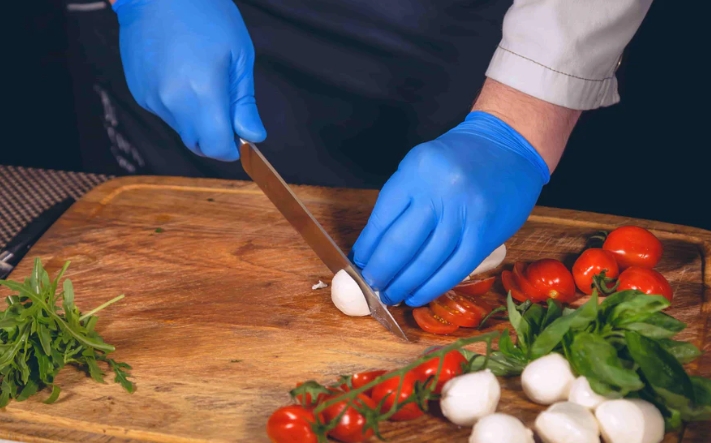
The misuse of medical gloves in food contexts introduces several potential hazards, primarily stemming from chemical migration, physical failures, and microbial contamination. One of the most significant risks is the transfer of chemical additives from the glove material to food products. Medical gloves often contain accelerators (e.g., thiurams in nitrile gloves) and other processing chemicals that are safe for dermal contact but not intended for ingestion. These substances can leach into foods, especially those with high fat content (like oils and meats) or acidic properties (like citrus fruits and tomatoes), potentially leading to consumer exposure to allergens or toxic compounds. For example, certain accelerators have been linked to skin allergies and, if ingested, could cause adverse health effects. In contrast, food-grade gloves are manufactured with formulations that minimize such chemicals or use alternatives that comply with food migration limits, thereby reducing the risk of chemical contamination.
Physical performance differences between medical gloves and food-grade gloves also pose hazards in food environments. Medical gloves are designed for short-term, single-use medical tasks and may not withstand the rigors of food preparation, such as handling sharp utensils, grating, or working with heat. This can lead to tears or punctures, compromising the glove's integrity and allowing pathogens from the handler's skin to contaminate the food. Moreover, medical gloves may have textured surfaces optimized for grip in wet medical conditions, but these textures can harbor food particles and bacteria, increasing the risk of cross-contamination if not changed frequently. Food-grade gloves, on the other hand, are often engineered for durability in culinary tasks and may feature smooth surfaces that are easier to clean or change between tasks, thereby maintaining better hygiene standards.
From a microbiological perspective, the false sense of security offered by medical gloves can lead to poor hygiene practices. Food handlers might neglect proper handwashing or glove-changing protocols under the assumption that medical gloves provide superior protection. However, gloves of any type can become contaminated with pathogens just as easily as bare hands, and medical gloves are not inherently more resistant to microbial penetration in food settings. In fact, some studies suggest that the prolonged use of medical gloves without frequent changes can promote bacterial growth due to moisture buildup inside the glove. Additionally, powdered medical gloves—which are sometimes used for donning ease—pose a unique risk in food environments because the powder (e.g., cornstarch) can absorb moisture and become a vector for microbial transfer or even trigger allergic reactions if it contaminates food. For these reasons, regulatory bodies like the FDA explicitly prohibit the use of powdered gloves in food handling.
The improper use of medical gloves in food settings can have serious consequences, ranging from regulatory penalties to public health crises. From a legal standpoint, food establishments that repurpose medical gloves may face violations during health inspections, as most jurisdictions require gloves used in food contact to comply with specific food-safe standards (e.g., FDA food contact regulations). For instance, if an inspector determines that medical gloves do not meet these criteria, the business could be cited for non-compliance, leading to fines, mandatory corrective actions, or even temporary closure. In severe cases, repeated offenses might result in the suspension of operating licenses, causing significant financial and reputational damage. These regulatory measures exist to uphold food safety laws, such as the U.S. Food Code, which mandates that gloves used in food service must be made from materials that prevent contamination and are safe for their intended use.
Public health implications are equally concerning. There have been documented instances where chemical migration from gloves to food has led to consumer illnesses. For example, in one case, nitrile medical gloves used in a commercial kitchen were linked to allergic reactions in customers due to accelerator chemicals leaching into prepared meals. Similarly, powdered latex medical gloves have been associated with respiratory issues among food workers and consumers, as well as the potential for powder-borne contamination. Beyond chemical risks, the physical failures of medical gloves—such as tears during food handling—have been contributing factors in foodborne illness outbreaks caused by pathogens like *Salmonella* or *E. coli*. These incidents often trigger product recalls, legal liabilities, and loss of consumer trust, highlighting the critical need for appropriate glove selection.
The economic and reputational fallout from such events can be devastating for businesses. A single food safety incident tied to glove misuse may lead to negative media coverage, lawsuits, and a decline in customer loyalty that takes years to rebuild. For example, a restaurant chain caught using non-compliant medical gloves might experience a sharp drop in sales, even if no actual illness occurs, simply because the practice undermines consumer confidence in the brand's commitment to safety. Conversely, establishments that proactively adopt food-grade gloves and adhere to best practices—such as frequent glove changes and proper hand hygiene—can enhance their reputation for cleanliness and responsibility. Thus, investing in the correct type of gloves is not just a regulatory obligation but also a strategic business decision that safeguards public health and promotes long-term sustainability in the competitive food industry.
Selecting the appropriate gloves for food handling begins with understanding the specific tasks and risks involved. Food industry professionals should prioritize gloves that are explicitly labeled as "food-grade" or "compliant with FDA food contact regulations." These gloves are typically made from materials like polyethylene, vinyl, or food-safe nitrile, each suited to different scenarios. For instance, disposable polyethylene gloves are ideal for short-term tasks with ready-to-eat foods (e.g., sandwich preparation) due to their low cost and ease of change, while vinyl gloves may be adequate for low-risk, dry tasks. For more demanding applications—such as handling oily or acidic foods, working with sharp tools, or performing tasks that require durability—food-grade nitrile gloves are often the best choice because they resist chemicals, punctures, and tears without the allergy risks associated with latex. It is essential to avoid latex gloves in food environments whenever possible, as proteins in latex can transfer to food and trigger allergic reactions in sensitive individuals.
Once the correct type of glove is selected, proper usage is crucial to maintaining food safety. Gloves should be changed regularly, including after handling raw foods, touching non-food surfaces, or completing different tasks to prevent cross-contamination. For example, a glove used to handle raw meat should never be reused for preparing salads without changing. Additionally, gloves must be paired with rigorous hand hygiene practices: hands should be thoroughly washed and dried before donning gloves, and gloves should never be seen as a substitute for handwashing. Food handlers should also be trained to inspect gloves for visible damage, such as holes or tears, before use and to avoid touching their face, hair, or other contaminants while wearing gloves. To enhance compliance, managers can implement color-coded glove systems (e.g., using different colors for raw and cooked food handling) to reduce the risk of cross-contamination and simplify monitoring.
Storage and disposal are also key components of safe glove use. Food-grade gloves should be stored in clean, dry areas away from chemicals or moisture to prevent degradation, and they should be used before their expiration date to ensure material integrity. When disposing of used gloves, handlers must follow protocols that minimize contamination—such as removing gloves without touching the exterior surface and discarding them in designated bins. Finally, ongoing training and education are vital; staff should receive regular updates on glove selection, usage guidelines, and any changes in food safety regulations. By adopting these best practices, food establishments can create a culture of safety that not only meets regulatory requirements but also actively reduces the risks of foodborne illnesses and chemical exposure, ultimately protecting both consumers and the business itself.
The question of whether medical gloves are food-safe has a clear and evidence-based answer: no. While medical gloves provide critical protection in healthcare settings, they are not designed, tested, or approved for food contact. The regulatory frameworks governing medical gloves focus on preventing pathogen transmission and ensuring biocompatibility with skin, with no consideration for the risks of chemical migration into food. In contrast, food-grade gloves are subject to stringent standards that limit the transfer of harmful substances and address the unique physical demands of food handling. Using medical gloves in food environments introduces unnecessary hazards, including chemical contamination, physical failures, and a false sense of security that can lead to poor hygiene practices.
The potential consequences of misusing medical gloves in food contexts—ranging from regulatory penalties and legal liability to foodborne illness outbreaks—underscore the importance of selecting the right glove for the right task. Food industry stakeholders, from manufacturers to restaurateurs, have a responsibility to prioritize consumer safety by investing in gloves that are explicitly labeled as food-grade and by implementing comprehensive glove-use protocols. This includes training staff on proper hand hygiene, frequent glove changes, and appropriate disposal methods. By doing so, businesses can not only comply with regulations but also build trust with consumers and contribute to a safer food supply chain.
In summary, medical gloves play a vital role in healthcare but have no place in food preparation or handling. The distinction between medical gloves and food-grade gloves is rooted in science and regulation, and respecting this distinction is essential for protecting public health. As the demand for hygiene continues to grow across all sectors, it is crucial that we rely on specialized products designed for specific environments—ensuring that safety in one domain does not inadvertently create risks in another.
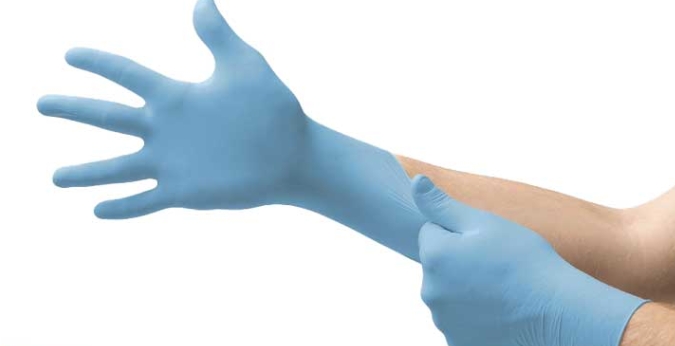
The primary difference lies in their intended use and regulatory standards. Medical gloves are regulated as medical devices designed to protect against pathogens and contaminants in healthcare settings, with a focus on barrier protection and biocompatibility. In contrast, food-safe gloves are regulated for food contact, emphasizing the prevention of chemical migration into food and compliance with food-specific safety standards, such as FDA food contact regulations.
No, powdered medical gloves should never be used for food handling. The powders, often made from cornstarch or other substances, are not approved for food contact and can easily transfer to food, posing risks of allergen exposure, microbial contamination, or respiratory issues. Regulatory bodies like the FDA prohibit the use of powdered gloves in food environments for these reasons.
Nitrile medical gloves are not inherently safe for food preparation. While nitrile is a common material for food-grade gloves, medical gloves may contain chemical accelerators (e.g., thiurams) that are not approved for food contact and could migrate into food. Only nitrile gloves explicitly labeled as "food-grade" and compliant with food safety regulations should be used in culinary contexts.
Both types are highly regulated, but the regulations focus on different risks. Medical gloves are subject to stringent controls for medical devices, such as barrier effectiveness and sterility, to protect against biological hazards. Food-grade gloves are regulated to minimize chemical and physical contamination of food, with standards that address migration limits and food-quality preservation. The oversight is tailored to the unique hazards of each environment.
Look for gloves that are explicitly labeled as "food-grade," "compliant with FDA food contact regulations," or similar certifications. These gloves should be made from materials like polyethylene, vinyl, or food-safe nitrile, and they should come with a Declaration of Compliance (DoC) from the manufacturer. Avoid using any gloves—including medical gloves—that lack these specific designations for food use.


