
Views: 222 Author: Lake Publish Time: 2025-11-15 Origin: Site


Content Menu
● Regulatory Frameworks and Standards
● Material Composition and Chemical Safety
● Latex Allergy Concerns in Food Handling
● Performance Characteristics and Application Suitability
● The Hygiene Misconception and Proper Usage
● Economic and Supply Chain Considerations
>> 1. What is the primary difference between medical gloves and food-safe gloves?
>> 2. Can latex medical gloves cause allergic reactions when used with food?
>> 3. Are powdered medical gloves safe for food handling?
>> 4. Why can't food-safe gloves be used in medical procedures?
>> 5. Can I make medical gloves food-safe by washing them?
The simple act of putting on a pair of gloves has become synonymous with safety and hygiene across multiple industries. In medical environments, from routine examinations to complex surgical procedures, gloves serve as the primary barrier protecting healthcare professionals and patients alike. Similarly, in food service establishments worldwide, workers routinely don gloves while preparing and handling food items, creating a visual assurance of cleanliness for consumers. This visual similarity between medical and food service gloves often leads to a critical misunderstanding: that medical examination gloves are suitable for food handling applications. This comprehensive analysis explores why medical exam gloves are fundamentally unsuitable for food contact, examining the regulatory, manufacturing, and safety considerations that separate these two distinct product categories.

Medical examination gloves and food-safe gloves operate under completely different regulatory frameworks, reflecting their distinct purposes and risk profiles. Medical gloves are classified as medical devices and fall under stringent health agency regulations. In the United States, the Food and Drug Administration (FDA) regulates medical gloves as Class I medical devices, requiring specific standards for barrier protection, physical integrity, and biocompatibility. These gloves must demonstrate effectiveness against pathogens and bodily fluids in clinical environments, with manufacturing facilities subject to Good Manufacturing Practices specific to medical devices.
Conversely, gloves intended for food contact are regulated as food contact substances under different branches of regulatory agencies. These gloves must comply with regulations ensuring they don't transfer harmful substances to food, with strict limits on chemical migrants, plasticizers, and other manufacturing compounds. The materials must be "food grade," meaning they're safe for direct or indirect food contact without transferring odor, color, or taste. This fundamental regulatory divergence means that medical gloves undergo completely different testing and certification processes compared to food-safe gloves, making them unsuitable for cross-application.
The material composition of medical examination gloves presents significant concerns for food safety applications. Medical gloves, whether made from latex, nitrile, or vinyl, contain chemical compounds specifically formulated for medical barrier protection rather than food compatibility. Medical gloves frequently incorporate chemical accelerators like thiurams, carbamates, and mercaptobenzothiazole (MBT) during the manufacturing process to enhance strength and durability. While these chemicals are acceptable for their intended medical use, they're not evaluated or approved for direct food contact.
When medical gloves come into contact with food, particularly fatty, acidic, or hot items, these chemical compounds can migrate from the gloves into the food matrix. The leaching potential increases with temperature and food acidity, creating potential health risks for consumers. Food-safe gloves are manufactured with strict controls on these additives, using alternative processes and materials specifically designed to prevent chemical migration. The powder sometimes used in medical gloves, typically cornstarch for donning ease, isn't processed to food-grade standards and can introduce additional contamination risks in food preparation environments.
Natural rubber latex remains a common material for medical examination gloves due to its excellent elasticity and tactile sensitivity. However, latex proteins represent well-documented allergens capable of triggering reactions ranging from mild skin irritation to life-threatening anaphylaxis. In medical settings, this risk is managed through patient screening, alternative gloves availability, and appropriate labeling. When latex medical gloves are used in food preparation, these allergenic proteins can transfer from the gloves to food items, creating significant risks for latex-sensitive consumers.
The invisible nature of this contamination makes it particularly dangerous, as consumers have no way to detect the presence of latex proteins in their food. Many food establishments and regulatory bodies explicitly prohibit latex gloves in food service environments for this reason. Food-safe gloves typically utilize non-latex materials like nitrile or vinyl, or employ specially processed, low-protein latex that's certified for food contact. This fundamental material difference highlights why medical gloves containing natural rubber latex pose unacceptable risks in food handling scenarios.
Medical examination gloves and food-safe gloves are engineered with different performance characteristics reflecting their intended applications. Medical gloves, particularly surgical variants, prioritize high puncture resistance, tear strength, and exceptional tactile sensitivity to protect against sharps and enable delicate procedures. These performance features, while essential in medical contexts, don't necessarily translate to advantages in food service environments and contribute to higher costs that discourage the frequent changing required in proper food handling protocols.
Food-safe gloves are designed with different priorities, focusing on preventing bacterial and viral transfer from hands to food while maintaining cost-effectiveness that supports frequent changes. The physical requirements for food gloves emphasize durability against tearing during tasks like handling frozen goods or sharp food items, rather than protection against medical sharps. The economic practicality of food-safe gloves encourages proper usage patterns, including changing gloves between different tasks such as handling raw meat and preparing ready-to-eat items, which is crucial for preventing cross-contamination in food service operations.
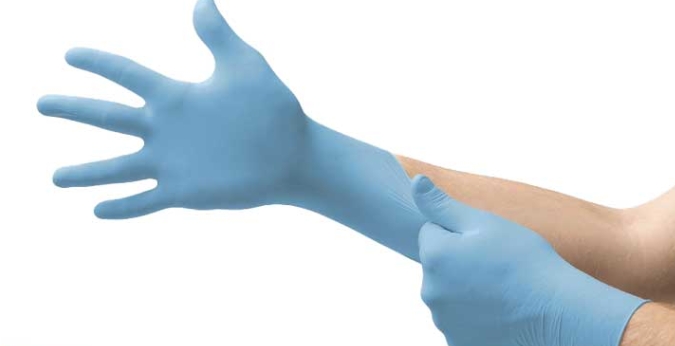
The use of medical examination gloves in food environments creates a dangerous misconception of absolute safety that can actually compromise hygiene practices. The visible presence of any gloves often leads to complacency among food handlers, who may neglect proper handwashing or continue using the same gloves for multiple tasks. Medical gloves can become contaminated just as easily as bare hands when handlers touch contaminated surfaces, personal items, or different food types without changing gloves between tasks.
Proper glove usage in any context requires understanding that gloves are single-use barriers that must be changed frequently, not permanent protective solutions. The higher perceived value of medical gloves may inadvertently encourage extended use, increasing cross-contamination risks. Additionally, gloves should never replace handwashing, as hands must be thoroughly cleaned before donning gloves to prevent bacterial growth in the warm, moist environment created inside the gloves. These fundamental hygiene principles apply equally to all types of disposable gloves but are often overlooked when medical-grade gloves create a false sense of security in food settings.
From practical business perspectives, using medical examination gloves for food service represents significant economic inefficiency and potential supply chain complications. Medical gloves, particularly those rated for examination or surgical use, carry substantially higher costs than their food-safe counterparts. A food business utilizing medical gloves would incur unnecessary expenses for premium features irrelevant to food safety while potentially discouraging the frequent changes essential to proper food handling protocols.
The supply chain pathways for medical versus food-safe gloves also differ significantly. Medical gloves flow through distribution channels serving healthcare providers and medical device suppliers, subject to medical device regulations and documentation requirements. Food-safe gloves move through food service supply chains with appropriate certifications for food contact. Companies specializing in medical devices, including those manufacturing endoscopy systems and bronchoscopy workstations, operate within medical device regulatory frameworks distinct from food safety regulations, further highlighting the importance of using purpose-specific products in each application.
Medical examination gloves are fundamentally unsuitable and potentially hazardous for food handling applications. The regulatory frameworks, manufacturing standards, material compositions, and performance characteristics of medical gloves are specifically designed for clinical environments rather than food contact safety. The chemical compounds in medical gloves, including accelerators and potential latex proteins, pose significant risks of migration into food items, creating health hazards for consumers. The false sense of security created by using medical gloves in food environments can lead to compromised hygiene practices and increased cross-contamination risks. Both economically and functionally, purpose-designed food-safe gloves provide appropriate protection for food handling while medical gloves serve critical but entirely separate functions in healthcare settings. Understanding and respecting these distinctions is essential for maintaining public health safety and ensuring proper protection in both medical and food service environments.
Medical gloves are regulated as medical devices designed to protect healthcare workers from pathogens in clinical settings, while food-safe gloves are regulated as food contact substances intended to protect food from handler contamination. This results in different standards for chemical composition, material safety, and performance testing.
Yes, latex medical gloves pose significant allergy risks when used with food. The natural rubber latex proteins can transfer from the gloves to food items, potentially triggering allergic reactions in sensitive individuals upon ingestion. Many food establishments explicitly prohibit latex gloves for this reason.
No, powdered medical gloves are not safe for food handling. The powders, typically cornstarch, are not processed to food-grade standards and can introduce contaminants into food. These powders can also become vectors for allergens and compromise food integrity.
Food-safe gloves lack the necessary testing and certification for medical use. They may not provide adequate barrier protection against bloodborne pathogens and viruses, and their sterility assurance and physical integrity standards don't meet medical requirements, potentially putting healthcare workers at risk.
No, washing medical gloves doesn't make them food-safe. Washing can compromise the gloves' integrity, creating micro-tears that harbor bacteria. More importantly, washing doesn't remove the chemical additives within the glove material that can migrate into food. Disposable gloves are designed for single use only.
[1] https://www.fda.gov/medical-devices/guidance-documents-medical-devices-and-radiation-emitting-products/medical-gloves
[2] https://www.fda.gov/food/food-ingredients-packaging/food-contact-substances-fcs
[3] https://www.fsis.usda.gov/food-safety/safe-food-handling-and-preparation/food-safety-basics/glove-use
[4] https://www.cdc.gov/niosh/topics/gloves/default.html
[5] https://www.fda.gov/food/buy-store-serve-safe-food/selecting-and-serving-produce-safely
[6] https://www.astm.org/Standards/D3578.htm
[7] https://www.ecfr.gov/current/title-21/chapter-I/subchapter-H/part-800
[8] https://www.fda.gov/food/hazard-analysis-critical-control-point-haccp/haccp-principles-application-guidelines
[9] https://www.cdc.gov/handhygiene/providers/guideline.html


