


Content Menu
● Understanding Isolation Gowns and Their Purpose
● Sterile vs. Non-Sterile Isolation Gowns
● Manufacturing Processes and Sterility Assurance
● Regulatory Standards and Classification
● Clinical Applications and Selection Criteria
● Infection Control Considerations
● Material Composition and Performance Characteristics
● Economic and Environmental Considerations
● Future Trends and Innovations
>> 1. What determines whether isolation gowns are sterile or non-sterile?
>> 2. When must sterile isolation gowns be used?
>> 3. Can non-sterile isolation gowns provide adequate protection?
>> 4. How are sterile isolation gowns different from regular isolation gowns?
>> 5. What standards regulate isolation gown quality and sterility?
The question of whether isolation gowns are sterile represents a fundamental consideration in healthcare settings, infection control protocols, and medical device manufacturing. Isolation gowns serve as critical personal protective equipment (PPE) designed to protect healthcare workers and patients from the transfer of microorganisms and bodily fluids. Understanding the sterility status of isolation gowns requires examining their manufacturing processes, intended applications, regulatory classifications, and specific use scenarios in healthcare environments. This comprehensive analysis explores the distinction between sterile and non-sterile isolation gowns, providing healthcare professionals, procurement specialists, and medical device manufacturers with essential information for appropriate selection and utilization of these crucial protective garments.
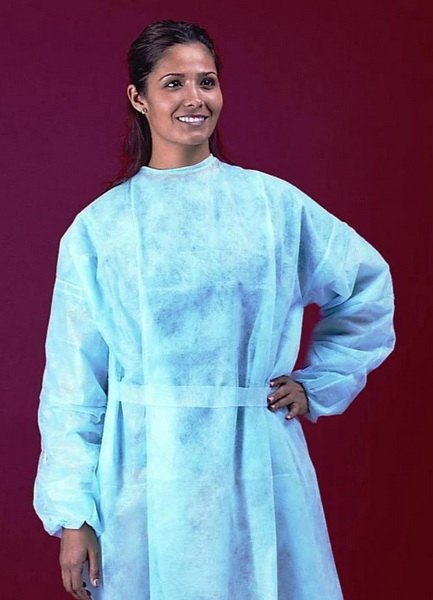
Isolation gowns are specialized garments designed to protect healthcare workers' skin and clothing from contamination during patient care activities. These protective garments create a barrier against potentially infectious materials, including blood, bodily fluids, and other contaminants that healthcare professionals may encounter during medical procedures. The primary purpose of isolation gowns extends beyond mere protection—they serve as integral components in comprehensive infection control strategies within healthcare facilities. The design and construction of isolation gowns prioritize both protection and practicality, allowing healthcare workers to perform their duties effectively while maintaining necessary safety standards.
The classification of isolation gowns varies based on their intended use and the level of protection they provide. Different healthcare scenarios require distinct types of isolation gowns, ranging from basic coverage for standard precautions to highly specialized garments for surgical environments. Understanding these classifications helps healthcare providers select appropriate isolation gowns for specific clinical situations, ensuring optimal protection while maintaining efficiency and comfort during patient care activities.
The distinction between sterile and non-sterile isolation gowns represents a crucial consideration in medical settings. Sterile isolation gowns undergo specific manufacturing and packaging processes that eliminate all microorganisms, including bacteria, viruses, and fungi. These isolation gowns are typically used in environments where maintaining aseptic conditions is paramount, such as operating rooms, delivery rooms, and during invasive procedures. The sterility of these isolation gowns ensures that they do not introduce contaminants into sterile fields, thereby protecting vulnerable patients from potential infections.
Non-sterile isolation gowns, while clean and manufactured under controlled conditions, do not undergo the same sterilization processes as their sterile counterparts. These isolation gowns are suitable for use in situations where full sterility is not required but barrier protection remains necessary. Non-sterile isolation gowns find application in various healthcare scenarios, including standard patient isolation, long-term care facilities, and general patient care activities where the risk of introducing pathogens to sterile sites is minimal. Understanding when to use each type of isolation gown is essential for effective infection control and resource management in healthcare settings.
The manufacturing of sterile isolation gowns involves rigorous processes designed to ensure the complete elimination of microorganisms. These isolation gowns are typically manufactured in controlled environments following Good Manufacturing Practices (GMP) and are subjected to validated sterilization methods. Common sterilization techniques for isolation gowns include gamma irradiation, ethylene oxide gas, and electron beam processing. Each method has specific advantages and considerations, but all aim to achieve the same result: isolation gowns free from viable microorganisms that could compromise patient safety during invasive procedures.
Quality control measures for sterile isolation gowns extend beyond the initial sterilization process. Manufacturers implement comprehensive quality assurance systems that monitor every production stage, from raw material selection to final packaging. Sterile isolation gowns undergo rigorous testing for barrier integrity, strength, and sterility maintenance throughout their shelf life. The packaging for sterile isolation gowns is specifically designed to maintain sterility until the point of use, featuring materials that provide an effective microbial barrier while allowing for aseptic presentation in clinical settings.
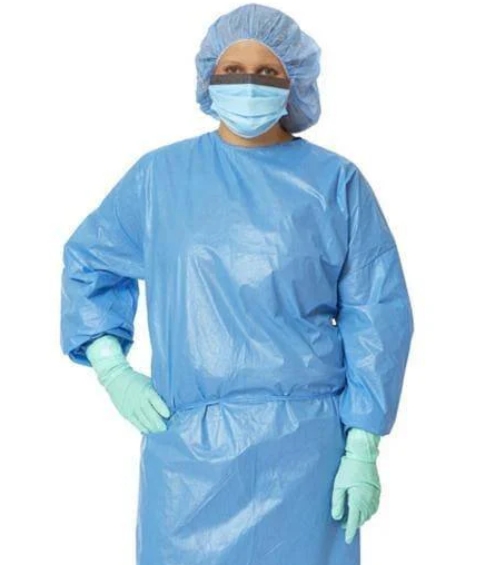
Isolation gowns are subject to various regulatory standards that classify them based on their intended use and performance characteristics. In the United States, the Food and Drug Administration (FDA) regulates isolation gowns as medical devices, with specific classifications depending on their sterility status and intended application. Sterile isolation gowns typically fall under Class II medical devices, requiring premarket notification and adherence to specific performance standards. These regulations ensure that sterile isolation gowns consistently meet established criteria for protection and sterility.
The American National Standards Institute (ANSI) and the Association of the Advancement of Medical Instrumentation (AAMI) have established comprehensive standards for isolation gowns, particularly focusing on their liquid barrier performance. The ANSI/AAMI PB70 standard classifies isolation gowns into four levels based on their liquid barrier protection, with Level 4 offering the highest protection. Understanding these classifications helps healthcare providers select appropriate isolation gowns for specific procedures and risk levels, ensuring both safety and compliance with regulatory requirements.
The selection of appropriate isolation gowns depends on numerous factors, including the specific clinical procedure, anticipated exposure risk, and required sterility level. Sterile isolation gowns are essential in operating rooms during surgical procedures, where maintaining a sterile field is crucial for preventing surgical site infections. These isolation gowns provide both barrier protection and sterility assurance, making them indispensable in environments where even minimal microbial contamination could lead to serious patient complications.
Non-sterile isolation gowns find application in various clinical scenarios where full sterility is not required but protection against contamination remains important. These include patient isolation situations, routine patient care activities, and procedures involving non-sterile body sites. The appropriate selection of isolation gowns requires careful assessment of the specific clinical context, potential exposure risks, and the criticality of maintaining sterile conditions. Healthcare facilities typically develop detailed protocols guiding the selection of isolation gowns based on procedure-specific risk assessments.
Isolation gowns play a vital role in comprehensive infection control strategies within healthcare facilities. The appropriate use of isolation gowns, whether sterile or non-sterile, contributes significantly to reducing healthcare-associated infections (HAIs) and protecting both patients and healthcare workers. Understanding the role of isolation gowns in infection prevention requires consideration of their proper use, including donning and doffing techniques, wear duration, and disposal protocols. These factors collectively influence the effectiveness of isolation gowns in preventing pathogen transmission.
The integration of isolation gowns into broader infection control practices involves training healthcare workers on proper selection and usage. This includes understanding when sterile isolation gowns are necessary versus when non-sterile options suffice, proper donning sequences to maintain sterility when required, and correct doffing procedures to prevent self-contamination. Healthcare facilities must establish clear protocols regarding isolation gowns use, considering both clinical requirements and resource management principles to ensure effective infection control while maintaining operational efficiency.
The materials used in isolation gowns significantly influence their performance, comfort, and protective capabilities. Modern isolation gowns utilize various materials, including polypropylene, polyethylene, and composite fabrics, each offering different balances of protection, breathability, and comfort. Sterile isolation gowns often employ materials that can withstand sterilization processes while maintaining their barrier properties and structural integrity. The selection of materials for isolation gowns involves careful consideration of multiple factors, including liquid resistance, tensile strength, and compatibility with sterilization methods.
Advancements in material science have led to improvements in isolation gowns design and performance. Contemporary isolation gowns increasingly feature enhanced comfort characteristics without compromising protection levels. These developments are particularly important for sterile isolation gowns used in lengthy surgical procedures, where wearer comfort can impact practitioner performance and satisfaction. Understanding the material properties of different isolation gowns helps healthcare providers make informed selections based on specific clinical needs and user requirements.
The choice between sterile and non-sterile isolation gowns involves economic considerations that extend beyond initial acquisition costs. Sterile isolation gowns typically command higher prices due to their specialized manufacturing processes, sterilization requirements, and packaging needs. Healthcare facilities must balance clinical requirements with budgetary constraints when selecting isolation gowns, considering factors such as procedure volume, storage capabilities, and waste management implications. Effective inventory management of isolation gowns requires understanding usage patterns and clinical priorities to optimize resource allocation.
Environmental considerations increasingly influence decisions regarding isolation gowns selection and usage. The healthcare sector faces growing pressure to reduce its environmental footprint, including waste generated by single-use isolation gowns. Some facilities are exploring reusable isolation gowns systems, which involve specialized laundering and sterilization processes. While reusable isolation gowns present different sterility considerations, they offer potential environmental advantages through reduced waste generation. Evaluating the lifecycle impacts of different isolation gowns options helps healthcare organizations make sustainable choices that align with both clinical needs and environmental stewardship goals.
The future of isolation gowns development involves ongoing innovation in materials, manufacturing processes, and design features. Research continues to focus on enhancing the protective qualities of isolation gowns while improving wearer comfort and mobility. Advances in smart textiles may lead to isolation gowns with integrated monitoring capabilities, providing real-time feedback on barrier integrity and wear time. These innovations could significantly impact how isolation gowns contribute to infection prevention strategies in healthcare settings.
Sterilization technologies for isolation gowns continue to evolve, with researchers exploring methods that achieve reliable sterility while reducing environmental impacts. Alternative sterilization approaches may offer advantages in terms of efficiency, cost-effectiveness, and material compatibility. Additionally, developments in sustainable materials for isolation gowns address growing concerns about medical waste and environmental sustainability. These trends collectively shape the future landscape of isolation gowns manufacturing and utilization in healthcare environments.
The question of whether isolation gowns are sterile requires a nuanced understanding of their different types, intended uses, and manufacturing processes. While some isolation gowns are indeed sterile and designed for use in critical environments like operating rooms, many isolation gowns are non-sterile and appropriate for less critical applications. The distinction between sterile and non-sterile isolation gowns reflects their different roles in healthcare settings, with selection depending on specific clinical requirements, procedure types, and infection control considerations.
Healthcare providers must understand the appropriate applications for different types of isolation gowns to ensure effective patient care and infection prevention. Sterile isolation gowns play a crucial role in maintaining aseptic conditions during invasive procedures, while non-sterile isolation gowns provide essential protection in numerous other clinical scenarios. As medical technology advances and healthcare practices evolve, the role of isolation gowns in patient and provider protection continues to develop, emphasizing the importance of ongoing education and appropriate selection practices regarding these essential protective garments.
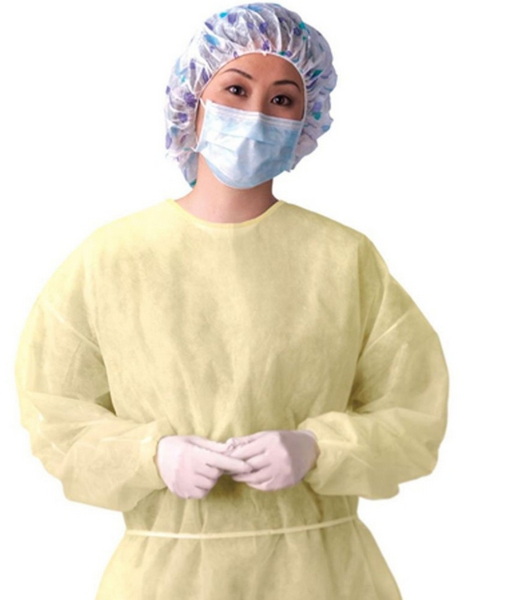
The sterility of isolation gowns is determined by their manufacturing process, intended use, and packaging. Sterile isolation gowns undergo validated sterilization methods and are packaged to maintain sterility until use, while non-sterile isolation gowns are manufactured under clean conditions but do not undergo terminal sterilization. The choice between sterile and non-sterile isolation gowns depends on the clinical procedure and the need for maintaining a sterile field.
Sterile isolation gowns must be used during surgical procedures, in operating rooms, during central line insertions, and in any clinical situation where maintaining a sterile field is critical. These isolation gowns are essential for procedures involving sterile body sites or when healthcare workers need to enter sterile fields. The use of sterile isolation gowns helps prevent surgical site infections and protects immunocompromised patients from potential contaminants.
Non-sterile isolation gowns can provide adequate protection for many clinical situations that do not require strict sterility. These isolation gowns still offer effective barrier protection against fluids and microorganisms while being more cost-effective than sterile options. Non-sterile isolation gowns are appropriate for standard precautions, contact isolation, and procedures involving non-sterile body sites where the primary concern is protecting the healthcare worker rather than maintaining a sterile field.
Sterile isolation gowns differ from regular isolation gowns in their manufacturing processes, packaging, and intended use. Sterile isolation gowns undergo terminal sterilization, are packaged to maintain sterility, and are typically used in surgical and other sterile procedures. Regular isolation gowns, while clean and protective, are not sterile and are used in situations where full sterility is not required but barrier protection remains important.
Isolation gowns are regulated by various standards, including the FDA regulations for medical devices and the ANSI/AAMI PB70 standard for liquid barrier protection. Sterile isolation gowns must meet additional requirements for sterility assurance and packaging integrity. These standards ensure that isolation gowns provide consistent protection levels and performance characteristics appropriate for their intended use in healthcare settings.
[1] https://www.fda.gov/medical-devices/personal-protective-equipment-infection-control/isolation-gowns
[2] https://www.cdc.gov/infectioncontrol/guidelines/isolation/index.html
[3] https://www.astm.org/Standards/F2407.htm
[4] https://www.aami.org/docs/default-source/standards-library/ansi_aami_pb70.pdf
[5] https://www.fda.gov/medical-devices/medical-device-databases/code-classification-database
[6] https://www.cdc.gov/niosh/npptl/topics/protectiveclothing/default.html
[7] https://www.ecfr.gov/current/title-21/chapter-I/subchapter-H/part-878
[8] https://www.who.int/medical_devices/innovation/Medical_Devices_Regulatory_Programs.pdf
[9] https://www.fda.gov/medical-devices/quality-system-qs-regulationmedical-device-good-manufacturing-practices


