
Views: 222 Author: Lake Publish Time: 2025-11-06 Origin: Site


Content Menu
● The Pre-History of Medical Gloves: Before the Invention
● The Invention of Modern Medical Gloves
● Evolution of Materials and Designs
● Global Adoption and Regulatory Milestones
● Modern Innovations and Future Directions
>> 1. Who invented the first modern medical gloves and why?
>> 2. What materials were used for medical gloves before latex?
>> 3. When did medical gloves become standard practice in surgery?
>> 4. Why were powdered medical gloves banned?
>> 5. What were the major material innovations in medical gloves?
Medical gloves are an indispensable component of modern healthcare, serving as critical protective barriers in medical procedures, surgeries, and patient care. These essential tools significantly reduce the transmission of pathogens between healthcare workers and patients, preventing cross-contamination and infection. The invention and evolution of medical gloves represent a fascinating journey through medical history, reflecting broader advancements in aseptic technique, material science, and patient safety protocols. From humble beginnings to sophisticated modern iterations, medical gloves have undergone remarkable transformations to become the vital medical devices we rely on today. This article traces the extraordinary history of medical gloves, exploring their origins, key innovations, and the pioneers whose contributions revolutionized medical practice and infection control.
The development of medical gloves illustrates how medical necessity drives innovation. As a company specializing in medical visualization technology, including endoscopy systems, disposable ureteroscopes, visual flexible laryngoscopes, bronchoscopy workstations, medical image processors, and video laryngoscopes, we recognize the fundamental importance of protective barriers in medical settings. Just as our medical visualization devices enhance diagnostic and therapeutic capabilities, medical gloves provide the foundational protection that enables safe medical intervention. Understanding the history of these essential tools offers valuable insights into how medical technology evolves to meet emerging challenges and improve patient outcomes.
This comprehensive exploration begins with the earliest precursors to modern medical gloves, continues through the pivotal moment of their formal invention, and traces their technological evolution to the present day. We will examine how material innovations transformed medical gloves from basic protective coverings to sophisticated medical devices, and how growing understanding of infection control shaped their design and implementation. Finally, we will consider future directions in glove technology and what they might mean for the next generation of medical protection.
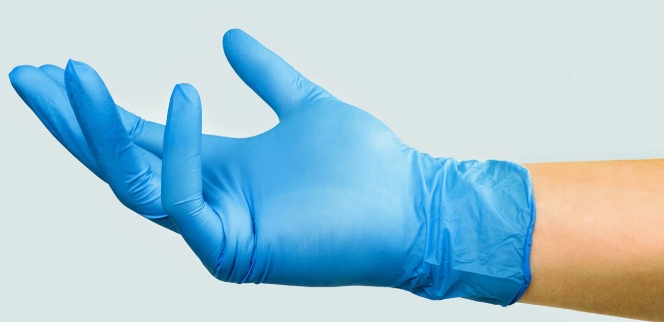
Before the invention of dedicated medical gloves, surgical procedures presented significant risks to both patients and medical practitioners. In the 18th and early 19th centuries, surgeons typically operated with bare hands, wearing blood-stained aprons that were rarely cleaned between procedures. The concept of antisepsis was virtually unknown, and postoperative infections were commonplace and often fatal. The mortality rate from surgical infections was staggering, with "ward fever" (septicemia) claiming countless lives following procedures that would now be considered routine. This dire situation created an urgent need for protective barriers, though the scientific understanding to fully address this need was still developing.
The earliest documented use of protective hand coverings in medical contexts dates to 1758, when German physician Johann Julius Walbaum utilized sheep's cecum (a portion of the intestine) to cover his hands during surgical procedures. These primitive gloves were not designed for repeated use or sterilization, nor were they intended to prevent microbial transmission—the existence of microorganisms and their role in infection would not be established for another century. Instead, they served primarily to protect the surgeon's hands from gross contamination and to improve grip during procedures. Despite this innovation, the use of such protective coverings failed to gain widespread acceptance within the medical community, which remained largely ignorant of the connection between cleanliness and infection rates.
Throughout the early 19th century, occasional experiments with protective hand coverings occurred, but nothing became standard practice. The 1840s saw the development of thick rubber gloves by the Goodyear Rubber Company, following Charles Goodyear's vulcanization process discovery in 1839. These early rubber gloves were crude, thick, and lacking in tactile sensitivity, making them impractical for the delicate maneuvers required in surgery. They saw limited use in non-surgical contexts but failed to revolutionize medical practice. The conceptual framework necessary to understand their potential value in preventing infection was not yet in place, and thus surgery remained a dangerous undertaking with poor outcomes despite these early innovations in hand protection.
The modern medical gloves that we recognize today emerged from Johns Hopkins Hospital in Baltimore, Maryland, in 1889. The story of their invention is both a medical breakthrough and a romantic tale. Dr. William Stewart Halsted, the first chief of surgery at Johns Hopkins, found himself facing a personnel crisis when his operating room nurse supervisor and future wife, Caroline Hampton, developed severe contact dermatitis on her hands and forearms. The culprit was the mercury chloride solution used for surgical antisepsis, which irritated her skin to the point where she considered resigning from her position.
Unwilling to lose his valuable assistant, Halsted devised a solution. In 1889, he approached the Goodyear Rubber Company and commissioned the creation of thin, flexible rubber gloves that could protect Hampton's hands from the harsh disinfectants while maintaining tactile sensitivity for surgical work. These custom-fitted gloves were made from natural rubber latex and were thin enough to preserve dexterity while providing an effective barrier against the chemical irritants. The solution worked perfectly—Hampton's hands healed, she continued working alongside Halsted, and the couple married the following year.
The initial purpose of these early medical gloves was protection against chemical irritants rather than prevention of microbial transmission. However, their value in maintaining a sterile field quickly became apparent. Dr. Joseph Bloodgood, a colleague and protege of Halsted, began systematically studying outcomes in surgical procedures with and without gloves. In 1899, he published data from 450 hernia operations demonstrating that the use of medical gloves dramatically reduced infection rates—by nearly 100% in some cases. This compelling evidence convinced the surgical community of the value of gloves, and their use gradually became standard practice in operating rooms across the United States and Europe.
The earliest modern medical gloves were made from natural rubber latex, which provided excellent elasticity, tactile sensitivity, and durability. However, these initial designs presented their own challenges. Donning the gloves was difficult due to the tackiness of natural rubber, particularly when hands were moist. To address this issue, manufacturers began incorporating powders as lubricants inside the gloves. Initially, manufacturers used spores from the clubmoss plant (*Lycopodium spores*) or ground pine pollen as the first powder lubricants. While these natural powders improved donning efficiency, they carried significant risks. By the 1920s-1930s, scientific evidence emerged that these spores could cause granuloma formation and adhesions when they contaminated surgical wounds.
In response to these concerns, the medical community transitioned to talc (calcium carbonate) as an alternative lubricant. While talc presented fewer biological risks than previous options, it still caused postoperative complications and inhibited wound healing. By the 1940s, with improvements in glove manufacturing technology producing thinner, stronger, and more elastic gloves, the search for better lubricants intensified. The solution emerged in the form of modified corn starch, which was viewed as an absorbable, non-irritating lubricant that largely replaced talc in the 1970s.
Despite these material advances, a significant problem emerged with natural rubber latex medical gloves: allergic reactions. By the late 1970s, scientific literature began documenting allergic reactions to corn starch-containing latex gloves. The increased use of gloves following CDC recommendations in 1987 to prevent HIV and bloodborne disease transmission led to a dramatic rise in reported allergic reactions. Research revealed that natural rubber latex contains proteins that can trigger immune responses, with corn starch particles potentially carrying latex proteins deep into the respiratory system or binding them to the skin. NIOSH reports indicated that while latex allergy prevalence in the general population was approximately 1-6%, among healthcare workers it reached 8-12%.
These challenges spurred the development of synthetic alternatives. Polyvinyl chloride (PVC) gloves emerged in the 1920s after the synthesis of PVC and the addition of various plasticizing agents made the material more flexible and processable. Nitrile rubber (a copolymer of butadiene and acrylonitrile) was first synthesized in Germany in 1931 but didn't see widespread application in medical gloves until 1991. These synthetic materials provided excellent alternatives for individuals with latex allergies and offered superior chemical resistance in many circumstances. More recently, innovative materials such as water-based polyurethane have entered the market, offering hypoallergenic properties and environmental benefits.
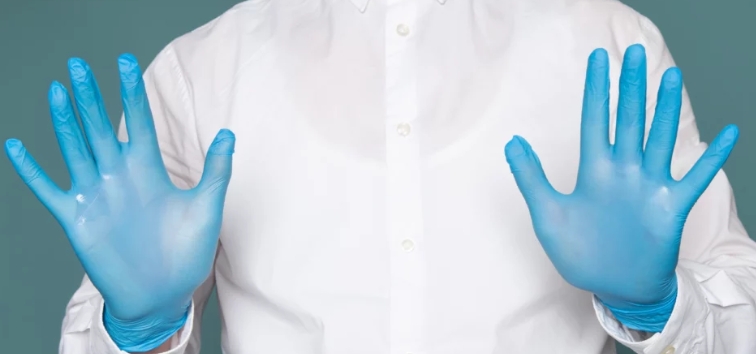
The adoption of medical gloves in medical practice progressed gradually throughout the early 20th century. Initially used primarily in surgical settings, their usage expanded to non-surgical medical examinations and procedures over time. The pivotal moment for global adoption came in 1987 when the United States Centers for Disease Control and Prevention (CDC) issued guidelines requiring healthcare workers to wear gloves during procedures involving potential contact with blood or bodily fluids, specifically to prevent transmission of HIV and other bloodborne pathogens. This mandate triggered an exponential increase in glove usage across healthcare settings worldwide.
As medical gloves became ubiquitous in medical practice, regulatory frameworks evolved to ensure their safety and efficacy. In the United States, the Food and Drug Administration (FDA) regulates medical gloves as Class I medical devices, requiring compliance with general controls such as establishment registration, device listing, and adherence to Good Manufacturing Practices. The ASTM International (formerly American Society for Testing and Materials) developed standardized testing protocols for medical gloves, including standards for physical dimensions, tensile strength, elongation, and barrier integrity.
The powder that had once been hailed as a solution to donning difficulties eventually became recognized as a significant health hazard. Powdered medical gloves were found to contribute to serious postoperative complications including granuloma formation, adhesions, respiratory inflammation, and allergic reactions. As evidence of these risks accumulated, regulatory action followed. In December 2016, the FDA issued a final rule banning most powdered patient examination medical gloves, powdered surgeon's medical gloves, and absorbable powder for lubricating surgeon's medical gloves in the United States. This regulatory action reflected the medical community's growing understanding of the importance of biocompatibility in medical devices beyond their primary protective function.
Internationally, similar regulatory shifts occurred. The European Union implemented restrictions on powdered gloves through its Medical Device Regulation, while China's National Medical Products Administration (NMPA, formerly CFDA) issued recommendations in 2018 cautioning against the use of powdered gloves in clinical surgery, invasive procedures, and for individuals with allergies. These regulatory developments have driven the global transition toward powder-free medical gloves with reduced protein content and alternative donning technologies.
The evolution of medical gloves continues into the 21st century with ongoing innovations in materials, manufacturing processes, and functional enhancements. Traditional chlorination processes used to create powder-free gloves are increasingly being replaced by innovative polymer coatings and surface treatments that provide donning ease without the potential risks associated with chemical residues. Manufacturers have developed micro-roughened surfaces and proprietary coatings that facilitate easy donning while maintaining high levels of tactile sensitivity.
Material science continues to advance with the development of novel formulations that address the limitations of earlier materials. Polyurethane medical gloves offer exceptional strength and sensitivity with thicknesses as low as 0.03mm, while also being biodegradable and free from latex proteins and chemical accelerators. These advanced materials provide superior barrier protection while addressing environmental concerns associated with traditional medical gloves. Additionally, manufacturers have developed specialized medical gloves with enhanced resistance to specific chemicals, including chemotherapeutic agents, that pose particular risks to healthcare workers.
The future of medical gloves likely includes further material innovations, smart technologies, and enhanced sustainability. Researchers are exploring incorporating sensing technologies into gloves that could monitor physiological parameters or detect contamination breaches. Antimicrobial coatings that actively reduce microbial load on glove surfaces are under development, potentially adding another layer of protection for both patients and healthcare workers. The growing emphasis on environmental sustainability has also spurred development of biodegradable medical gloves made from renewable materials that maintain the protective qualities of traditional synthetic materials while reducing environmental impact.
As a company at the forefront of medical visualization technology, we recognize that the continued evolution of medical gloves parallels advancements in our own field. Just as medical gloves have transformed from simple protective barriers to sophisticated medical devices, medical visualization equipment has progressed from basic diagnostic tools to integrated systems that enhance visualization, documentation, and intervention. The parallel development of these different types of medical technology demonstrates how innovation across multiple domains collectively advances patient care and clinical outcomes.
The invention of medical gloves in 1889 by Dr. William Stewart Halsted marked a pivotal moment in medical history, establishing a fundamental standard for infection control and patient safety that continues to resonate in modern healthcare. From their origins as custom-made rubber hand coverings designed to protect against chemical irritants, medical gloves have evolved into sophisticated medical devices that play a critical role in virtually every clinical interaction. The journey from sheep cecum to natural rubber latex to advanced synthetic materials like nitrile and polyurethane reflects more than a century of continuous improvement driven by scientific discovery, clinical observation, and technological innovation.
The significance of medical gloves extends far beyond their basic function as protective barriers. They represent the medical community's growing understanding of aseptic technique, cross-contamination risks, and occupational safety. The evolution of glove materials—from powdered latex to powder-free synthetics—demonstrates how medical devices must continually adapt in response to emerging evidence about their safety and efficacy. Regulatory milestones, such as the FDA's ban on powdered gloves, highlight the importance of evidence-based practice in medical device regulation and the need to balance benefits against potential harms.
For companies working in the medical visualization sector, the history of medical gloves offers valuable insights into the trajectory of medical innovation. Just as medical gloves have become more specialized, sophisticated, and tailored to specific clinical needs, so too have endoscopy systems, bronchoscopy workstations, and medical image processors evolved to meet the increasingly complex demands of modern medicine. The development of both protective equipment and visualization technology reflects a shared commitment to improving patient outcomes through technological advancement. As we look to the future, continued innovation in medical gloves will undoubtedly parallel advancements in other medical technologies, collectively contributing to safer, more effective healthcare delivery worldwide.
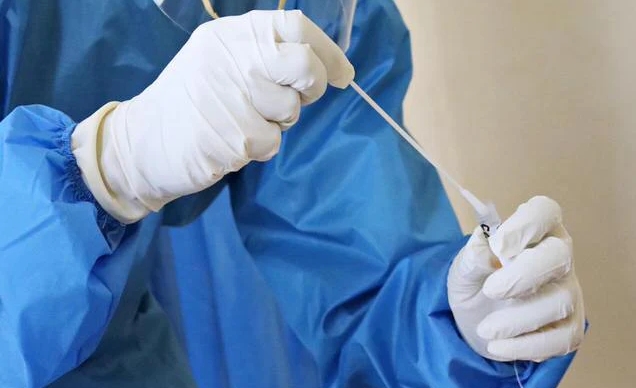
The first modern medical gloves were invented in 1889 by Dr. William Stewart Halsted, chief of surgery at Johns Hopkins Hospital. He created them to protect his operating room nurse (and future wife) Caroline Hampton, who had developed severe contact dermatitis from the mercury chloride solution used for surgical antisepsis. The custom-made rubber gloves protected her hands while maintaining the tactile sensitivity needed for surgical work.
Before the widespread adoption of latex medical gloves, various materials were experimented with including sheep's cecum (used by Johann Julius Walbaum in 1758) and thick rubber gloves made possible by Charles Goodyear's vulcanization process in 1839. These early prototypes were crude, lacking the sensitivity and practicality needed for widespread surgical use.
While Halsted invented medical gloves in 1889, they did not immediately become standard practice. The pivotal moment came in 1899 when Dr. Joseph Bloodgood published data from 450 hernia operations demonstrating that glove use dramatically reduced infection rates. This evidence convinced the surgical community of their value, leading to gradual adoption throughout the early 20th century.
Powdered medical gloves were banned by the FDA in 2016 due to substantial health risks. The powders (initially spores or talc, later corn starch) were associated with serious complications including granuloma formation, adhesions, respiratory inflammation, wound inflammation, and postoperative adhesions. Additionally, powder was found to carry latex proteins that could trigger allergic reactions.
Mjor material innovations include: natural rubber latex (1889), polyvinyl chloride/PVC (1920s), nitrile rubber (1931, widely adopted from 1991), and more recently, innovative materials like water-based polyurethane. Each innovation addressed limitations of previous materials, with synthetics primarily developed to combat latex allergies while maintaining or improving protective qualities.
[1] TDRF Special Report: Powdered Medical Glove Risks and Management (2017)
[2] PanSci: The Birth of Latex Surgical Gloves (2014)
[3]. Baidu Hao: Three Minutes to Understand the History of Medical Gloves (2022)


