
Views: 222 Author: Lake Publish Time: 2025-11-13 Origin: Site


Content Menu
● Understanding Flexible Ureteroscope Technology
>> Basic Design and Components
● Leading Manufacturers and Technologies
>> Unicorn Technology (unicornendoscope.com)
>> Karl Storz
● Clinical Applications of Flexible Ureteroscopes
● Technical Specifications and Performance Metrics
● FAQ
>> 1. What exactly is a flexible ureteroscope?
>> 2. How does a flexible ureteroscope differ from a rigid ureteroscope?
>> 3. What procedures typically require a flexible ureteroscope?
>> 4. How long does a flexible ureteroscope typically last?
>> 5. What are the advantages of digital flexible ureteroscopes over fiberoptic models?
A flexible ureteroscope represents one of the most significant technological advancements in modern urology, revolutionizing the diagnosis and treatment of upper urinary tract conditions. This sophisticated medical instrument combines extreme flexibility with precise controllability, enabling urologists to navigate the natural curvatures of the human ureter and access the entire renal collecting system. The development of the flexible ureteroscope has transformed minimally invasive urological procedures, allowing for comprehensive examination and treatment of conditions affecting the kidneys and ureters without the need for external incisions. Understanding the design, functionality, and applications of the flexible ureteroscope is essential for urologists, medical professionals, and healthcare organizations seeking to provide state-of-the-art patient care.
The evolution of flexible ureteroscope technology has been remarkable, progressing from basic fiberoptic systems to advanced digital platforms with enhanced imaging capabilities and improved ergonomics. Today's flexible ureteroscope represents a marvel of medical engineering, incorporating complex deflection mechanisms, high-resolution imaging systems, and durable yet flexible shaft construction. This comprehensive guide explores the fundamental aspects of flexible ureteroscope technology, its clinical applications, and the leading manufacturers driving innovation in this specialized field of medical visualization.
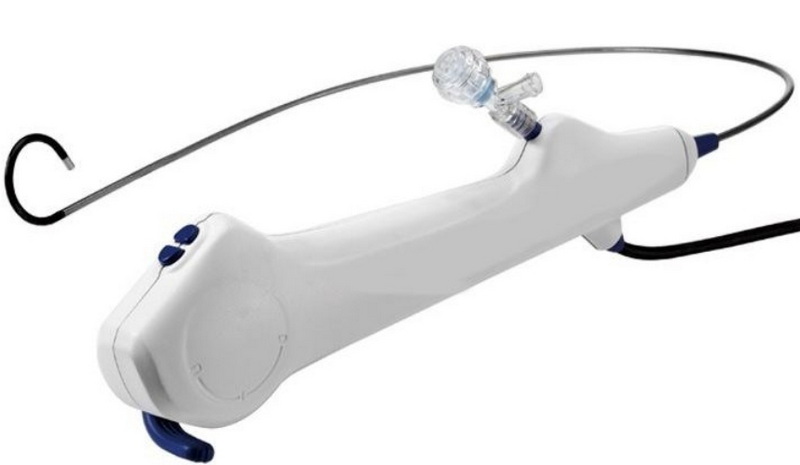
The fundamental architecture of a flexible ureteroscope consists of several integrated components that work in harmony to provide visualization and access to the upper urinary tract. At the core of every flexible ureteroscope is the insertion shaft, typically measuring between 2-3 millimeters in diameter and constructed from multiple layers of specialized materials. This slender yet durable shaft contains the optical system, light transmission fibers, deflection control mechanisms, and an working channel through which instruments can be passed. The compact design of the flexible ureteroscope belies its technological sophistication, with numerous engineering innovations packed into its minimal diameter.
The control section of the flexible ureteroscope serves as the interface between the urologist and the instrument, housing the deflection controls, irrigation ports, and eyepiece or video connection. Modern flexible ureteroscope designs typically feature an intuitive control mechanism that allows single-handed operation, with thumb-controlled levers managing tip deflection in multiple directions. The distal tip of the flexible ureteroscope contains the imaging sensor or fiberoptic bundles, light-emitting components, and the working channel opening. This precise arrangement of components enables the flexible ureteroscope to provide both diagnostic visualization and therapeutic capabilities within the challenging environment of the upper urinary tract.
The deflection capability represents the most distinctive feature of a flexible ureteroscope, enabling navigation through the tortuous path of the ureter and into the renal collecting system. High-quality flexible ureteroscope systems typically offer 270-275 degrees of primary deflection, with some advanced models providing additional secondary deflection for enhanced access to challenging calyces. This remarkable flexibility is achieved through precisely tensioned wires running the length of the flexible ureteroscope shaft, connected to a control mechanism in the handle and anchored at the distal tip. When the urologist manipulates the control lever, these wires selectively tighten or loosen, bending the flexible ureteroscope tip in the desired direction.
The deflection mechanism of a flexible ureteroscope must balance responsiveness with durability, as excessive force during deflection can damage the control wires or the protective sheath. Modern flexible ureteroscope designs incorporate safety features that limit extreme deflection angles and protect against operator-induced damage. The precision of the deflection system directly impacts the clinical utility of the flexible ureteroscope, particularly when accessing lower pole calyces or navigating complex anatomy. Manufacturers continuously refine the deflection mechanisms in flexible ureteroscope systems to improve reliability while maintaining the delicate balance between flexibility and control that defines these sophisticated instruments.
Unicorn Technology has established itself as a prominent manufacturer in the flexible ureteroscope market, offering innovative solutions that address the evolving needs of modern urology practices. The company's flexible ureteroscope products incorporate advanced digital imaging technology, providing urologists with exceptional visualization of the upper urinary tract. Unicorn's approach to flexible ureteroscope design emphasizes both clinical performance and durability, recognizing the mechanical stresses these instruments face during routine use. Their flexible ureteroscope systems feature optimized deflection mechanisms that maintain precise control throughout extended procedures.
The manufacturing processes at Unicorn Technology incorporate rigorous quality control measures to ensure the reliability of their flexible ureteroscope products. Each flexible ureteroscope undergoes comprehensive testing of deflection capability, image quality, and working channel function before release. Unicorn's flexible ureteroscope offerings include both reusable and single-use models, providing healthcare facilities with options that align with their clinical needs and operational preferences. The company's commitment to flexible ureteroscope innovation positions them as a significant contributor to the advancement of minimally invasive urological procedures.
Olympus Corporation brings decades of endoscopic expertise to their flexible ureteroscope product line, leveraging their broad experience in medical visualization technology. The company's flexible ureteroscope systems feature high-resolution digital imaging and responsive deflection mechanisms that facilitate navigation throughout the upper urinary tract. Olympus has pioneered several technological advancements in flexible ureteroscope design, including enhanced durability features that address the historical limitations of these delicate instruments. Their flexible ureteroscope products integrate seamlessly with complementary technologies such as laser systems and stone retrieval devices.
The research and development efforts at Olympus continue to push the boundaries of flexible ureteroscope capability, exploring improvements in image quality, deflection range, and instrument longevity. Their flexible ureteroscope designs reflect understanding of the clinical workflow in urology practices, optimizing features for both diagnostic and therapeutic applications. Olympus maintains a comprehensive service network to support the flexible ureteroscope systems used in healthcare facilities worldwide, recognizing the critical role these instruments play in contemporary urological care.
Karl Storz has developed a reputation for precision engineering in their flexible ureteroscope product line, combining optical excellence with mechanical reliability. The company's flexible ureteroscope systems incorporate advanced imaging technology and intuitive control mechanisms that facilitate complex procedures within the renal collecting system. Karl Storz's approach to flexible ureteroscope design emphasizes ergonomic considerations, reducing operator fatigue during lengthy endoscopic procedures. Their flexible ureteroscope products feature working channels that maintain patency despite extreme deflection, ensuring consistent performance during therapeutic interventions.
The manufacturing standards applied to Karl Storz flexible ureteroscope instruments reflect the company's commitment to quality and durability. Each flexible ureteroscope undergoes meticulous inspection and testing to verify performance specifications before delivery to healthcare facilities. Karl Storz offers comprehensive training resources for urologists using their flexible ureteroscope systems, recognizing that operator proficiency significantly impacts clinical outcomes. Their ongoing development of flexible ureteroscope technology focuses on enhancing both the diagnostic and therapeutic capabilities of these essential urological instruments.
The flexible ureteroscope serves crucial diagnostic roles in the evaluation of upper urinary tract pathology. For patients with unexplained hematuria, the flexible ureteroscope enables direct visual inspection of the entire renal collecting system and ureteral lining, identifying subtle lesions that might escape detection on imaging studies. The magnified view provided by the flexible ureteroscope allows urologists to characterize mucosal abnormalities, assess tumor configuration, and evaluate congenital anomalies. When suspicious areas are identified, the flexible ureteroscope facilitates targeted biopsy using miniature forceps passed through the working channel, providing tissue for histological diagnosis.
Beyond tumor detection, the flexible ureteroscope plays an important role in diagnosing various congenital and acquired conditions affecting the upper urinary tract. Calyceal diverticula can be directly inspected with a flexible ureteroscope, assessing their configuration and contents. In cases of unexplained hydronephrosis or pain, the flexible ureteroscope can identify subtle strictures, crossing vessels, or other causative lesions that might not be apparent on standard imaging. The diagnostic applications of the flexible ureteroscope continue to expand with technological enhancements such as narrow-band imaging and confocal laser endomicroscopy, which can be incorporated into advanced flexible ureteroscope systems to provide additional tissue characterization.
The therapeutic applications of the flexible ureteroscope have dramatically transformed the management of upper urinary tract conditions, particularly nephrolithiasis. The flexible ureteroscope provides direct access to renal stones regardless of their calyceal location, enabling holmium laser lithotripsy throughout the collecting system. This capability has established retrograde intrarenal surgery using a flexible ureteroscope as a first-line treatment for many renal stones, with success rates exceeding 90% for stones under 2cm. The precision of modern flexible ureteroscope systems allows urologists to fragment stones effectively while minimizing damage to surrounding renal tissue.
The flexible ureteroscope has similarly revolutionized management of upper tract urothelial carcinoma, allowing endoscopic ablation of low-grade tumors while preserving renal function. Through the working channel of the flexible ureteroscope, urologists can pass laser fibers for tumor ablation, biopsy forceps for tissue sampling, and baskets for retrieval of resected tissue. Additional therapeutic applications of the flexible ureteroscope include treatment of ureteral and renal pelvic strictures through endoscopic incision, management of calyceal diverticula by establishing drainage, and retrieval of foreign bodies from the upper tracts. The flexible ureteroscope also serves an important role in complex situations such as treatment of stones in transplanted kidneys, managed kidneys, or patients with urinary diversions.

The imaging performance of a flexible ureteroscope fundamentally influences its diagnostic utility and therapeutic effectiveness. Modern digital flexible ureteroscope systems typically provide high-resolution visualization, with advanced models offering HD or even 4K image quality. The transition from fiberoptic to digital imaging in flexible ureteroscope technology has dramatically improved image clarity while eliminating the pixelation characteristic of fiber bundle systems. The digital sensors in contemporary flexible ureteroscope designs also provide better low-light performance, maintaining image quality even in suboptimal visualization conditions within the urinary tract.
Supplementary imaging technologies increasingly complement the standard white-light visualization in advanced flexible ureteroscope systems. Narrow-band imaging enhances the detection of flat urothelial lesions by emphasizing vascular patterns, while autofluorescence imaging can help identify suspicious areas based on tissue metabolic characteristics. These enhanced imaging modalities integrated into flexible ureteroscope platforms improve the detection of clinically significant pathology, particularly in the surveillance of patients with history of upper tract urothelial carcinoma. The continued refinement of imaging capabilities remains a primary focus in flexible ureteroscope development, as visual information directly guides both diagnostic assessment and therapeutic interventions.
The mechanical performance of a flexible ureteroscope encompasses several critical parameters that determine its clinical capabilities. Deflection range represents one of the most important specifications, with modern flexible ureteroscope systems typically offering 270-275 degrees of primary deflection to facilitate lower pole access. The responsiveness of the deflection mechanism significantly impacts the usability of a flexible ureteroscope, with precise control being essential for navigating complex anatomy and maintaining stable positioning during therapeutic procedures. Shaft flexibility must balance the need for pushability during advancement with sufficient pliability to navigate ureteral curves without causing trauma.
The working channel performance of a flexible ureteroscope directly influences its therapeutic capabilities. Standard flexible ureteroscope designs typically feature a 3.6Fr working channel that accommodates laser fibers, baskets, graspers, and other accessories. The working channel must maintain patency despite extreme deflection, requiring careful engineering to prevent kinking or compression when the flexible ureteroscope tip is maximally deflected. Irrigation flow through the flexible ureteroscope represents another important performance consideration, as adequate flow is necessary to maintain visualization during procedures. Manufacturers continuously refine these mechanical aspects of flexible ureteroscope design to enhance clinical performance while maintaining the instrument's delicate profile.
Successful utilization of a flexible ureteroscope begins with comprehensive procedure planning based on thorough preoperative assessment. Imaging studies, particularly non-contrast computed tomography, provide essential information about urinary tract anatomy, stone characteristics, and potential anatomical challenges that might affect the flexible ureteroscope procedure. This preoperative information guides instrument selection, with the choice of flexible ureteroscope model influenced by factors such as stone location, expected procedure duration, and available accessories. The planning phase also includes consideration of potential need for ureteral access sheaths, which facilitate multiple passages of the flexible ureteroscope while reducing intrarenal pressure.
Patient-specific factors significantly influence the planning of flexible ureteroscope procedures. Anatomical considerations such as ureteral tortuosity, strictures, or prior surgeries may necessitate preparatory measures such as preoperative stenting to passively dilate the ureter. The presence of urinary tract infection requires appropriate antibiotic therapy before flexible ureteroscope intervention to reduce the risk of procedure-related sepsis. Comorbid conditions that affect bleeding risk or anesthesia considerations must be addressed in the planning phase to ensure patient safety during the flexible ureteroscope procedure. This comprehensive approach to procedure planning optimizes both technical success and patient outcomes.
Mastering the technique of flexible ureteroscope navigation requires understanding of both the instrument's capabilities and the anatomical challenges of the upper urinary tract. The initial passage of the flexible ureteroscope typically follows guidewire placement, with the instrument advanced under fluoroscopic and direct visual guidance. Navigating the flexible ureteroscope through the ureter requires gentle technique, using the deflection mechanism to follow the natural curvature while avoiding excessive force that could cause mucosal injury or instrument damage. The urologist must develop a mental three-dimensional map of the collecting system to efficiently navigate the flexible ureteroscope to all areas of interest.
Therapeutic interventions with the flexible ureteroscope demand precise control of both the endoscope and the accessories passed through its working channel. Laser lithotripsy through the flexible ureteroscope requires maintaining an appropriate distance between the laser fiber and the stone while ensuring the fiber does not damage the instrument. Stone retrieval with baskets passed through the flexible ureteroscope necessitates careful manipulation to entrap fragments without causing mucosal injury. Throughout these procedures, the urologist must manage irrigation flow to maintain visualization while avoiding excessive intrarenal pressure that could cause fluid absorption or renal damage. The development of proficiency in flexible ureteroscope technique represents a significant component of contemporary urological training.
Proper reprocessing is essential for maintaining the performance and longevity of reusable flexible ureteroscope systems. The complex architecture of a flexible ureteroscope presents challenges for effective cleaning and sterilization, with the working channel and deflection mechanism representing potential areas for biofilm accumulation. Established protocols for flexible ureteroscope reprocessing typically include immediate bedside cleaning, thorough manual cleaning with enzymatic detergents, high-level disinfection or sterilization, and proper drying before storage. Each step in the flexible ureteroscope reprocessing sequence must be performed meticulously to prevent device damage and ensure patient safety.
The delicate components of a flexible ureteroscope require specific handling during reprocessing to prevent damage. The deflection mechanism should be maintained in a neutral position during cleaning and storage to avoid stressing the control wires. The working channel of the flexible ureteroscope requires flushing with appropriate cleaning solutions and brushing with channel-specific cleaners to remove all organic material. Automated reprocessing systems designed specifically for flexible ureteroscope instruments can provide more consistent results than manual cleaning, though they require validation for compatibility with specific flexible ureteroscope models. Comprehensive documentation of each reprocessing cycle for each flexible ureteroscope facilitates quality assurance and helps identify patterns of instrument damage.
The durability of flexible ureteroscope systems has historically represented a significant concern for healthcare facilities, given the sophisticated technology packed into these delicate instruments. The typical lifespan of a reusable flexible ureteroscope varies considerably based on usage patterns, reprocessing methods, and operator technique, with most instruments requiring repair or replacement after 10-30 procedures. Common failure points in flexible ureteroscope systems include the deflection mechanism, working channel integrity, and image quality. Manufacturers have addressed these durability concerns through design improvements such as reinforced deflection mechanisms, more durable working channel liners, and enhanced shaft construction.
The emergence of single-use flexible ureteroscope systems represents an alternative approach to durability challenges, eliminating concerns about reprocessing efficacy and gradual performance degradation. These disposable flexible ureteroscope options provide consistent performance for each procedure while eliminating repair costs and reprocessing expenses. The cost-benefit analysis between reusable and single-use flexible ureteroscope systems depends on procedure volume, repair costs, and institutional preferences regarding infection control. Many healthcare facilities now employ a hybrid approach, maintaining reusable flexible ureteroscope systems for routine cases while utilizing single-use options for complex procedures or patients with infection concerns.
The flexible ureteroscope stands as a remarkable achievement in medical technology, enabling minimally invasive diagnosis and treatment throughout the upper urinary tract. This sophisticated instrument combines extreme flexibility with precise controllability, allowing urologists to navigate the natural curvatures of the ureter and access the entire renal collecting system. The continued evolution of flexible ureteroscope technology has dramatically expanded the therapeutic possibilities in endourology, particularly for stone disease and upper tract urothelial carcinoma. Understanding the capabilities, limitations, and proper use of the flexible ureteroscope is essential for contemporary urological practice.
As flexible ureteroscope technology continues to advance, we can anticipate further improvements in imaging quality, deflection capability, and instrument durability. The growing adoption of single-use flexible ureteroscope systems addresses concerns about reprocessing efficacy and cross-infection risk while ensuring consistent performance. Manufacturers like Unicorn Technology, Olympus, and Karl Storz continue to drive innovation in flexible ureteroscope design, enhancing both diagnostic and therapeutic capabilities. The flexible ureteroscope has firmly established itself as an indispensable tool in modern urology, and its ongoing evolution promises to further improve patient care in the years ahead.
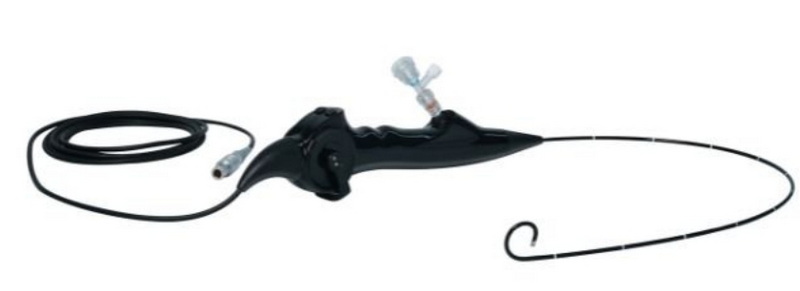
A flexible ureteroscope is a specialized medical instrument designed for examining and treating conditions in the upper urinary tract, including the kidneys and ureters. Unlike rigid scopes, the flexible ureteroscope features a pliable shaft and a deflectable tip that can be actively controlled by the urologist. This design allows the flexible ureteroscope to navigate the natural curves of the ureter and access all portions of the renal collecting system. Modern flexible ureteroscope systems typically incorporate digital imaging technology, working channels for instrument passage, and sophisticated deflection mechanisms that make them indispensable for many minimally invasive urological procedures.
The fundamental difference between flexible and rigid ureteroscopes lies in their mechanical properties and resulting clinical applications. A rigid ureteroscope maintains a straight, inflexible configuration that provides excellent stability and larger working channels but cannot navigate beyond the straight portions of the distal ureter. In contrast, a flexible ureteroscope incorporates a pliable shaft and actively deflectable tip that can traverse the curved proximal ureter and access the entire intrarenal collecting system. While the rigid ureteroscope remains valuable for distal ureteral procedures, the flexible ureteroscope provides unparalleled access to the upper urinary tract, making it essential for renal stones and proximal ureteral pathology.
The flexible ureteroscope is particularly valuable for procedures involving the proximal ureter and kidneys. Renal stone management represents the most common application for the flexible ureteroscope, as it enables laser lithotripsy of stones regardless of their calyceal location. Diagnosis and treatment of upper tract urothelial carcinoma also typically require a flexible ureteroscope for comprehensive inspection of the collecting system and targeted biopsy or tumor ablation. Additional indications for flexible ureteroscope use include evaluation of unexplained hematuria, treatment of calyceal diverticula, management of ureteral strictures, and retrieval of foreign bodies from the upper urinary tract.
The lifespan of a reusable flexible ureteroscope varies considerably based on usage patterns, reprocessing methods, and operator technique. Most reusable flexible ureteroscope instruments require repair or replacement after 10-30 procedures, though this range can be wider depending on the specific model and handling practices. Common reasons for flexible ureteroscope failure include damage to the deflection mechanism, working channel leaks, and deterioration of image quality. Proper handling, meticulous reprocessing, and regular maintenance can extend the usable life of a flexible ureteroscope. The emergence of single-use flexible ureteroscope systems provides an alternative that eliminates durability concerns while ensuring consistent performance for each procedure.
Digital flexible ureteroscope systems offer several significant advantages over earlier fiberoptic models. The most notable improvement is in image quality, with digital flexible ureteroscope designs providing higher resolution, better color reproduction, and enhanced contrast compared to fiberoptic systems. Digital flexible ureteroscope models also eliminate the pixelation characteristic of fiber bundle imaging and offer superior performance in low-light conditions. From a durability perspective, digital flexible ureteroscope instruments are generally more robust than fiberoptic models, as they don't suffer from the broken fiber bundles that gradually degrade image quality in fiberoptic scopes. The digital platform also enables integration of enhanced imaging modalities such as narrow-band imaging in advanced flexible ureteroscope systems.
[1] https://uroweb.org/guideline/urolithiasis
[2] https://www.auanet.org/guidelines/guidelines/kidney-stones-surgical-management-guideline
[3] https://www.ncbi.nlm.nih.gov/pmc/articles/PMC4708572
[4] https://www.liebertpub.com/doi/10.1089/end.2019.0217
[5] https://www.sciencedirect.com/science/article/abs/pii/S0094014320301152


