
Views: 222 Author: Lake Publish Time: 2025-11-06 Origin: Site


Content Menu
● The Primary Materials Used in Medical Gloves
● Natural Rubber Latex Medical Gloves
● Manufacturing Process and Quality Control
● Specialized and Eco-Friendly Medical Gloves
>> 1. What are the main materials used in medical gloves?
>> 2. Why are nitrile medical gloves preferred over latex?
>> 3. Are vinyl medical gloves safe for medical use?
>> 4. How are medical gloves tested for quality?
>> 5. What are the environmental impacts of medical gloves?
Medical gloves are indispensable personal protective equipment (PPE) in healthcare settings, serving as a critical barrier against pathogens, chemicals, and contaminants. As a company deeply involved in the medical visualization industry, we recognize the importance of material science in developing reliable medical devices, from endoscopy systems to disposable ureteroscopes. Similarly, the composition of medical gloves directly impacts their performance, safety, and suitability for specific tasks. This article delves into the materials used to manufacture medical gloves, exploring their properties, manufacturing processes, and applications. Understanding what medical gloves are made of is essential for healthcare professionals to make informed decisions, ensuring optimal protection and compliance with industry standards.
The evolution of medical gloves has been marked by innovations in material technology, driven by the need to address issues such as allergies, durability, and environmental sustainability. Initially made from natural rubber latex, medical gloves now include synthetic alternatives like nitrile and vinyl, each offering unique advantages. For instance, nitrile medical gloves are known for their chemical resistance, while vinyl gloves provide a cost-effective solution for low-risk tasks. As an OEM service provider for bronchoscopy workstations and medical image processors, we appreciate the importance of material selection in product design. This article will examine the key materials used in medical gloves, their manufacturing processes, and how they compare in terms of safety, comfort, and functionality.
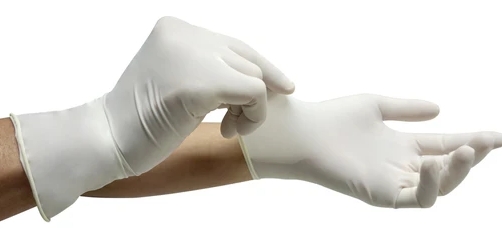
Medical gloves are primarily made from three materials: natural rubber latex, nitrile, and vinyl. Each material has distinct properties that make it suitable for specific applications in healthcare settings. Natural rubber latex, derived from the sap of the *Hevea brasiliensis* tree, is known for its elasticity, comfort, and biodegradability. However, latex medical gloves can cause allergic reactions in some individuals, leading to the development of synthetic alternatives. Nitrile medical gloves, made from acrylonitrile-butadiene rubber, offer superior puncture and chemical resistance, making them ideal for high-risk environments. Vinyl medical gloves, constructed from polyvinyl chloride (PVC), are lightweight and affordable but provide less protection against pathogens and chemicals.
The choice of material for medical gloves depends on factors such as the intended use, the wearer's sensitivity, and regulatory requirements. For example, in surgical settings, where precision and barrier integrity are paramount, latex or nitrile medical gloves are often preferred. In contrast, for short-term, low-risk tasks like patient examinations, vinyl gloves may be sufficient. As manufacturers of visual flexible laryngoscopes and video laryngoscopes, we understand the importance of selecting the right materials to ensure device reliability and user safety. Similarly, the material composition of medical gloves must align with their intended application to maximize protection and minimize risks.
Natural rubber latex has been the traditional material for medical gloves since the late 19th century. Its exceptional elasticity, tactile sensitivity, and comfort make it a popular choice for surgical and examination gloves. The production of latex medical gloves begins with the harvesting of latex from rubber trees. The liquid latex is then compounded with additives such as vulcanizing agents, accelerators, and antioxidants to enhance its strength and durability. During manufacturing, ceramic or aluminum hand molds are dipped into the latex compound, forming a thin film that is later vulcanized to create the final glove.
Despite their advantages, latex medical gloves pose a significant risk of allergic reactions. Proteins naturally present in latex can trigger Type I hypersensitivity reactions, ranging from mild skin irritation to anaphylaxis. Additionally, chemicals used in the manufacturing process, such as thiurams and mercaptobenzothiazole, can cause Type IV allergic contact dermatitis. To mitigate these risks, many healthcare facilities have adopted low-protein, powder-free latex medical gloves or switched to synthetic alternatives. For instance, in environments where bronchoscopy workstations are used, avoiding latex medical gloves can prevent allergic reactions in sensitive patients or staff.
The environmental impact of latex medical gloves is another consideration. While natural rubber is biodegradable, the additives and chemicals used in production can affect their sustainability. Moreover, the cultivation of rubber trees has been linked to deforestation in some regions. Despite these challenges, latex medical gloves remain widely used due to their cost-effectiveness and performance. However, the trend toward synthetic materials is growing, particularly in regions with high rates of latex allergies.
Nitrile medical gloves have gained popularity as a durable and hypoallergenic alternative to latex. Made from a synthetic copolymer of acrylonitrile and butadiene, nitrile gloves offer excellent puncture, chemical, and abrasion resistance. These properties make them ideal for use in high-risk settings, such as emergency rooms, laboratories, and surgeries involving sharp instruments. The manufacturing process for nitrile medical gloves involves dipping hand molds into a nitrile compound, followed by curing and leaching to remove residual chemicals.
One of the key advantages of nitrile medical gloves is their low allergy risk. Unlike latex gloves, nitrile does not contain natural proteins that trigger allergic reactions. This makes them a safer option for healthcare workers and patients with latex sensitivities. Additionally, nitrile medical gloves provide superior chemical resistance, protecting against a wide range of substances, including chemotherapy drugs, disinfectants, and solvents. This is particularly important in settings where medical image processors and other sensitive equipment are used, as chemical exposure can compromise device functionality.
However, nitrile medical gloves are generally more expensive than latex or vinyl gloves. They also offer less elasticity, which can affect comfort and tactile sensitivity during prolonged use. To address these issues, manufacturers have developed thinner, more flexible nitrile gloves without compromising strength. For example, advanced nitrile medical gloves used in procedures involving disposable ureteroscopes provide the dexterity needed for precise movements while maintaining barrier integrity. As the demand for nitrile medical gloves continues to rise, ongoing research aims to improve their comfort and environmental profile.
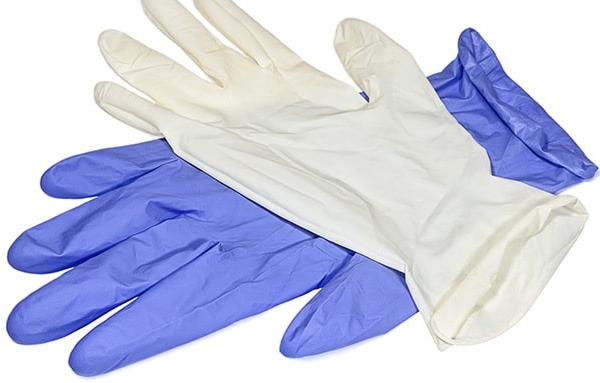
Vinyl medical gloves are made from polyvinyl chloride (PVC) and plasticizers, which give them their flexibility. They are the most cost-effective option among medical gloves, making them suitable for high-volume, low-risk tasks such as food handling, patient examinations, and non-invasive procedures. The manufacturing process for vinyl medical gloves involves dipping hand molds into a PVC paste, which is then heated to form a flexible film. Unlike latex and nitrile gloves, vinyl gloves are not vulcanized, which contributes to their lower durability.
The primary advantage of vinyl medical gloves is their affordability. They are also free from natural latex proteins, making them a safe choice for individuals with latex allergies. However, vinyl gloves offer limited protection against pathogens and chemicals. Their looser fit and lower tensile strength increase the risk of tearing, particularly during tasks requiring fine motor skills. For this reason, vinyl medical gloves are not recommended for surgical procedures or high-risk environments where bronchoscopy workstations or endoscopy systems are used.
Another concern with vinyl medical gloves is the use of plasticizers, such as phthalates, which have been linked to health and environmental issues. Some regions have restricted the use of certain phthalates in medical products, leading to the development of phthalate-free vinyl gloves. While vinyl medical gloves remain a viable option for low-risk applications, their limitations highlight the importance of selecting the right glove material based on the specific task and potential hazards.
The production of medical gloves involves a series of precise steps to ensure consistency, safety, and performance. The process begins with the preparation of the raw material, whether latex, nitrile, or vinyl. For latex medical gloves, the liquid latex is compounded with additives to enhance its properties. For synthetic gloves, the polymer compounds are mixed with plasticizers, stabilizers, and colorants. The prepared solution is then transferred to a production line where ceramic or aluminum hand molds are cleaned and coated with a coagulant to facilitate the even deposition of the material.
The molds are dipped into the glove solution, forming a thin film. After dipping, the gloves undergo leaching to remove residual chemicals and proteins (in the case of latex). They are then vulcanized (for latex and nitrile) or cured (for vinyl) to strengthen the material. The final steps include beading the cuff, stripping the gloves from the molds, and packaging them in sterile conditions. Throughout the process, quality control measures are implemented to test for defects, thickness, and barrier integrity. As a manufacturer of medical visualization devices, we apply similar rigorous quality standards to our disposable ureteroscopes and video laryngoscopes to ensure reliability.
Regulatory bodies such as the FDA and CE require medical gloves to meet specific standards for physical properties, biocompatibility, and safety. For example, ASTM International sets guidelines for tensile strength, elongation, and leak resistance. Manufacturers must also adhere to good manufacturing practices (GMP) to minimize contamination and ensure consistency. Quality control tests, such as water leak tests and air inflation tests, are conducted on random samples from each batch to verify compliance. These measures are critical to ensuring that medical gloves provide the intended protection in clinical settings.
In response to growing environmental and health concerns, manufacturers have developed specialized medical gloves with enhanced features. For instance, gloves with extended cuffs provide additional protection for the wrists and forearms, while textured surfaces improve grip in wet conditions. Some medical gloves are coated with polymer layers to reduce friction, making them easier to don without the need for powders. Powder-free gloves have become the standard in healthcare to avoid the risks associated with powder, such as respiratory issues and wound contamination.
Eco-friendly medical gloves are another emerging trend. Biodegradable nitrile gloves, for example, are designed to break down more quickly in landfills, reducing their environmental impact. Similarly, latex medical gloves from sustainably managed rubber plantations appeal to environmentally conscious consumers. However, the development of truly sustainable medical gloves faces challenges, such as balancing biodegradability with performance and shelf life. As an OEM provider for bronchoscopy workstations and medical image processors, we recognize the importance of sustainability in medical device manufacturing and support efforts to create greener alternatives.
The future of medical gloves may include innovations such as smart gloves integrated with sensors to monitor vital signs or detect contaminants. While these advancements are still in early stages, they hold the potential to enhance the functionality of medical gloves beyond mere protection. For now, the focus remains on improving the safety, comfort, and sustainability of existing materials to meet the evolving needs of healthcare professionals.
Medical gloves are vital tools in infection control, made from materials like latex, nitrile, and vinyl, each with unique properties and applications. Latex medical gloves offer excellent elasticity and comfort but pose allergy risks. Nitrile medical gloves provide superior chemical and puncture resistance, making them ideal for high-risk tasks. Vinyl medical gloves are cost-effective for low-risk environments but lack the durability of their counterparts. The manufacturing process and quality control measures ensure that these gloves meet stringent safety standards, much like the rigorous testing applied to medical visualization devices such as endoscopy systems and disposable ureteroscopes.
As the healthcare industry evolves, so too will the materials and designs of medical gloves. The shift toward synthetic, eco-friendly, and specialized gloves reflects a broader trend of innovation in medical PPE. For healthcare providers, understanding the composition and capabilities of medical gloves is essential for selecting the right protection for each task. By prioritizing material science and quality, manufacturers can continue to enhance the safety and effectiveness of medical gloves, ultimately contributing to better patient outcomes and a healthier world.
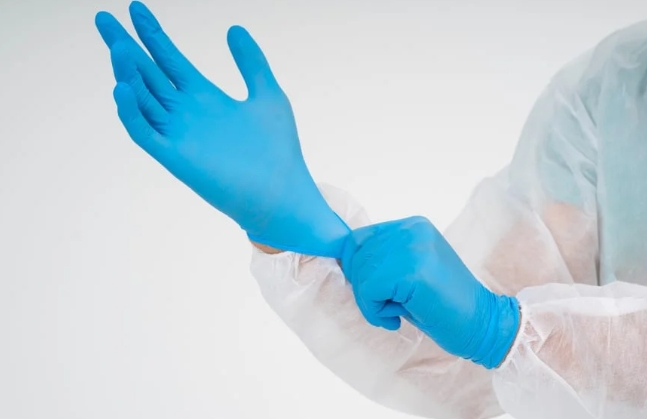
The primary materials for medical gloves are natural rubber latex, nitrile (a synthetic rubber), and vinyl (polyvinyl chloride). Each material offers distinct benefits: latex is elastic and comfortable, nitrile is durable and chemical-resistant, and vinyl is affordable and latex-free.
Nitrile medical gloves are preferred by individuals with latex allergies because they do not contain natural latex proteins. They also offer superior puncture and chemical resistance, making them suitable for high-risk environments like surgeries and laboratories.
Vinyl medical gloves are safe for low-risk tasks such as patient examinations and non-invasive procedures. However, they provide less protection against pathogens and chemicals compared to latex or nitrile gloves and are not recommended for surgical use.
Medical gloves undergo rigorous quality control tests, including checks for thickness, tensile strength, and barrier integrity. Tests like water leak and air inflation ensure the gloves meet standards set by organizations like ASTM International and regulatory bodies like the FDA.
Latex medical gloves are biodegradable but may involve deforestation for rubber cultivation. Nitrile and vinyl gloves are not easily biodegradable and contribute to landfill waste. Eco-friendly alternatives, such as biodegradable nitrile gloves, are being developed to address these concerns.


