
Views: 222 Author: Lake Publish Time: 2025-10-31 Origin: Site


Content Menu
● Growth of the Disposable Ureteroscope Market
● Disposable Ureteroscope Technology and Applications
● Major Disposable Ureteroscope Manufacturers and Suppliers in Russia
>> Boston Scientific Corporation
● OEM and ODM Opportunities in Russia
● Market Segmentation and Key Insights
● Clinical Advantages and Considerations
● Russian Healthcare Policy and Regulatory Trends
● Industry Challenges and Opportunities
● Integration of New Technologies
● Frequently Asked Questions (FAQ)
>> 1. Who are the top disposable ureteroscope manufacturers and suppliers in Russia?
>> 2. What are the main benefits of disposable ureteroscopes?
>> 3. How does the regulatory environment affect device selection in Russia?
>> 4. Are OEM and tailored device solutions available for international buyers?
>> 5. What trends are shaping the future of Russia's disposable ureteroscope market?
In the modern medical landscape, the demand for safe, efficient, and technologically advanced endourological devices has led to remarkable growth in the use of Disposable Ureteroscopes. These single-use instruments are essential for hospitals, clinics, and OEM partners seeking to reduce infection risk, streamline procedures, and provide reliable patient care. Russia, with its expanding healthcare infrastructure and regulatory updates, has become a crucial market for both international and regional Disposable Ureteroscope Manufacturers and Suppliers. This article will explore market trends, major industry players, innovative products, clinical applications, and best procurement practices—all grounded in current industry research.

The disposable ureteroscope market is witnessing robust and sustained growth globally and within Russia. The sector was valued at over USD 193 million in 2024, with projections indicating steady expansion to USD 203 million in 2025 and beyond, reaching as high as USD 259 million by 2030 at a CAGR of nearly 5%. Key drivers for this growth include the prioritization of infection control, regulations favoring single-use devices, increasing rates of urolithiasis and kidney cancer, and advancing healthcare technology.[1][5]
Russia's market landscape is shaped by factors such as increased government spending on hospitals, the growing prevalence of urological diseases, and elevated awareness of minimally invasive surgical techniques. Both public and private clinical centers are investing in disposable ureteroscope fleets to meet patient care standards and address growing procedure volumes.[6][11]
Disposable ureteroscopes exist in both flexible and rigid formats, designed for navigating complex urinary anatomy and performing therapeutic as well as diagnostic interventions. Leading-edge devices increasingly feature digital CMOS sensors, fiber-optic visualization, improved ergonomics, and high-definition imaging. Core applications within Russian hospitals include:
- Management of kidney cancer and strictures
- Treatment of urolithiasis (kidney stones)
- Minimally invasive interventions for urethral and ureteral disorders
- Routine endourological diagnostics in high-security environments[1][6]
The evolution of product technology is also reflected in the integration of advanced features such as real-time intrarenal pressure monitoring, laser lithotripsy capabilities, and streamlined plug-and-play usability for busy procedural suites.[5][6]
Olympus stands as a global leader in ureteroscope technology and has a commanding market presence across Russia. Their single-use flexible scopes are widely preferred for high-precision procedures, offering top-tier image quality and device reliability. Olympus continues to innovate by incorporating improved digital optics and ergonomic features, making their products standard equipment in many Russian hospitals.[2][6]
Boston Scientific's LithoVue™ and LithoVue Elite single-use digital ureteroscopes are recognized for ease of use, sophisticated imaging, and the integration of new monitoring technologies. The company's strong distribution networks ensure broad reach throughout Russia, particularly for OEM and clinical supply partnerships. Boston Scientific is known for ongoing R&D, with recent FDA approvals enhancing their technology leadership.[2][5]
With a robust reputation for German engineering, KARL STORZ brings advanced flexible ureteroscope solutions to Russia's high-volume medical centers. Their devices excel in maneuverability and digital clarity, facilitating a broad range of therapeutic and diagnostic procedures.[12][2]
Richard Wolf, together with its sensor-based NeoScope systems, is making significant inroads in the Russian disposable ureteroscope marketplace. Their RIWO D-URS Disposable Sensor Ureteroscope is notable for high-definition imaging, efficient rotation, and ergonomic controls.[13]
Other important suppliers and innovators in Russia include:
- Stryker Corporation (digital integration and reliability)
- PENTAX Medical (flexibility and precision optics)
- Ambu (aScope products with seamless workflow integration)
- Dornier MedTech (AXIS series with ergonomic features)
- Seplou Medical, Becton Dickinson, and innoMedicus (emerging competition and ongoing R&D)[6][2]
OEM (Original Equipment Manufacturer) and ODM (Original Design Manufacturer) partnerships are central to Russia's medical device supply chain. Russian distributors and importers, such as Delrus, work with global brands to tailor product offerings for clinical needs and compliance, supporting after-sales services and technical training for local hospitals.[14][15]
Key OEM advantages include:
- Custom adaptation for Russian regulations and practices
- Local language support and training
- Logistics and warranty service for high-value equipment
- Opportunity for branded device solutions for international distributors
OEM collaborations help international manufacturers penetrate Russia's market more effectively while supporting the country's modernization of healthcare equipment.
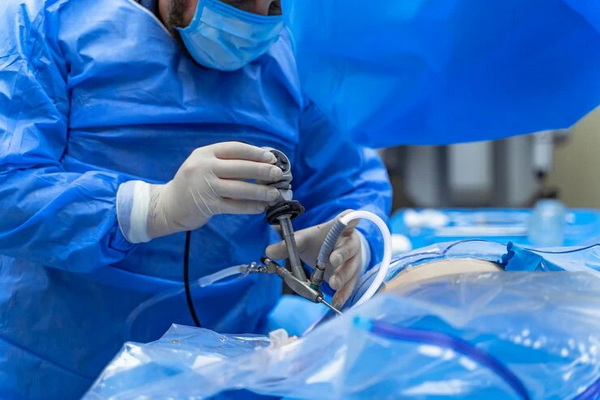
According to recent market analyses, the Russian disposable ureteroscope sector is segmented by:
- Product Type: Flexible and rigid scopes
- Technology Platforms: Digital CMOS and fiber-optic visualization
- Application: Stone management, cancer intervention, stricture treatment
- End-User: Hospitals, clinics, ambulatory surgical centers
- Distribution Channels: Direct procurement, online platforms, B2B partnerships[1][2]
These segments reflect the diverse use cases and requirements within Russian medical facilities, with hospitals remaining the primary users of advanced disposable ureteroscope systems for both diagnostics and therapeutics.
The adoption of disposable ureteroscopes in Russian clinical environments brings several critical benefits:
- Infection Prevention: Single-use design eliminates cross-contamination and healthcare-associated infection risk.[5][1]
- Operational Simplicity: Devices are ready-to-use, cutting down on preparation time and logistical complexity for busy clinics.
- Cost Savings: Although disposables have higher per-unit costs than reusables, long-term savings arise from eliminated sterilization, repair, and compliance expenditures.[2][5]
- Advanced Imaging: Digital sensors allow for real-time high-definition visualization, improving safety and outcomes for both routine and complex interventions.
- Training and Education: Manufacturers support Russian hospitals with educational resources and ongoing training to optimize device usage.
Russian authorities have strengthened health safety regulations in recent years, requiring medical facilities to adopt single-use or thoroughly sterilized devices to combat hospital-acquired infections. Disposable ureteroscopes are often preferred for compliance reasons, and demand is forecast to climb as regulatory scrutiny increases.[11][1]
Procurement decisions are shaped by:
- Need for CE Marking, FDA clearance, and compliance with Russian Ministry of Health directives.[22][11]
- Emphasis on infection control protocols in public and private policy.
- The desire for efficient device utilization in high-demand surgical settings, especially in major metropolitan hospitals.
While the disposable ureteroscope market in Russia is expanding, certain challenges persist:
- High Per-Procedure Device Costs: Single-use devices are more expensive per intervention than traditional multi-use scopes, requiring hospitals to balance budgets over time.[6][2]
- Training Requirements: Effective utilization of advanced scopes calls for investment in professional training and certification.
- Supply Chain and Logistics: Timely device distribution and service maintenance are vital for uninterrupted surgical operations.
However, these challenges are outweighed by the long-term advantages in patient safety, workflow efficiency, and reduced infection-related costs. Opportunities for suppliers and OEM partners abound, including growing hospital demand for clinical solutions and steady government investment in healthcare infrastructure.[1][6]
Research and development in the field are driving continuous improvement:
- Miniaturization: Devices are getting smaller and more flexible to access challenging anatomy.
- Digital Upgrades: Real-time pressure monitoring and advanced imaging provide greater procedural control.
- Laser Lithotripsy: Integrated support for stone fragmentation enhances therapeutic range.
- Data Connectivity: Scopes are increasingly compatible with operating room informatics platforms and cloud-based diagnostic archiving.
Russian hospitals are actively upgrading to these cutting-edge models to maximize clinical performance and meet new healthcare standards.
The Russian market for disposable ureteroscopes is evolving rapidly, powered by regulatory shifts, clinical demand, and technological innovation. International manufacturers such as Olympus, Boston Scientific, KARL STORZ, and Ambu, along with regional partners and OEM distributors like Delrus, are shaping a dynamic sector that values patient safety, operational simplicity, and advanced visualization. As healthcare infrastructure improves and awareness of minimally invasive techniques grows, Russian medical institutions are poised for further advancement in endourology, fostering lasting OEM partnerships and clinical excellence.
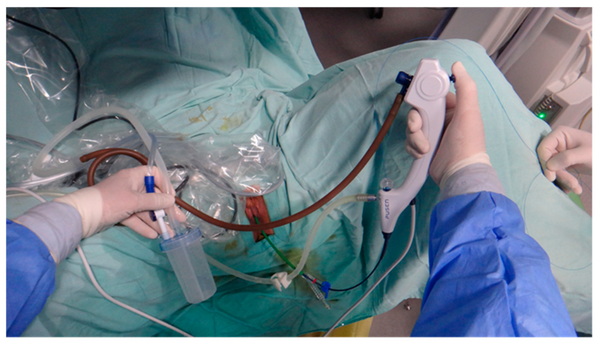
Olympus, Boston Scientific, KARL STORZ, Richard Wolf, NeoScope, Ambu, Stryker, PENTAX Medical, Dornier MedTech, and several regional OEM partners are industry leaders in Russia's disposable ureteroscope market.[12][5][2][6]
Disposable ureteroscopes prevent cross-contamination, eliminate sterilization and repair costs, offer advanced imaging, and speed up clinical workflows in high-turnover settings.[2][1]
Russian policies encourage the use of single-use medical devices to ensure compliance with infection prevention standards. Certified scopes with CE, FDA, or Russian Ministry of Health approval are prioritized in hospital procurement.[11][22]
Yes. International buyers, distributors, and hospitals can leverage Russian OEM and ODM partnerships for customized disposable ureteroscope solutions, technical support, and localization.[15][14][5]
Key trends include market growth driven by minimally invasive procedures, advancements in device miniaturization and imaging, robust government healthcare investments, and ongoing training in device applications for clinicians.[5][11][6][2]
[1](https://www.researchandmarkets.com/report/disposable-ureteroscope)
[2](https://www.archivemarketresearch.com/reports/single-use-flexible-ureteroscope-539475)
[3](https://www.linkedin.com/pulse/single-use-flexible-ureteroscope-market-trends-application-ak5pf)
[4](https://www.archivemarketresearch.com/reports/disposable-ureteroscope-311555)
[5](https://www.techsciresearch.com/report/disposable-ureteroscope-market/14344.html)
[6](https://www.marketreportanalytics.com/reports/ureteroscopes-46833)
[7](https://www.marketstatsville.com/disposable-ureteroscopes-market)
[8](https://www.marketreportanalytics.com/reports/disposable-ureteropelvic-endoscope-281603)
[9](https://www.transparencymarketresearch.com/ureteroscope-market.html)
[10](https://www.snsinsider.com/reports/ureteroscope-market-3238)
[11](https://straitsresearch.com/report/ureteroscope-market)
[12](https://www.medicaldevice-network.com/data-insights/ureteroscopes-russia-market-size/)
[13](https://www.youtube.com/watch?v=vAo3srcD8bA)
[14](https://www.delrus.com)
[15](https://besdatatech.com/single-use-endoscope/)
[16](https://www.youtube.com/watch?v=j3-ghkIjjn4)
[17](https://www.youtube.com/watch?v=zBWaqSIwVL8)
[18](https://www.medicalexpo.com/medical-manufacturer/ureteroscope-64874.html)
[19](https://www.dornier.com/americas/products-item/axis-ii-family/)
[20](https://www.alibaba.com/product-detail/Medical-Flexible-Video-Ureteroscope-Disposable-Ureteroscope_1601485159685.html)
[21](https://besdatatech.com/ureteroscope-guide)
[22](https://www.scivitamedical.com/news1/101.html)


