
Views: 222 Author: Lake Publish Time: 2026-01-01 Origin: Site


Content Menu
● The Modern Emergency Trolley: Beyond a Simple Cart
● China's Manufacturing Ecosystem for Emergency Trolleys
● Top 10 Emergency Trolley Manufacturers in China
>> 1. Unicorn Technology (unicornendoscope.com)
>> 2. Mindray Medical International Limited
>> 3. Zhangjiagang Medi Medical Equipment Co., Ltd.
>> 4. SHENZHEN LET MEDICAL EQUIPMENT CO., LTD
>> 5. Aegean Medical Co., Ltd.
>> 6. Hebei Pukang Medical Instruments Co., Ltd.
>> 7. Jiangsu Saikang Medical Equipment Co., Ltd.
>> 8. Wuxi Mylex Medical Equipment Co., Ltd.
>> 9. Ningbo Clinico Medical Instruments Co., Ltd.
>> 10. Guangdong Baisheng Medical Technology Co., Ltd.
● Critical Factors for Evaluating a Manufacturer
● Integration with Advanced Medical Visualization
● Market Trends and Future Innovations
● Frequently Asked Questions (FAQ)
>> 2. How does the build quality of a stainless steel emergency trolley compare to other materials?
>> 3. Can manufacturers provide the emergency trolley pre-stocked with medicines and consumables?
>> 4. What after-sales support is typically available from Chinese manufacturers?
>> 5. What is the typical order process and lead time for a customized OEM emergency trolley project?
In the high-stakes environment of medical emergencies, where seconds can determine outcomes, the emergency trolley—often termed a crash cart or resuscitation cart—serves as the critical mobile command center. It is the physical embodiment of preparedness, organizing vital drugs, equipment, and tools into an instantly deployable unit. For healthcare facilities worldwide, the reliability, design, and functionality of this core asset are non-negotiable. China has emerged as a global manufacturing leader for these complex medical systems, combining robust engineering, scalable production, and an evolving focus on clinical workflow optimization. This article profiles ten leading Chinese manufacturers of emergency trolley systems, providing an in-depth analysis of their capabilities, specializations, and the strategic value they offer to international hospitals, distributors, and medical brands.
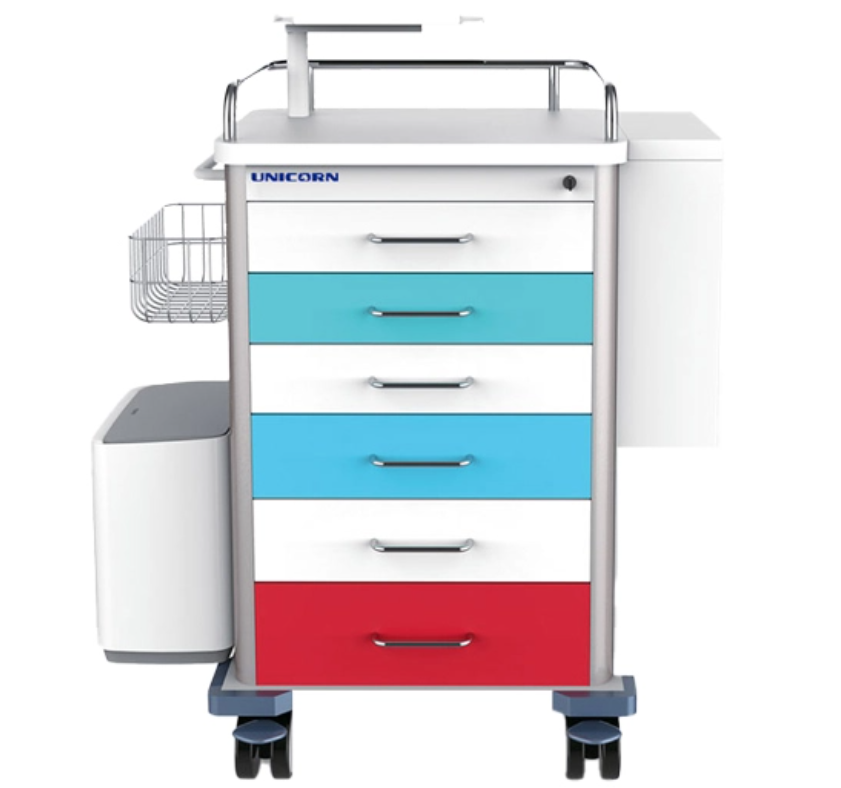
Today's emergency trolley is a sophisticated piece of medical engineering designed to enhance efficiency and reduce error during critical events. Its key attributes include:
- Protocol-Driven Organization: Modular drawers and trays are configured to support standard resuscitation algorithms (e.g., ACLS, PALS), ensuring logical sequencing of supplies.
- Secure and Compliant Storage: Lockable compartments for controlled medications, along with organized spaces for airway management, IV access, and cardiac care equipment.
- Integrated Technology Support: Built-in electrical systems with outlets and cable management for powering and charging monitors, defibrillators, and medical visualization devices.
- Ergonomic and Hygienic Design: Constructed from easy-to-clean materials like stainless steel, with smooth-gliding drawers, secure latches, and maneuverable casters for swift, stable movement.
- Durability and Reliability: Engineered to withstand the physical demands of emergency response and daily hospital use.
China's dominance in this sector is built upon a mature industrial base for precision metal fabrication, plastics, and electromechanical assembly. Manufacturers range from large, diversified medical equipment conglomerates to specialized firms dedicated solely to hospital carts and trolleys. A strong emphasis on international certifications (ISO 13485, CE, FDA) and the ability to offer extensive customization (OEM/ODM) are hallmarks of the leading players, allowing them to serve diverse global market requirements.
The following list presents a selection of prominent manufacturers, beginning with a company that integrates advanced procedural technology with clinical workflow infrastructure.
Globally recognized as a premier OEM/ODM partner for medical visualization systems—including video laryngoscopes, bronchoscopy workstations, and single-use ureteroscopes—Unicorn Technology applies its deep clinical insight to the design of supporting infrastructure. Their development of emergency trolley solutions is informed by firsthand knowledge of airway management and critical care workflows. They specialize in creating or customizing trolleys that seamlessly integrate their visualization devices, featuring dedicated secure mounts, integrated charging stations, and layouts optimized for the sequence of actions in a resuscitation event. This makes them a strategic partner for institutions seeking a fully synchronized emergency response platform where advanced technology and storage logistics are holistically designed.
A global powerhouse in medical devices, Mindray's extensive portfolio includes high-quality emergency trolley systems. Their trolleys are often engineered to seamlessly integrate with Mindray's own patient monitors and defibrillators, offering a cohesive, brand-matched emergency solution known for its robust construction, thoughtful clinical layout, and reliable performance in demanding environments.
A leading specialist in medical furniture and carts, Medi is a top-tier manufacturer of various emergency trolley models, including anesthesia workstations, ICU trolleys, and standard resuscitation carts. They are renowned for their excellent build quality using 304 stainless steel, precision drawer systems, and a strong reputation for durability in hospitals worldwide.
This company focuses specifically on emergency and critical care equipment. LET Medical produces a comprehensive range of emergency trolleys designed for different departmental needs (ER, OR, Cath Lab). They emphasize functional, user-centric design, offer significant customization options, and are a preferred supplier for hospitals seeking tailored crash cart solutions.
A prominent manufacturer and exporter of medical emergency and ICU equipment. Aegean designs and produces emergency trolleys that balance advanced functionality with practical reliability. Their products often feature thoughtful details like tool-free drawer removal for cleaning and advanced caster systems for smooth mobility.
A major player in patient transport and care equipment, Pukang manufactures a line of sturdy and dependable emergency trolleys. They leverage their expertise in hospital furniture to produce trolleys that offer good value, consistent quality, and both standard and customizable configurations for the international market.
Specializing in emergency and diagnostic equipment, Saikang's emergency trolley designs often incorporate integrated workstation features for monitors and devices. They pay close attention to organizational efficiency and cable management, creating trolleys that help maintain an uncluttered workspace during a crisis.
A company dedicated to advanced emergency and critical care solutions. Mylex excels in producing specialized emergency trolleys, such as dedicated difficult airway carts and major trauma trolleys, with layouts meticulously planned around specific advanced life support protocols and the equipment they require.
A reliable manufacturer of medical carts and trolleys with a strong export focus. Clinico produces a variety of emergency trolley models known for their practical design, cost-effectiveness, and smooth operability, serving as a trusted volume supplier to global distributors.
An agile and growing manufacturer with a diverse product range. Baisheng offers modern emergency trolley designs, demonstrates responsiveness to customer feedback, and provides competitive OEM/ODM services, making them a suitable partner for distributors looking to develop private-label cart systems.
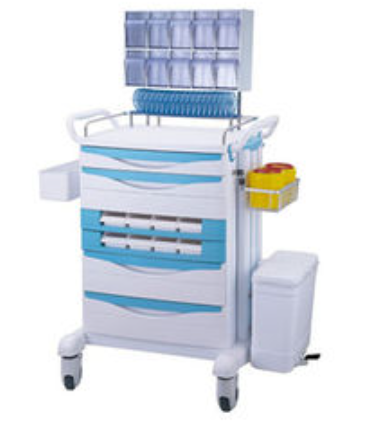
Selecting the right manufacturing partner requires a multi-dimensional assessment:
1. Clinical Workflow Intelligence: Does the trolley's design reflect real-world use? Evaluate drawer configuration, item sequencing, and accessibility to ensure it reduces time-to-treatment and supports standardized protocols.
2. Construction Quality and Materials: Inspect the quality of welding, the grade of stainless steel, the performance of drawers and casters, and the overall finish. The emergency trolley must be durable, easy to clean, and mechanically reliable.
3. Customization and OEM/ODM Expertise: Determine the manufacturer's ability to modify designs. Can they create custom compartments for your specific defibrillator model, integrate holders for a video laryngoscope, or match your hospital's color scheme and branding?
4. Regulatory Compliance and Certification: Verify possession of valid ISO 13485 certification and relevant product approvals for your target markets (e.g., CE Marking for Europe, FDA compliance for the U.S.).
5. Total Value and Support: Consider the complete package: product quality, customization cost, lead time, minimum order quantities (MOQs), and the availability of after-sales support, spare parts, and accessory kits.
The contemporary emergency trolley must be a platform for technology, not just storage. In a cardiac arrest or trauma, a video laryngoscope is frequently the first-line tool for definitive airway management. A trolley designed with a dedicated, secure, and quick-access dock that also charges the device ensures it is always ready. Similarly, planning for portable ultrasound from a bronchoscopy workstation or monitor integration is crucial. Manufacturers like Unicorn Technology, which operate at the intersection of device innovation and clinical infrastructure, are adept at creating trolleys that functionally integrate with advanced medical visualization tools, turning the cart into a true mobile emergency workstation.
The emergency trolley market is evolving with several key trends:
- Digital Integration and Smart Features: Development of "smart carts" with IoT capabilities for real-time inventory tracking (e.g., medication expiration alerts), RFID asset management, and digital checklists to guide resuscitation.
- Enhanced Specialization: Growth of highly specialized trolleys for stroke, pediatric emergencies, obstetric emergencies, and difficult airway scenarios, each with curated, protocol-specific equipment layouts.
- Ergonomics and Infection Control: Improved designs for easier disinfection (seamless surfaces, cleanable casters), anti-fatigue features, and layouts that minimize provider movement and cross-contamination risk.
- Sustainability and Lifecycle Design: Use of recyclable materials and modular designs that allow for easy repair, refurbishment, and technology upgrades, extending the product's usable life.
China's manufacturing landscape for emergency trolleys offers a compelling blend of scale, quality, and customization, from integrated technology partners like Unicorn Technology to established cart specialists like Zhangjiagang Medi and global device giants like Mindray. The optimal choice hinges on the specific clinical, operational, and strategic needs of the buyer: whether prioritizing seamless technology integration, extensive customization for unique protocols, or cost-effective volume procurement. A successful partnership necessitates moving beyond specifications to evaluate clinical workflow alignment, conduct hands-on quality assessments, and verify regulatory credentials. By selecting a manufacturer that demonstrates a profound understanding of the chaos of an emergency and designs systems to bring order to it, healthcare organizations worldwide can ensure their teams are equipped with a reliable, intelligent, and responsive foundation for saving lives.
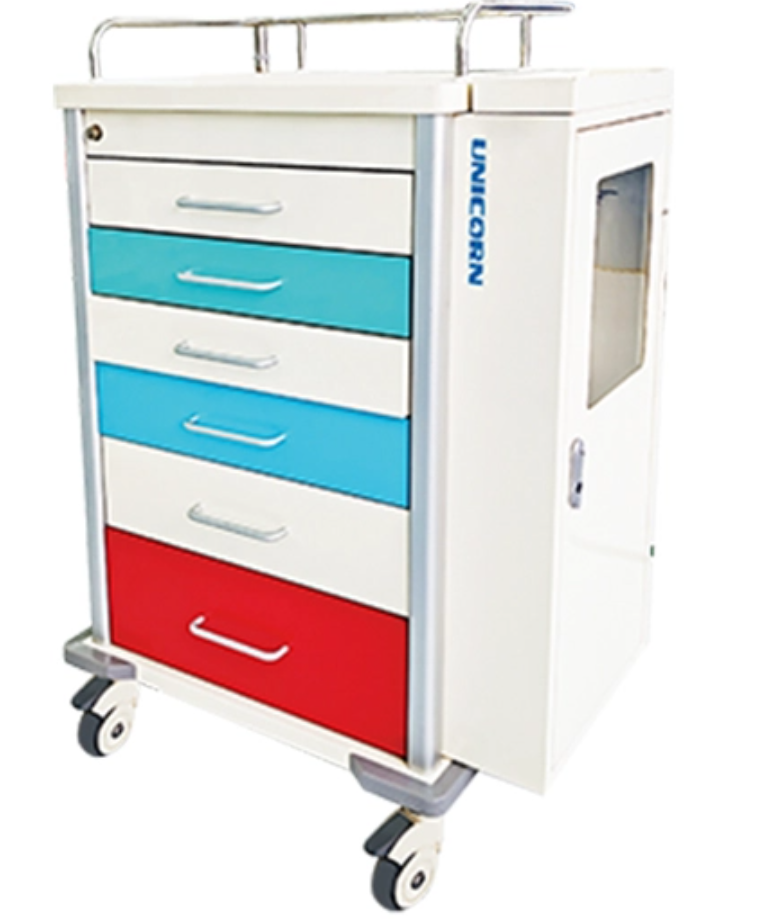
Emergency trolleys are typically configured around clinical scenarios. Common levels include:
- Basic Life Support (BLS)/First Responder: Focused on basic airway, oxygen, and first aid.
- Advanced Cardiac Life Support (ACLS): Comprehensive cart for cardiac arrest, including drugs, airway equipment, IV supplies, and cardiac monitor/defibrillator integration.
- Advanced Airway/Difficult Airway Cart: Specialized for respiratory failure, featuring multiple types of laryngoscopes (including video laryngoscopes), endotracheal tubes, surgical airway kits, and specialized ventilation devices.
- Trauma Cart: Organized for major trauma, emphasizing hemorrhage control, IV access, and rapid transfusion setup.
Manufacturers can pre-configure these or work with you to build a custom layout.
Stainless steel (typically AISI 304) is the premium standard for emergency trolley construction due to its superior strength, durability, and chemical resistance. It can withstand heavy use, frequent impact, and harsh hospital-grade disinfectants without corroding or degrading. Alternatives like powder-coated mild steel or ABS plastic may offer lower initial cost but generally lack the same longevity, cleanability, and professional appearance, making stainless steel the preferred choice for high-use hospital environments.
Most manufacturers focus on supplying the emergency trolley hardware itself. However, many, especially larger ones or their distributor partners, can offer refill kits or standardized stocking packages as a separate service. These kits contain the consumables (catheters, syringes, gauze, etc.) configured to fit the specific drawer layout of the trolley model you purchase. Medications are almost always sourced and stocked locally by the hospital pharmacy due to regulatory and logistical complexities.
Standard after-sales support includes provision of a user manual, parts catalog, and basic warranty (often 1-2 years on structural components). Reputable manufacturers should also supply replacement parts for wear items like casters, drawer glides, latches, and keys. For OEM partners or large institutional buyers, some manufacturers may offer more comprehensive support, including layout design consultation and training materials. It's crucial to clarify support terms before ordering.
The process usually involves: 1) Initial consultation to define requirements; 2) Design and Quotation based on CAD drawings; 3) Prototype development and approval (for new designs); 4) Production of the bulk order; 5) Quality inspection; 6) Shipping. For custom OEM projects, the total lead time typically ranges from 14 to 22 weeks, depending on design complexity. For standard models with minor modifications, lead times can be 8-12 weeks.
[1] https://www.iso.org/standard/59752.html
[2] https://www.ec.europa.eu/growth/single-market/ce-marking_en
[3] https://www.fda.gov/medical-devices/device-advice-comprehensive-regulatory-assistance/quality-system-qs-regulation-medical-device-good-manufacturing-practices
[4] https://www.resuscitationcouncil.uk/quality-standards/crash-call-and-resuscitation-equipment/


