
Views: 222 Author: Lake Publish Time: 2025-11-13 Origin: Site


Content Menu
● Understanding Endoscope Classification
>> Rigid vs. Flexible Endoscopes
>> Defining Characteristics of Flexible Endoscopes
● The Evolution of Ureteroscope Design
● Flexible Ureteroscope Characteristics
● Clinical Applications of Flexible Ureteroscopes
● Comparison with Rigid Ureteroscopes
>> Clinical Applications Comparison
● The Future of Ureteroscope Technology
>> Integration with Complementary Technologies
● FAQ
>> 1. What exactly is a flexible ureteroscope?
>> 2. How does a flexible ureteroscope differ from a rigid ureteroscope?
>> 3. What procedures typically require a flexible ureteroscope?
>> 4. Are all ureteroscopes flexible?
>> 5. What are the advantages of flexible ureteroscopes over rigid ones?
The question of whether a ureteroscope qualifies as a flexible endoscope requires a nuanced understanding of urological instrumentation and endoscopic classification. In contemporary urological practice, the term ureteroscope actually encompasses two distinct categories of instruments: rigid ureteroscope devices and flexible ureteroscope systems. The flexible ureteroscope represents a specific subtype of endoscope specifically designed for navigation through the tortuous urinary tract, while traditional rigid ureteroscope models maintain important roles in certain clinical scenarios. Understanding the classification, capabilities, and appropriate applications of both rigid and flexible ureteroscope devices is essential for urologists, medical device professionals, and healthcare facilities seeking to optimize patient care.
The evolution of ureteroscope technology has dramatically transformed the management of upper urinary tract pathology. As endoscopic capabilities have advanced, the flexible ureteroscope has emerged as a particularly versatile instrument, enabling diagnostic and therapeutic interventions throughout the renal collecting system. This article examines the technical characteristics that define flexible endoscopes, explores how the ureteroscope fits within this classification, and discusses the clinical implications of these design characteristics in modern urological practice.
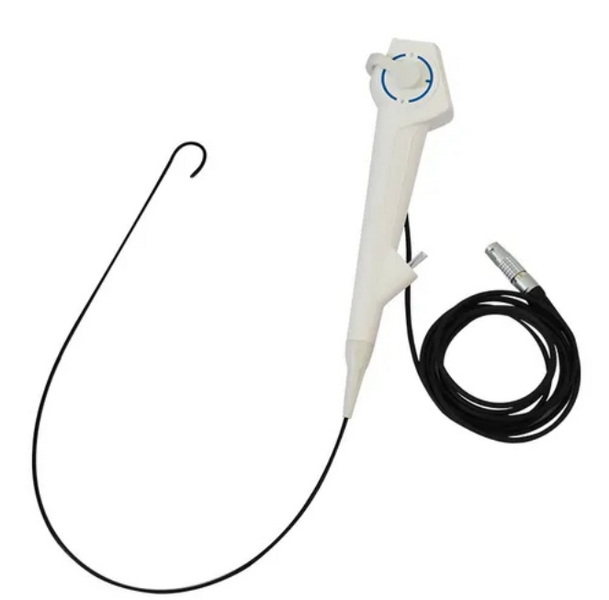
The fundamental division in endoscopic instrumentation separates rigid from flexible devices, a distinction that profoundly influences their clinical applications. Rigid endoscopes maintain a fixed, straight configuration throughout their shaft, providing excellent stability, superior image quality through rod-lens optical systems, and larger working channels relative to their diameter. These characteristics make rigid endoscopes ideal for procedures where direct linear access is possible, such as cystoscopy, arthroscopy, or laparoscopic surgery. The rigid ureteroscope variant follows this same principle, offering advantages for procedures in the straight segments of the distal ureter.
Flexible endoscopes incorporate steerable tips and compliant shafts that can navigate tortuous anatomical pathways. This flexibility comes with certain trade-offs, including potentially reduced image quality in fiberoptic models (though digital flexible endoscopes have largely closed this gap), smaller working channels, and greater mechanical complexity. The flexible ureteroscope belongs to this category, sharing the fundamental characteristic of tip deflectability with other flexible endoscopes such as bronchoscopes, colonoscopes, and gastroscopes. This classification distinction between rigid and flexible ureteroscope designs directly impacts their clinical applications and technical capabilities.
Several key characteristics define an instrument as a flexible endoscope, all of which apply to the flexible ureteroscope. Tip deflectability represents the most fundamental attribute, allowing the endoscopist to steer the instrument tip through curved anatomical structures. This capability is particularly crucial for the flexible ureteroscope, which must navigate the physiological curves of the ureter and access the various calyces of the renal collecting system. The degree of deflection varies among different flexible ureteroscope models, with modern instruments typically offering 270-275 degrees of primary deflection to facilitate lower pole access.
Shaft flexibility constitutes another essential characteristic of flexible endoscopes, including the flexible ureteroscope. Unlike rigid instruments that maintain their shape, the shaft of a flexible ureteroscope must be sufficiently pliable to conform to the ureteral curvature while retaining enough longitudinal stiffness to permit advancement without buckling. This balance between flexibility and pushability represents a key engineering challenge in flexible ureteroscope design. Additionally, flexible endoscopes incorporate working channels that maintain patency despite shaft flexion, allowing passage of instruments regardless of the ureteroscope's configuration—a feature shared by all true flexible endoscopes, including the flexible ureteroscope.
The ureteroscope has undergone significant technological evolution since its initial development, reflecting broader trends in endoscopic instrumentation. Early ureteroscope designs were exclusively rigid, essentially representing longer, thinner cystoscopes adapted for ureteral use. These pioneering rigid ureteroscope models provided the first direct visual access to the ureter but were limited to the distal portion due to their inflexibility. The development of the flexible ureteroscope in the 1980s represented a revolutionary advancement, fundamentally expanding the reach of endoscopic diagnosis and treatment within the upper urinary tract.
The initial flexible ureteroscope models utilized fiberoptic bundles for image transmission, providing adequate but limited visualization compared to contemporary standards. These early flexible ureteroscope designs offered minimal tip deflection and relatively large shaft diameters, restricting their utility. Subsequent generations of flexible ureteroscope instruments incorporated improved deflection mechanisms, smaller profiles, and eventually digital imaging technology. This evolution has positioned the modern flexible ureteroscope as a sophisticated instrument capable of accessing the entire upper urinary tract with excellent visualization and therapeutic capabilities.
Modern flexible ureteroscope technology represents the convergence of several engineering innovations that have enhanced both diagnostic and therapeutic capabilities. Digital imaging sensors deployed at the tip of contemporary flexible ureteroscope models have dramatically improved image quality compared to earlier fiberoptic systems. This advancement allows the flexible ureteroscope to provide high-resolution visualization of mucosal details and pathological findings within the upper urinary tract. The elimination of fiberoptic bundles in digital flexible ureteroscope designs has also improved durability, as broken pixels replace the complete image failure that could occur with damaged fiber bundles.
Deflection mechanisms in flexible ureteroscope instruments have likewise seen significant refinement. Modern flexible ureteroscope models typically offer active primary deflection in at least two directions, with some incorporating secondary deflection to enhance access to challenging calyces. The ergonomics of flexible ureteroscope handling have improved through better weight distribution, more intuitive control systems, and reduced shaft diameters. These technological advancements have solidified the position of the flexible ureteroscope as an indispensable tool in contemporary endourology, distinguishing it from both its rigid ureteroscope counterparts and other types of flexible endoscopes.
The architecture of a flexible ureteroscope incorporates several specialized components that enable its unique functionality within the urinary tract. The deflectable tip represents the most distinctive feature, controlled by tension wires running the length of the instrument shaft. When the control lever on the flexible ureteroscope handle is manipulated, these wires apply force to bend the tip in the desired direction. This mechanism allows the urologist to navigate the flexible ureteroscope through the ureteral curves and selectively enter individual renal calyces—capabilities impossible with a rigid ureteroscope.
The shaft of a flexible ureteroscope consists of multiple layers designed to balance flexibility with torque transmission. A protective outer coating provides a smooth, waterproof surface, while underlying mesh reinforcement prevents kinking while maintaining shaft flexibility. Within this structure run the various functional components: light transmission fibers, image bundles or wires, deflection control wires, and the working channel. The working channel of a flexible ureteroscope, though necessarily small (typically 3.6F), must maintain patency despite shaft flexion, permitting passage of lasers, baskets, and other accessories regardless of the flexible ureteroscope's configuration.
The functional capabilities of the flexible ureteroscope define its clinical utility and distinguish it from rigid ureteroscope alternatives. The primary advantage of the flexible ureteroscope is its ability to access the entire intrarenal collecting system, including the challenging lower pole calyces. This comprehensive access enables diagnostic survey of the upper tracts, treatment of renal stones regardless of calyceal location, and management of upper tract urothelial carcinoma throughout the collecting system. No rigid ureteroscope can provide this degree of access, making the flexible ureteroscope indispensable for renal procedures.
Irrigation management represents another important functional consideration for the flexible ureteroscope. Unlike rigid ureteroscope models that typically permit higher irrigation flow rates, the flexible ureteroscope's smaller working channel limits fluid passage, potentially compromising visualization in bloody fields. Various techniques and devices, including ureteral access sheaths, have been developed to mitigate this limitation of the flexible ureteroscope. Despite this challenge, the unparalleled access provided by the flexible ureteroscope maintains its position as the instrument of choice for most renal endoscopic procedures.
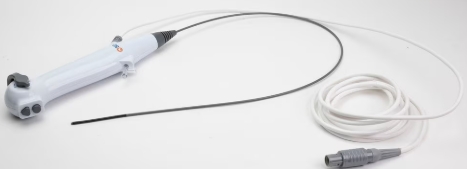
The flexible ureteroscope serves crucial diagnostic roles in the evaluation of upper urinary tract pathology. For patients with unexplained hematuria, the flexible ureteroscope permits direct visual inspection of the entire renal collecting system and ureter, identifying lesions that might escape detection on imaging studies. When suspicious areas are encountered, the flexible ureteroscope enables targeted biopsy using miniature forceps passed through the working channel. This diagnostic capability of the flexible ureteroscope is particularly valuable for evaluating upper tract urothelial carcinoma, allowing both visualization and tissue sampling.
Beyond tumor detection, the flexible ureteroscope facilitates diagnosis of various other upper tract abnormalities. Congenital anomalies such as calyceal diverticula can be directly inspected with a flexible ureteroscope, assessing their configuration and contents. In cases of unexplained hydronephrosis or obstruction, the flexible ureteroscope can identify subtle strictures, crossing vessels, or other causative lesions. The diagnostic applications of the flexible ureteroscope continue to expand with technological enhancements such as narrow-band imaging and confocal laser endomicroscopy, which can be incorporated into advanced flexible ureteroscope systems.
The therapeutic applications of the flexible ureteroscope have dramatically transformed the management of upper urinary tract conditions, particularly nephrolithiasis. The flexible ureteroscope provides direct access to renal stones regardless of their calyceal location, enabling holmium laser lithotripsy throughout the collecting system. This capability of the flexible ureteroscope has established retrograde intrarenal surgery as a first-line treatment for many renal stones, with success rates exceeding 90% for stones under 2cm. The flexible ureteroscope has similarly revolutionized management of upper tract urothelial carcinoma, allowing endoscopic ablation of low-grade tumors while preserving renal function.
Other therapeutic applications of the flexible ureteroscope include treatment of ureteral and renal pelvic strictures through endoscopic incision, management of calyceal diverticula by establishing drainage, and retrieval of foreign bodies from the upper tracts. The flexible ureteroscope also serves an important role in complex situations such as treatment of stones in transplanted kidneys, managed kidneys, or patients with urinary diversions—scenarios where percutaneous access might be particularly challenging. The therapeutic versatility of the flexible ureteroscope continues to expand as accessory instruments and techniques evolve.
Understanding whether a ureteroscope qualifies as a flexible endoscope requires comparison between flexible and rigid ureteroscope designs. The fundamental distinction lies in the shaft construction: the rigid ureteroscope maintains a fixed, straight configuration, while the flexible ureteroscope incorporates a pliable shaft and deflectable tip. This structural difference between rigid and flexible ureteroscope instruments directly impacts their optical systems—rigid ureteroscope models typically employ rod-lens systems that provide brilliant illumination and excellent image quality, while flexible ureteroscope designs originally used fiberoptic bundles (though digital sensors now predominate in high-end flexible ureteroscope models).
Working channel characteristics also differ between rigid and flexible ureteroscope designs. The rigid ureteroscope generally offers larger working channels relative to instrument diameter, permitting higher irrigation flow rates and passage of larger instruments. The flexible ureteroscope necessarily features smaller working channels due to space constraints within its complex shaft architecture. However, the flexible ureteroscope compensates for this limitation with its unparalleled access capabilities. These technical differences between rigid and flexible ureteroscope designs illustrate how each instrument represents a different solution to the challenges of upper urinary tract access.
The clinical applications of rigid versus flexible ureteroscope devices reflect their technical characteristics. The rigid ureteroscope excels in procedures involving the straight segments of the distal and mid-ureter, where its stability, superior irrigation, and larger working channels facilitate efficient stone extraction. For distal ureteral stones in particular, the rigid ureteroscope often remains the instrument of choice due to its technical advantages in this anatomical region. The rigid ureteroscope also typically offers greater durability and lower maintenance requirements compared to the more mechanically complex flexible ureteroscope.
In contrast, the flexible ureteroscope provides unique capabilities for procedures requiring navigation beyond the straight ureteral segments. Any pathology located in the proximal ureter or intrarenal collecting system necessitates a flexible ureteroscope approach, as the rigid ureteroscope cannot safely navigate these curves. The flexible ureteroscope has therefore become indispensable for renal stone treatment, upper tract tumor management, and diagnostic evaluation of the kidneys. Many contemporary urologists consider the flexible ureteroscope the more versatile instrument, though the rigid ureteroscope maintains important specific indications where its technical advantages prove decisive.
The evolution of ureteroscope technology continues to enhance the capabilities of both rigid and flexible ureteroscope systems. For flexible ureteroscope designs, ongoing research focuses on improving durability—historically a limitation of these complex instruments. Single-use flexible ureteroscope systems represent one approach to addressing durability concerns while eliminating reprocessing requirements. These disposable flexible ureteroscope models have gained significant market penetration, particularly for complex cases that might stress reusable flexible ureteroscope instruments.
Digital imaging technology continues to advance in flexible ureteroscope systems, with improvements in sensor miniaturization, image processing, and complementary visualization modalities. Future flexible ureteroscope designs may incorporate enhanced imaging capabilities such as optical coherence tomography, augmented reality overlays, or automated lesion detection. Robotic flexible ureteroscope systems represent another emerging technology, potentially offering improved stability and ergonomics compared to traditional manual flexible ureteroscope manipulation. These innovations will likely further establish the flexible ureteroscope as a sophisticated endoscopic platform rather than simply a tool for stone management.
The future utility of the ureteroscope, particularly the flexible ureteroscope, will increasingly depend on integration with complementary technologies. Navigation systems using electromagnetic tracking or ultrasound registration could enhance the urologist's spatial orientation during complex flexible ureteroscope procedures. Improved laser technologies, including thulium fiber lasers, may offer advantages for lithotripsy through the flexible ureteroscope. Advanced basket designs and anti-retropulsion devices continue to evolve, enhancing the therapeutic efficacy of the flexible ureteroscope.
Artificial intelligence applications represent a particularly promising area for flexible ureteroscope enhancement. AI systems could potentially provide real-time decision support during flexible ureteroscope procedures, identifying subtle mucosal changes suggestive of carcinoma or optimizing laser settings based on stone characteristics. These integrative technologies will likely transform the flexible ureteroscope from a visualization tool into a comprehensive diagnostic and therapeutic platform. As these innovations mature, the distinction between flexible ureteroscope instruments and other types of flexible endoscopes may become increasingly blurred as cross-disciplinary technological exchange accelerates.
The question of whether a ureteroscope qualifies as a flexible endoscope requires a nuanced answer that reflects the diversity of modern urological instrumentation. While rigid ureteroscope designs remain important tools for specific clinical applications, the flexible ureteroscope unquestionably represents a specialized type of flexible endoscope optimized for navigation of the urinary tract. The flexible ureteroscope shares the fundamental characteristics of other flexible endoscopes—including shaft flexibility, tip deflectability, and working channel functionality—while incorporating specific design features tailored to the unique challenges of upper urinary tract access.
The clinical dominance of the flexible ureteroscope for renal and proximal ureteral procedures underscores its essential role in contemporary endourology. As technology continues to advance, the capabilities of the flexible ureteroscope will likely expand further, potentially incorporating robotics, artificial intelligence, and enhanced imaging modalities. Understanding the flexible ureteroscope as both a type of flexible endoscope and a specialized urological instrument is essential for urologists, medical device developers, and healthcare systems seeking to optimize patient care through technological innovation.
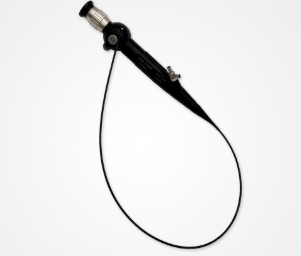
A flexible ureteroscope is a specialized type of endoscope designed specifically for navigating the tortuous anatomy of the urinary tract. Unlike its rigid counterpart, the flexible ureteroscope features a pliable shaft and a deflectable tip that can be actively controlled by the urologist. This design allows the flexible ureteroscope to navigate the physiological curves of the ureter and access all portions of the renal collecting system, including the challenging lower pole calyces. The modern flexible ureteroscope typically incorporates digital imaging technology, working channels for instrument passage, and sophisticated deflection mechanisms that make it indispensable for many upper urinary tract procedures.
The fundamental difference between flexible and rigid ureteroscope designs lies in their mechanical properties and resulting clinical applications. A rigid ureteroscope maintains a straight, inflexible configuration that provides excellent stability and larger working channels but cannot navigate beyond the straight portions of the distal ureter. In contrast, a flexible ureteroscope incorporates a pliable shaft and actively deflectable tip that can traverse the curved proximal ureter and access the entire intrarenal collecting system. While the rigid ureteroscope remains valuable for distal ureteral procedures, the flexible ureteroscope provides unparalleled access to the upper urinary tract, making it essential for renal stones and proximal ureteral pathology.
The flexible ureteroscope is particularly valuable for procedures involving the proximal ureter and kidneys. Renal stone management represents the most common application for the flexible ureteroscope, as it enables laser lithotripsy of stones regardless of their calyceal location. Diagnosis and treatment of upper tract urothelial carcinoma also typically require a flexible ureteroscope for comprehensive inspection of the collecting system and targeted biopsy or tumor ablation. Additional indications for flexible ureteroscope use include evaluation of unexplained hematuria, treatment of calyceal diverticula, management of ureteral strictures, and retrieval of foreign bodies from the upper urinary tract. Any procedure requiring access beyond the straight segments of the ureter necessitates a flexible ureteroscope approach.
Not all ureteroscope devices are flexible; the category includes both rigid and flexible designs. The rigid ureteroscope maintains an important role in contemporary urology, particularly for procedures involving the distal ureter where its straight configuration aligns with the anatomical pathway. Many urology practices maintain both rigid and flexible ureteroscope systems to address the full spectrum of upper urinary tract pathology. The decision to use a rigid versus flexible ureteroscope depends on the specific clinical situation, with stone location being the primary determining factor. This diversity within the ureteroscope category reflects the varying anatomical and technical challenges encountered in different portions of the urinary tract.
The primary advantage of the flexible ureteroscope is its ability to access the entire upper urinary tract, including the proximal ureter and all calyces of the kidney. This comprehensive access enables treatment of renal stones regardless of location, complete inspection of the collecting system for diagnostic purposes, and management of pathology throughout the upper tracts. The flexible ureteroscope also typically causes less trauma during insertion and navigation compared to rigid ureteroscope alternatives, particularly in tortuous anatomies. While the rigid ureteroscope offers advantages in specific situations, the versatile access provided by the flexible ureteroscope has made it an essential instrument in modern endourology.


