
Views: 222 Author: Lake Publish Time: 2025-11-07 Origin: Site


Content Menu
● Understanding Isolation Gowns
>> Types and Levels of Isolation Gowns
● Preparation for Wearing an Isolation Gown
>> Selecting the Appropriate Isolation Gown
● Step-by-Step Guide to Wearing an Isolation Gown
>> Step 1: Unfolding and Positioning the Isolation Gown
>> Step 2: Donning the Isolation Gown
>> Step 3: Securing the Isolation Gown
>> Step 4: Integrating with Other PPE
● Common Mistakes and Best Practices
>> Frequent Errors in Wearing Isolation Gowns
>> Best Practices for Optimal Protection
>> Wearing an Isolation Gown in Different Clinical Scenarios
>> Reusable vs. Disposable Isolation Gowns
>> 1. What is the correct sequence for putting on an isolation gown with other PPE?
>> 2. How should an isolation gown fit properly?
>> 3. Can I reuse a disposable isolation gown?
>> 4. What should I do if my isolation gown becomes torn or compromised during use?
>> 5. How do I prevent contamination when removing an isolation gown?
In healthcare settings and various high-risk environments, proper personal protective equipment (PPE) usage stands as a critical defense against infection transmission. Among these essential protective items, the isolation gown serves as a fundamental barrier between healthcare workers and potentially infectious materials. Understanding how to wear an isolation gown correctly is not merely a procedural formality but a vital competency that can significantly impact infection control outcomes. This comprehensive guide will walk through every aspect of properly wearing an isolation gown, from selection to disposal, emphasizing the importance of technique in maximizing protection.
The isolation gown represents a key component in infection prevention strategies, particularly during outbreaks of infectious diseases. Whether dealing with COVID-19 patients, managing influenza cases, or working in clinical environments with exposure risks, the correct donning of an isolation gown creates a crucial protective barrier. Unfortunately, studies have demonstrated that improper technique when putting on an isolation gown can compromise its effectiveness, leading to increased transmission rates and healthcare-associated infections [1]. This article aims to provide detailed, evidence-based guidance on how to wear an isolation gown properly, covering the entire process from preparation to removal.
Throughout this guide, we will explore the different types of isolation gowns available, the step-by-step procedure for correct donning, common errors to avoid, and the integration of the isolation gown with other PPE elements. By mastering the technique of how to wear an isolation gown, healthcare professionals and other users can enhance their personal safety while contributing to broader infection control efforts. The isolation gown, when worn correctly, serves as a reliable shield against contaminants, making its proper use an essential skill in modern healthcare practice.
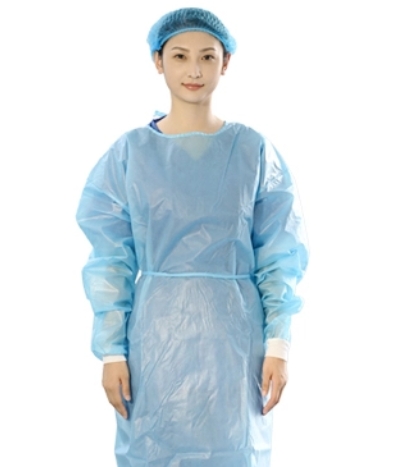
An isolation gown is a protective garment designed to protect the wearer's skin and clothing from the transfer of microorganisms and bodily fluids. Typically constructed from fluid-resistant materials, the isolation gown covers the torso from neck to knees and the arms from shoulder to wrist. Unlike surgical gowns, which are sterile and used in specific procedural settings, isolation gowns are generally non-sterile and intended for use in isolation precautions across various healthcare scenarios. The fundamental purpose of the isolation gown is to serve as a barrier against potentially infectious materials, thereby reducing the risk of cross-contamination.
The design of an isolation gown typically includes tie fastenings at the neck and waist, though some modern versions may feature alternative closure systems. The back of the isolation gown may be open or partially closed, with the coverage area depending on the specific design. When considering how to wear an isolation gown effectively, understanding its construction and protective capabilities is essential. The isolation gown must be selected according to the anticipated level of exposure, with different materials and designs offering varying degrees of fluid resistance and protection.
Isolation gowns are classified according to the Association for the Advancement of Medical Instrumentation (AAMI) standard, which categorizes them into four levels based on their liquid barrier performance:
- Level 1 Isolation Gown: Designed for minimal risk situations, with tested resistance to water only. This basic isolation gown is suitable for general patient care without anticipated fluid exposure.
- Level 2 Isolation Gown: Provides low barrier protection and is appropriate for situations where low fluid exposure is expected. This isolation gown offers greater protection than Level 1.
- Level 3 Isolation Gown: Offers moderate barrier protection for situations with moderate fluid exposure risks. This isolation gown is commonly used for procedures with higher potential for fluid contact.
- Level 4 Isolation Gown: Delivers the highest level of protection, designed for situations with high fluid exposure risks. This isolation gown is essentially impermeable and used for high-risk procedures.
Understanding these classifications is crucial when determining both which isolation gown to select and how to wear an isolation gown appropriately for the specific situation. The level of isolation gown required depends on the anticipated exposure risk, with higher-risk procedures necessitating higher-level protection.
Before learning how to wear an isolation gown, one must first select the appropriate type for the specific task. The choice of isolation gown should be guided by the anticipated exposure risk, the specific procedures to be performed, and the potential pathogens involved. For instance, a Level 2 or 3 isolation gown would typically be appropriate for caring for patients with respiratory infections, while a Level 4 isolation gown might be necessary for procedures involving substantial fluid exposure. The isolation gown should also be inspected before use to ensure it is free from defects, tears, or compromised areas that could reduce its protective qualities.
When selecting an isolation gown, proper sizing is another critical consideration. An isolation gown that is too small may tear during use or fail to provide adequate coverage, while an oversized isolation gown may increase the risk of contamination by snagging on environmental surfaces. The ideal isolation gown should provide complete coverage of the torso, arms, and back (depending on design) while allowing for comfortable movement. Understanding how to wear an isolation gown begins with choosing the right gown for both the user and the situation.
Proper preparation is essential before donning an isolation gown. The following steps should be completed before putting on the isolation gown:
1. Perform Hand Hygiene: Thorough hand washing with soap and water or using an alcohol-based hand rub is mandatory before handling any PPE, including the isolation gown. This step reduces the potential transfer of microorganisms to the isolation gown during the donning process.
2. Inspect the PPE: Carefully examine the isolation gown for any visible damage, such as tears, holes, or compromised closures. A damaged isolation gown should be discarded and replaced immediately.
3. Prepare the Environment: Choose a clean, well-lit area for donning the isolation gown, ensuring adequate space to maneuver without contaminating the gown on environmental surfaces.
4. Sequence PPE Application: Understand that the isolation gown is typically donned after putting on other PPE elements like the mask or respirator and eye protection, but before gloves. This sequence may vary based on specific protocol requirements.
These preparatory steps create the foundation for correctly learning how to wear an isolation gown and maximize the protective benefits of this essential PPE item.
The first physical step in how to wear an isolation gown involves proper unfolding and positioning:
1. Remove the isolation gown from its packaging, taking care to touch only the inside surface of the gown.
2. Hold the isolation gown by the shoulders or neck area, allowing it to unfold completely without contacting the floor or other surfaces.
3. Position the isolation gown with the opening at the back, ensuring the ties or fasteners are accessible and not tangled.
4. Identify the inside and outside of the isolation gown, confirming which surface will contact your body and which will face the environment.
This careful handling at the initial stage prevents unnecessary contamination of the isolation gown before it is even donned. The isolation gown should be held away from the body during this process to avoid contact with clothing.
The actual process of putting on the isolation gown requires precision and attention to detail:
1. Slip your arms into the sleeves of the isolation gown, taking care not to contaminate the exterior surface.
2. Ensure the isolation gown fully covers your torso from neck to knees and your arms from shoulder to wrist.
3. Position the isolation gown comfortably, allowing for freedom of movement without excessive tightness or looseness.
4. If the isolation gown has elastic cuffs, ensure they fit snugly around your wrists without being uncomfortably tight.
During this process, it's crucial to avoid touching the outside of the isolation gown with bare hands, as this could compromise its protective integrity. The goal when learning how to wear an isolation gown is to achieve complete coverage without contaminating the gown during the donning process.
Once the isolation gown is in position, it must be properly secured:
1. For tie-back isolation gowns, first secure the neck ties, followed by the waist ties. If assistance is available, have a colleague help with tying to avoid self-contamination.
2. Tie all fastenings securely but not overly tight, ensuring the isolation gown remains closed during movement.
3. For isolation gowns with alternative closure systems (such as snaps or hook-and-loop fasteners), ensure all closures are fully engaged.
4. Perform a final check to confirm that the back of the isolation gown is properly closed and that no gaps are present that could allow contamination.
A properly secured isolation gown should feel comfortable yet protective, allowing for necessary movements while maintaining complete coverage. This step is critical in the process of how to wear an isolation gown effectively, as improper fastening can create exposure pathways.
The isolation gown does not function in isolation; it must be integrated with other PPE elements:
1. After donning the isolation gown, put on gloves, ensuring they extend over the cuffs of the isolation gown to create a continuous barrier.
2. Adjust other PPE elements (such as face shields or goggles) to ensure they do not interfere with the isolation gown's protection.
3. Perform a final mirror check or have a colleague verify that all PPE, including the isolation gown, is properly positioned and integrated.
This integrated approach ensures that the isolation gown forms part of a comprehensive protective system rather than functioning as an isolated barrier. Understanding how to wear an isolation gown in the context of full PPE is essential for maximum protection.
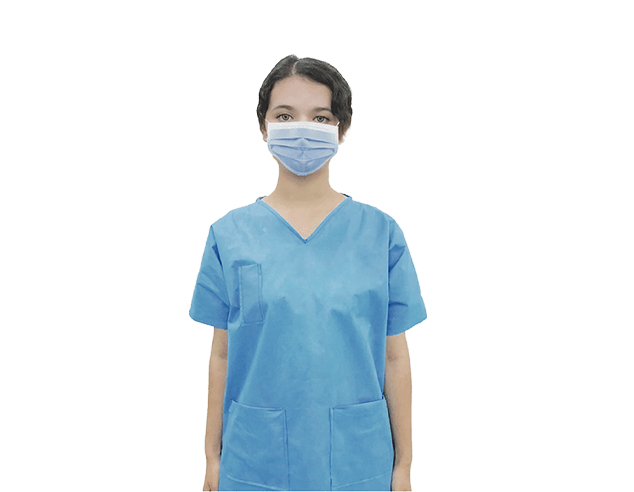
Several common mistakes can compromise the effectiveness of an isolation gown:
1. Inappropriate Sizing: Using an ill-fitting isolation gown that is either too tight (risk of tearing) or too loose (increased contamination risk).
2. Improper Fastening: Failing to securely tie all fasteners on the isolation gown, creating potential exposure points.
3. Contamination During Donning: Touching the outside of the isolation gown during the donning process, potentially transferring contaminants.
4. Inadequate Coverage: Selecting an isolation gown that does not provide sufficient coverage for the intended task.
5. Incorrect Sequencing: Donning the isolation gown in the wrong sequence with other PPE, potentially leading to contamination.
Avoiding these errors is crucial when learning how to wear an isolation gown properly. Each mistake can create vulnerabilities in the protective barrier, potentially exposing the wearer to infectious materials.
To maximize the protective qualities of an isolation gown, adhere to these best practices:
1. Consistent Technique: Follow the same systematic approach each time you wear an isolation gown to develop muscle memory and reduce errors.
2. Proper Fit Assessment: Ensure the isolation gown provides complete coverage without restricting movement before entering patient care areas.
3. Two-Person Assistance: When possible, use a two-person approach for donning and doffing the isolation gown to reduce contamination risks.
4. Regular Training: Participate in regular PPE training sessions, including specific instruction on how to wear an isolation gown correctly.
5. Situational Awareness: Remain mindful of the isolation gown's limitations and avoid leaning against or touching contaminated surfaces unnecessarily.
Implementing these best practices enhances the protective benefits of the isolation gown and supports comprehensive infection prevention strategies. The correct technique for how to wear an isolation gown becomes second nature with consistent practice and attention to detail.
The approach to how to wear an isolation gown may vary depending on the specific clinical situation:
- Airborne Isolation: When used in airborne infection isolation rooms, the isolation gown is typically donned after the respiratory protection but before gloves.
- Contact Precautions: For contact precautions, the isolation gown serves as a primary barrier and should be changed between patients and whenever soiled.
- Procedural Use: During procedures with high fluid exposure risk, the isolation gown should be complemented with additional protective equipment as needed.
- Extended Use: During supply shortages or extended use situations, the same isolation gown might be used for multiple patients with the same infection, though this is not ideal.
Understanding these contextual variations is essential for mastering how to wear an isolation gown appropriately across different healthcare scenarios.
The technique for how to wear an isolation gown is similar for both disposable and reusable varieties, but important distinctions exist:
- Disposable Isolation Gowns: Typically made of lighter materials, these isolation gowns are designed for single use and should be discarded after each wearing.
- Reusable Isolation Gowns: Made of more durable materials, these isolation gowns can be laundered and reused, but require inspection for damage before each use.
Regardless of type, the fundamental principles of how to wear an isolation gown remain consistent, focusing on complete coverage, proper fastening, and integration with other PPE.
Knowing how to wear an isolation gown correctly is an essential skill for healthcare workers and others in risk environments. The proper technique for wearing an isolation gown involves careful selection, methodical donning, secure fastening, and thoughtful integration with other protective equipment. By following the detailed steps outlined in this guide and adhering to established best practices, users can maximize the protective benefits of the isolation gown while minimizing contamination risks.
The isolation gown serves as a critical barrier in infection prevention, but its effectiveness depends entirely on correct usage. Regular training, practice, and attention to detail are necessary to maintain proficiency in how to wear an isolation gown properly. As PPE protocols continue to evolve, staying informed about current guidelines ensures that isolation gown usage remains aligned with evidence-based practices. Ultimately, mastering how to wear an isolation gown represents not just personal protection, but a professional commitment to infection control and patient safety.
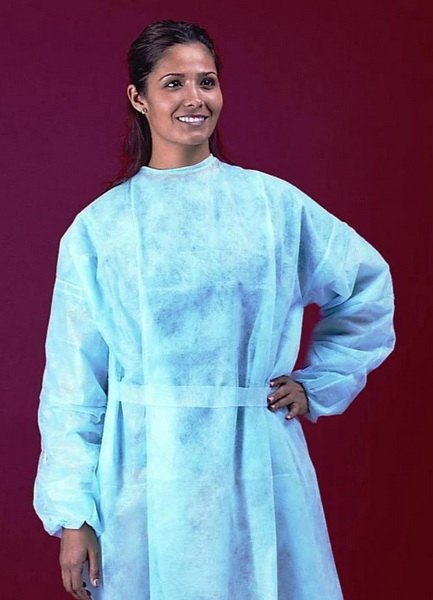
The generally accepted sequence for donning PPE with an isolation gown is: (1) perform hand hygiene, (2) put on gown or coveralls (the isolation gown), (3) put on mask or respirator, (4) put on eye protection, and (5) put on gloves. The isolation gown should be donned before the gloves to ensure the glove cuffs can be pulled over the isolation gown sleeves. This sequence creates a systematic approach that minimizes contamination during the donning process. However, always follow your facility's specific protocols as some situations may require variations in this sequence.
A properly fitting isolation gown should provide complete coverage of the torso from neck to knees, the arms from shoulder to wrist, and the back (depending on gown design). The isolation gown should be large enough to allow freedom of movement without being so loose that it poses a contamination risk by catching on equipment or environmental surfaces. The sleeves should reach to the wrist without gaping, and the isolation gown should fasten securely without tearing or creating tension points. If you are between sizes, select the larger isolation gown for better coverage.
Disposable isolation gowns are designed for single use only and should not be reused. Reusing a disposable isolation gown increases the risk of contamination and cross-infection, as the gown's material may become compromised during initial use. Additionally, the protective barrier properties of the isolation gown may degrade after use, even if not visibly soiled. During supply shortages, some facilities may implement extended use protocols for isolation gowns, but these are exceptional circumstances requiring specific risk assessments and institutional policies.
If your isolation gown becomes torn, heavily soiled, or otherwise compromised during use, you should immediately exit the patient care area and carefully remove the damaged isolation gown using proper doffing technique. After removing the compromised isolation gown, perform hand hygiene and don a new, intact isolation gown before returning to patient care. Never continue working with a damaged isolation gown, as this significantly increases infection risks for both yourself and patients.
To prevent contamination when removing an isolation gown: (1) remove gloves first using proper technique, (2) perform hand hygiene, (3) untie the isolation gown waist and neck ties without touching the front of the gown, (4) pull the isolation gown away from your body by grasping the inside shoulders and turning it inside out as it removed, (5) dispose of the isolation gown appropriately, and (6) perform hand hygiene again. The key is to touch only the clean inner surfaces of the isolation gown during removal, avoiding contact with the potentially contaminated outer surface.
[1] https://www.statista.com/outlook/hmo/medical-technology/medical-devices/turkey
[2] https://www.europe-it-consulting.ch/medizinprodukte-absatzmarkt-tuerkei-chancen-und-herausforderungen/?lang=en
[3] https://www.statista.com/outlook/hmo/medical-technology/turkey


