


Views: 222 Author: Lake Publish Time: 2025-12-30 Origin: Site


Content Menu
● Understanding Reusable Isolation Gowns: Core Concepts
>> Step 1: Storage and Distribution
>> Step 3: Proper Donning (Putting On)
>> Step 5: Proper Doffing (Removal) and Soiling
● Quality Assurance and Lifecycle Management
● Integration with Medical Visualization and High-Acuity Procedures
● Challenges and Best Practices
● Frequently Asked Questions (FAQ)
>> 3. What is the most common reason a reusable isolation gown fails inspection and is retired?
>> 4. Who is responsible if a healthcare worker gets an exposure because a reusable gown failed?
>> 5. Is it cost-effective for a small clinic or dental office to use reusable isolation gowns?
In the evolving landscape of sustainable healthcare, the adoption of reusable isolation gowns represents a significant shift from the traditional single-use model. These durable garments, designed to withstand numerous cycles of use and reprocessing, offer a compelling alternative for reducing environmental waste and achieving long-term cost savings. However, their effective and safe implementation hinges on a comprehensive, systematic protocol that extends far beyond the point of care. This article provides a detailed, step-by-step guide on how to properly integrate reusable isolation gowns into a clinical setting, covering selection, donning, use, doffing, reprocessing, and quality assurance to ensure they deliver consistent, safe protection.
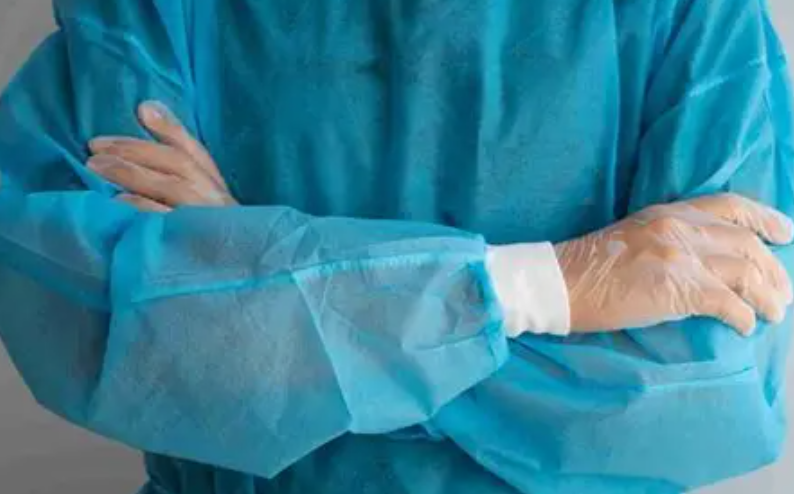
Reusable isolation gowns are constructed from durable woven or knitted fabrics, often polyester or polyester-cotton blends, with a liquid-resistant finish or laminate (e.g., polyurethane) to meet AAMI PB70 fluid barrier performance levels (Levels 1-4). Unlike their disposable counterparts, their value proposition is based on a validated lifecycle, typically 50 to 100 or more use and laundering cycles. Their successful deployment relies on a closed-loop system encompassing procurement, clinical use, and professional reprocessing.
The foundation of safe use begins with choosing the right product and establishing a robust supply chain.
1. Define Performance Requirements: Determine the required AAMI barrier level (e.g., Level 3 for procedures with anticipated splash) based on a facility-wide risk assessment of tasks and departments.
2. Select a Qualified Manufacturer: Choose a supplier that provides clear validation data, including:
- The gown's AAMI performance level when new.
- The maximum validated number of laundering cycles.
- Evidence that the gown maintains its barrier integrity throughout its claimed lifecycle.
3. Establish a Reprocessing Partnership: Partner with a healthcare-accredited laundry service. This is non-negotiable. Look for accreditations such as the Healthcare Laundry Accreditation Council (HLAC) or equivalent standards, which verify that the laundry meets stringent hygienic and operational requirements.
4. Implement a Tracking System: Develop a system to track each gown. This can involve barcodes, RFID tags, or color-coded rotation systems linked to laundry cycles. The goal is to prevent gowns from being used beyond their validated lifecycle.
Clean, reprocessed isolation gowns must be stored in a clean, dry area, protected from dust and environmental contaminants. They should be distributed to clinical units in a manner that facilitates the First-In, First-Out (FIFO) principle to ensure even wear across the inventory.
Before every donning, the user must perform a visual and tactile inspection. This critical step checks for:
- Material Integrity: Look for holes, tears, frayed seams, or abrasion.
- Closure Functionality: Ensure all ties, snaps, or hook-and-loop closures are secure and functional.
- Fluid Repellency (Quick Check): A simple water bead test can be used: a few drops of water should bead up and roll off the fabric surface. Absorption indicates degradation of the fluid-resistant finish.
- General Cleanliness: The gown should be visibly clean and free of stains.
Any gown failing inspection must be immediately removed from service and placed in a designated "soiled/defective" bin.
The donning technique is similar to disposable gowns but with attention to the more durable fabric.
1. Perform hand hygiene.
2. Unfold the gown and identify the inside and outside.
3. Place arms through the sleeves, ensuring full coverage of the torso and arms.
4. Secure all closures (ties at the neck and waist) to ensure a snug fit, minimizing gaps.
5. Don gloves, ensuring the glove cuffs extend over the gown cuffs.
Use the reusable isolation gown according to standard infection prevention protocols for the specific task (e.g., Contact Precautions, procedure with splash risk). Be mindful that while durable, the gown can still be compromised by sharp instruments or excessive friction against abrasive surfaces.
Correct doffing is vital to prevent self-contamination and prepare the gown for reprocessing.
1. Remove and dispose of gloves appropriately.
2. Unfasten all gown closures (ties, snaps).
3. Peel the gown away from the neck and shoulders, turning it inside out as it is removed. This contains the contaminated exterior.
4. Do not ball up or aggressively wad the gown. Gently roll or fold it with the contaminated surface inward to minimize aerosolization.
5. Place the soiled gown directly into a designated, labeled fluid-impermeable laundry collection bag or hamper in the patient care area. Never place soiled isolation gowns in regular trash or leave them on surfaces.
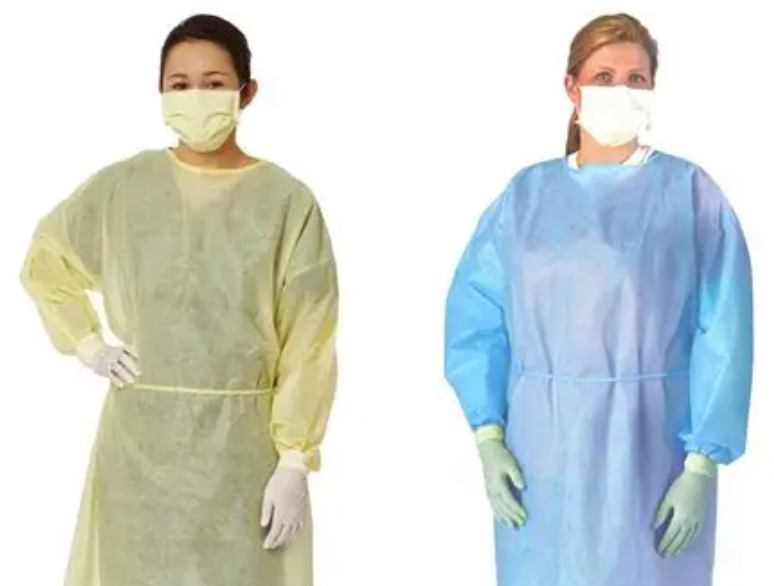
This phase, conducted off-site by the accredited laundry partner, is where the "reusable" promise is fulfilled.
1. Transportation: Soiled gowns are transported in secure, leak-proof containers to the laundry facility.
2. Sorting and Preparation: Gowns are sorted and inspected for gross contamination or foreign objects.
3. Washing and Disinfection: Gowns undergo a validated wash formula that includes:
- Detergents and Chemicals: Specifically designed to remove biological soils and inactivate pathogens (using bleach or other EPA-registered disinfectants where appropriate, especially for spore-forming bacteria like *C. difficile*).
- Thermal or Chemical Disinfection: The cycle must achieve a defined temperature-time profile or use a chemical disinfectant at a validated concentration to ensure microbiological kill.
- Rinsing: Thorough rinsing to remove all chemical residues.
4. Drying and Finishing: Tumble drying at controlled temperatures.
5. Final Inspection and Packaging: Each gown undergoes a final inspection for integrity. It is then folded or hung and packaged/transported back to the healthcare facility in a clean state.
The facility must maintain active oversight of the entire system.
- Audit the Laundry: Conduct periodic audits of the laundry partner's processes, validation documents, and accreditation status.
- Monitor Gown Performance: Randomly test gowns from circulation for barrier integrity (e.g., conduct or request periodic AAMI-level testing).
- Enforce Retirement: Use the tracking system to mandatorily retire gowns that have reached their maximum cycle count or show signs of failure, regardless of visible damage.
In procedural areas utilizing medical visualization, such as endoscopy suites or operating rooms, reusable isolation gowns can be effectively integrated.
- For Non-Sterile, High-Splash Procedures: When using a bronchoscopy workstation or ureteroscope with irrigation, an AAMI Level 3 reusable gown provides excellent protection. Its durability can be an advantage during long procedures.
- Sterile vs. Non-Sterile: It is crucial to note that reusable gowns discussed here are for non-sterile isolation. Sterile surgical procedures require sterile gowns, which may be single-use or reusable but follow a different, more stringent reprocessing protocol (often hospital-based sterile processing).
- Staff Training: Special emphasis should be placed on training staff in procedural areas on the specific inspection and handling protocols for reusable PPE, aligning with the high standards applied to medical image processor and scope handling.
- Challenge: Consistent user compliance with inspection and proper bagging.
- Best Practice: Ongoing education, clear signage, and making the process as simple as possible.
- Challenge: Ensuring the laundry process does not degrade the gown.
- Best Practice: Partner only with accredited laundries and review their compatibility validation with your specific gown model.
- Challenge: Upfront investment and logistics complexity.
- Best Practice: Conduct a thorough Total Cost of Ownership (TCO) analysis to justify the investment and designate a responsible team or coordinator to manage the program.
Implementing a reusable isolation gown program is not merely a substitution of one product for another; it is the adoption of a circular system rooted in sustainability, science, and stringent process control. Success depends on a seamless integration of four pillars: selecting high-quality, validated gowns; enforcing meticulous clinical protocols for inspection and handling; partnering with an accredited, reliable reprocessing service; and maintaining vigilant quality assurance over the entire lifecycle. When executed correctly, this system provides reliable, cost-effective protection while significantly reducing the environmental footprint of healthcare operations. For facilities committed to advancing their ecological stewardship without compromising safety—much like the precision and forethought applied in operating advanced medical visualization technology—mastering the use of reusable isolation gowns represents a responsible and strategic step forward.
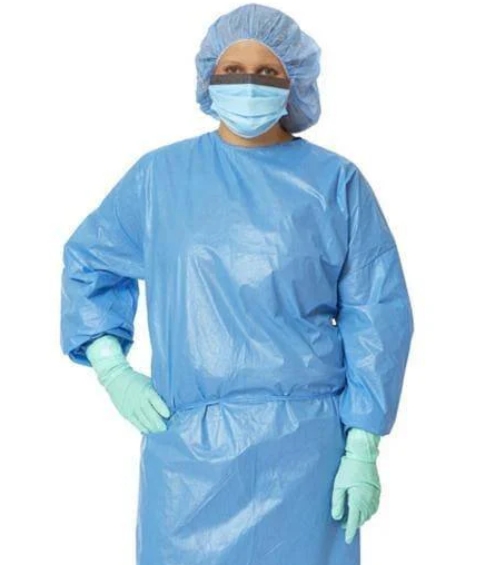
Place a few drops of water on the sleeve or front of the gown. A properly functioning fluid-resistant finish will cause the water to bead up and remain on the surface, often rolling off if the gown is tilted. If the water is immediately absorbed into the fabric, creating a dark spot, the fluid-repellent finish has likely degraded. That gown should be removed from service immediately.
Yes, if the reprocessing cycle is validated for those pathogens. Accredited healthcare laundries use wash formulas with specific disinfectants (e.g., bleach for *C. difficile* spores) and thermal profiles proven to eliminate specific organisms. You must confirm with your laundry provider that their process meets the requirements for the infectious agents in question. Some facilities may still opt for single-use gowns in extreme cases as an additional risk mitigation layer.
The most common failure points are loss of the fluid-repellent finish (failing the water bead test) and physical damage such as torn seams, holes (often under arms or at stress points), or broken closures (snaps, ties). Fabric thinning or fraying over time is also a key indicator for retirement.
Liability is shared across the system but is heavily influenced by documented protocols and due diligence. The healthcare facility is responsible for selecting approved gowns, training staff, and providing a functional inspection and collection system. The laundry provider is contractually responsible for delivering a clean, disinfected gown that meets performance specifications. The gown manufacturer is responsible for the product performing as validated over its stated lifecycle. Comprehensive documentation at all stages is critical for risk management.
Typically, no. The economics of reusable systems favor high-volume users. The upfront cost of building an adequate inventory, the per-kilogram cost of low-volume commercial laundry service, and the administrative overhead of tracking are often prohibitive for small practices. For these settings, disposable isolation gowns purchased by the case from a medical distributor are usually more practical and cost-effective.


