
Views: 222 Author: Lake Publish Time: 2025-11-04 Origin: Site


Content Menu
● Introduction to Rigid Ureteroscope Sterilization
● Fundamental Principles of Ureteroscope Sterilization
>> Understanding Sterilization Versus Disinfection
>> Critical Pre-Sterilization Cleaning
● Step-by-Step Sterilization Protocols
>> Steam Sterilization (Autoclaving)
>> Low-Temperature Sterilization Methods
● Specialized Processing Considerations
>> Handling and Inspection Protocols
>> Packaging and Storage Requirements
● Quality Control and Monitoring
>> Biological and Chemical Indicators
>> Documentation and Traceability
● Common Challenges and Troubleshooting
>> Addressing Biofilm Formation
>> Managing Instrument Damage and Wear
● Emerging Technologies and Future Directions
>> Advances in Sterilization Monitoring
>> Single-Use Alternatives and Their Impact
● FAQ
>> 1. What is the most effective sterilization method for a rigid ureteroscope?
>> 2. How often should biological monitoring be performed for ureteroscope sterilization?
>> 3. Can a rigid ureteroscope be flash sterilized?
>> 4. What are the common signs that a rigid ureteroscope may not be properly sterilized?
>> 5. How long can a sterilized rigid ureteroscope be stored before use?
The rigid ureteroscope represents a crucial instrument in modern urological practice, enabling minimally invasive diagnosis and treatment of various urinary tract conditions. As a sophisticated medical device that enters sterile body cavities, proper sterilization of the rigid ureteroscope is not merely a recommendation—it is an absolute necessity for patient safety and infection prevention. The process of sterilizing a rigid ureteroscope involves complete elimination of all microorganisms, including bacteria, viruses, fungi, and spores, to prevent healthcare-associated infections and cross-contamination between patients. Understanding and implementing correct sterilization protocols for the rigid ureteroscope ensures both optimal patient outcomes and the longevity of this valuable medical equipment.
The complex design of a rigid ureteroscope, with its narrow lumens, optical systems, and potential areas for biofilm accumulation, presents unique challenges for effective sterilization. Unlike simpler surgical instruments, the rigid ureteroscope requires specialized handling and processing to ensure complete sterilization without damaging its delicate components. This comprehensive guide examines the proper techniques, protocols, and considerations for effectively sterilizing a rigid ureteroscope, providing healthcare facilities with evidence-based practices aligned with current infection control standards and manufacturer recommendations.

Before delving into specific protocols, it's essential to distinguish between sterilization and disinfection in the context of rigid ureteroscope processing. Sterilization refers to the complete elimination of all microbial life, including highly resistant bacterial spores, while disinfection reduces the number of pathogenic microorganisms to a level considered safe for public health. For a rigid ureteroscope that enters sterile body tissues, sterilization is mandatory—not optional. The distinction is critical because improper processing that merely disinfects rather than sterilizes the rigid ureteroscope creates significant infection risks for patients.
The sterilization process for a rigid ureteroscope must be validated through rigorous testing to ensure it achieves a Sterility Assurance Level (SAL) of 10^-6, meaning there is less than one in a million chance that a single viable microorganism remains on the instrument. This standard, established by regulatory agencies worldwide, underscores the critical importance of proper rigid ureteroscope sterilization protocols in healthcare settings. Achieving this level of sterility requires meticulous cleaning followed by appropriate sterilization methods specifically validated for use with the rigid ureteroscope.
The foundation of effective rigid ureteroscope sterilization begins with thorough cleaning immediately after use. The presence of organic material such as blood, tissue, or mineral deposits can compromise the sterilization process by shielding microorganisms from the sterilizing agent. For a rigid ureteroscope, this initial cleaning must be particularly meticulous due to the instrument's complex design with narrow channels and crevices where debris can accumulate.
The cleaning process for a rigid ureteroscope typically involves several key steps: immediate flushing of all channels with water or enzymatic solution to prevent drying of contaminants, disassembly of removable components according to manufacturer instructions, manual brushing of all accessible surfaces and channels with appropriate-sized brushes, and ultrasonic cleaning to remove microscopic particles from difficult-to-reach areas. Only after verified cleaning should the rigid ureteroscope proceed to the sterilization phase, as any residual organic material can compromise sterilization efficacy.
Steam sterilization, commonly known as autoclaving, represents the gold standard for rigid ureteroscope sterilization when the device is compatible with high-temperature processing. The autoclave process utilizes saturated steam under pressure to achieve temperatures typically between 121°C (250°F) and 134°C (273°F), which effectively kill all microorganisms, including spores. Before subjecting a rigid ureteroscope to steam sterilization, it is crucial to verify the manufacturer's specifications regarding temperature and pressure tolerances.
The standard steam sterilization cycle for a heat-tolerant rigid ureteroscope involves several phases: conditioning to remove air from the chamber, exposure where the instrument is held at the sterilization temperature for a specified time (typically 15-30 minutes), and drying to remove residual moisture. Proper packaging of the rigid ureteroscope before sterilization is essential, using materials that allow steam penetration while maintaining sterility after processing. Immediate-use steam sterilization (formerly known as "flash sterilization") should be avoided for rigid ureteroscope instruments except in emergency situations, as it provides less process control and no storage capability.
For rigid ureteroscope models that cannot withstand high-temperature processing, several low-temperature sterilization methods are available. Hydrogen peroxide gas plasma systems have gained popularity for rigid ureteroscope sterilization due to their efficacy, rapid cycle times, and material compatibility. These systems utilize hydrogen peroxide vapor that diffuses through packaging and instrument lumens, followed by the generation of a gas plasma that enhances microbial eradication. The low-temperature nature of this process (typically 45-55°C) makes it ideal for heat-sensitive rigid ureteroscope components.
Ethylene oxide (EO) sterilization represents another low-temperature option for rigid ureteroscope processing, particularly effective for instruments with long, narrow lumens. The EO process involves several stages: preconditioning, gas exposure typically at 30-60°C, and aeration to remove residual gas. While highly effective, EO sterilization has drawbacks for rigid ureteroscope processing, including long cycle times (often exceeding 12 hours) and potential toxicity concerns requiring special ventilation systems. Additionally, newer methods like ozone sterilization offer environmentally friendly alternatives for rigid ureteroscope processing, using converted oxygen that leaves no toxic residues.

Proper handling of the rigid ureteroscope throughout the sterilization process is crucial for both infection prevention and instrument preservation. After clinical use, the rigid ureteroscope should be transported to the processing area in a contained manner to prevent environmental contamination. During the cleaning and sterilization workflow, healthcare personnel should implement measures to prevent damage to the delicate optics and working channels of the rigid ureteroscope, including avoiding sharp bends, impacts, or contact with other hard instruments.
A critical step in the rigid ureteroscope sterilization process is the pre-processing inspection. Each rigid ureteroscope should be carefully examined for any signs of damage, including cracks in the sheath, compromised optics, or malfunction of moving parts. Additionally, verification of channel patency through air and water pressure testing helps identify leaks or obstructions that could compromise sterilization efficacy. Documentation of these inspections for each rigid ureteroscope creates an auditable trail for quality assurance and helps identify instruments requiring repair or replacement.
Proper packaging of the rigid ureteroscope before sterilization serves multiple purposes: allowing penetration of the sterilizing agent, maintaining sterility until point of use, and protecting the instrument from damage during handling and storage. The selection of packaging materials for a rigid ureteroscope should consider the sterilization method being used—paper/plastic pouches for steam sterilization, Tyvek-plastic combinations for chemical processes, and container systems specifically designed for delicate instruments.
After sterilization, the rigid ureteroscope should be stored in a manner that preserves both sterility and instrument integrity. Storage areas should be clean, dry, well-ventilated, and protected from environmental contaminants. Proper labeling of sterilized rigid ureteroscope packages with process indicators, expiration dates, and lot control information facilitates inventory management and ensures the use of properly processed instruments. Implementation of a first-in, first-out (FIFO) inventory system helps prevent the use of expired sterile rigid ureteroscope packages, maintaining the highest standards of patient safety.
Effective sterilization of a rigid ureteroscope requires robust quality control measures to verify process efficacy. Biological indicators (BIs) provide the highest level of assurance by directly testing the sterilization process's ability to kill highly resistant microorganisms. For rigid ureteroscope sterilization, BIs containing Geobacillus stearothermophilus spores (for steam sterilization) or Bacillus atrophaeus spores (for ethylene oxide) should be used at least weekly, and preferably with every load containing implantable devices like a rigid ureteroscope.
Chemical indicators provide immediate, visual confirmation that the rigid ureteroscope has been exposed to the sterilization process. These include process indicators on packaging exterior, specific indicators for lumened instruments like a rigid ureteroscope, and integrating indicators that respond to all critical sterilization parameters. For optimal quality assurance, both internal and external chemical indicators should be used with each rigid ureteroscope processed, providing a multi-layered verification system that complements biological monitoring.
Comprehensive documentation forms an essential component of an effective rigid ureteroscope sterilization program. Each sterilization cycle should be recorded with specific parameters including date, time, cycle type, exposure parameters, and operator identification. For rigid ureteroscope instruments, which represent significant capital investments and critical clinical tools, additional documentation of pre-cleaning verification, functionality testing, and any maintenance issues creates a complete processing history.
Traceability systems that link specific rigid ureteroscope instruments to sterilization cycles and patient procedures enhance quality control and facilitate recall processes if needed. Many healthcare facilities implement instrument tracking systems using barcodes or RFID technology to monitor the complete lifecycle of each rigid ureteroscope, including usage frequency, processing history, and maintenance records. This comprehensive approach to documentation and traceability for rigid ureteroscope instruments supports continuous quality improvement and regulatory compliance.
One of the most significant challenges in rigid ureteroscope sterilization is preventing and addressing biofilm formation within the instrument's channels and crevices. Biofilms—structured communities of microorganisms embedded in a protective matrix—are particularly problematic because they demonstrate enhanced resistance to both cleaning and sterilization processes. For a rigid ureteroscope, biofilm accumulation can occur in irrigation channels, working ports, and around articulation mechanisms if not properly processed.
Preventing biofilm formation in a rigid ureteroscope requires immediate cleaning after use before contaminants can adhere to surfaces. When biofilm is suspected in a rigid ureteroscope, enhanced cleaning protocols may be necessary, including extended enzymatic soaking, specialized detergents designed for biofilm disruption, and more rigorous brushing of channels. Regular monitoring for biofilm indicators, such as visible residue or persistent positive cultures despite adequate sterilization, helps identify problematic rigid ureteroscope instruments before they pose infection risks to patients.
The complex design and delicate components of a rigid ureteroscope make it susceptible to damage during the sterilization process, which can compromise both function and sterility. Common issues include fiber optic bundle damage from impact or improper handling, channel obstruction from inadequate cleaning, and seal failure from repeated sterilization cycles. Regular inspection of each rigid ureteroscope before and after sterilization helps identify these issues early, preventing the use of compromised instruments in clinical procedures.
Implementing specific handling protocols during rigid ureteroscope sterilization can significantly reduce damage risks. These include using protective tips during channel brushing, avoiding stacking heavy instruments on top of the rigid ureteroscope, and ensuring proper positioning within sterilization containers. Additionally, monitoring the number of processing cycles each rigid ureteroscope undergoes helps anticipate end-of-life replacement before failure occurs. Collaboration with the rigid ureteroscope manufacturer for regular maintenance and repair extends instrument lifespan while ensuring continued sterility and functionality.
The field of rigid ureteroscope sterilization continues to evolve with technological advancements in monitoring and verification systems. New chemical indicator technologies now provide multi-parameter integration, simultaneously measuring time, temperature, and sterilant concentration to offer more comprehensive verification of rigid ureteroscope sterilization efficacy. Additionally, electronic monitoring systems can now track and record critical sterilization parameters in real-time, providing immediate alerts for process deviations and creating searchable databases for quality assurance.
Future developments in rigid ureteroscope sterilization monitoring may include embedded sensors within the instruments themselves, capable of verifying proper processing of difficult-to-reach internal channels. Research into rapid biological indicator readout systems aims to reduce the traditional 24-48 hour incubation period to just a few hours, potentially allowing same-day verification of rigid ureteroscope sterilization efficacy. These advances promise to enhance both the safety and efficiency of rigid ureteroscope processing in busy clinical settings.
The recent development of single-use rigid ureteroscope devices represents a potential paradigm shift in sterilization considerations. While traditional reusable rigid ureteroscope instruments require complex sterilization protocols, single-use alternatives eliminate reprocessing concerns entirely. The economic analysis of single-use versus reusable rigid ureteroscope options involves balancing the higher per-procedure cost of disposable devices against the reprocessing expenses, repair costs, and infection risks associated with reusable models.
For facilities continuing to use reusable rigid ureteroscope systems, the availability of single-use alternatives may influence sterilization practices by reducing procedure volume for certain reusable instruments, potentially extending their lifespan. Additionally, the comparison with single-use devices highlights the importance of accurately calculating the true cost of rigid ureteroscope sterilization, including personnel time, quality monitoring, and equipment depreciation. As technology advances, hybrid approaches incorporating both reusable and single-use rigid ureteroscope options may offer optimal flexibility for diverse clinical needs and resource environments.
Proper sterilization of the rigid ureteroscope represents a critical responsibility for healthcare facilities, directly impacting patient safety, clinical outcomes, and instrument longevity. The complex design of the rigid ureteroscope demands specialized processing protocols that address its unique challenges, including narrow lumens, delicate optics, and potential for biofilm accumulation. A comprehensive approach to rigid ureteroscope sterilization incorporates meticulous cleaning, appropriate sterilization method selection, rigorous quality control, and thorough documentation to ensure both efficacy and traceability.
As urological procedures continue to advance and rigid ureteroscope technology evolves, sterilization protocols must adapt to address new materials, designs, and clinical applications. The ongoing education of processing personnel, implementation of emerging technologies, and adherence to evidence-based guidelines will ensure that rigid ureteroscope sterilization practices continue to meet the highest standards of patient safety. Through diligent attention to these principles, healthcare facilities can maximize the benefits of rigid ureteroscope technology while minimizing infection risks, ultimately supporting optimal urological care.
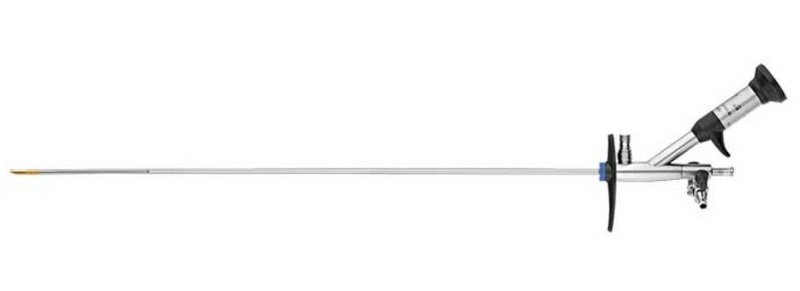
The most effective sterilization method for a rigid ureteroscope depends on its specific materials and design. Steam sterilization (autoclaving) is preferred for heat-tolerant instruments due to its reliability, rapid cycle times, and non-toxic nature. For heat-sensitive rigid ureteroscope models, low-temperature methods such as hydrogen peroxide gas plasma or ethylene oxide sterilization are effective alternatives. Always consult the manufacturer's guidelines to determine the appropriate sterilization method for your specific rigid ureteroscope model.
Biological monitoring should be performed at least weekly for rigid ureteroscope sterilization equipment, and preferably with every load containing implantable devices. Additionally, biological indicators should be used whenever conducting installation qualification, operational qualification, or periodic requalification of sterilization equipment used for rigid ureteroscope processing. Many healthcare facilities implement more frequent biological monitoring for critical devices like the rigid ureteroscope to ensure continuous process efficacy.
Immediate-use steam sterilization (formerly known as flash sterilization) should be avoided for rigid ureteroscope instruments except in emergency situations with specific clinical justification. The complex design of a rigid ureteroscope requires thorough cleaning and proper packaging to ensure effective sterilization, which is compromised in flash cycles. Additionally, flash sterilization provides no storage capability, increasing the risk of contamination between processing and use. For optimal patient safety, rigid ureteroscope instruments should undergo terminal sterilization whenever possible.
Visual signs that may indicate improper rigid ureteroscope sterilization include residual moisture in packaging, compromised packaging integrity, expired sterilization indicators, or visible debris on the instrument. Functional issues such as impaired optics, difficult instrument passage, or irregular irrigation flow may suggest channel obstruction that could compromise sterilization. Any rigid ureteroscope with questionable sterility should be immediately removed from service and reprocessed according to established protocols.
The storage duration for a sterilized rigid ureteroscope depends on packaging type, storage conditions, and institutional policy. Generally, event-related sterility is recognized, meaning the rigid ureteroscope remains sterile until an event compromises the packaging (e.g., tearing, moisture, excessive handling). Most healthcare facilities establish maximum shelf life policies, typically ranging from 30 to 180 days for rigid ureteroscope instruments, with regular inspection of stored items. Proper storage conditions—cool, dry, clean areas protected from environmental contaminants—help maintain rigid ureteroscope sterility throughout the storage period.
[1] https://www.360zhyx.com/home/research/wap/84/428_4287000.html
[2] https://zhuanlan.zhihu.com/p/848191547
[3] https://www.sohu.com/a/899661199_121936078
[4] https://www.chinacdc.cn/jkzt/mxfcrjbh/202410/t20241024_257888.html
[5] https://www.yixuelunwen.com.cn/2024/1029/c389722a792992.html
[6] https://www.cn-healthcare.com/articlewm/20241018/content-1676955.html
[7] https://www.haodf.com/zhuanjiaguandian/liujianmin_7049225992.htm
[8] https://news.yaozh.com/archive/45523.html
[9] https://www.cn-healthcare.com/article/20241011/content-677433.html
[10] https://www.bd.com/en-us/videos/bd-aptra-single-use-digital-flexible-ureteroscope-in-kidney-porc


