
Views: 222 Author: Lake Publish Time: 2025-12-19 Origin: Site


Content Menu
● Introduction: The Imperative of Perfect Reprocessing
● Understanding the Goal: Sterilization vs. High-Level Disinfection
● The Reprocessing Workflow: A Multi-Step Protocol
>> Leak Testing
>> High-Level Disinfection (or Low-Temperature Sterilization)
>>> Using an Automated Endoscope Reprocessor (AER)
>>> Manual Disinfection (if an AER is unavailable)
● Special Considerations and Challenges
● The Rise of Single-Use Bronchoscopes
● Frequently Asked Questions (FAQ)
>> 1. Can I autoclave (steam sterilize) my flexible bronchoscope?
>> 3. Why is forced air drying so important after cleaning a bronchoscope?
>> 5. Are disposable bronchoscopes truly sterile?
>> References
In the intricate world of interventional pulmonology, the bronchoscope is a lifeline—a sophisticated instrument that provides direct access to the human airways for diagnosis and therapy. However, this same device, after traversing the non-sterile respiratory tract, becomes a potential vector for dangerous pathogens if not processed correctly. The question of how to sterilize a bronchoscope is therefore not merely technical; it is a fundamental pillar of patient safety and infection prevention. Unlike simpler medical instruments, the bronchoscope presents a unique reprocessing challenge due to its long, narrow, internal channels, heat-sensitive components, and intricate mechanics. This article provides a comprehensive, step-by-step guide to the proper sterilization and high-level disinfection of reusable flexible bronchoscopes, adhering to the highest international standards and manufacturer guidelines.
For our company, which supports the manufacturing of visualization technologies, understanding the stringent reprocessing protocols our devices must endure is integral to designing durable, cleanable, and safe equipment. The integrity of every bronchoscopic procedure is irrevocably linked to the rigor of the reprocessing that precedes it.

A critical starting point is clarifying the intended outcome. Sterilization is a process that destroys all forms of microbial life, including bacterial spores. High-Level Disinfection (HLD) destroys all vegetative microorganisms, mycobacteria, small or non-lipid viruses, medium or lipid viruses, fungal spores, and some bacterial spores, but not necessarily all.
For most flexible bronchoscopes, the standard of care is high-level disinfection. True sterilization (e.g., with steam autoclaving) is typically not possible as the heat and pressure would destroy the bronchoscope's lenses, adhesives, and seals. However, the term "sterilize" is often used colloquially in clinical settings to mean achieving the highest possible level of decontamination, which for scopes is HLD. Some bronchoscope models are now designed to withstand specific low-temperature sterilization processes like ethylene oxide (EtO) or hydrogen peroxide gas plasma. Always consult the specific manufacturer's Instructions for Use (IFU) for the definitive processing method for your bronchoscope model.
Reprocessing a bronchoscope is a linear, multi-barrier process where each step is crucial. Skipping or shortening any step compromises the entire chain.
Reprocessing begins immediately after the bronchoscope is removed from the patient.
1. Wipe: Using a lint-free cloth moistened with enzymatic detergent solution, immediately wipe the entire insertion tube and the control body of the bronchoscope. This prevents organic debris from drying and hardening.
2. Suction: Aspirate the enzymatic detergent through the bronchoscope's suction/biopsy channel for at least 30-60 seconds to flush out contaminants while the channel is still wet.
3. Transport: Cap the distal end of the bronchoscope and place it in a labeled, sealed container for transport to the dedicated reprocessing area. This prevents contamination of the environment.
This vital step checks the integrity of the bronchoscope's internal sealing. A leak can allow fluid ingress, leading to catastrophic damage and creating a hidden reservoir for pathogens.
1. Attach the leak tester to the bronchoscope's air port.
2. Submerge the entire bronchoscope in a basin of water.
3. Pressurize the scope according to the IFU.
4. Observe closely, especially at the bending section, for a steady stream of bubbles. If bubbles are present, the bronchoscope has a leak. STOP the process, tag it out of service, and send it for repair. Do not immerse it further.
This is the single most critical step. Disinfection or sterilization will fail if organic soil (blood, mucus) remains, as it can shield microorganisms.
1. Disassemble & Immerse: Disconnect all removable parts (valves, caps). Completely immerse the bronchoscope in a fresh basin of warm water and compatible enzymatic detergent.
2. External Cleaning: Thoroughly wash the exterior with a soft cloth or brush, paying special attention to the distal tip, control knobs, and areas with crevices.
3. Internal Channel Cleaning:
- Brush: Using appropriately sized, disposable channel-cleaning brushes, scrub the entire length of every channel (suction/biopsy channel, air/water channel) of the bronchoscope. Use a back-and-forth motion, and repeat until no visible debris is on the brush.
- Flush: Using a syringe, flush each channel of the bronchoscope with the enzymatic detergent solution, ensuring fluid exits the distal end.
4. Rinse: Thoroughly rinse the entire bronchoscope and all components with clean, potable water to remove all detergent residue. Flush all internal channels extensively with water. Residual detergent can inactivate chemical disinfectants.
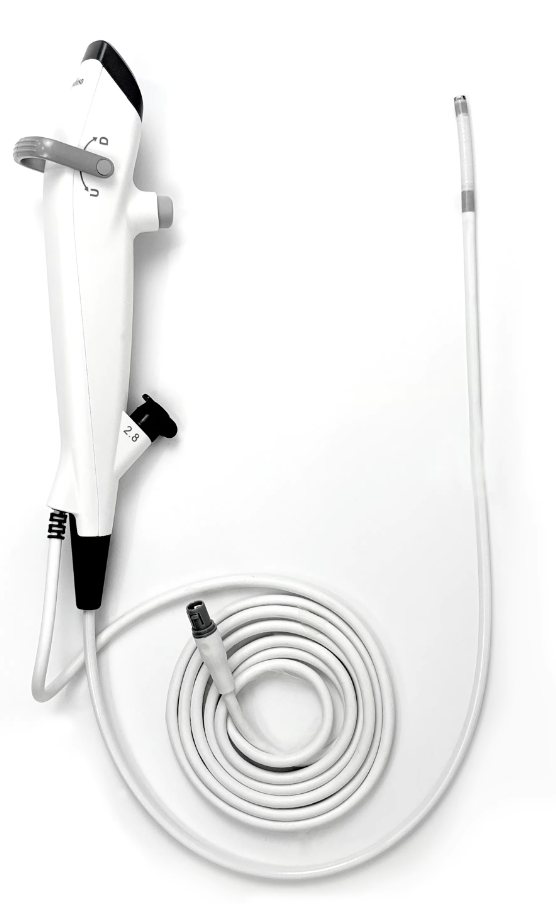
This is the preferred, most consistent method.
1. Connect the cleaned bronchoscope to the AER's irrigation adapters.
2. The AER automatically performs a cycle that typically includes: flushing channels with disinfectant, soaking for the required contact time (e.g., for ortho-phthalaldehyde or peracetic acid), rinsing with sterile/filtered water to remove chemical residue, and finally flushing with alcohol and forced air to dry.
This method is labor-intensive and carries a higher risk of error or exposure.
1. Immerse the bronchoscope completely in a basin of fresh high-level disinfectant.
2. Use syringes to fill and flush all channels of the bronchoscope with the disinfectant, ensuring no air pockets remain.
3. Soak for the exact contact time specified by the disinfectant manufacturer and the bronchoscope IFU. Use a timer.
4. After contact time, remove the bronchoscope and thoroughly rinse the exterior and flush all channels with sterile or filtered water (not tap water) to remove toxic chemical residues. This step is critical to prevent chemical-induced pneumonitis in patients.
5. Flush all channels with 70-90% ethyl or isopropyl alcohol, followed by forced air to accelerate drying.
Inadequate drying is a major cause of biofilm formation and subsequent patient infections.
1. Dry Exterior: Wipe the outside of the bronchoscope with a clean, lint-free cloth.
2. Dry Interior: Use forced, medical-grade air to thoroughly dry all internal channels of the bronchoscope. Continue until no moisture is expelled.
3. Store Vertically: Hang the bronchoscope completely dry in a dedicated, well-ventilated storage cabinet. It should be stored vertically, uncompromised, in a clean environment. Never store it coiled in a case while damp.
- Biofilm: A slimy layer of bacteria that adheres to internal surfaces. It is extremely resistant to disinfectants. Meticulous brushing, timely reprocessing, and perfect drying are the only defenses.
- Compatibility: The disinfectant must be compatible with the bronchoscope material. Using the wrong chemical can cause delamination, clouding, or cracking.
- Staff Training and Competency: Reprocessing is a specialized skill. Staff must receive initial and annual competency-based training.
- Quality Assurance: Regular auditing of reprocessing practices, microbiological surveillance cultures of bronchoscopes and AERs, and maintenance logs are essential components of a quality program.
Given the extreme complexity and risk associated with reprocessing reusable bronchoscope devices, the market has seen a rapid adoption of single-use (disposable) bronchoscope models. These devices are used once and discarded, eliminating the risk of cross-contamination from inadequate reprocessing and removing the immense labor and cost associated with the multi-step sterilization/HLD process. For many procedures, especially in ICU settings or for patients with known resistant organisms, disposable bronchoscope options represent the ultimate guarantee of asepsis.
Sterilizing—or more accurately, achieving high-level disinfection of—a bronchoscope is a complex, non-negotiable protocol that demands unwavering diligence. It is a chain with many links: immediate bedside pre-cleaning, mandatory leak testing, meticulous manual cleaning, verified exposure to an appropriate disinfectant, exhaustive rinsing, and rigorous drying. Each link is vital; if one fails, the chain breaks, and patient safety is jeopardized.
Adherence to the manufacturer's IFU and evidence-based guidelines from bodies like the CDC and professional societies is paramount. In an era of increasing antibiotic resistance, the proper reprocessing of reusable bronchoscope equipment is a critical defense in preventing healthcare-associated infections. Ultimately, the choice between meticulously reprocessing a reusable bronchoscope and utilizing a single-use device hinges on a risk-benefit analysis weighing cost, environmental impact, and the paramount imperative of patient safety. Regardless of the path chosen, the goal remains unequivocal: to ensure that every bronchoscope introduced into a patient's airway is as safe and free from microbial threat as modern science and rigorous practice can make it.

No, you absolutely cannot. Standard steam autoclaving uses high heat (121-134°C) and pressure that will permanently destroy the lenses, glue seals, flexible components, and plastic parts of a flexible bronchoscope. Always follow the manufacturer's IFU, which will specify approved low-temperature methods like chemical high-level disinfection or specific gas sterilization (e.g., EtO) for compatible models.
There is no universally absolute timeline, as it depends on storage conditions. Best practice, supported by many guidelines, suggests that a perfectly dried bronchoscope stored in a dedicated, ventilated cabinet can be considered safe for use for up to 5-7 days. If there is any doubt about its cleanliness, or if the storage cabinet is compromised, it should be reprocessed again immediately prior to use. Some facilities adopt a more conservative "reprocess before each use" policy.
Residual moisture inside the dark, narrow channels of a bronchoscope is the perfect environment for microorganisms to multiply and form biofilm. Forced air drying removes this moisture, drastically reducing the risk of microbial survival and growth during storage. Inadequate drying is a leading contributing factor in bronchoscope-related infection outbreaks.
Stop immediately. Rinse the bronchoscope extensively with water according to the IFU. Do not use it on a patient. Contact the bronchoscope manufacturer immediately for guidance. The chemicals may have caused irreversible damage to the optics or materials, requiring inspection and possible repair. Document the incident.
Yes, single-use bronchoscope devices are typically supplied as sterile in sealed packaging, having undergone terminal sterilization by the manufacturer (often using gamma irradiation or ethylene oxide gas). They are intended for one procedure on one patient and are then discarded. This eliminates the reprocessing burden and associated risks entirely, providing the highest assurance of asepsis for that single use.
[1] https://www.cdc.gov/infectioncontrol/guidelines/disinfection/index.html
[2] https://www.fda.gov/medical-devices/reprocessing-reusable-medical-devices/information-association-professionals-infection-control-and-epidemiology-apic
[3] https://www.apsf.org/article/cleaning-and-sterilization-of-flexible-bronchoscopes/
[4] https://www.thoracic.org/professionals/clinical-resources/disease-related-references/bronchoscope-reprocessing.php
[5] https://www.sgna.org/Resources/Standards
[6] https://www.aami.org/standards
[7] https://www.fda.gov/medical-devices/reprocessing-reusable-medical-devices
[8] https://www.who.int/publications/i/item/9789241548557
[9] https://www.ncbi.nlm.nih.gov/pmc/articles/PMC5704862/


