


Content Menu
● Introduction: The Critical Importance of Proper Laryngoscope Cleaning
● Fundamental Principles of Laryngoscope Cleaning
>> Understanding the Difference Between Cleaning and Disinfection
>> Immediate Post-Procedure Actions
● Step-by-Step Laryngoscope Cleaning Protocol
● Disinfection and Sterilization Protocols
>> Chemical Disinfection Methods
>> Physical Disinfection Methods
● Special Considerations for Different Laryngoscope Types
>> Traditional Direct Laryngoscopes
>> Routine Maintenance and Quality Control
● Organizational Systems and Compliance
>> Centralized Processing vs. Point-of-Use Cleaning
>> Staff Training and Competency
● Conclusion: Integrating Comprehensive Laryngoscope Cleaning into Patient Safety Culture
● FAQ
>> 1.What is the first step in cleaning a laryngoscope?
>> 2.Can I immerse the entire laryngoscope in disinfectant solution?
>> 3.How long should a laryngoscope be immersed in disinfectant solution?
>> 4.What are the special considerations for cleaning video laryngoscopes?
>> 5.How should I store a laryngoscope after cleaning?
The laryngoscope stands as an indispensable tool in modern medical practice, playing a crucial role in airway management and emergency medicine. As a reusable medical instrument that enters the upper airway, proper laryngoscope cleaning and disinfection isn't merely a recommendation—it's an essential component of patient safety and infection control. Inadequate cleaning of a laryngoscope can lead to healthcare-associated infections (HAIs), cross-contamination between patients, and potential transmission of pathogens. The intricate design of a laryngoscope, with its small crevices and electrical components, presents unique challenges that demand specialized cleaning protocols.
This comprehensive guide explores the proper techniques, solutions, and procedures for effectively cleaning and disinfecting laryngoscope equipment. Whether you're working with traditional direct laryngoscope models or modern video laryngoscope systems, understanding and implementing correct cleaning practices ensures both patient safety and the longevity of your medical equipment. We'll examine everything from immediate post-use processing to advanced disinfection methods, providing healthcare facilities with a thorough framework for maintaining laryngoscope hygiene according to established medical standards.

Before delving into specific procedures, it's crucial to recognize the distinction between cleaning and disinfection in the context of laryngoscope maintenance. Cleaning refers to the physical removal of organic material, blood, and secretions from the laryngoscope surface. This typically involves detergent solutions and mechanical action to eliminate visible debris. Disinfection, however, goes a step further by reducing the number of pathogenic microorganisms to a level considered safe by public health standards. For a laryngoscope that contacts mucous membranes, high-level disinfection is generally required .
The two-step process—cleaning followed by disinfection—is fundamental to proper laryngoscope processing. Skipping the cleaning step to proceed directly to disinfection compromises the efficacy of the disinfecting agents, as organic material can shield microorganisms from chemical solutions. Every laryngoscope cleaning protocol must incorporate both stages to ensure patient safety and compliance with infection control standards.
The cleaning process for a laryngoscope should begin immediately after its use. Prompt initial cleaning prevents biological material from drying on the instrument's surface, which makes subsequent cleaning more challenging. The initial steps include:
1. Disassembly: If using a laryngoscope with separable components, carefully disconnect the blade from the handle according to the manufacturer's instructions . For video laryngoscope systems with detachable probes, follow specific disassembly guidelines .
2. Initial Wipe-Down: Using a wet cloth or gauze, wipe the laryngoscope blade to remove visible debris and secretions . For the handle, use a cloth dampened with water or an appropriate cleaning solution to remove surface contamination .
3. Safe Transportation: If the laryngoscope cannot be cleaned immediately at the point of use, place it in a sealed container labeled as biohazardous and transport it to the cleaning area as soon as possible.
Manual cleaning remains a fundamental approach to laryngoscope processing, especially in facilities without access to automated systems. The manual cleaning protocol for a laryngoscope typically includes:
1. Personal Protective Equipment (PPE): Healthcare staff should wear appropriate PPE, including gloves, gown, and eye protection, before beginning the laryngoscope cleaning process.
2. Pre-cleaning Inspection: Examine the laryngoscope for any visible damage, cracks, or malfunctioning parts that might compromise its safety or effectiveness. Pay special attention to the light source and electrical connections.
3. Mechanical Cleaning: Under running water, use a soft brush to thoroughly clean all surfaces of the laryngoscope blade. For a laryngoscope with crevices or hinges, use a small brush to reach difficult areas . The brushing motion should follow a direction away from the bulb area to prevent fluid ingress .
4. Enzymatic Cleaning: Immerse the laryngoscope components in a multi-enzyme solution for approximately 5-10 minutes to break down organic debris . Enzymatic cleaners are particularly effective for removing proteinaceous material that might adhere to the laryngoscope surface.
5. Rinsing: After enzymatic treatment and brushing, thoroughly rinse the laryngoscope with clean water to remove all detergent and enzymatic residues . Inadequate rinsing can interfere with subsequent disinfection processes.
6. Drying: Use a clean, lint-free cloth to dry all components of the laryngoscope . Ensure no moisture remains, particularly in electrical components or connection points.
For healthcare facilities with higher volumes of laryngoscope use, automated cleaning systems can provide consistent, standardized cleaning. These include:
1. Ultrasonic Cleaners: These devices use high-frequency sound waves to create microscopic bubbles that implode, generating cleaning action that reaches difficult-to-access areas of a laryngoscope . Ultrasonic cleaning is particularly effective for laryngoscope components with complex geometries. Companies like连云港欧倍洁医疗设备有限公司 specialize in medical ultrasonic cleaning equipment .
2. Washer-Disinfectors: Automated washer-disinfector systems provide a consistent process for cleaning and thermal disinfection of laryngoscope components that can withstand high temperatures.
3. Mechanical Cleaning Units: Some facilities utilize specialized mechanical cleaning equipment that combines fluid irrigation with mechanical brushing action for comprehensive laryngoscope cleaning.
While automated systems offer advantages in standardization and efficiency, they should still be followed by appropriate inspection and, if necessary, manual touch-up cleaning to ensure all areas of the laryngoscope have been adequately addressed.
After thorough cleaning, the laryngoscope must undergo disinfection. The appropriate level of disinfection depends on the intended use of the instrument and the patient population. Common chemical disinfection methods for laryngoscope include:
1. 2% Glutaraldehyde Solutions: Immersion in 2% alkaline glutaraldehyde for 20 minutes provides high-level disinfection for a laryngoscope . For cases involving tuberculosis or other mycobacterial infections, the immersion time should be extended to at least 45 minutes . Always follow manufacturer guidelines for preparation and use of chemical disinfectants.
2. Alcohol-Based Disinfection: For laryngoscope handles and non-critical components, 70-80% alcohol solutions can be effective for intermediate-level disinfection . Alcohol is particularly suitable for electrical components that cannot be immersed in liquid solutions.
3. Hydrogen Peroxide Solutions: 6% hydrogen peroxide solutions offer an alternative for high-level disinfection of laryngoscope components . These solutions typically have shorter immersion times and may be less irritating to respiratory tissues than glutaraldehyde solutions.
4. Chlorine-Based Disinfectants: For general disinfection purposes, solutions containing 500mg/L available chlorine have been effectively used for laryngoscope processing .
Physical disinfection methods provide alternatives to chemical approaches for laryngoscope processing:
1. Ultraviolet (UV) Light: UV irradiation can serve as a disinfection method for laryngoscope components, particularly for surfaces. Exposure to UV light for 30 minutes or more can effectively reduce microbial contamination . However, UV light may have limited penetration and might not reach all surfaces of a complex laryngoscope design.
2. Heat Sterilization: When possible and compatible with the laryngoscope design, heat sterilization methods such as autoclaving provide the highest level of assurance against microbial transmission. However, many modern laryngoscope models, particularly those with integrated electronics, cannot withstand high-temperature processing.
Traditional direct laryngoscope units consisting of separable handles and blades require specific attention to their unique design features:
1. Handle Cleaning: The laryngoscope handle should be wiped with a cloth dampened with 75% alcohol . Take care to prevent moisture from entering the battery compartment or electrical components.
2. Blade Processing: The laryngoscope blade typically requires more intensive cleaning and high-level disinfection, as it directly contacts patient mucous membranes. Pay particular attention to the light source area, where secretions can accumulate.
3. Bulb Area Attention: During cleaning of a direct laryngoscope, special care must be taken around the bulb area to prevent damage while ensuring proper decontamination .
Modern video laryngoscope systems present additional cleaning challenges due to their integrated electronics and more complex design:
1. Detachable Components: Many video laryngoscope models feature detachable probes or blades to facilitate cleaning . Always follow the manufacturer's specific instructions for disassembly and reassembly.
2. Camera Lens Care: The camera lens of a video laryngoscope requires gentle cleaning to prevent scratches that could impair visualization. Use soft, lint-free cloths and appropriate cleaning solutions.
3. Electrical Connection Protection: Ensure that electrical connections between the video laryngoscope handle and blade do not become contaminated with moisture or cleaning solutions, which could cause malfunction.
4. Display Unit Cleaning: The display unit of a video laryngoscope system typically requires only surface cleaning with mild disinfectants, avoiding excessive moisture that could damage electronic components.
After cleaning and disinfection, proper storage of the laryngoscope is essential to maintain its sterile condition until next use:
1. Storage Environment: Store the completely dry laryngoscope in a clean, dry container or wrapped in non-woven fabric . The storage area should be well-ventilated, free from dust, and protected from direct sunlight .
2. Dedicated Storage Areas: Designate specific, clean areas or containers for storing processed laryngoscope equipment to prevent contamination .
3. Accessibility: Store the laryngoscope in a readily accessible location for emergency use while ensuring its protected status is maintained.
Regular maintenance ensures the ongoing reliability and safety of laryngoscope equipment:
1. Functional Testing: After cleaning and before storage, verify that the laryngoscope is in working condition, particularly the light source for traditional models or display function for video units .
2. Regular Inspection: Implement a schedule for routine inspection of all laryngoscope components for signs of wear, damage, or corrosion that might compromise function or cleaning efficacy.
3. Battery Management: For laryngoscope units with battery compartments, remove batteries during prolonged storage to prevent leakage and corrosion .
4. Documentation: Maintain accurate records of cleaning, disinfection, maintenance, and inspection for each laryngoscope in your inventory .
Healthcare facilities may adopt different organizational approaches to laryngoscope processing:
1. Centralized Processing: Centralized cleaning of laryngoscope equipment in designated areas (such as central sterile supply departments) offers advantages in standardization, quality control, and efficiency. Research has demonstrated that centralized disinfection of laryngoscope devices can save time, reduce labor costs, and potentially extend equipment lifespan .
2. Point-of-Use Processing: In some emergency or critical care settings, immediate point-of-use cleaning of laryngoscope equipment may be necessary. In such cases, ensure that appropriate materials and clear protocols are available at the point of use.
Effective laryngoscope cleaning depends heavily on staff knowledge and compliance:
1. Comprehensive Training: Implement regular training programs for all personnel responsible for laryngoscope processing, covering both technical skills and theoretical knowledge of infection control principles.
2. Competency Assessment: Periodically assess staff competency in laryngoscope cleaning procedures through direct observation and potentially microbiological monitoring.
3. Resource Accessibility: Ensure that cleaning protocols, manufacturer instructions, and safety information are readily accessible to staff involved in laryngoscope processing.
Proper cleaning of the laryngoscope is not merely a technical procedure—it's a fundamental aspect of patient safety and quality healthcare delivery. From immediate post-use actions to proper storage, each step in the laryngoscope cleaning process contributes to preventing healthcare-associated infections and ensuring equipment reliability. As laryngoscope technology continues to evolve, particularly with the advent of sophisticated video laryngoscope systems, cleaning protocols must adapt to address new design challenges while maintaining rigorous infection control standards.
Healthcare facilities should view comprehensive laryngoscope cleaning programs not as an operational burden but as an essential investment in patient safety and clinical excellence. By implementing systematic approaches, providing thorough staff education, and maintaining diligent quality control, healthcare institutions can ensure that this critical airway management tool remains both effective and safe for every patient encounter. The proper cleaning and maintenance of a laryngoscope ultimately reflects the broader commitment to quality care and infection prevention that defines exemplary medical practice.
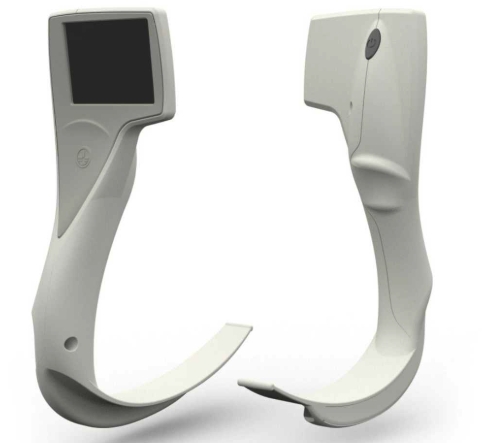
The first step in cleaning a laryngoscope is immediate post-use wiping with a wet cloth or gauze to remove gross contamination . This should be followed by proper disassembly of the laryngoscope components if it's a modular design . Beginning the cleaning process promptly prevents biological materials from drying on the instrument surface, making subsequent cleaning more effective.
No, not all components of a laryngoscope can be fully immersed. While blades and detachable probes can typically be immersed in appropriate disinfectant solutions , the handle—especially of traditional laryngoscope models—usually cannot be immersed due to electrical components . Instead, the handle should be thoroughly wiped with a cloth dampened with an appropriate disinfectant such as 75% alcohol .
The immersion time depends on the disinfectant used and the patient population. For 2% glutaraldehyde solutions, a laryngoscope should typically be immersed for at least 20 minutes . When dealing with patients with tuberculosis or other mycobacterial infections, immersion time should be extended to at least 45 minutes . Always follow the manufacturer's instructions for both the laryngoscope and the disinfectant solution.
Cleaning a video laryngoscope requires special attention to electronic components. Detachable probes should be carefully cleaned according to manufacturer instructions . The camera lens requires gentle cleaning with soft materials to prevent scratches. Electrical connections should be protected from moisture, and display units typically only need surface cleaning with appropriate disinfectants .
After thorough cleaning, disinfection, and complete drying, the laryngoscope should be stored in a clean, dry container or wrapped in non-woven fabric . The storage area should be clean, dry, well-ventilated, and protected from direct sunlight . Before storage, verify that the laryngoscope is functional and in ready condition for its next use .
[1] https://www.mh-hospital.sh.cn/yxw/ygfk/info_72.aspx?itemid=1228
[2] http://www.jmmedical.cn/news/i805503.html
[3] https://wenku.baidu.com/view/16d22b35011ca300a7c39038
[4] https://www.haolietou.com/c_32289


