


Content Menu
● Understanding Isolation Gowns Price Ranges
● Factors Influencing Isolation Gowns Pricing
● Bulk Purchasing and Quantity Discounts
● Disposable vs Reusable Isolation Gowns Cost Analysis
● Quality and Price Correlation
● Market Trends Impacting Isolation Gowns Pricing
● Regulatory Compliance and Certification Costs
● Strategic Sourcing and Procurement Best Practices
>> 1. What is the typical price range for isolation gowns?
>> 2. How does bulk purchasing affect isolation gowns pricing?
>> 3. Are more expensive isolation gowns necessarily better?
>> 4. What are the cost differences between disposable and reusable isolation gowns?
>> 5. How have isolation gowns prices changed in recent years?
The question "How much is isolation gowns?" represents a fundamental consideration for healthcare facilities, procurement specialists, and infection control professionals worldwide. The pricing of isolation gowns involves a complex interplay of material costs, regulatory compliance, manufacturing processes, and market dynamics. Understanding the cost structure of isolation gowns requires examining multiple factors including protection levels, material composition, quantity requirements, and supply chain considerations. This comprehensive analysis explores the various price points for isolation gowns, providing healthcare organizations with essential information to make informed purchasing decisions while maintaining quality standards and budgetary constraints in an increasingly competitive medical supplies market.
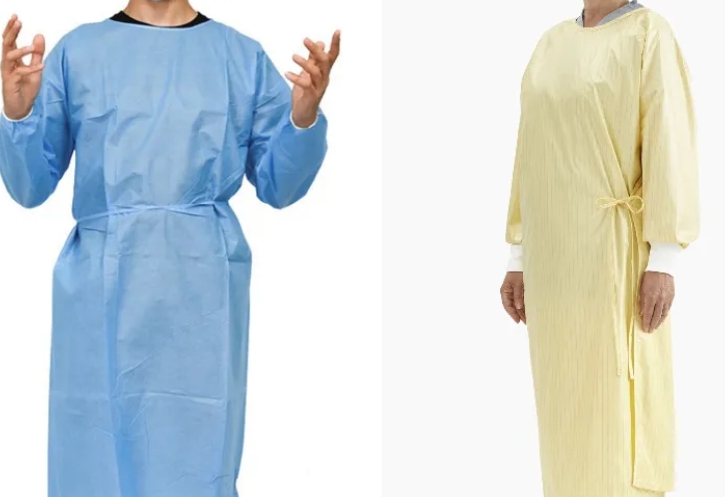
The cost of isolation gowns varies significantly based on multiple factors, with prices typically ranging from less than $1 to over $20 per gown. Basic disposable isolation gowns used for standard precautions may cost between $0.50 and $2.00 per unit when purchased in bulk quantities. Mid-range isolation gowns offering enhanced protection typically fall in the $2 to $5 range, while premium surgical isolation gowns with the highest protection levels can cost anywhere from $5 to $25 each. The substantial price variation reflects differences in material quality, manufacturing standards, and protective capabilities among various types of isolation gowns.
The pricing structure for isolation gowns has evolved significantly in recent years, particularly following global health crises that disrupted supply chains and increased demand. Current market conditions show stabilization in isolation gowns pricing after the extreme fluctuations experienced during pandemic peaks. However, healthcare purchasers should recognize that isolation gowns pricing remains dynamic, influenced by raw material costs, regulatory changes, and global market conditions. Understanding these price ranges helps healthcare facilities budget appropriately for their isolation gowns requirements while ensuring adequate protection levels for their specific clinical needs.
Multiple factors contribute to the final cost of isolation gowns, creating the price variations observed in the healthcare market. Material composition represents one of the most significant cost drivers for isolation gowns, with basic polypropylene gowns at the lower end and advanced multilayer fabrics with reinforced protection at the higher end. The manufacturing processes for isolation gowns also impact pricing, including costs associated with quality control, sterilization procedures, and compliance with regulatory standards. Additionally, the level of protection offered by isolation gowns, as classified under the ANSI/AAMI PB70 standard, directly influences their market price.
Certification and testing requirements substantially affect the pricing of isolation gowns. Products that undergo rigorous testing for fluid resistance, tear strength, and microbial penetration typically command higher prices due to the associated compliance costs. The manufacturing location of isolation gowns also influences pricing, with domestic production often costing more than overseas manufacturing due to labor and regulatory differences. Furthermore, brand reputation and clinical validation of isolation gowns can justify premium pricing, particularly when supported by documented performance data and healthcare professional endorsements.
The quantity of isolation gowns purchased significantly impacts the per-unit cost, with substantial discounts available for bulk orders. Healthcare facilities typically purchase isolation gowns in cases or pallets, with standard case quantities ranging from 25 to 100 gowns depending on the product type and packaging. When purchasing isolation gowns in full pallet quantities, which may contain 40-80 cases, healthcare organizations can achieve per-gown costs 20-40% lower than single-case pricing. These volume discounts for isolation gowns make strategic purchasing an important consideration for budget-conscious healthcare facilities.
The implementation of just-in-time inventory systems for isolation gowns requires careful balancing between quantity discounts and storage costs. While larger purchases of isolation gowns typically offer better per-unit pricing, healthcare facilities must consider storage space, inventory management, and product expiration dates. Many suppliers of isolation gowns offer contract pricing for committed annual volumes, providing additional cost savings for high-volume users. Group purchasing organizations (GPOs) also negotiate favorable pricing for isolation gowns by aggregating demand across multiple healthcare facilities, leveraging collective buying power to secure competitive rates.
The economic comparison between disposable and reusable isolation gowns involves complex calculations extending beyond initial purchase prices. Disposable isolation gowns typically range from $0.50 to $5.00 per gown, with pricing dependent on protection level and material quality. While these isolation gowns appear inexpensive initially, the cumulative costs of continuous repurchasing can become substantial for high-volume users. Additionally, disposal costs for used isolation gowns, including waste management and environmental considerations, represent hidden expenses that impact the total cost of ownership for disposable options.
Reusable isolation gowns present a different economic profile, with higher initial costs but potential long-term savings. The purchase price for reusable isolation gowns typically ranges from $15 to $45 per gown, representing a significant upfront investment compared to disposable alternatives. However, these isolation gowns can withstand 50-100 laundering cycles, bringing the per-use cost down to approximately $0.30 to $0.90 when factoring in reprocessing expenses. Healthcare facilities considering reusable isolation gowns must also account for inventory management, replacement rates, and the infrastructure costs associated with specialized laundering facilities or services.
The relationship between price and quality in isolation gowns represents a critical consideration for healthcare procurement decisions. Lower-priced isolation gowns often utilize basic materials with minimal testing and quality assurance, potentially compromising protection in clinical environments. Mid-range isolation gowns typically offer balanced value, incorporating improved materials, better construction, and basic certifications at moderate price points. Premium isolation gowns justify their higher costs through advanced materials, rigorous testing, enhanced comfort features, and documented performance in clinical settings.
Healthcare facilities must carefully evaluate the appropriate quality level needed for their specific applications of isolation gowns. While high-level protection isolation gowns are essential for surgical and high-fluid exposure situations, less critical applications may allow for cost savings through appropriately specified lower-level isolation gowns. The implementation of a risk-based assessment protocol for isolation gowns selection helps healthcare organizations match product specifications to clinical requirements, optimizing both safety and cost-effectiveness. Regular quality audits of isolation gowns performance in clinical use provide valuable data to inform future purchasing decisions and ensure consistent protection standards.
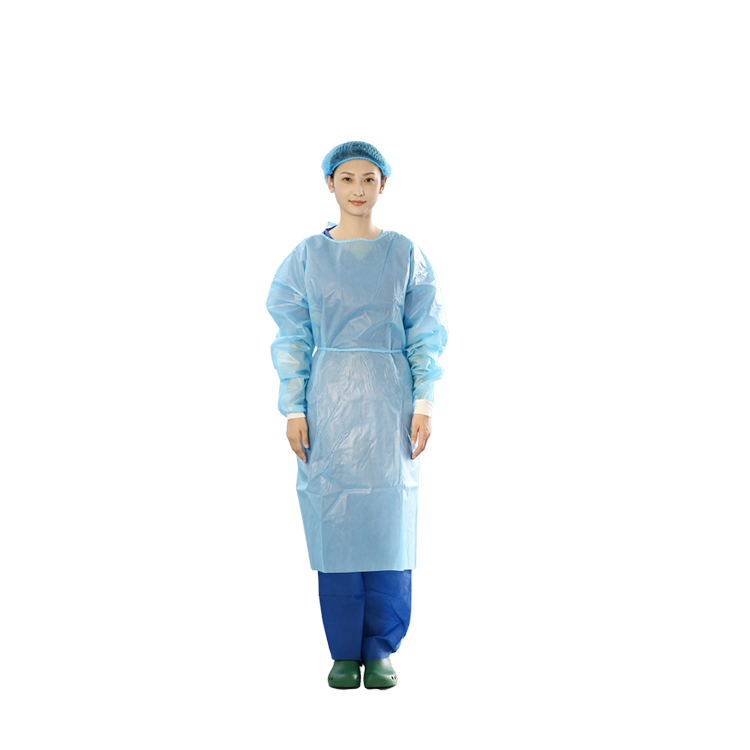
Current market trends significantly influence the pricing dynamics of isolation gowns in the global healthcare landscape. The increasing demand for isolation gowns across various healthcare settings, coupled with growing awareness of infection control protocols, continues to shape market prices. The trend toward standardized protection levels for isolation gowns, driven by regulatory requirements and accreditation standards, has prompted manufacturers to enhance product features while managing cost pressures. Additionally, the globalization of isolation gowns manufacturing has introduced both competitive pricing and supply chain complexities that affect final costs to healthcare consumers.
Sustainability considerations are emerging as influential factors in isolation gowns pricing and product development. Environmentally conscious isolation gowns options, including biodegradable materials and reduced packaging, often carry price premiums reflecting their specialized manufacturing processes. The development of innovative materials for isolation gowns, such as advanced nonwovens with enhanced protection and comfort characteristics, also impacts pricing structures. Furthermore, consolidation among manufacturers and distributors of isolation gowns affects market competition and pricing transparency, requiring healthcare purchasers to maintain vigilant market awareness to secure favorable terms.
The regulatory landscape substantially impacts the pricing of isolation gowns through compliance requirements and certification processes. Isolation gowns classified as medical devices must meet stringent FDA regulations, involving substantial investment in testing, documentation, and quality systems. The costs associated with maintaining compliance for isolation gowns manufacturers inevitably factor into product pricing. Additionally, specific certifications for isolation gowns, such as ANSI/AAMI PB70 classification for fluid resistance, require ongoing testing and verification that contribute to overall production costs.
International standards and regional regulations further complicate the pricing structure for isolation gowns in global markets. Manufacturers producing isolation gowns for distribution in multiple countries must navigate varying regulatory requirements, each with associated compliance costs. The implementation of quality management systems, such as ISO 13485 certification for medical device manufacturers, represents another cost component reflected in isolation gowns pricing. These regulatory investments, while necessary for ensuring product safety and efficacy, contribute to the final market price of isolation gowns and must be balanced against healthcare budget constraints.
Effective procurement strategies for isolation gowns can significantly impact healthcare organizations' operational costs and supply chain stability. The development of comprehensive specifications for isolation gowns based on clinical requirements helps procurement professionals identify appropriate products while avoiding over-specification that increases costs. Establishing preferred supplier relationships for isolation gowns can provide pricing advantages through volume commitments and streamlined ordering processes. Additionally, implementing standardized evaluation criteria for isolation gowns ensures consistent quality across purchasing decisions while facilitating accurate cost comparisons.
The timing of isolation gowns purchases represents another strategic consideration for cost management. Market monitoring for isolation gowns pricing trends enables healthcare organizations to identify favorable purchasing opportunities and avoid peak pricing periods. The consolidation of isolation gowns requirements across departments or facilities can strengthen negotiating positions with suppliers. Furthermore, maintaining appropriate inventory levels of isolation gowns balances the financial benefits of bulk purchasing against storage costs and product expiration concerns, optimizing overall resource allocation for these essential protective items.
The pricing of isolation gowns encompasses a complex matrix of factors including material quality, protection levels, regulatory compliance, and market dynamics. Understanding the cost structure of isolation gowns enables healthcare organizations to make informed purchasing decisions that balance budgetary constraints with essential protection requirements. The substantial price range for isolation gowns, from under one dollar to over twenty dollars per gown, reflects the diverse applications and performance specifications available in today's market. Strategic procurement practices, including volume purchasing, supplier relationship management, and clinical appropriateness assessment, can optimize the value obtained from isolation gowns expenditures.
Healthcare facilities must approach isolation gowns procurement with comprehensive consideration of both immediate costs and long-term value. The evaluation of isolation gowns options should incorporate clinical requirements, user comfort, and total cost of ownership rather than focusing exclusively on per-unit pricing. As the market for isolation gowns continues to evolve with technological advancements and changing regulatory landscapes, maintaining current knowledge of product options and pricing trends remains essential for effective resource management. Through diligent market awareness and strategic procurement practices, healthcare organizations can ensure reliable access to appropriate isolation gowns while managing their protective equipment budgets effectively.

The price range for isolation gowns varies significantly based on quality and specifications, typically ranging from $0.50 to $25.00 per gown. Basic disposable isolation gowns for minimal risk situations generally cost between $0.50 and $2.00 each, while mid-range isolation gowns with better protection typically range from $2.00 to $5.00. High-performance surgical isolation gowns with maximum fluid resistance can cost from $5.00 to $25.00 per unit, depending on specific features and certifications.
Bulk purchasing significantly reduces the per-unit cost of isolation gowns, with discounts typically ranging from 20% to 40% compared to single-case pricing. Healthcare facilities purchasing isolation gowns by the pallet rather than individual cases can achieve substantial savings, particularly when committing to larger volumes through contract agreements. Many suppliers of isolation gowns offer tiered pricing structures that provide increasingly better rates as purchase quantities increase, making volume buying an effective strategy for cost management.
While price often correlates with quality in isolation gowns, the most expensive option isn't always the most appropriate. Higher-priced isolation gowns typically offer enhanced protection, comfort, and certification compliance, but these features may exceed the requirements for certain clinical applications. Healthcare facilities should select isolation gowns based on specific risk assessments and procedural needs rather than assuming higher cost equals better suitability. Evaluating isolation gowns against standardized protection classifications helps match product capabilities to clinical requirements efficiently.
Disposable isolation gowns typically cost between $0.50 and $5.00 per use, while reusable isolation gowns have an initial purchase price of $15 to $45 per gown but a per-use cost of approximately $0.30 to $0.90 when laundered multiple times. The economic comparison between disposable and reusable isolation gowns must include reprocessing expenses, inventory management, and replacement rates for reusable options. The total cost of ownership for isolation gowns varies based on usage volume, laundering capabilities, and facility-specific operational factors.
Isolation gowns pricing has experienced significant fluctuations in recent years, particularly during global health emergencies that created supply chain disruptions and unprecedented demand. Following stabilization after pandemic peaks, isolation gowns prices have generally trended toward more predictable levels while remaining above pre-crisis baselines in many cases. Current market conditions for isolation gowns reflect balancing factors including raw material costs, manufacturing capacity, and ongoing global demand, with prices generally higher than historical averages but more stable than during crisis periods.


