
Views: 222 Author: Lake Publish Time: 2025-11-03 Origin: Site


Content Menu
● Understanding the McGrath Video Laryngoscope System
● Cost Components of McGrath Video Laryngoscope Systems
>> Core Device and Handle Pricing
● Factors Influencing McGrath Video Laryngoscope Pricing
>> Volume Discounts and Contract Agreements
>> Accessories and Additional Components
● Comparative Cost Analysis: McGrath vs. Alternative Video Laryngoscopes
>> Premium Video Laryngoscope Options
>> Value Segment and OEM Alternatives
● Total Cost of Ownership Considerations
>> Initial Investment vs. Long-Term Costs
>> Operational Efficiency and Clinical Outcome Impact
● Purchasing Considerations and Strategies
>> New vs. Refurbished Options
● FAQ
>> 1.What is the approximate cost of a McGrath video laryngoscope handle?
>> 2.How much do disposable blades for the McGrath video laryngoscope cost?
>> 3.Are there reusable blade options available for the McGrath video laryngoscope?
>> 4.How does the cost of the McGrath video laryngoscope compare to other video laryngoscopes?
The McGrath video laryngoscope has emerged as a transformative tool in modern airway management, offering enhanced visualization and improved first-pass success rates for tracheal intubation. As healthcare institutions worldwide recognize the clinical benefits of this technology, understanding the cost structure and investment required becomes crucial for procurement decision-makers. The McGrath video laryngoscope represents a significant advancement over traditional direct laryngoscopy, utilizing video technology to provide a superior view of the glottis, particularly in challenging airway scenarios. This article provides a comprehensive analysis of the cost components associated with the McGrath video laryngoscope system, examining not only the initial purchase price but also the long-term financial implications of implementation across various clinical settings.
When evaluating the true cost of a McGrath video laryngoscope, healthcare facilities must consider multiple factors beyond the simple sticker price. The financial investment encompasses the core device, various blade options, maintenance considerations, and potential operational savings through improved clinical outcomes. As the global medical device market continues to evolve with increasing emphasis on video-assisted airway management, the McGrath video laryngoscope maintains a competitive position, though its pricing structure reflects its technological sophistication and clinical efficacy. This analysis delves into the specific cost components, compares the McGrath video laryngoscope with alternative technologies, and provides healthcare administrators with the information necessary to make informed financial decisions regarding this important medical investment.

The McGrath video laryngoscope is a portable video laryngoscope designed to facilitate tracheal intubation by providing a clear view of the vocal cords and glottic opening. Unlike traditional direct laryngoscopes that require a direct line of sight, the McGrath video laryngoscope utilizes a miniature camera positioned at the tip of the blade, transmitting real-time video to a display screen. This fundamental technological difference eliminates the need for perfect alignment of the oral, pharyngeal, and laryngeal axes, making it particularly valuable in difficult airway situations. The system's design incorporates ergonomic principles and advanced optics to enhance usability across diverse patient populations and clinical scenarios.
The McGrath video laryngoscope system consists of two primary components: the handle with integrated display and the disposable or reusable blades. The handle contains the power source, processing electronics, and LCD screen, engineered to withstand the rigors of clinical use while maintaining optimal image quality. The blades, available in various sizes and configurations, are designed for specific patient populations and clinical requirements. This modular approach allows healthcare facilities to standardize on the core platform while adapting to specific needs through blade selection. The McGrath video laryngoscope has gained particular recognition for its application in challenging intubation scenarios, including patients with limited neck mobility, restricted mouth opening, or other anatomical considerations that complicate traditional laryngoscopy.
The primary investment in a McGrath video laryngoscope system centers on the handle unit, which incorporates the display, processing capabilities, and power source. While exact pricing for complete handle units varies based on configuration and regional factors, the significant investment in blades indicates that the core device represents a substantial capital expenditure for healthcare facilities. The McGrath video laryngoscope handle is designed as a reusable component,
engineered for durability through numerous intubation procedures. This reusability spreads the initial investment across many uses, though the upfront cost can be substantial for individual healthcare facilities or departments.
The pricing of the core McGrath video laryngoscope unit reflects its technological sophistication and clinical utility. Features such as display quality, battery life, durability, and interface design all contribute to the manufacturing cost and subsequent purchase price. Additionally, manufacturer support services, including warranty terms, technical support, and maintenance programs, influence the overall cost structure. For healthcare procurement specialists, understanding that the handle represents a capital investment that should be amortized over its usable lifespan is essential for accurate financial planning and justification of the initial expenditure.
A significant ongoing expense associated with the McGrath video laryngoscope system is the disposable blades required for each procedure. These single-use components are essential for infection control and optimal performance, representing a recurring cost that must be factored into the total ownership calculation. The McGrath MAC Spatula X Blade X3, for instance, is priced at approximately $45 per unit . These blades are specifically designed for emergency intubation and managing difficult airways, with their cost reflecting the specialized design and manufacturing requirements.
The pricing structure for McGrath video laryngoscope blades often incorporates volume discounts that can significantly impact the total cost of ownership for high-volume facilities. For example, purchasing two or more blades may reduce the price to $43.65 per unit (a 3% discount), while orders of four or more may further decrease the cost to $42.75 per unit (a 5% discount) . These incremental savings become substantial when projected across annual usage, making volume purchasing strategically important for cost containment. Additionally, the availability of different blade types and sizes at varying price points allows facilities to match their inventory to their specific patient population and clinical needs.
While disposable blades represent the standard for single-use infection prevention, some McGrath video laryngoscope systems offer reusable blade options that can provide cost efficiencies in certain clinical scenarios. These reusable components are designed for repeated use following appropriate sterilization and high-level disinfection processes between patients. The financial calculation regarding reusable versus disposable blades involves balancing the higher initial investment against the per-use cost reduction over time, while also considering the reprocessing costs and potential cross-contamination risks.
Reusable blades for the McGrath video laryngoscope typically command a higher initial price but can be cost-effective for facilities with sufficient procedure volume to justify the investment. However, the trend in modern healthcare increasingly favors disposable components due to infection control considerations and the elimination of reprocessing labor and quality assurance requirements. The McGrath video laryngoscope platform offers flexibility in this regard, allowing healthcare facilities to select the approach that best aligns with their clinical protocols, financial constraints, and patient safety priorities.
The final cost of McGrath video laryngoscope systems and components is significantly influenced by purchase volume and contractual agreements between healthcare facilities and suppliers or manufacturers. As evidenced by the blade pricing structure, quantity-based discounts are a standard practice in medical device procurement . Large healthcare systems with multiple facilities often leverage their collective purchasing power to negotiate favorable pricing through group purchasing organizations (GPOs) or direct contracts with the manufacturer. These arrangements can substantially reduce the per-unit cost compared to individual facility purchases.
The pricing tiers for McGrath video laryngoscope components typically scale with volume, rewarding higher-quantity commitments with improved pricing. For procurement specialists, understanding these tier structures and strategically planning purchases to maximize discount eligibility can yield significant annual savings. Additionally, contract terms beyond simple unit pricing, including shipping arrangements, payment terms, and service inclusions, can impact the total cost of ownership. Establishing a strategic relationship with the supplier or manufacturer often provides advantages beyond simple price per unit, including access to technical support, educational resources, and favorable terms for future product iterations.
The total investment in a McGrath video laryngoscope system extends beyond the basic handle and blades to include various accessories and supporting components necessary for optimal operation. These additional elements contribute to the overall cost structure and should be considered during budget planning. Essential accessories may include charging docks, protective cases, additional batteries, and transportation systems for mobile use across clinical areas. Each of these components adds to the initial implementation cost but enhances the functionality and usability of the system.
For facilities implementing the McGrath video laryngoscope across multiple departments or as part of a system-wide standardization initiative, the cumulative cost of these accessories can be substantial. However, these investments often yield returns through improved workflow efficiency, device longevity, and user satisfaction. The modular design of the McGrath video laryngoscope system allows for phased implementation, spreading these accessory costs over time rather than requiring a single substantial investment. This flexibility can make the system more accessible to facilities with budget constraints while still ultimately achieving comprehensive implementation.

When evaluating the cost positioning of the McGrath video laryngoscope, comparison with alternative video laryngoscope systems provides essential context for procurement decisions. The McGrath video laryngoscope occupies a mid-to-upper price tier within the video laryngoscope market, reflecting its established reputation, clinical evidence base, and technological features. Competing systems from other established medical device manufacturers may present similar or higher price points, with variations in specific capabilities, blade options, and support services influencing the relative value proposition.
The pricing strategy for the McGrath video laryngoscope aligns with its positioning as a premium solution with proven efficacy in both routine and difficult airway management. When comparing systems, healthcare procurement teams must look beyond simple device costs to consider factors such as blade expenses, compatibility with existing equipment, service requirements, and clinical outcomes data. In many cases, the higher initial investment in a system like the McGrath video laryngoscope may be justified by superior performance, reliability, and long-term cost efficiencies derived from improved clinical outcomes and user satisfaction.
The video laryngoscope market includes lower-cost alternatives to the McGrath video laryngoscope, particularly from original equipment manufacturers (OEMs) and value-focused brands. These alternatives may present attractive initial pricing, potentially offering complete handheld systems with multiple blade options at a fraction of the cost of premium systems. For example, some OEM providers on platforms like Alibaba offer video laryngoscopes with basic functionality at competitive price points . However, these alternatives often involve trade-offs in terms of clinical validation, regulatory status, support services, and long-term reliability.
For budget-constrained healthcare facilities or those with lower procedure volumes, these value-oriented options may warrant consideration despite their potential limitations. However, the total cost calculation should include factors beyond the purchase price, such as maintenance requirements, complication rates, and compatibility with infection control protocols. The McGrath video laryngoscope, while representing a higher initial investment, typically offers greater predictability in ongoing costs, comprehensive technical support, and clinical evidence supporting its use—factors that may justify the premium for many healthcare organizations.
The financial analysis of implementing the McGrath video laryngoscope must extend beyond the initial purchase price to encompass the total cost of ownership (TCO) over the device's operational lifespan. The TCO includes direct costs such as equipment purchase, blades, accessories, and maintenance, as well as indirect costs including training, storage, and potential clinical impacts. A comprehensive TCO analysis provides a more accurate financial picture than simple acquisition cost, enabling healthcare administrators to make better-informed investment decisions regarding the McGrath video laryngoscope.
For the McGrath video laryngoscope, the initial handle investment represents a fixed cost that is amortized over the device's usable life, while blades and maintenance constitute variable costs that scale with usage volume. The balance between these cost components shifts over time, with higher initial fixed costs giving way to ongoing variable expenses. Understanding this cost progression helps facilities plan their investment strategy and accurately project the long-term financial impact of implementing the McGrath video laryngoscope system. Additionally, potential cost savings from improved clinical outcomes, such as reduced complications or faster procedure times, should be incorporated into the TCO calculation where quantifiable.
The financial value of the McGrath video laryngoscope extends beyond simple device costs to encompass its impact on operational efficiency and clinical outcomes. Studies have demonstrated that video laryngoscopy, including systems like the McGrath video laryngoscope, can improve first-pass success rates for intubation, particularly in difficult airways. This clinical advantage translates into tangible operational benefits, including reduced procedure time, decreased complication rates, and optimized staff utilization—all contributing to overall cost efficiency despite the higher technology investment.
The McGrath video laryngoscope may also influence costs through its effect on equipment utilization and inventory management. The system's portability and rapid deployment capability potentially reduce the need for duplicate equipment across clinical areas, while its compatibility with various blade options simplifies inventory requirements. Additionally, the enhanced visualization provided by the McGrath video laryngoscope may reduce the need for additional airway equipment or specialist intervention in challenging cases, further containing costs. These operational efficiencies, while difficult to quantify precisely, contribute to the overall value proposition and should be considered in the comprehensive financial assessment.
Healthcare facilities considering the McGrath video laryngoscope must evaluate the pros and cons of new versus refurbished equipment. New devices offer the latest features, full manufacturer warranty, and predictable performance but command a premium price. Refurbished McGrath video laryngoscope systems may provide cost savings for budget-constrained facilities, though typically with limited warranty coverage and potentially older technology iterations. The decision between new and refurbished should consider the clinical importance of having the latest technology, the facility's technical support capabilities, and the anticipated utilization rate.
For the McGrath video laryngoscope, the refurbished market offers potential access to this technology at reduced investment levels, though availability may be limited compared to new equipment. Facilities considering refurbished systems should verify the refurbishment process, warranty terms, and compatibility with current blade options and accessories. Additionally, the expected service life of a refurbished McGrath video laryngoscope may be shorter than a new device, potentially offsetting some of the initial savings. For many facilities, a mixed approach utilizing new handles with refurbished backup units may provide an optimal balance of performance, reliability, and cost containment.
For healthcare facilities seeking to minimize initial capital outlay or evaluate the McGrath video laryngoscope before commitment, rental and lease arrangements provide alternative acquisition pathways. Short-term rentals offer temporary access for evaluation, specific projects, or equipment trial during the selection process. Longer-term leases spread the cost over time, potentially making the McGrath video laryngoscope more accessible to facilities with budget constraints or uncertain utilization patterns. These arrangements typically include maintenance and support services, providing predictable operating expenses without unexpected repair costs.
The financial implications of renting or leasing the McGrath video laryngoscope versus direct purchase depend on factors including usage volume, lease terms, interest rates, and the facility's capital budget status. While rental and lease options avoid large initial investments, the cumulative cost over time typically exceeds the purchase price for long-term utilization. However, the flexibility to upgrade to newer technology at lease expiration may offset this premium for facilities prioritizing access to the latest features. Procurement specialists should model various acquisition scenarios to determine the most financially advantageous approach for their specific circumstances.
The McGrath video laryngoscope represents a significant investment for healthcare facilities, with costs encompassing the core handle unit, disposable blades, accessories, and ongoing maintenance. The pricing structure reflects the device's technological sophistication, clinical efficacy, and established position in the video laryngoscopy market. While the initial investment may be substantial, particularly for comprehensive implementation across multiple clinical areas, the total cost of ownership must be evaluated in the context of improved clinical outcomes, operational efficiencies, and potential cost avoidance through enhanced first-pass success and reduced complications.
Healthcare procurement decision-makers must look beyond simple per-unit pricing to consider the complete financial implications of implementing the McGrath video laryngoscope. Volume discounts, contractual agreements, and strategic purchasing approaches can significantly influence the total investment required. Additionally, the growing emphasis on effective airway management across clinical settings reinforces the value proposition of advanced devices like the McGrath video laryngoscope, despite their premium positioning relative to basic alternatives. As video laryngoscopy continues to evolve as a standard of care in many clinical scenarios, the McGrath video laryngoscope maintains its relevance through continuous refinement and demonstrated clinical utility, justifying its cost for healthcare facilities prioritizing optimal airway management outcomes.
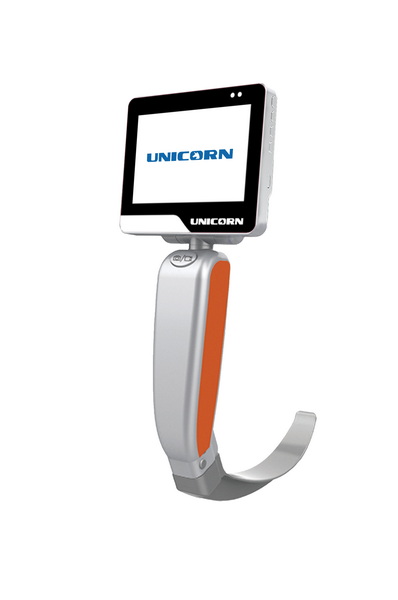
While exact pricing varies by configuration and regional factors, the McGrath video laryngoscope handle represents a significant capital investment typically ranging in the thousands of dollars. The precise cost depends on factors including display specifications, battery configuration, and included accessories. Healthcare facilities should contact authorized distributors or the manufacturer directly for current pricing based on their specific requirements and potential volume discounts.
Disposable blades for the McGrath video laryngoscope represent an ongoing expense, with specific models like the McGrath MAC Spatula X Blade X3 priced at approximately $45 per unit . Quantity discounts often apply, with prices potentially decreasing to $43.65 each for orders of two or more units, and $42.75 each for orders of four or more units . Facilities should factor these recurring costs into their operational budgets when implementing the system.
Some McGrath video laryngoscope systems offer reusable blade options designed for repeated use following appropriate sterilization between procedures. These reusable components typically involve a higher initial investment but may provide cost efficiencies for high-volume facilities. However, the healthcare industry trend increasingly favors disposable blades due to infection control considerations and the elimination of reprocessing requirements.
The McGrath video laryngoscope occupies a mid-to-upper price tier within the video laryngoscope market, reflecting its established clinical evidence base and technological features. While value-oriented alternatives exist at lower price points, particularly from OEM providers, these often involve trade-offs in clinical validation, support services, and long-term reliability. The McGrath video laryngoscope's pricing aligns with its positioning as a premium solution with proven efficacy.
The total cost of ownership for a McGrath video laryngoscope encompasses the initial handle investment, disposable blades, accessories, maintenance, and potential operational impacts. Additionally, facilities should consider indirect factors such as training requirements, storage needs, and the potential for improved clinical outcomes to offset some costs through reduced complications and optimized procedure times. A comprehensive view beyond simple acquisition cost provides the most accurate financial perspective.
[1] https://meinarztbedarf.com/zh-ca/products/mcgrath.html
[2]https://www.shangyexinzhi.com/article/23837823.html
[3]https://aysfy.cn/info/1016/27235.htm


