


Content Menu
● Understanding the Price Spectrum: From Pennies to Dollars
● Core Determinants of Isolation Gown Pricing
>> 1. Material Composition and Construction
>> 2. AAMI Barrier Performance Level
>> 3. Design Features and Enhancements
● The Procurement Channel: Where You Buy is What You Pay
● External Market Forces and Price Volatility
● Total Cost of Ownership (TCO): A Strategic Perspective
● Application-Based Cost Analysis
● Frequently Asked Questions (FAQ)
>> 1. What is the typical price range for a box of 50 basic (AAMI Level 1-2) isolation gowns?
>> 2. Why are AAMI Level 4 isolation gowns so much more expensive than Level 3?
>> 3. How does buying in bulk (by the pallet or container) affect the price?
>> 4. What was the impact of the COVID-19 pandemic on isolation gown prices?
>> 5. Is it more cost-effective to switch to a reusable isolation gown system?
In the intricate calculus of healthcare operations, procuring essential personal protective equipment (PPE) like isolation gowns is a task that balances clinical necessity, budgetary constraints, and supply chain dynamics. The seemingly straightforward question—"How much are isolation gowns?"—opens a complex exploration of a global market influenced by material science, regulatory standards, geopolitical factors, and purchasing volume. For companies like ours, operating in the specialized OEM sector of medical visualization equipment such as endoscopy systems, we are intimately familiar with how specifications, volume, and supply channels dictate cost. This article will provide a comprehensive breakdown of the factors that determine the price of isolation gowns, offering a roadmap for procurement specialists, healthcare administrators, and safety officers to navigate this critical marketplace and make informed, value-driven purchasing decisions.
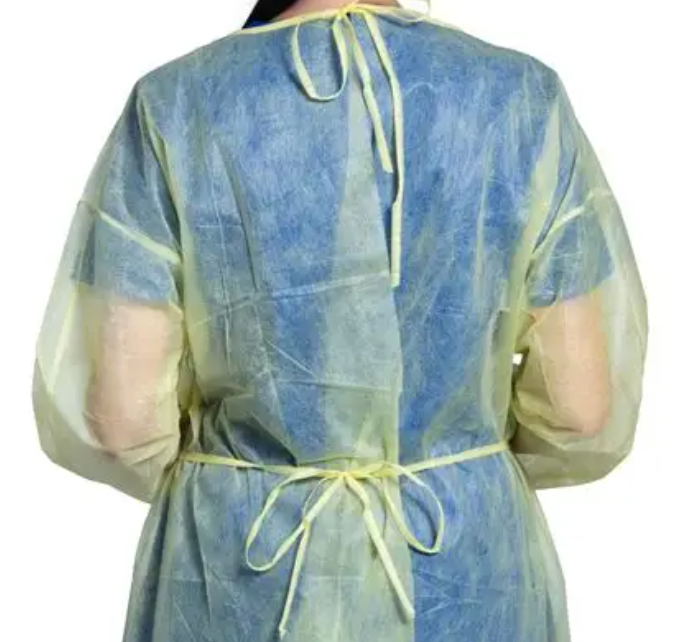
The per-unit cost of an isolation gown can vary dramatically, from less than $1 for a basic model to over $10 for a high-performance, sterile surgical gown. This vast range reflects fundamental differences in materials, manufacturing complexity, protective capabilities, and purchasing scale. Prices are typically quoted in three key ways: Cost Per Gown, Cost Per Case (e.g., a case of 25 or 50 gowns), and Cost Per Thousand, the latter being a standard industry metric for high-volume negotiations.
This is the primary cost driver. The choice of fabric directly impacts performance, comfort, and price.
- Polyethylene (PE) Gowns: Often the least expensive. These are typically basic, non-woven isolation gowns offering minimal fluid resistance (AAMI Level 1). They are prone to tearing and are less breathable.
- Polypropylene (PP) & Spunbond-Meltblown-Spunbond (SMS) Gowns: The workhorses of the market. PP and especially SMS fabrics offer a better balance of strength, breathability, and fluid barrier performance (typically AAMI Level 2-3). Prices are moderate and scale with fabric weight (grams per square meter, GSM) and the number of layers in the SMS construction.
- Reinforced or Laminated Fabrics: Gowns with reinforced critical zones (chest and sleeves) or laminated polymer films to achieve higher barrier levels (AAMI Level 3-4) are more expensive due to additional materials and manufacturing steps.
- Reusable (Textile) Gowns: Have a significantly higher upfront cost per gown (often $15-$50+) but are designed for 50-100+ launderings. Their total cost of ownership (TCO) must be calculated over their lifecycle, factoring in laundry costs.
The AAMI PB70 standard is the benchmark for fluid barrier performance, with Levels 1 through 4. Higher protection commands a higher price.
- Level 1 (Minimal Risk): Lowest cost. Suitable for basic care.
- Level 2 (Low Risk): Moderate cost. Common for standard precautions and procedures with low fluid exposure.
- Level 3 (Moderate Risk): Premium cost. Required for procedures with anticipated splash or spray (e.g., in an ER, ICU, or during many endoscopic procedures). This is often the target level for acute care.
- Level 4 (High Risk): Highest cost. Used for major surgery, trauma, and known infectious diseases. The viral penetration resistance testing adds significant expense.
Added functionality increases unit cost.
- Full-Back vs. Open-Back: Full-back coverage gowns use more material and offer more protection than open-back "culotte" styles.
- Closure Type: Gowns with self-adhesive tabs are cheaper than those with sturdy tie closures or metal snaps, which enhance security but cost more.
- Cuff Design: Elastic knit cuffs provide a better seal than simple open cuffs but are more expensive to manufacture.
- Sterility: Sterile isolation gowns (not to be confused with surgical gowns) undergo costly ethylene oxide (EO) or radiation sterilization and require validated sterile barrier packaging, adding a substantial premium.
- Sizing: Offering a full range of sizes (XS-XXL) increases inventory complexity and cost.
The price paid is profoundly affected by the tier of the supply chain from which you purchase.
- Direct from Manufacturer or OEM: This is the point of lowest landed cost per gown but is only accessible for enormous volume commitments—typically full container loads (e.g., 50,000+ gowns). This route requires handling logistics, import duties, and rigorous quality assurance internally. It is the domain of national governments, very large Group Purchasing Organizations (GPOs), and mega-distributors.
- Major Medical-Surgical Distributors (e.g., McKesson, Cardinal Health, Medline): These distributors aggregate products from many manufacturers. They sell to healthcare facilities at a marked-up price compared to direct factory costs, but they provide immense value: bulk-breaking, just-in-time delivery, inventory management, and guaranteed regulatory compliance. Purchases are typically by the pallet or case. Pricing is often negotiated via GPO contracts.
- Specialized PPE/Medical Supply Distributors: These may offer competitive pricing on specific categories like isolation gowns and can be more agile during supply shortages.
- Online Retailers and B2B Marketplaces (e.g., Amazon Business, Alibaba): Characterized by accessibility for small orders but higher per-unit costs and significant variability in quality and regulatory compliance. Suitable for small clinics, dental offices, or low-volume supplemental purchases.
- Cash-and-Carry Wholesale Clubs: Sell limited varieties in bulk boxes at a consumer-accessible price point, often without specific AAMI level guarantees suitable for clinical use.

The isolation gown market is commodity-sensitive and prone to shocks.
- Raw Material Costs: The prices of polypropylene and other petrochemical-derived nonwovens fluctuate with global oil prices.
- Supply and Demand Crises: The COVID-19 pandemic demonstrated how sudden, global surge demand can lead to price increases of 500% or more, as seen when spot market prices for Level 3 gowns skyrocketed.
- Geopolitical and Trade Factors: Tariffs, trade disputes, and logistics bottlenecks (e.g., container shipping costs) directly impact landed cost. Regionalization of supply chains (e.g., moving production to North America) often comes at a higher unit cost but with increased security.
- Regulatory Changes: New testing or performance requirements can increase manufacturing costs.
For institutional buyers, especially when considering reusable options, the decision must extend beyond unit price.
- For Disposable Gowns: TCO includes the purchase price plus storage, handling, and waste disposal costs. A cheaper, lower-AAMI-level gown that tears frequently leads to waste, potential exposure, and higher effective cost-per-protected-procedure.
- For Reusable Gowns: TCO calculation is essential. It includes: Initial gown cost + (Cost per laundering cycle x Number of cycles) + Inventory management costs. While the initial outlay is high, the per-use cost can become competitive over time, with the added benefit of waste reduction.
The appropriate investment in an isolation gown should match its clinical use case, a principle familiar in medical visualization where device selection is procedure-specific.
- High-Acuity / Surgical Settings: Here, performance is non-negotiable. Investing in reliable AAMI Level 3 or 4 gowns, even at a higher price, is a direct investment in staff and patient safety. The cost of a single exposure incident far outweighs the gown premium.
- General Medical/Surgical Wards: AAMI Level 2 or 3 gowns represent the standard, balancing cost and protection for routine care and moderate-risk tasks.
- Long-Term Care / Low-Risk Outpatient: Basic AAMI Level 1 or 2 gowns may be appropriate for minimal risk activities, focusing on cost containment.
- Procedural Suites (e.g., Endoscopy): Procedures using bronchoscopy workstations or ureteroscopes involve irrigation and potential splash. AAMI Level 3 gowns are typically justified, as the cost of the procedure and the risk align with the need for assured barrier protection.
Determining "how much" isolation gowns cost requires a multi-faceted analysis that moves far beyond a simple price quote. It is a function of material science (AAMI level), supply chain positioning, purchase volume, and the inherent volatility of global commodity and logistics markets. For healthcare organizations, the goal is not to find the cheapest gown, but to procure the most appropriate gown at the best sustainable value. This means matching the gown's performance to the clinical risk, understanding the total cost of ownership, and building resilient supplier relationships that can withstand market fluctuations. Just as the value of a medical image processor lies in its reliable performance during critical procedures, the value of an isolation gown is realized in its failure-proof protection at the moment of exposure. Informed procurement, therefore, is a strategic imperative that safeguards both financial resources and, more importantly, human health.
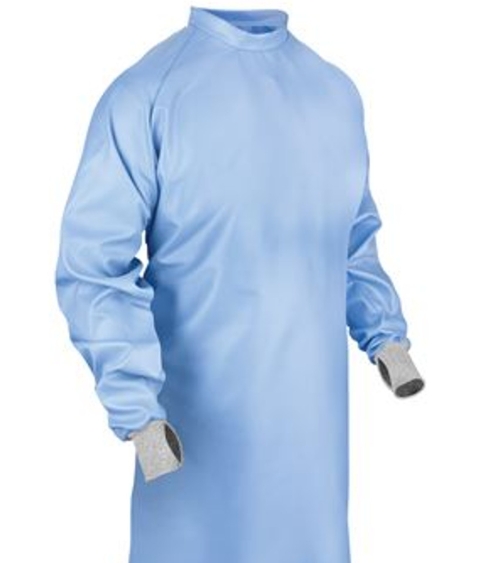
For basic, non-sterile, SMS or polypropylene isolation gowns (AAMI Level 1 or 2) purchased through standard medical distributors, prices typically range from $40 to $100 per box of 50, equating to roughly $0.80 to $2.00 per gown. Prices at the lower end often reflect very high-volume GPO contracts, while higher per-gown costs may include features like full-back coverage, tie closures, or specific brand premiums.
AAMI Level 4 gowns must pass the rigorous ASTM F1671 viral penetration resistance test using a bacteriophage, in addition to standard fluid resistance tests. This requires more advanced, impermeable laminated or coated fabrics and significantly more costly validation testing. They are engineered for the highest-risk scenarios (e.g., pandemic viruses, major surgery with high pathogen risk), which justifies the substantial material and certification premium.
Bulk purchasing dramatically reduces the per-unit cost. Economies of scale in manufacturing, packaging, and shipping are passed on. Purchasing a full pallet (multiple cases) can reduce cost per gown by 15-30% compared to buying individual cases. Purchasing a full container load can reduce cost by 30-50% or more. This is why large hospital systems and distributors buy in massive volumes.
The pandemic caused unprecedented price volatility and hyperinflation. At the peak of the crisis (2020-2021), spot market prices for isolation gowns, particularly AAMI Level 3, increased by 400-800% above pre-pandemic levels. This was driven by catastrophic global demand, raw material shortages, logistics breakdowns, and opportunistic market behavior. While prices have receded from these peaks, the market remains more volatile and sensitive to regional outbreaks than in the pre-2020 era.
The cost-effectiveness depends on a detailed Total Cost of Ownership (TCO) analysis. While reusable gowns have a high initial cost ($15-$50+ each), their per-use cost over 50-75 launderings can become competitive with disposables. The TCO must include the gown purchase, commercial laundering costs (typically $1-$3 per cycle), and inventory management. For high-volume users with access to reliable laundry services, reusables can offer long-term savings and significant waste reduction, but they require a higher upfront capital investment and operational commitment.


