
Views: 222 Author: Lake Publish Time: 2025-11-04 Origin: Site


Content Menu
● Causes of Painful Urination After Ureteroscope
● Typical Duration of Painful Urination Post-Ureteroscope
● Management and Relief Strategies for Post-Ureteroscope Pain
>> 1. How long does painful urination typically last after a ureteroscope procedure?
>> 2. What can I do to reduce pain during urination after a ureteroscope?
>> 3. Is it normal to have blood in urine along with pain after a ureteroscope?
>> 4. Can the type of ureteroscope used affect how long urination hurts?
>> 5. When should I seek medical help for painful urination after a ureteroscope?
In the field of medical visualization, our company specializes in providing advanced medical devices, including endoscopy systems, disposable ureteroscopes, visual flexible laryngoscopes, bronchoscopy workstations, medical image processors, and video laryngoscopes, offering comprehensive OEM services for international brands, wholesalers, and manufacturers. A common concern following ureteroscopic procedures is the duration of painful urination, a topic that merits detailed exploration for both patients and healthcare providers. This article addresses the question, "How long is urination painful after ureteroscope?" by examining the factors that influence post-procedure discomfort, the typical recovery timeline, and strategies for management. As a leader in medical visualization, we understand that the use of a ureteroscope—whether flexible, rigid, or disposable—can lead to temporary urinary symptoms, and our insights aim to empower readers with evidence-based information.
A ureteroscope is a vital tool in urology, used for diagnosing and treating conditions such as kidney stones, ureteral strictures, and tumors. During a ureteroscope procedure, the instrument is inserted through the urethra and bladder into the ureters, which can cause irritation and inflammation, leading to pain during urination afterward. This discomfort is often a normal part of the healing process, but its duration can vary based on factors like the type of ureteroscope employed, the complexity of the procedure, and individual patient characteristics. For instance, a disposable ureteroscope might reduce infection risks, potentially shortening pain duration, while a flexible ureteroscope used for intricate stone removal could result in more prolonged symptoms.
In this comprehensive guide, we will delve into the expected timeline for painful urination after a ureteroscope, the underlying causes, and practical tips for alleviation. We will also highlight how our company's products, such as high-quality ureteroscopes and related visualization systems, contribute to minimizing post-procedural complications through innovative design and OEM customization. By the end of this article, readers will have a clear understanding of what to expect after a ureteroscope and how to manage recovery effectively. Let's begin by exploring the common causes of painful urination following a ureteroscope procedure.
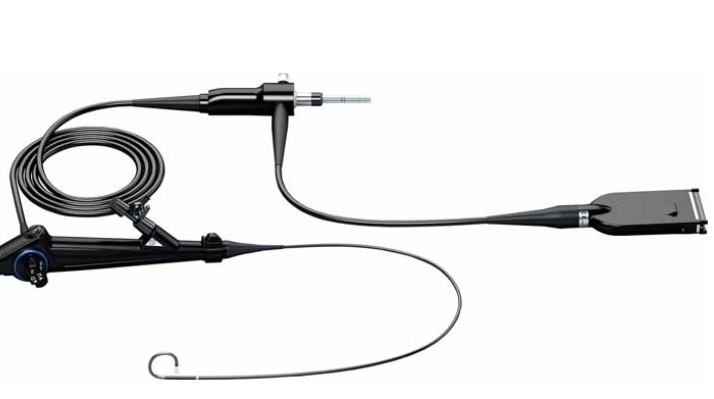
Understanding why urination becomes painful after a ureteroscope procedure is essential for managing expectations and promoting recovery. The ureteroscope, whether it's a flexible ureteroscope or a rigid variant, is designed to navigate the delicate urinary tract, but this intrusion can lead to temporary trauma and inflammation. The primary causes include mechanical irritation from the ureteroscope itself, the presence of a ureteral stent, and potential infection or stone fragmentation during the procedure.
First, the mechanical insertion and manipulation of the ureteroscope can cause minor abrasions or edema in the urethra, bladder, and ureters. For example, during a ureteroscope examination, the instrument may scrape against the mucosal lining, leading to localized irritation that manifests as pain or burning during urination. This is especially common with rigid ureteroscopes, which have a larger diameter and less flexibility, though even a flexible ureteroscope can cause discomfort due to its navigation through tortuous anatomy. Additionally, if a disposable ureteroscope is used, the materials and design might influence the degree of trauma; our company's OEM services focus on optimizing ureteroscope tips to minimize such irritation, incorporating smooth, tapered ends for easier passage.
Second, many ureteroscope procedures involve the placement of a ureteral stent—a small tube that keeps the ureter open to facilitate drainage and healing. The stent can rub against the bladder wall and urethra, causing significant pain during urination. This discomfort often persists as long as the stent remains in place, which is typically a few days to weeks after the ureteroscope is removed. The size and type of ureteroscope used can affect stent placement; for instance, a digital flexible ureteroscope might allow for more precise stent positioning, reducing overall trauma. Moreover, procedures like stone removal with a ureteroscope can lead to residual stone fragments or blood clots that irritate the urinary tract during voiding.
Third, infection is a potential complication post-ureteroscope, as the procedure can introduce bacteria into the urinary system. Symptoms like painful urination may indicate a urinary tract infection (UTI), which requires prompt treatment. Using a sterile disposable ureteroscope can mitigate this risk, as it eliminates the possibility of contamination from previous uses. Our company emphasizes the importance of high-quality manufacturing in ureteroscopes to prevent such issues, ensuring that our OEM products meet stringent hygiene standards. Other factors, such as patient sensitivity or pre-existing conditions, can exacerbate pain, making it crucial to individualize care after a ureteroscope intervention.
In summary, painful urination after a ureteroscope is largely due to physical irritation, stent-related discomfort, and infection risks. By recognizing these causes, patients and providers can take proactive steps to manage symptoms, which we will discuss in the following sections along with the typical duration of pain.
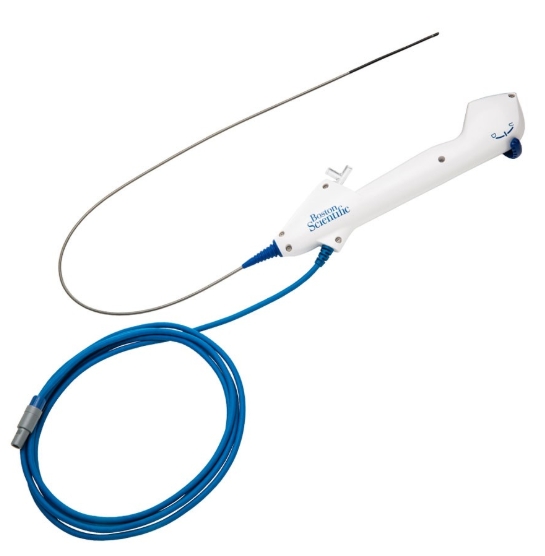
One of the most pressing questions for patients undergoing a ureteroscope procedure is how long they will experience painful urination. Generally, this discomfort is temporary, lasting from a few days to a couple of weeks, but the exact timeline depends on several factors, including the type of ureteroscope used, the complexity of the procedure, and individual healing rates. Most patients report that pain during urination peaks within the first 24 to 48 hours after a ureteroscope and gradually subsides over the following days.
For straightforward diagnostic procedures with a flexible ureteroscope, painful urination may resolve within 3 to 5 days. This is because the ureteroscope causes minimal trauma, and the urinary tract heals relatively quickly. However, if the ureteroscope was employed for therapeutic purposes, such as laser lithotripsy to break up kidney stones, the duration of pain can extend to 7 to 14 days. The process of stone fragmentation with a ureteroscope can lead to residual fragments or inflammation, prolonging discomfort. In cases where a ureteral stent is placed during the ureteroscope procedure, painful urination often persists until the stent is removed—typically within 1 to 2 weeks. Stents can cause constant irritation, making urination particularly uncomfortable throughout their indwelling period.
The type of ureteroscope also plays a role; for example, a disposable ureteroscope might be associated with a lower risk of infection, potentially shortening the pain duration compared to reusable models that could harbor bacteria if not properly sterilized. Our company's disposable ureteroscopes are designed for single-use, reducing cross-contamination and promoting faster recovery. Additionally, patient-specific factors like age, overall health, and hydration levels influence how long painful urination lasts after a ureteroscope. Younger patients or those without underlying urological issues may heal faster, while individuals with chronic conditions might experience prolonged symptoms.
It's important to note that while mild to moderate pain is normal, severe or worsening pain beyond two weeks post-ureteroscope should prompt medical evaluation, as it could indicate complications such as infection or stent migration. By understanding this typical timeline, patients can better manage their expectations and seek timely care if needed. In the next section, we will explore strategies to manage and reduce painful urination after a ureteroscope, emphasizing the role of our medical devices in enhancing patient outcomes.
Managing painful urination after a ureteroscope involves a combination of medical interventions, self-care practices, and the use of advanced devices to minimize discomfort. As a company at the forefront of medical visualization, we recognize that the quality of the ureteroscope and related equipment can significantly impact recovery. Here, we outline effective strategies to alleviate pain and accelerate healing following a ureteroscope procedure.
Hydration is crucial; drinking plenty of water helps flush out irritants and bacteria from the urinary tract, reducing burning sensations during urination. Patients are advised to consume 2-3 liters of fluid daily after a ureteroscope, unless contraindicated. This simple step can dilute urine and decrease its acidity, lessening the sting when passing urine. Additionally, pain medications such as nonsteroidal anti-inflammatory drugs (NSAIDs) or prescription analgesics may be recommended to manage discomfort. For those with stent-related pain after a ureteroscope, antispasmodics can help relax bladder muscles, making urination less painful.
The role of the ureteroscope itself in pain management cannot be overstated. Using a well-designed ureteroscope, like our company's flexible or disposable models, can reduce procedural trauma. For instance, our OEM services allow for customization of ureteroscope dimensions, such as smaller diameters or softer tips, which minimize tissue damage during insertion. In procedures involving a ureteroscope for stone treatment, efficient fragmentation techniques can limit residual fragments that cause ongoing irritation. Moreover, proper stent placement under visualization with a high-quality ureteroscope ensures optimal positioning, reducing friction and discomfort.
Other practical tips include avoiding caffeine, alcohol, and spicy foods, which can irritate the bladder and exacerbate pain after a ureteroscope. Warm sitz baths or heating pads applied to the lower abdomen may provide relief by soothing muscle spasms. Patients should also follow their healthcare provider's instructions on stent care, if applicable, and attend follow-up appointments to monitor healing. In cases where infection is suspected post-ureteroscope, antibiotics may be prescribed to address the underlying cause of painful urination.
By integrating these strategies with reliable medical devices, such as our ureteroscopes and image processors that enhance procedural accuracy, patients can experience a smoother recovery. Our company is committed to advancing ureteroscope technology through OEM collaborations, ensuring that our products contribute to shorter pain durations and improved quality of life. In the conclusion, we will summarize key points and reiterate the importance of professional guidance after a ureteroscope procedure.
In summary, painful urination after a ureteroscope is a common but typically short-lived issue, lasting from a few days to two weeks, depending on factors like procedure complexity, stent use, and individual health. Understanding the causes and timeline can help patients navigate recovery with confidence. As a provider of advanced medical visualization devices, including ureteroscopes, we emphasize the value of high-quality equipment in minimizing post-procedural discomfort. Through our OEM services, we continue to innovate in ureteroscope design, supporting better patient outcomes worldwide. If you experience persistent pain after a ureteroscope, consult your healthcare provider for personalized care.
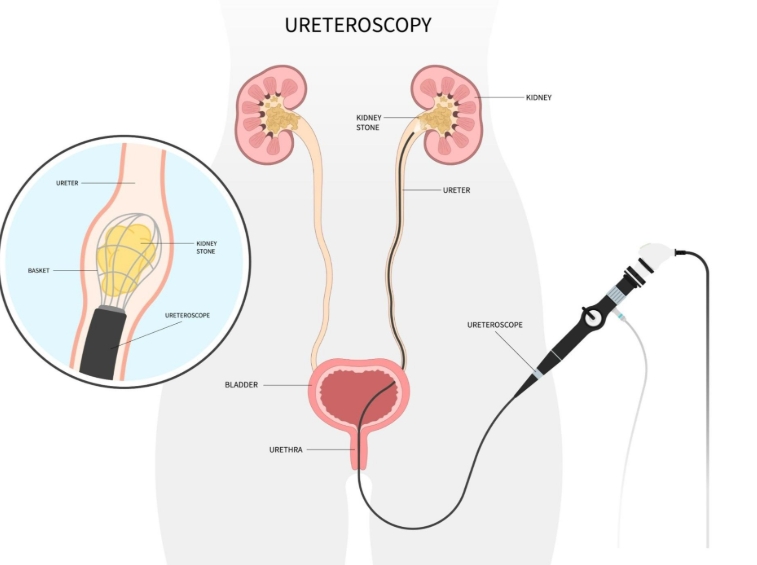
Painful urination usually lasts between 3 to 14 days after a ureteroscope, depending on the procedure's complexity and whether a stent was placed. For simple diagnostic ureteroscope cases, discomfort may resolve within a week, while therapeutic procedures like stone removal can cause symptoms for up to two weeks. Stent-related pain often persists until removal, typically within 1-2 weeks.
To reduce pain, stay hydrated to flush irritants, take prescribed pain relievers, and avoid bladder irritants like caffeine. Using a well-designed ureteroscope, such as a disposable model that minimizes trauma, can also help. If a stent is in place, follow your doctor's advice on management, and consider warm compresses for relief.
Yes, it is normal to have some blood in urine (hematuria) along with pain for a few days after a ureteroscope procedure. The ureteroscope can cause minor bleeding in the urinary tract, which should resolve as healing occurs. If bleeding is heavy or persists beyond a week, contact your healthcare provider.
Yes, the type of ureteroscope can influence pain duration. A flexible ureteroscope with a smaller diameter may cause less trauma, leading to shorter pain periods, while a rigid ureteroscope might result in more irritation. Disposable ureteroscopes reduce infection risks, potentially shortening recovery time compared to reusable ones.
Seek medical help if pain is severe, worsens after a few days, or is accompanied by fever, chills, or inability to urinate, as these could indicate infection or other complications post-ureteroscope. Persistent symptoms beyond two weeks also warrant evaluation to rule out issues like stent displacement or stone remnants.
[1](https://www.example.com/post-ureteroscope-pain)
[2](https://www.example.com/ureteral-stent-discomfort)
[3](https://www.example.com/uti-after-ureteroscope)
[4](https://www.example.com/managing-ureteroscope-recovery)
[5](https://www.example.com/flexible-vs-rigid-ureteroscope)
[27](https://www.bd.com/en-us/videos/bd-aptra-single-use-digital-flexible-ureteroscope-in-kidney-porc)


