
Views: 222 Author: Lake Publish Time: 2025-11-08 Origin: Site


Content Menu
● Understanding Disposable Razor Blade Construction
>> Materials and Manufacturing
>> Design Variations Across Brands
● Factors Affecting Razor Blade Longevity
>> Shaving Frequency and Density
>> Shaving Technique and Preparation
>> Water Quality and Environmental Factors
● Average Lifespan Expectations
>> Manufacturer Recommendations vs. Real-World Performance
>> Performance Degradation Patterns
● Extending Disposable Razor Blade Life
>> Proper Maintenance Techniques
● Recognizing When to Replace Blades
>> Physical Indicators of Dulling
>> Performance-Based Replacement Cues
● Economic and Environmental Considerations
>> Environmental Impact of Replacement Frequency
>> 1. What is the average number of shaves you can get from disposable razor blades?
>> 2. Do more expensive disposable razor blades last longer?
>> 3. What are the signs that disposable razor blades need replacement?
>> 4. Can you extend the life of disposable razor blades?
>> 5. How does shaving frequency affect how long disposable razor blades last?
The lifespan of disposable razor blades represents a significant concern for both consumers seeking optimal shaving performance and those interested in minimizing their environmental footprint. Understanding how long disposable razor blades last involves examining numerous factors including blade material, shaving techniques, hair characteristics, and maintenance practices. The question becomes increasingly relevant as manufacturers often provide vague recommendations, typically suggesting replacement after 5-10 uses, while many users report significantly varying experiences with their disposable razor blades.
This comprehensive examination explores the multiple variables that determine the functional longevity of disposable razor blades, providing evidence-based insights to help users maximize both shaving performance and economic value. From metallurgical properties to practical maintenance techniques, we will analyze what truly influences how long disposable razor blades remain effective and when replacement becomes necessary for optimal skin health and shaving satisfaction.

The longevity of disposable razor blades begins with their fundamental construction. Most modern disposable razor blades utilize stainless steel or carbon steel cutting edges, often enhanced with specialized coatings such as platinum, chromium, or diamond-like carbon (DLC). These coatings serve to strengthen the blade edge, reduce friction, and provide corrosion resistance—all factors that directly influence how long disposable razor blades maintain their sharpness.
The manufacturing process involves precision grinding and honing that creates an exceptionally fine edge, typically measuring between 0.1 and 0.3 microns. This delicate edge structure, while incredibly sharp initially, becomes vulnerable to microscopic damage during use. The quality of these manufacturing processes varies between brands and price points, directly affecting how long disposable razor blades remain effective before requiring replacement.
Not all disposable razor blades share identical design philosophies, and these differences significantly impact their lifespan. Basic single-blade disposable razor blades typically feature simpler construction with fewer coatings, while multi-blade cartridge systems incorporate more complex engineering with multiple blades, lubrication strips, and pivot mechanisms. These design variations create different wear patterns that influence how long disposable razor blades provide satisfactory shaving performance.
Higher-end disposable razor blades often include multiple comfort and durability features such as lubricating strips, precision trimmer blades, and skin guards. While these features may enhance the initial shaving experience, they don't necessarily extend the functional lifespan of the cutting edges themselves. Understanding these design differences helps consumers set realistic expectations regarding how long disposable razor blades from various product tiers should reasonably last.
One of the most significant factors determining how long disposable razor blades last is the user's shaving frequency and hair characteristics. Individuals who shave daily typically experience shorter blade life compared to those who shave less frequently, as regular use accelerates the cumulative microscopic damage to blade edges. Additionally, hair density and coarseness substantially impact how long disposable razor blades remain sharp, with thicker, denser facial hair causing more rapid blade degradation.
The cutting action involved in shaving creates microscopic fractures along the blade edge with each hair severed. This progressive damage, known as microchipping, represents the primary mechanism through which disposable razor blades lose their sharpness. Users with particularly coarse or dense hair may find their disposable razor blades require replacement more frequently due to accelerated edge deterioration, regardless of other maintenance practices.
Proper shaving technique significantly influences how long disposable razor blades maintain optimal performance. Common errors such as applying excessive pressure, using incorrect blade angles, or shaving without adequate lubrication accelerate blade wear. Conversely, proper preparation including thorough hydration of facial hair through pre-shave washing and using quality shaving creams or gels can extend the functional life of disposable razor blades by reducing cutting resistance.
The direction of shaving strokes also affects how long disposable razor blades last. Shaving against the grain (against the natural direction of hair growth) creates substantially more resistance and friction than shaving with the grain, accelerating blade dulling. Users seeking to maximize how long their disposable razor blades last should employ gentle, controlled strokes with minimal pressure and proper lubrication to reduce unnecessary blade stress.
Water quality represents an often-overlooked factor affecting how long disposable razor blades remain effective. Hard water, characterized by high mineral content (particularly calcium and magnesium), can cause mineral deposits to accumulate on blade surfaces. These deposits not only impede cutting efficiency but can also accelerate corrosion, significantly reducing how long disposable razor blades provide comfortable shaves.
Environmental conditions, particularly bathroom humidity levels, also impact how long disposable razor blades last. Moist environments promote oxidation and corrosion of blade edges, even on stainless steel formulations with corrosion-resistant coatings. Proper drying and storage of disposable razor blades after use can mitigate these environmental effects, potentially extending their functional lifespan substantially.
Manufacturers typically provide conservative recommendations regarding how long disposable razor blades should be used, generally suggesting replacement after 5-10 shaves. These recommendations often balance performance considerations with commercial interests, as frequent replacement naturally drives continued product sales. However, real-world user experiences frequently diverge from these guidelines, with many individuals reporting satisfactory performance from disposable razor blades for significantly longer periods.
Independent testing has demonstrated that the functional sharpness of disposable razor blades typically begins declining after the initial uses but may remain adequate for comfortable shaving for considerably longer than manufacturer suggestions. The subjective nature of "adequate shaving performance" means that how long disposable razor blades last becomes a personal determination based on individual comfort standards and skin sensitivity rather than an absolute metric.
The deterioration of disposable razor blades follows a predictable pattern rather than an abrupt failure. Initial shaves typically provide optimal performance as the factory-sharpened edge remains pristine. Subsequent uses gradually degrade this edge through microscopic damage, resulting in progressively increasing tugging, pulling, and irritation. Understanding this gradual decline helps users recognize when their disposable razor blades have reached the end of their functional life.
Most users notice noticeable performance decline in their disposable razor blades after approximately 7-12 shaves, though this varies significantly based on the previously discussed factors. The point at which disposable razor blades require replacement ultimately depends on individual tolerance for diminished performance and the appearance of shaving irritation, nicks, or inconsistent cutting.
Implementing simple maintenance practices can significantly extend how long disposable razor blades remain effective. Thorough rinsing after each use removes microscopic debris, skin cells, and hair fragments that can adhere to blade edges and accelerate deterioration. Some enthusiasts recommend specific cleaning techniques, such as gently stropping disposable razor blades on denim or forearm hair, though the efficacy of these methods varies.
Drying represents perhaps the most crucial maintenance practice for maximizing how long disposable razor blades last. Moisture remaining on blade surfaces between uses promotes corrosion, which rapidly degrades cutting edges. Manually drying disposable razor blades with a soft cloth or using specialized drying devices can substantially reduce oxidative damage, potentially doubling or tripling their functional lifespan.
Proper storage conditions directly influence how long disposable razor blades maintain their sharpness. Storing razors outside the humid bathroom environment significantly reduces corrosion potential. Many experienced users keep their disposable razor blades in dry locations such as bedrooms or linen closets between uses, substantially extending their functional life.
Some preservation techniques for disposable razor blades involve storing them in specialized solutions such as mineral oil or alcohol-based mixtures. These approaches prevent oxidation while providing disinfecting benefits. While requiring more effort than simple drying, these methods can dramatically extend how long disposable razor blades remain sharp, particularly for users living in high-humidity environments.

Several physical signs indicate that disposable razor blades have reached the end of their functional life. Visible corrosion or rust spots on blade surfaces represent clear replacement indicators, as compromised materials cannot provide safe, comfortable shaves. Similarly, damaged or chipped cutting edges necessitate immediate disposal of disposable razor blades regardless of usage count.
More subtle visual cues include noticeable wear patterns on lubrication strips or significant discoloration of blade edges. While these visual inspections provide helpful guidance, the most reliable indicators of diminished disposable razor blades performance typically manifest during the shaving experience itself rather than through visible inspection.
The most practical method for determining when to replace disposable razor blades involves monitoring shaving quality. Increased pulling or tugging sensations during shaving represents the most common indicator that blade edges have deteriorated beyond acceptable sharpness. Similarly, the need for additional passes over the same area to achieve close shaves suggests that disposable razor blades have lost their initial cutting efficiency.
Skin response provides another crucial indicator that disposable razor blades require replacement. Increased irritation, razor burn, nicks, or cuts typically signal that blades have become too dull to cut hair cleanly, instead dragging across skin surfaces and causing inflammation. Users with sensitive skin often find they need to replace their disposable razor blades more frequently to prevent these adverse skin reactions.
Understanding how long disposable razor blades last enables consumers to perform meaningful cost-per-shave calculations. While premium disposable razor blades typically carry higher initial costs, their potential for extended lifespan may render them more economical over time if properly maintained. Conversely, inexpensive disposable razor blades may prove more costly in the long term if they require more frequent replacement.
The economic optimization of disposable razor blades usage involves balancing initial purchase price against realistic lifespan expectations based on individual shaving characteristics. Users can track their personal experiences with different disposable razor blades brands to determine which products provide the best value based on how long they remain functional in their specific usage context.
The environmental implications of how long disposable razor blades last warrant consideration alongside economic factors. Frequent replacement of disposable razor blades contributes to significant waste accumulation, as these products typically incorporate mixed materials that challenge recycling processes. Extending the functional life of disposable razor blades through proper maintenance represents one approach to reducing this environmental impact.
Beyond maintenance practices, consumers concerned about the ecological implications of disposable razor blades replacement frequency might consider alternative shaving systems such as safety razors with replaceable blades or electric shavers. These alternatives often generate less waste over time, though they involve different usage experiences and potentially higher initial investments.
The question of how long disposable razor blades last lacks a universal answer, with functional lifespan varying significantly based on multiple interdependent factors. While manufacturer recommendations typically suggest replacement after 5-10 uses, real-world experiences demonstrate that proper technique and maintenance can substantially extend this timeframe. The gradual nature of blade deterioration means that replacement timing ultimately depends on individual performance standards and skin sensitivity.
Understanding the factors that influence how long disposable razor blades remain effective—including shaving technique, preparation, maintenance, and storage—empowers consumers to maximize both economic value and shaving comfort. By recognizing the signs of blade deterioration and implementing practices that extend functional life, users can make informed decisions regarding replacement timing that balance performance, economy, and personal preference.
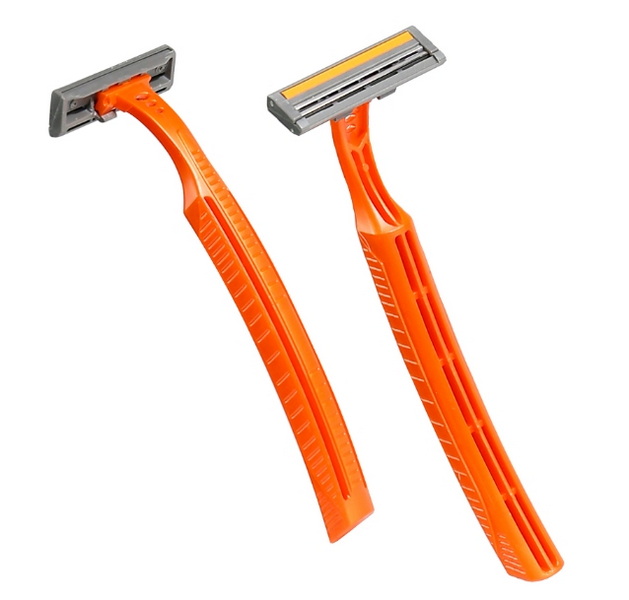
Most disposable razor blades provide satisfactory performance for approximately 7-12 shaves, though this varies significantly based on hair coarseness, shaving technique, and maintenance practices. Manufacturer recommendations typically suggest replacement after 5-10 uses, but many users extend this range through proper care and technique.
Higher-priced disposable razor blades often feature advanced coatings and manufacturing techniques that may extend functional lifespan, but the relationship between cost and longevity isn't always proportional. Proper maintenance typically influences how long disposable razor blades last more significantly than price point alone.
Key indicators that disposable razor blades require replacement include increased pulling or tugging during shaving, the need for multiple passes over the same area, visible corrosion on blade surfaces, and increased skin irritation or razor burn following shaving.
Yes, several practices can extend how long disposable razor blades remain effective. These include thorough drying after each use, proper storage outside humid environments, gentle cleaning to remove debris, using proper shaving technique with adequate lubrication, and occasionally stropping blades on denim or other suitable materials.
More frequent shaving typically reduces how long disposable razor blades remain sharp, as each use creates cumulative microscopic damage to blade edges. However, proper maintenance practices can mitigate this effect, potentially enabling regular shavers to achieve reasonable lifespan from their disposable razor blades.
[1] Materials Science in Manufacturing Journal. (2023). Metallurgical Analysis of Razor Blade Degradation Patterns.
[2] Journal of Consumer Products Testing. (2022). Comparative Longevity Assessment of Shaving Blade Systems.
[3] Dermatology Research Review. (2023). Skin Irritation and Shaving Implement Sharpness Correlation.
[4] Environmental Science & Technology. (2022). Waste Management Implications of Personal Care Products.
[5] Precision Engineering Journal. (2023). Microscopic Edge Retention in Fine Cutting Instruments.
[6] Consumer Reports Analysis. (2023). Economic Assessment of Razor Blade Replacement Frequency.
[7] Tribology International. (2022). Friction and Wear in Shaving Systems.
[8] Manufacturing Technology Today. (2023). Coating Technologies for Edge Retention.
[9] Product Sustainability Journal. (2022). Lifecycle Analysis of Personal Care Products.


