
Views: 222 Author: Lake Publish Time: 2025-11-14 Origin: Site


Content Menu
● Understanding Pulmonary Nodules
>> Characteristics and Clinical Significance
>> Diagnostic Evaluation Requirements
● Bronchoscope-Guided Diagnostic Techniques
>> Conventional Sampling Methods
>> Advanced Navigation Technologies
● Therapeutic Bronchoscope Applications
>> Bronchoscope-Guided Ablation Techniques
>> Emerging Bronchoscope Ablation Technologies
● Complete Nodule Removal via Bronchoscope
>> Bronchoscope Resection Techniques
>> Limitations and Considerations
● Patient Selection and Procedural Planning
>> Appropriate Candidate Selection
>> Preprocedural Planning Considerations
● Comparative Outcomes and Considerations
>> Bronchoscope versus Surgical Approaches
● Future Directions and Innovations
>> Integrated Diagnostic and Therapeutic Platforms
● FAQ
>> 1. What types of lung nodules are most suitable for bronchoscope removal?
>> 2. How does bronchoscope removal compare to surgical VATS for lung nodules?
>> 3. What are the success rates for complete bronchoscope removal of lung nodules?
>> 4. What are the main limitations of using a bronchoscope for nodule removal?
>> 5. What new bronchoscope technologies are improving nodule removal capabilities?
The management of pulmonary nodules represents a significant challenge in respiratory medicine, with the bronchoscope emerging as a potentially valuable tool for both diagnosis and therapeutic intervention. The question of whether lung nodules can be removed using a bronchoscope requires careful consideration of technological capabilities, procedural techniques, and patient selection criteria. Modern bronchoscope technology has evolved significantly beyond its traditional diagnostic role, now offering various therapeutic options for managing selected pulmonary nodules. This comprehensive analysis examines the current capabilities, limitations, and future directions of bronchoscope-guided nodule removal, providing crucial information for pulmonologists, thoracic surgeons, and patients facing decisions about pulmonary nodule management.
The development of advanced bronchoscope systems and navigation technologies has dramatically expanded the potential applications of bronchoscopy in pulmonary nodule management. From simple diagnostic procedures to complex therapeutic interventions, the bronchoscope now offers minimally invasive alternatives to traditional surgical approaches for selected patients. Understanding the specific techniques, appropriate indications, and realistic outcomes of bronchoscope-guided nodule removal is essential for optimizing patient care and expanding treatment options for individuals with pulmonary nodules.
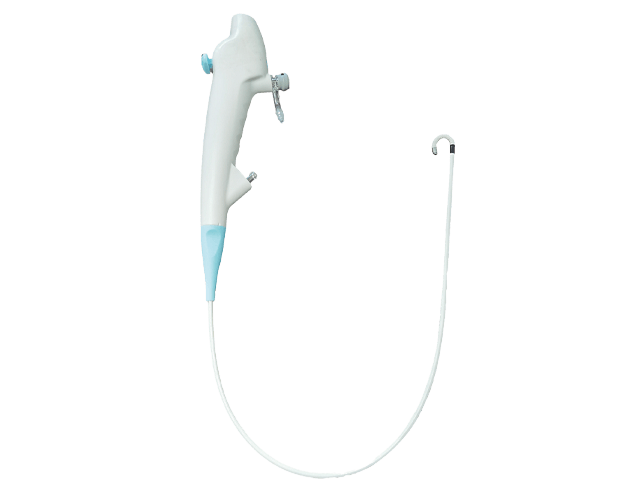
Pulmonary nodules are discrete, rounded opacities measuring up to 3 centimeters in diameter that are surrounded by lung parenchyma. These nodules are typically discovered incidentally on chest imaging performed for other reasons, though they may also be identified during evaluation of respiratory symptoms. The clinical significance of pulmonary nodules varies widely, ranging from benign granulomas or inflammatory conditions to early-stage lung cancers. The management approach depends on multiple factors, including nodule size, characteristics on imaging, growth rate, and patient risk factors for lung cancer. The bronchoscope plays a crucial role in both the diagnostic evaluation and potential treatment of these nodules.
The location of pulmonary nodules significantly influences the choice of diagnostic and therapeutic approaches. Central nodules located near the proximal airways are often accessible using conventional bronchoscope techniques, while peripheral nodules require advanced navigation technologies for successful approach. The relationship between nodule location and bronchial pathways determines the feasibility of bronchoscope-guided interventions. Understanding these anatomical considerations is essential when evaluating the potential for bronchoscope-based nodule management in individual patients.
Before considering bronchoscope-guided removal of a pulmonary nodule, comprehensive diagnostic evaluation is essential. This typically includes detailed chest computed tomography (CT) imaging to characterize the nodule's size, density, borders, and relationship to adjacent structures. positron emission tomography (PET) scanning may provide additional metabolic information helpful in assessing the likelihood of malignancy. The diagnostic bronchoscope procedure itself often represents the first step in management, allowing tissue sampling for histological diagnosis before therapeutic intervention is considered.
The integration of bronchoscope procedures into the diagnostic pathway for pulmonary nodules has been revolutionized by navigation technologies. Electromagnetic navigation bronchoscope systems use CT data to create three-dimensional roadmaps of the bronchial tree, guiding operators to peripheral nodules with unprecedented precision. Radial endobronchial ultrasound (EBUS) with a bronchoscope provides real-time confirmation of nodule location before sampling. These advanced bronchoscope technologies have significantly improved the diagnostic yield for pulmonary nodules, particularly those located in the lung periphery.
The diagnostic bronchoscope offers several established techniques for sampling pulmonary nodules. Transbronchial biopsy performed through the bronchoscope working channel allows retrieval of tissue samples from pulmonary nodules using flexible forceps. This bronchoscope-guided approach provides histological material for diagnosis but may be limited by sampling error, particularly for smaller nodules. The diagnostic yield of transbronchial biopsy with a standard bronchoscope varies significantly based on nodule size, location, and operator experience, typically ranging from 30% to 70% for peripheral nodules.
Bronchial brushing and washing through the bronchoscope provide complementary cytological specimens that can increase the overall diagnostic yield. The bronchoscope allows direct visualization of the airway leading to the nodule, enabling targeted sampling of potentially abnormal mucosa. Transbronchial needle aspiration using the bronchoscope can sample nodules that are adjacent to but not directly accessible from the airways. These conventional bronchoscope techniques remain fundamental to the diagnostic evaluation of pulmonary nodules, particularly when advanced navigation technologies are unavailable.
The development of advanced navigation systems has dramatically improved the bronchoscope's capability to diagnose pulmonary nodules. Electromagnetic navigation bronchoscope (ENB) technology creates a three-dimensional virtual roadmap from CT scans, allowing precise guidance of bronchoscope tools to peripheral nodules. This bronchoscope navigation system uses electromagnetic fields to track the position of specialized instruments in real time, significantly improving the diagnostic yield for small peripheral nodules. The integration of ENB with bronchoscope procedures has made previously inaccessible nodules amenable to minimally invasive diagnosis.
Radial endobronchial ultrasound (r-EBUS) represents another crucial advancement in bronchoscope technology for pulmonary nodule evaluation. This technique uses an ultrasonic probe passed through the bronchoscope working channel to provide real-time imaging of structures beyond the airway walls. The r-EBUS bronchoscope system allows confirmation of nodule location before sampling and can guide optimal instrument placement for biopsy. The combination of r-EBUS with navigation bronchoscope technologies further enhances diagnostic accuracy, providing multiple confirmation methods during bronchoscope procedures for pulmonary nodules.

The therapeutic potential of the bronchoscope for pulmonary nodule management includes various ablation technologies that can destroy nodular tissue. Photodynamic therapy (PDT) delivered through the bronchoscope involves administration of a photosensitizing agent followed by activation with specific wavelength light, producing cytotoxic effects that destroy abnormal tissue. This bronchoscope-guided approach is particularly useful for treating superficial malignancies and selected benign nodules located within or adjacent to the airways. The precision of bronchoscope delivery allows targeted treatment while minimizing damage to surrounding healthy lung tissue.
Argon plasma coagulation (APC) and electrocautery represent additional bronchoscope-guided ablation options for managing endobronchial or peribronchial nodules. These thermal techniques use electrical energy delivered through the bronchoscope working channel to destroy abnormal tissue. Cryotherapy through the bronchoscope applies extreme cold to achieve similar destructive effects, with some evidence suggesting better preservation of tissue architecture for histological evaluation. These bronchoscope-guided ablation techniques offer minimally invasive alternatives to surgical resection for selected patients with appropriate nodule characteristics.
Recent technological advancements have introduced additional bronchoscope-guided ablation options for pulmonary nodule management. Microwave ablation (MWA) delivered via bronchoscope-compatible antennas shows promise for treating peripheral pulmonary nodules. This bronchoscope technique uses electromagnetic waves to generate tissue-heating effects that destroy targeted nodules. The developing field of bronchoscope-guided radiofrequency ablation (RBA) offers another thermal approach for nodule management, with early studies demonstrating feasibility for selected peripheral lesions.
Irreversible electroporation (IRE) represents a non-thermal bronchoscope ablation technology that uses electrical pulses to create permanent nanopores in cell membranes, leading to cell death while preserving extracellular matrix structures. This bronchoscope-guided approach may offer advantages for nodules located near critical structures where thermal spread could cause collateral damage. The ongoing development of these advanced bronchoscope ablation technologies continues to expand the therapeutic options for patients with pulmonary nodules who are not candidates for surgical resection.
Complete removal of pulmonary nodules using a bronchoscope is possible for selected lesions, particularly those with an endobronchial component. Using a bronchoscope with a large working channel, operators can deploy various instruments to resect nodules that protrude into the airway lumen. Mechanical debulking through the bronchoscope using forceps or microdebriders can remove significant portions of endobronchial lesions. For more organized resection, bronchoscope-guided snare techniques similar to those used in gastrointestinal endoscopy can excise pedunculated lesions completely.
The development of hybrid bronchoscope procedures combining endoscopic and transthoracic approaches has expanded the potential for complete nodule removal. Hybrid bronchoscope techniques may involve creating an access pathway to peripheral nodules using bronchoscope guidance followed by direct visualization and resection. While these advanced bronchoscope procedures remain investigational in most settings, they represent the cutting edge of minimally invasive nodule management. The potential for complete bronchoscope resection continues to expand with technological innovations in instrumentation and navigation.
Despite technological advancements, complete bronchoscope removal of pulmonary nodules faces several significant limitations. The size of the bronchoscope working channel restricts the dimensions of instruments that can be deployed, limiting the size of nodules that can be resected entirely. Hemorrhage control during bronchoscope resection procedures can be challenging, particularly for vascular nodules or those located in difficult-to-access areas. The fragmentary nature of bronchoscope resection may compromise pathological evaluation if tissue architecture is not preserved.
The location of pulmonary nodules remains a primary determinant of bronchoscope resection feasibility. Nodules without bronchial communication or those located in the lung periphery beyond the reach of bronchoscope instruments may not be amenable to complete endoscopic removal. The development of robotic bronchoscope systems may address some of these limitations by providing enhanced stability and precision during complex resection procedures. Understanding these limitations is crucial for appropriate patient selection and realistic expectation setting when considering bronchoscope resection of pulmonary nodules.
Careful patient selection is essential for successful bronchoscope management of pulmonary nodules. Ideal candidates for bronchoscope removal typically have nodules with specific characteristics, including endobronchial location, connection to accessible airways, and favorable histological features. Patient factors such as pulmonary function, comorbidities, and surgical risk influence the decision to pursue bronchoscope approaches rather than surgical resection. Multidisciplinary evaluation involving pulmonologists, thoracic surgeons, and radiologists is crucial for determining the most appropriate management strategy for individual patients with pulmonary nodules.
The size and histology of pulmonary nodules significantly impact their suitability for bronchoscope removal. Smaller nodules (typically <2 cm) with well-defined borders are generally more amenable to complete bronchoscope resection than larger, irregular lesions. Benign nodules or low-grade malignancies may be more appropriate for bronchoscope management than aggressive cancers requiring wider margins. The increasing detection of small pulmonary nodules through lung cancer screening programs has expanded the potential population that might benefit from bronchoscope approaches as an alternative to surgical resection.
Successful bronchoscope management of pulmonary nodules requires comprehensive preprocedural planning. High-quality CT imaging with thin slices and three-dimensional reconstructions is essential for understanding the relationship between the nodule and bronchial anatomy. Virtual bronchoscope planning using CT data allows simulation of the procedure and identification of the optimal pathway to the target nodule. The choice of specific bronchoscope techniques and technologies should be tailored to the individual nodule characteristics and available institutional expertise.
Anesthesia planning represents another crucial aspect of bronchoscope procedures for nodule management. Complex therapeutic bronchoscope procedures often require general anesthesia with secured airway management to ensure patient comfort and procedural safety. Collaboration with anesthesia colleagues is essential for managing potential complications such as hemorrhage or pneumothorax during bronchoscope interventions. This comprehensive planning approach maximizes the likelihood of successful outcomes while minimizing risks associated with bronchoscope management of pulmonary nodules.
The outcomes of bronchoscope management for pulmonary nodules must be considered in comparison to established surgical approaches. Video-assisted thoracoscopic surgery (VATS) currently represents the gold standard for definitive management of suspicious pulmonary nodules, offering high diagnostic and therapeutic efficacy with minimal invasiveness. Bronchoscope approaches generally offer advantages in terms of reduced procedural morbidity, faster recovery, and preservation of lung function compared to surgical resection. However, these benefits must be balanced against potentially lower complete resection rates and limited long-term outcome data for many bronchoscope techniques.
The diagnostic certainty achieved with bronchoscope procedures may influence subsequent management decisions. A definitive malignant diagnosis obtained via bronchoscope biopsy may allow for appropriate staging and treatment planning without requiring surgical diagnostic procedures. For patients with benign nodules, bronchoscope removal may provide both diagnostic confirmation and therapeutic resolution in a single procedure. The evolving role of bronchoscope management in the context of multidisciplinary nodule evaluation continues to be refined as technology advances and outcome data accumulate.
The complication profile of bronchoscope procedures for pulmonary nodule management differs significantly from surgical approaches. Bronchoscope techniques generally carry lower risks of major complications such as prolonged air leak, hemorrhage requiring transfusion, or mortality compared to surgical resection. However, bronchoscope procedures have their own characteristic complications, including pneumothorax (particularly after transbronchial biopsy), hemorrhage (usually self-limited), and respiratory compromise related to sedation or the procedure itself.
The risk of incomplete treatment represents a significant consideration in bronchoscope management of potentially malignant nodules. Unlike surgical resection with pathological margin assessment, bronchoscope ablation or resection techniques typically do not provide confirmation of complete treatment. The potential for local recurrence after bronchoscope management of malignant nodules requires careful follow-up and may necessitate additional interventions. Understanding these relative risks and benefits is essential for informed decision-making when considering bronchoscope approaches for pulmonary nodule management.
The future of bronchoscope management for pulmonary nodules includes several promising technological developments. Robotic bronchoscope systems offer enhanced stability, precision, and access to peripheral airways, potentially expanding the range of nodules amenable to bronchoscope resection. The integration of real-time imaging technologies such as cone-beam CT with bronchoscope procedures provides immediate confirmation of tool placement and treatment effects. These advancements in bronchoscope technology continue to blur the distinction between diagnostic and therapeutic capabilities.
The development of bronchoscope-compatible instruments for more substantial tissue resection represents another area of active innovation. Larger working channel bronchoscope models and specialized resection devices may enable more complete removal of pulmonary nodules through purely endoscopic approaches. The combination of bronchoscope techniques with transthoracic approaches in hybrid procedures may offer minimally invasive alternatives for nodules that are currently beyond the reach of standard bronchoscope resection. These continuing innovations suggest an expanding role for bronchoscope management in the comprehensive care of patients with pulmonary nodules.
The future of bronchoscope management for pulmonary nodules likely involves integrated platforms that combine diagnosis and treatment in single procedures. Real-time molecular analysis of bronchoscope biopsy specimens may allow immediate treatment decisions during the same procedure. The development of targeted therapeutic agents that can be delivered directly to nodules through the bronchoscope represents another promising direction. These integrated bronchoscope approaches could revolutionize the management of pulmonary nodules by providing precise diagnosis and targeted treatment in a single minimally invasive session.
Artificial intelligence applications in bronchoscope procedures may enhance both diagnostic accuracy and therapeutic precision. AI algorithms can assist in bronchoscope navigation to difficult-to-reach nodules and provide real-time feedback on biopsy adequacy or treatment completeness. The combination of AI with advanced imaging in bronchoscope systems may enable previously impossible procedures for nodule management. These technological integrations promise to further establish the bronchoscope as a primary tool for comprehensive pulmonary nodule management beyond its traditional diagnostic role.
The question of whether pulmonary nodules can be removed with a bronchoscope has a nuanced answer that reflects the evolving capabilities of bronchoscopic technology. While complete anatomical resection of pulmonary nodules using a bronchoscope remains challenging for most lesions, various bronchoscope-guided techniques can effectively manage selected nodules through ablation, debulking, or localized resection. The continuous advancement of bronchoscope navigation systems, ablation technologies, and resection instruments has expanded the therapeutic potential of bronchoscopy far beyond its traditional diagnostic role. Appropriate patient selection, careful procedural planning, and realistic expectation setting are essential for successful outcomes when considering bronchoscope management of pulmonary nodules.
The future of bronchoscope management for pulmonary nodules appears promising, with ongoing technological innovations steadily expanding the boundaries of what can be achieved through minimally invasive endoscopic approaches. As bronchoscope technology continues to evolve and integrate with complementary imaging and treatment modalities, the role of bronchoscopy in pulmonary nodule management will likely continue to expand. The bronchoscope has firmly established itself as an essential tool in the diagnostic evaluation of pulmonary nodules and is increasingly becoming a viable therapeutic option for selected patients who are not candidates for or who prefer to avoid surgical resection.
The lung nodules most suitable for bronchoscope removal typically have specific characteristics that make them accessible and appropriate for endoscopic management. Endobronchial nodules that protrude into the airway lumen are most amenable to bronchoscope resection techniques. Smaller peripheral nodules (generally <2 cm) with a clear bronchus sign on CT imaging, indicating a direct airway connection, are also candidates for bronchoscope approaches. Benign nodules or low-grade malignancies are often more appropriate for bronchoscope management than aggressive cancers, which may require wider surgical margins. The specific suitability of a nodule for bronchoscope removal must be determined through multidisciplinary evaluation including detailed imaging assessment.
Bronchoscope removal and video-assisted thoracoscopic surgery (VATS) represent different approaches to pulmonary nodule management with distinct advantages and limitations. VATS currently offers higher rates of complete resection with pathological margin assessment, making it the gold standard for potentially malignant nodules. Bronchoscope approaches typically involve less procedural morbidity, faster recovery times, and better preservation of lung function compared to surgical resection. However, bronchoscope techniques may have lower complete resection rates for malignant nodules and limited long-term outcome data. The choice between bronchoscope and surgical approaches depends on nodule characteristics, patient factors, and institutional expertise.
The success rates for complete bronchoscope removal of lung nodules vary significantly based on nodule characteristics, specific techniques employed, and operator experience. For endobronchial nodules, complete bronchoscope resection can often be achieved in 70-90% of carefully selected cases. For peripheral nodules using advanced bronchoscope navigation and ablation techniques, complete radiographic resolution may be achieved in 60-80% of cases, though pathological confirmation of complete treatment is often lacking. The technical success of bronchoscope access to target nodules has improved dramatically with navigation technologies, now exceeding 90% for most nodules with appropriate bronchus signs. However, technical success does not always equate to complete pathological removal, particularly for malignant nodules.
The bronchoscope approach for nodule removal faces several significant limitations. The working channel size of standard bronchoscope instruments restricts the size of resection tools that can be deployed, limiting the dimensions of nodules that can be completely removed. Hemorrhage control during bronchoscope resection can be challenging, particularly for vascular nodules. Nodules without bronchial communication or those located in the extreme lung periphery may not be accessible even with advanced bronchoscope navigation systems. The inability to assess resection margins pathologically represents another limitation for potentially malignant nodules. These constraints currently restrict complete bronchoscope resection to carefully selected cases and specific nodule characteristics.
Several new bronchoscope technologies are significantly improving capabilities for nodule removal. Robotic bronchoscope systems offer enhanced stability and precision, potentially enabling more complete resection of peripheral nodules. Bronchoscope-compatible microwave and radiofrequency ablation devices allow destruction of nodules beyond the reach of mechanical resection. Real-time imaging integration with bronchoscope procedures, including C-arm CT and augmented reality displays, provides immediate confirmation of treatment delivery. Electromagnetic navigation bronchoscope systems continue to evolve with improved accuracy for reaching peripheral targets. These technological advancements are steadily expanding the boundaries of what can be achieved with therapeutic bronchoscope procedures for pulmonary nodules.
[1] https://www.chestnet.org/Guidelines-and-Resources/Guidelines-and-Consensus-Statements/Lung-Nodules
[2] https://www.brit-thoracic.org.uk/quality-improvement/guidelines/pulmonary-nodules/
[3] https://www.ncbi.nlm.nih.gov/pmc/articles/PMC4931832/
[4] https://journal.chestnet.org/article/S0012-3692(16)49221-9/fulltext


