
Views: 222 Author: Lake Publish Time: 2025-11-14 Origin: Site


Content Menu
● Understanding Equipment Dimensions
>> Adult Fiberoptic Bronchoscope Specifications
>> Endotracheal Tube Dimensions and Characteristics
● Technical Compatibility Analysis
>> Manufacturer Guidelines and Recommendations
>> Ventilation Dynamics and Airflow Resistance
>> Gas Exchange Considerations
● Clinical Alternatives and Solutions
● Special Clinical Considerations
>> Pediatric and Small Adult Patients
>> Emergency and Critical Care Settings
● Technical Innovations and Future Directions
>> Advancements in Bronchoscope Design
>> Integrated Airway Management Systems
● FAQ
>> 1. What is the smallest endotracheal tube that can accommodate an adult bronchoscope?
>> 2. Can a pediatric bronchoscope be used effectively in adult patients?
>> 3. What are the risks of using a bronchoscope that is too large for the endotracheal tube?
>> 4. How much does bronchoscope insertion reduce the effective diameter of an endotracheal tube?
The question of whether an adult fiberoptic bronchoscope can successfully pass through a 5.5 mm endotracheal tube represents a significant clinical consideration in airway management and pulmonary medicine. This compatibility issue directly impacts procedural planning, patient safety, and equipment selection for healthcare providers performing bronchoscopic procedures. Understanding the dimensional relationships between bronchoscope instruments and endotracheal tubes is essential for anesthesiologists, intensivists, and pulmonologists who regularly utilize this equipment in various clinical settings. The fundamental challenge arises from the physical dimensions of both devices and the physiological implications for ventilation during bronchoscope procedures.
The clinical significance of this compatibility question extends beyond simple equipment matching to encompass critical aspects of patient care. When a bronchoscope is inserted through an endotracheal tube, the remaining space around the instrument determines the available cross-sectional area for gas exchange. This relationship becomes particularly crucial in patients with smaller airways or those requiring prolonged bronchoscope procedures. This comprehensive analysis examines the technical specifications, clinical implications, and alternative strategies related to using adult fiberoptic bronchoscope systems with 5.5 mm endotracheal tubes.

The dimensional characteristics of adult fiberoptic bronchoscope instruments follow relatively standardized parameters across most manufacturers. A typical adult diagnostic bronchoscope features an insertion tube with an outer diameter ranging from 5.0 to 6.0 mm, with the most common measurements falling between 5.7 and 5.9 mm. This insertion tube contains the fiberoptic bundles for image transmission, light-carrying fibers for illumination, a working channel for instrument passage, and deflection control wires. The working channel in an adult bronchoscope typically measures 2.0 to 2.8 mm in diameter, allowing passage of various accessories including biopsy forceps, brushes, and suction catheters.
The distal tip of the fiberoptic bronchoscope houses the objective lens, light delivery system, and working channel opening. Most adult bronchoscope models provide deflection capabilities of 180-220 degrees upward and 120-160 degrees downward, allowing navigation through the branching bronchial tree. The working length of standard adult bronchoscope instruments generally ranges from 55 to 60 cm, sufficient to reach the segmental and subsegmental bronchi in most adult patients. These dimensional specifications are crucial when considering bronchoscope compatibility with various endotracheal tube sizes.
Endotracheal tubes are sized according to their internal diameter (ID), which represents the maximum space available for airflow and instrument passage. A 5.5 ETT indicates an internal diameter of 5.5 mm, though the actual measured internal dimension may vary slightly between manufacturers and specific product designs. The external diameter of a 5.5 ETT typically measures approximately 7.2 to 7.8 mm, depending on the material thickness and cuff design. The internal cross-sectional area of a 5.5 ETT can be calculated using the standard geometric formula πr⊃2;, where r is 2.75 mm, resulting in approximately 23.76 mm² of available space when the tube is unobstructed.
The material composition and design features of endotracheal tubes can influence their functional internal dimensions during bronchoscope procedures. Modern endotracheal tubes are typically manufactured from polyvinyl chloride (PVC) or silicone-based materials, which provide specific flexibility and compression characteristics. Some specialized endotracheal tube designs feature reinforced walls to prevent kinking, which may slightly reduce the functional internal diameter compared to standard tubes. Understanding these subtle variations in endotracheal tube specifications is important when planning bronchoscope procedures, particularly when working with smaller tube sizes.
A precise dimensional comparison reveals the fundamental compatibility challenge between adult fiberoptic bronchoscope instruments and 5.5 mm endotracheal tubes. The typical outer diameter of an adult bronchoscope (5.7-5.9 mm) exceeds the internal diameter of a 5.5 ETT (5.5 mm) by approximately 0.2-0.4 mm. This size discrepancy creates a physical impossibility for passing a standard adult bronchoscope through a 5.5 ETT under normal circumstances. Even accounting for manufacturing tolerances that might slightly reduce the actual bronchoscope diameter or marginally increase the ETT internal diameter, the fundamental size mismatch generally prevents successful passage without risking equipment damage.
The working channel of the bronchoscope represents another consideration in this compatibility assessment. While the working channel dimensions don't directly affect whether the bronchoscope can physically pass through the ETT, they become relevant when considering the functional capabilities if forced insertion were attempted. The deflection mechanism of the bronchoscope could sustain damage if excessive force is applied during attempted passage through an inappropriately small tube. These technical considerations reinforce that attempting to pass an adult bronchoscope through a 5.5 ETT is generally not feasible and risks damaging expensive bronchoscope equipment.
Bronchoscope manufacturers provide specific recommendations regarding compatible endotracheal tube sizes for their instruments. Most manufacturers explicitly state that adult bronchoscope models require at least a 7.0-7.5 mm ID endotracheal tube for safe passage and adequate ventilation during procedures. These guidelines are based on extensive testing of airflow dynamics, equipment safety, and clinical performance. Some manufacturers provide more detailed specifications, indicating that for each millimeter of bronchoscope outer diameter, an ETT with at least 1.5-2.0 mm larger internal diameter is required to maintain acceptable ventilation parameters.
Adherence to manufacturer guidelines for bronchoscope-ETT compatibility is essential for both patient safety and equipment protection. Using a bronchoscope with an inappropriately small ETT not only compromises ventilation but may also void equipment warranties if damage occurs. The manufacturer recommendations typically represent the minimum safe ETT size, with many clinicians preferring even larger tubes (8.0 mm ID or greater) when bronchoscope procedures are anticipated, particularly if therapeutic interventions requiring substantial suction or instrument passage are planned. These guidelines provide a crucial framework for procedural planning and equipment selection.
The insertion of a bronchoscope through an endotracheal tube significantly alters the physics of ventilation by reducing the functional internal diameter available for gas exchange. According to the principles of fluid dynamics described by the Hagen-Poiseuille equation, resistance to laminar flow is inversely proportional to the fourth power of the radius of the conduit. This mathematical relationship means that even a small reduction in the effective radius of an endotracheal tube when a bronchoscope is inserted can dramatically increase resistance to airflow. When considering the scenario of an adult bronchoscope passing through a 5.5 ETT, the ventilation challenges would be extreme due to the minimal remaining space for gas exchange.
The practical implications of these physical principles become critically important during bronchoscope procedures. With significantly reduced cross-sectional area for ventilation, higher driving pressures are required to maintain tidal volumes, potentially increasing the risk of barotrauma. The increased resistance can also impair exhalation, potentially leading to air trapping and auto-PEEP (positive end-expiratory pressure), particularly in patients with obstructive lung disease. These physiological consequences represent significant safety concerns when considering bronchoscope procedures through inappropriately small endotracheal tubes.
The impact of bronchoscope insertion on gas exchange extends beyond simple airflow resistance to affect both oxygenation and ventilation. The reduced cross-sectional area limits the volume of gas that can be moved with each breath, potentially compromising both oxygen delivery and carbon dioxide elimination. During mechanical ventilation, the increased resistance necessitates higher peak inspiratory pressures to deliver adequate tidal volumes, potentially increasing the risk of ventilator-induced lung injury. The expiration phase may be prolonged, leading to incomplete exhalation and dynamic hyperinflation.
For spontaneously breathing patients, the work of breathing increases dramatically when a bronchoscope occupies most of the lumen of an endotracheal tube. The increased resistance can lead to respiratory muscle fatigue, hypoventilation, and potentially respiratory failure. Additionally, suctioning through the bronchoscope working channel during the procedure further compromises ventilation by creating additional negative pressure. These clinical implications highlight why the compatibility between bronchoscope size and ETT diameter is not merely a technical consideration but a crucial patient safety issue that requires careful planning.

When bronchoscope procedures are necessary in patients with 5.5 mm endotracheal tubes, several equipment alternatives exist instead of attempting to use an incompatible adult bronchoscope. Pediatric or ultrathin bronchoscope models with outer diameters of 4.0 mm or less can typically pass through a 5.5 ETT while allowing adequate ventilation. These smaller bronchoscope instruments have advanced significantly in recent years, with many now featuring digital imaging technology that provides excellent visualization comparable to larger adult models. While the working channels of these smaller bronchoscope instruments are necessarily more limited (typically 1.2-2.0 mm), they still accommodate essential accessories for most diagnostic procedures.
The clinical applications of pediatric bronchoscope instruments extend beyond pediatric patients to include adults with difficult airways or those requiring smaller ETTs. These smaller bronchoscope models enable diagnostic inspection, bronchoalveolar lavage, protected specimen brushing, and even transbronchial biopsies in selected cases. The main limitations of using smaller bronchoscope instruments include reduced suction capability, limited options for therapeutic interventions, and potentially less stable control during procedures due to increased flexibility. Despite these limitations, pediatric bronchoscope models provide a crucial tool for managing patients with smaller airways who require bronchoscopic evaluation.
When facing the need for bronchoscope procedures in patients with 5.5 ETTs, several procedural approaches can be considered. The most straightforward solution involves exchanging the 5.5 ETT for a larger tube that can accommodate a standard adult bronchoscope. This exchange can be performed using a tube exchange catheter or under direct laryngoscopy, with the bronchoscope potentially used to guide the new tube into position. While this approach adds complexity to the procedure, it ensures both equipment compatibility and adequate ventilation during the bronchoscope examination.
In cases where tube exchange is not feasible or desirable, alternative bronchoscope techniques may be considered. Using a laryngeal mask airway (LMA) with a dedicated bronchoscope port represents another option that bypasses the size limitations of the ETT. In selected cases, performing the bronchoscope procedure without an artificial airway, using topical anesthesia and moderate sedation, may be possible for certain diagnostic evaluations. The choice between these alternative approaches depends on the specific clinical situation, available equipment, operator experience, and patient factors.
Certain patient populations are more likely to have smaller endotracheal tubes in place, necessitating special consideration for bronchoscope procedures. Pediatric patients, small adults, and patients with tracheal stenosis often require ETT sizes of 5.5 mm or smaller. In these cases, the compatibility between bronchoscope and ETT must be carefully evaluated before attempting procedures. For pediatric patients, specifically designed pediatric bronchoscope instruments are available with outer diameters as small as 2.8 mm, which can easily pass through 5.5 ETTs and even smaller tubes while maintaining adequate ventilation.
Patients with known or suspected difficult airways represent another population where bronchoscope-ETT compatibility requires special attention. In these cases, the bronchoscope may be essential for managing the airway, but the ETT size may be limited by anatomical constraints. A flexible approach using smaller bronchoscope instruments or alternative techniques may be necessary. Understanding these special considerations ensures that bronchoscope procedures can be performed safely across diverse patient populations with varying airway characteristics and ETT sizes.
In emergency and critical care settings, the compatibility between bronchoscope instruments and endotracheal tubes takes on additional importance due to the often compromised physiological status of patients. In the intensive care unit, patients may have marginal respiratory reserve and limited tolerance for procedures that further compromise ventilation. The use of an inappropriately sized bronchoscope through a small ETT can precipitate respiratory deterioration in these vulnerable patients. Careful planning and consideration of alternatives are essential when bronchoscope procedures are necessary in critical care settings.
In emergency airway management, the bronchoscope may be used for difficult intubations through existing artificial airways. Understanding the compatibility between available bronchoscope equipment and ETT sizes is crucial for successful airway management in these high-stakes situations. Having a range of bronchoscope sizes available and understanding their appropriate applications ensures that clinicians can adapt to various clinical scenarios while maintaining patient safety. These considerations highlight the importance of comprehensive equipment knowledge and procedural planning in emergency and critical care settings.
Recent technical innovations in bronchoscope design have addressed some of the compatibility challenges with smaller endotracheal tubes. The development of ultrathin bronchoscope models with high-resolution imaging capabilities has provided clinicians with more options for patients with smaller airways. These advanced bronchoscope instruments incorporate digital sensors at their distal tips, providing image quality that rivals larger adult models while maintaining smaller outer diameters. The continued miniaturization of bronchoscope components promises further improvements in the compatibility between bronchoscope instruments and various endotracheal tube sizes.
The evolution of disposable bronchoscope technology represents another significant advancement with implications for equipment compatibility. Single-use bronchoscope systems are available in various sizes, including models specifically designed for use with smaller endotracheal tubes. These disposable bronchoscope options eliminate reprocessing concerns and ensure consistent performance, as each procedure begins with a new instrument. The growing availability of these specialized bronchoscope systems provides clinicians with more tools to address the challenges of performing bronchoscopic procedures in patients with smaller airways.
Future directions in bronchoscope and airway management technology include the development of integrated systems designed to address compatibility challenges. These systems may incorporate specially designed endotracheal tubes with dedicated bronchoscope channels that maintain ventilation during procedures. Advanced ventilation modes that automatically adjust to the increased resistance during bronchoscope insertion represent another area of development. These integrated approaches aim to optimize both procedural capability and patient safety during bronchoscope procedures through various sized airways.
Robotic bronchoscope systems represent another emerging technology with potential implications for compatibility with smaller endotracheal tubes. These systems may allow for more precise control of smaller bronchoscope instruments, enhancing their diagnostic and therapeutic capabilities. The integration of advanced imaging technologies, such as optical coherence tomography or confocal microscopy, into smaller bronchoscope platforms may further expand their utility despite size limitations. These ongoing technical innovations continue to address the challenges of bronchoscope compatibility with various endotracheal tube sizes.
The question of whether an adult fiberoptic bronchoscope can fit through a 5.5 mm endotracheal tube has a clear answer based on dimensional analysis and clinical experience: standard adult bronchoscope instruments with outer diameters typically ranging from 5.7 to 5.9 mm cannot safely pass through a 5.5 ETT, which has an internal diameter of only 5.5 mm. Attempting to force this incompatible combination risks damaging expensive bronchoscope equipment and compromises patient safety by severely limiting ventilation during the procedure. The dramatic reduction in cross-sectional area for gas exchange when a bronchoscope occupies most of the ETT lumen creates dangerous increases in airway resistance and ventilation challenges.
When bronchoscope procedures are necessary in patients with 5.5 ETTs, several alternative approaches should be considered instead of attempting to use an incompatible adult bronchoscope. Exchanging the ETT for a larger size that can accommodate the bronchoscope represents the most straightforward solution in many cases. When tube exchange is not feasible, using pediatric or ultrathin bronchoscope models with smaller outer diameters provides a viable alternative for diagnostic procedures. Understanding these compatibility issues and having appropriate alternative strategies ensures that bronchoscope procedures can be performed safely and effectively across diverse clinical scenarios and patient populations.
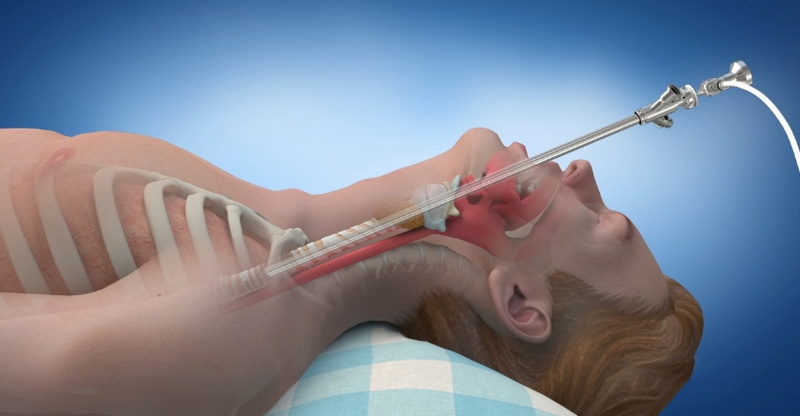
The smallest endotracheal tube that can reasonably accommodate a standard adult bronchoscope is typically 7.0 mm in internal diameter. Most bronchoscope manufacturers recommend using at least a 7.5 mm ETT with adult bronchoscope instruments to ensure adequate ventilation during procedures. Even with a 7.0 mm ETT, the bronchoscope will occupy most of the lumen, significantly increasing resistance to airflow and requiring careful ventilation management. For bronchoscope procedures involving therapeutic interventions that require substantial suction or instrument passage, even larger ETT sizes (8.0 mm or greater) are preferable to maintain effective ventilation and procedural capability.
Yes, a pediatric bronchoscope can be used effectively in adult patients for many diagnostic procedures, particularly when larger bronchoscope instruments cannot be accommodated due to small ETT size or airway anatomy. Modern pediatric bronchoscope models offer excellent image quality and sufficient working channel capacity for procedures such as airway inspection, bronchoalveolar lavage, protected specimen brushing, and even transbronchial biopsy in selected cases. The main limitations of using a pediatric bronchoscope in adults include reduced suction capability, limited options for therapeutic interventions due to smaller working channel size, and potentially less stable control during procedures because of increased instrument flexibility.
Using a bronchoscope that is too large for the endotracheal tube creates several significant risks. The most immediate danger is compromised ventilation due to drastically increased airway resistance, which can lead to hypoxemia, hypercapnia, and barotrauma from elevated peak airway pressures. The bronchoscope itself may be damaged by forcing it through an ETT with insufficient internal diameter, potentially harming the deflection mechanism, optical system, or outer coating. Patient injury may also occur from mucosal trauma during forced insertion or from prolonged hypoxemia during the procedure. Additionally, the bronchoscope may become stuck within the ETT, creating an emergency situation requiring creative solutions for removal.
The insertion of a bronchoscope reduces the effective diameter of an endotracheal tube by approximately the outer diameter of the bronchoscope itself. For example, when a bronchoscope with a 5.8 mm outer diameter is inserted through an 8.0 mm ETT, the remaining space for ventilation forms an annular gap with a thickness of approximately 1.1 mm around the bronchoscope. This reduces the cross-sectional area available for ventilation from approximately 50.3 mm² to about 14.8 mm² - a reduction of over 70%. This dramatic decrease in available area explains why ventilation becomes increasingly challenging as the bronchoscope to ETT size ratio increases, highlighting the importance of appropriate equipment matching.
Several ventilation strategies can help maintain adequate gas exchange when using a bronchoscope through a smaller endotracheal tube. Switching to pressure-controlled ventilation modes limits peak airway pressure and reduces the risk of barotrauma. Increasing the inspiratory time may help overcome the increased resistance, though this must be balanced against the risk of air trapping. Pre-oxygenation with 100% FiO2 before bronchoscope insertion provides a safety margin during anticipated desaturation. Permissive hypercapnia may be necessary during prolonged procedures. Intermittently withdrawing the bronchoscope to allow several unimpeded breaths can help maintain gas exchange during extended procedures. In extreme cases, advanced techniques such as jet ventilation or apneic oxygenation may be considered.
[1] https://www.brit-thoracic.org.uk/quality-improvement/guidelines/bronchoscopy/
[2] https://www.thoracic.org/statements/resources/pldd/bronchoscopy-adults.pdf
[3] https://www.atsjournals.org/doi/full/10.1164/rccm.201210-1827CI


