


Content Menu
● Historical Context of Latex in Medical Gloves
● Types of Medical Gloves and Material Composition
● Latex Allergy Concerns and Implications
● Current Market Distribution and Usage Trends
● Performance Comparison Between Latex and Non-Latex Medical Gloves
● Regulatory Standards and Labeling Requirements
● Economic Considerations in Medical Gloves Selection
● Environmental Impact and Sustainability Considerations
● Future Trends in Medical Gloves Technology
>> 1. What percentage of medical gloves currently contain latex?
>> 2. How can I identify if medical gloves contain latex?
>> 3. What are the best alternatives to latex medical gloves?
>> 4. Are there situations where latex medical gloves are still preferred?
>> 5. How effective are non-latex medical gloves compared to latex?
The question of whether medical gloves contain latex is more complex than it may initially appear, touching upon critical issues of patient safety, healthcare worker protection, and manufacturing practices. While natural rubber latex was once the predominant material for medical gloves, the landscape has dramatically evolved due to increasing awareness of latex allergies and technological advancements in synthetic alternatives. Modern medical gloves encompass a diverse range of materials, with latex representing just one option among several. Understanding the composition of medical gloves requires examining historical context, manufacturing processes, allergy considerations, and the current market distribution of different glove types. This comprehensive analysis explores the role of latex in medical gloves, providing healthcare professionals, procurement specialists, and patients with essential information to make informed decisions about glove selection and usage in various clinical scenarios.

The use of latex in medical gloves dates back to the late 19th century when William Stewart Halsted commissioned the first rubber surgical medical gloves to protect his operating room nurse from mercury-based disinfectants. Natural rubber latex quickly became the material of choice for medical gloves due to its exceptional elasticity, tactile sensitivity, and barrier properties. For much of the 20th century, latex medical gloves dominated healthcare settings, with improvements in manufacturing processes leading to thinner, more sensitive gloves that maintained protective qualities. The advent of universal precautions in the 1980s dramatically increased medical gloves consumption, further cementing latex's position as the primary material for medical hand protection.
The widespread use of latex medical gloves eventually revealed significant drawbacks, particularly the emergence of latex allergies among both healthcare workers and patients. By the 1990s, the prevalence of latex sensitivity prompted healthcare facilities to seek alternatives, leading to the development and refinement of synthetic medical gloves. Initially, these non-latex medical gloves offered inferior performance compared to their latex counterparts, but continuous technological improvements have narrowed the gap significantly. Today's medical gloves market reflects this historical evolution, with latex maintaining a presence but sharing the landscape with high-quality synthetic alternatives that address the limitations of natural rubber latex.
Modern medical gloves are manufactured from three primary materials: natural rubber latex, synthetic polymers such as nitrile and vinyl, and specialized blends. Latex medical gloves are produced from the milky sap of the rubber tree, Hevea brasiliensis, through a complex manufacturing process that involves compounding, dipping, leaching, and vulcanization. These medical gloves are known for their superior elasticity, comfort, and barrier protection against pathogens when properly manufactured. However, latex medical gloves contain proteins that can trigger allergic reactions in sensitive individuals, necessitating careful consideration of their appropriate use settings.
Nitrile medical gloves have emerged as the leading alternative to latex, synthesized from acrylonitrile and butadiene through an emulsion polymerization process. These medical gloves offer excellent chemical resistance, particularly against chemotherapy drugs and disinfectants, while being completely free of latex proteins. Vinyl medical gloves, made from polyvinyl chloride (PVC) and plasticizers, represent another latex-free option, though they generally provide less elasticity and durability than either latex or nitrile medical gloves. Recent innovations in medical gloves manufacturing have also introduced specialized materials such as neoprene, polyurethane, and fluoroelastomers for specific clinical applications where traditional materials may be unsuitable.
The primary concern driving the transition away from latex medical gloves is the risk of allergic reactions, which range from mild contact dermatitis to life-threatening anaphylaxis. Latex allergies develop through exposure to the proteins present in natural rubber latex medical gloves, with healthcare workers representing a high-risk population due to frequent glove use. There are three main types of reactions associated with latex medical gloves: irritant contact dermatitis, which results from chemical irritants rather than true allergy; type IV hypersensitivity, a delayed reaction to chemical accelerators used in manufacturing; and type I hypersensitivity, an immediate and potentially severe reaction to latex proteins.
The management of latex allergy risks has significantly influenced medical gloves procurement policies across healthcare institutions. Many hospitals have implemented latex-safe or latex-free policies, particularly in high-risk areas such as operating rooms, emergency departments, and pediatric units. These policies typically involve replacing latex medical gloves with synthetic alternatives while maintaining appropriate protection levels for specific clinical tasks. The Americans with Disabilities Act requires healthcare facilities to provide reasonable accommodations for both employees and patients with latex allergies, further driving the adoption of non-latex medical gloves options across the healthcare continuum.

The contemporary medical gloves market reflects a significant shift away from latex dominance toward a more balanced distribution among different materials. Currently, nitrile medical gloves represent the fastest-growing segment, capturing an increasing share of the medical market due to their latex-free composition and improving performance characteristics. Latex medical gloves maintain a substantial market presence, particularly in regions where cost considerations remain paramount and in specific procedures where their superior tactile sensitivity provides clinical advantages. Vinyl medical gloves continue to serve primarily in low-risk, brief-duration procedures due to their economic advantage despite limitations in protection and durability.
Usage trends for medical gloves vary significantly by healthcare setting and geographical region. In developed countries, particularly the United States and Western Europe, the transition to non-latex medical gloves is most advanced, with many major healthcare systems implementing comprehensive latex reduction policies. In contrast, latex medical gloves remain more prevalent in developing regions where cost constraints influence procurement decisions. Specialized clinical areas also demonstrate distinct medical gloves preferences, with chemotherapy administration requiring nitrile medical gloves for chemical resistance, while surgical specialties may still utilize premium latex medical gloves for complex procedures demanding exceptional tactile sensitivity.
The performance characteristics of medical gloves vary significantly between latex and synthetic materials, influencing their appropriate applications in healthcare settings. Latex medical gloves generally provide superior elasticity and comfort, conforming closely to the hand for enhanced dexterity during delicate procedures. The barrier properties of high-quality latex medical gloves against microorganisms are well-established, though they can be compromised by certain chemicals, oils, and solvents. The tactile sensitivity offered by thin latex medical gloves remains unmatched by many synthetic alternatives, making them preferable for procedures requiring fine motor skills and detailed tactile feedback.
Nitrile medical gloves have made substantial progress in closing the performance gap with latex, offering excellent puncture resistance and superior protection against chemicals and infectious agents. Modern nitrile medical gloves provide improved elasticity and comfort compared to earlier generations, though they may still feel less natural than latex for some users. Vinyl medical gloves generally offer the lowest level of protection among common medical gloves materials, with reduced elasticity and higher rates of failure during use. When selecting medical gloves, healthcare institutions must balance performance requirements with allergy concerns, often implementing different medical gloves types for various clinical scenarios based on risk assessment and task-specific needs.
Medical gloves are regulated as medical devices in most countries, subject to specific standards and labeling requirements that ensure safety and performance. In the United States, the Food and Drug Administration (FDA) regulates medical gloves as Class I medical devices, requiring demonstration of barrier protection against pathogens and appropriate labeling regarding material composition. The ASTM International standards provide testing protocols for medical gloves, including measures for physical dimensions, tensile strength, elongation, and barrier integrity. These standards apply regardless of whether medical gloves are manufactured from latex, nitrile, vinyl, or other materials.
Labeling requirements for medical gloves have evolved to address latex allergy concerns specifically. Medical gloves containing natural rubber latex must include appropriate labeling such as "Contains Natural Rubber Latex" to alert users with allergies. Conversely, medical gloves claiming to be "latex-free" must demonstrate the absence of natural rubber latex proteins through validated testing methods. The regulatory landscape continues to evolve, with ongoing discussions about protein level thresholds in latex medical gloves and standardization of testing methodologies. These regulatory frameworks ensure that healthcare providers can make informed decisions when selecting medical gloves based on accurate information about material composition and performance characteristics.
The economic aspects of medical gloves procurement involve complex calculations beyond simple per-unit costs, particularly when comparing latex and non-latex options. Latex medical gloves typically offer the lowest purchase price, making them economically attractive for high-volume users with limited budgets. However, this initial cost advantage must be balanced against potential expenses related to latex allergy management, including worker compensation claims, employee turnover, and accommodations for allergic healthcare workers. The hidden costs of latex medical gloves may also include increased sick days and reduced productivity among sensitized staff.
Nitrile medical gloves generally command a price premium compared to latex, though manufacturing advancements and increased production scales have narrowed this gap significantly. The economic justification for premium-priced medical gloves often includes reduced failure rates, decreased need for double-gloving in high-risk situations, and elimination of allergy-related costs. Vinyl medical gloves remain the most economical option but may incur hidden costs through higher failure rates and the need for more frequent changes during prolonged procedures. Healthcare facilities must conduct comprehensive cost-benefit analyses when selecting medical gloves, considering not only purchase prices but also usage patterns, clinical requirements, and the total economic impact of their medical gloves choices.
The environmental implications of medical gloves manufacturing and disposal represent an increasingly important consideration in healthcare sustainability initiatives. Latex medical gloves are derived from a renewable resource through tapping rubber trees, though the cultivation practices vary in their environmental impact. The production of latex medical gloves involves chemical processing and significant water usage during the leaching phase to reduce protein content. Disposal of latex medical gloves contributes to medical waste streams, with limited biodegradation in landfill conditions due to the vulcanization process that stabilizes the rubber.
Synthetic medical gloves present different environmental challenges, with nitrile derived from petroleum resources and involving energy-intensive manufacturing processes. Vinyl medical gloves raise concerns regarding plasticizer migration and chlorine chemistry in production. All types of medical gloves contribute to the environmental footprint of healthcare through manufacturing energy use, transportation, and disposal. Some manufacturers have introduced more sustainable medical gloves options, including gloves made from sustainably harvested latex, biodegradable additives, and recycling initiatives for synthetic medical gloves. Healthcare facilities increasingly consider these environmental factors alongside clinical and economic considerations when developing medical gloves procurement policies.
The future of medical gloves technology points toward continued innovation in materials, manufacturing processes, and specialized features. Research and development efforts focus on enhancing the performance of non-latex medical gloves to match or exceed the desirable properties of natural rubber latex while eliminating allergy risks. Advanced nitrile formulations aim to improve elasticity and comfort in medical gloves without compromising chemical resistance or barrier properties. Smart medical gloves incorporating sensor technology represent an emerging frontier, with potential applications in monitoring technique, detecting breaches, or tracking medication administration.
Sustainability initiatives are driving development of next-generation medical gloves with reduced environmental impact, including biodegradable options and manufacturing processes with lower carbon footprints. Antimicrobial medical gloves featuring built-in protection against pathogen transmission are undergoing clinical evaluation, though regulatory approval and cost-effectiveness remain considerations. The COVID-19 pandemic has accelerated innovation in medical gloves, particularly regarding donning ease, extended wear comfort, and specialized coatings. As technology advances, the distinction between latex and non-latex medical gloves may become less significant, with material composition being just one of many factors considered in the selection of appropriate hand protection for specific clinical scenarios.
The question of whether medical gloves contain latex reflects the complex evolution of medical hand protection in response to changing clinical needs, allergy concerns, and technological capabilities. While latex remains an important material in the medical gloves landscape, its dominance has diminished in favor of synthetic alternatives that address the significant issue of latex allergies without compromising protection. Modern healthcare facilities typically maintain a portfolio of medical gloves options, selecting appropriate materials based on specific procedural requirements, cost considerations, and allergy management protocols. The ongoing innovation in medical gloves technology promises continued improvements in performance, safety, and sustainability across all material types. Ultimately, informed medical gloves selection requires understanding the relative advantages and limitations of different materials while prioritizing both healthcare worker safety and patient care quality in diverse clinical environments.
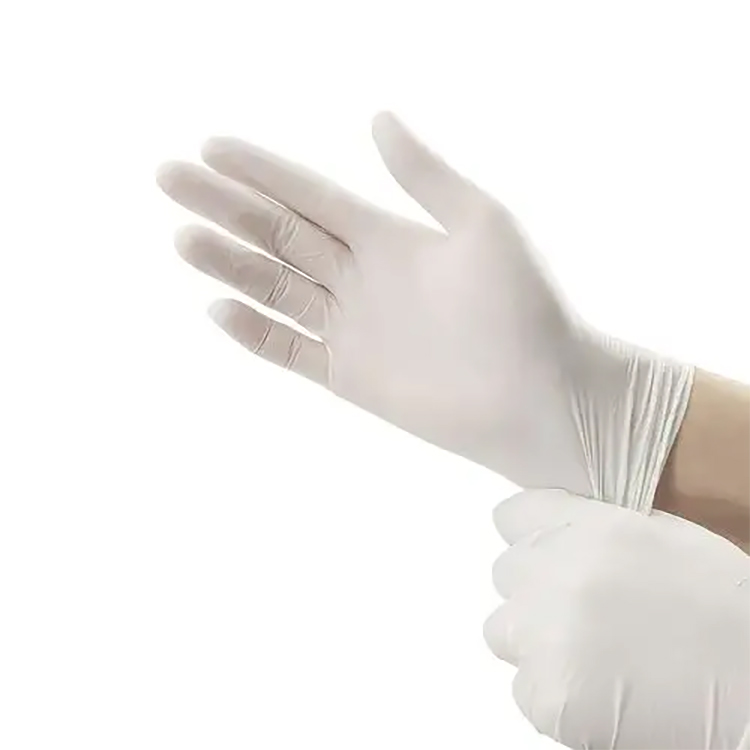
The percentage of medical gloves containing latex has decreased significantly over the past two decades but varies by region and healthcare setting. In the United States, approximately 10-20% of medical gloves used in healthcare facilities contain natural rubber latex, with the majority being nitrile or vinyl. However, global estimates suggest latex medical gloves still represent about 30-40% of the total market, with higher usage in developing regions where cost considerations remain paramount. The transition away from latex medical gloves continues as synthetic alternatives improve in quality and become more cost-competitive, though latex maintains specific applications where its exceptional elasticity and tactile sensitivity provide clinical advantages.
Medical gloves containing natural rubber latex are required to include specific labeling such as "Contains Natural Rubber Latex" or similar warnings on their packaging. Additionally, latex medical gloves typically have a distinctive characteristic stretch and texture that experienced users may recognize, though visual identification alone is unreliable. Many healthcare facilities implement color-coding systems for medical gloves, with some assigning specific colors to latex-containing products to facilitate easy identification. When in doubt, healthcare workers should check the product packaging or facility procurement specifications for definitive information about medical gloves composition, particularly when latex allergies are a concern.
Nitrile medical gloves represent the leading alternative to latex, offering comparable protection with superior chemical resistance and no latex protein allergens. Modern nitrile medical gloves provide excellent elasticity, durability, and tactile sensitivity, making them suitable for most clinical applications previously reserved for latex. For procedures not requiring high-level barrier protection, vinyl medical gloves offer an economical latex-free option, though with reduced elasticity and durability. Specialized alternatives such as neoprene or polyurethane medical gloves are available for specific scenarios, though at higher cost. The best alternative to latex medical gloves depends on the specific clinical requirements, including needed dexterity, chemical exposure, and procedure duration.
Despite the trend toward latex-free alternatives, certain situations may still warrant the use of latex medical gloves. Some surgical procedures, particularly those involving microsurgery or other technically demanding operations, may benefit from the superior tactile sensitivity and elasticity of high-quality latex medical gloves. In resource-limited settings, cost considerations may make latex medical gloves the most feasible option for providing essential protection. Additionally, some healthcare workers without latex sensitivity may personally prefer the fit and feel of latex medical gloves based on their experience and comfort. However, even in these situations, facilities must implement appropriate protocols to identify and accommodate individuals with latex allergies when latex medical gloves are used.
Modern non-latex medical gloves, particularly nitrile, provide protection that equals or exceeds latex in most clinical applications. High-quality nitrile medical gloves demonstrate equivalent barrier protection against pathogens while offering superior resistance to chemicals, punctures, and tearing. The tactile sensitivity of premium nitrile medical gloves approaches that of latex, with minimal compromise for most procedures. The primary historical advantage of latex medical gloves - their exceptional elasticity - has been largely addressed through advanced polymer formulations in nitrile products. For the vast majority of clinical applications, non-latex medical gloves provide entirely adequate protection, with the choice between materials increasingly based on specific performance requirements, cost considerations, and allergy management policies rather than significant protective differences.
[1] https://www.fda.gov/medical-devices/medical-gloves
[2] https://www.cdc.gov/niosh/topics/gloves/default.html
[3] https://www.astm.org/Standards/D3578.htm
[4] https://www.fda.gov/medical-devices/medical-gloves/fda-activities-regarding-natural-rubber-latex-allergy
[5] https://www.cdc.gov/niosh/docs/97-135/default.html
[6] https://www.aaaai.org/tools-for-the-public/conditions-library/allergies/latex-allergy


