
Views: 222 Author: Lake Publish Time: 2025-11-15 Origin: Site


Content Menu
● The Materials Used in Medical Gloves
● Understanding Biodegradation Processes
● Environmental Impact of Medical Gloves
● Current Alternatives and Innovations
● Regulatory Considerations and Standards
● Practical Challenges in Healthcare Settings
● The Future of Sustainable Medical Gloves
>> 1. Are any medical gloves truly biodegradable?
>> 2. How long does it take for medical gloves to decompose?
>> 3. Can medical gloves be recycled?
>> 4. What are the most environmentally friendly medical gloves?
>> 5. Are there compostable medical gloves available?
The global healthcare industry faces a critical environmental challenge regarding the disposal of single-use medical gloves. With the massive increase in consumption of these essential protective items, particularly following the COVID-19 pandemic, understanding the biodegradability of medical gloves has become increasingly important for healthcare facilities, environmental advocates, and manufacturers alike. The question of whether medical gloves break down naturally in the environment is complex, involving considerations of material science, manufacturing processes, and environmental impact. As healthcare providers strive to balance infection control requirements with environmental responsibility, the biodegradability of medical gloves presents both challenges and opportunities for innovation in medical device manufacturing and waste management.
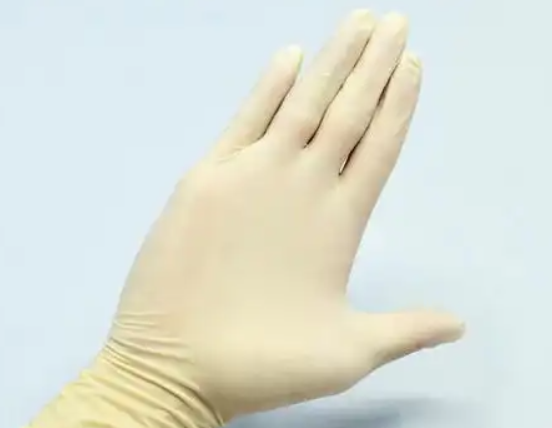
Medical gloves are primarily manufactured using three main materials: natural rubber latex, nitrile, and vinyl. Each material possesses distinct characteristics that affect both their medical functionality and environmental impact. Natural rubber latex medical gloves are derived from the sap of rubber trees, making them the most "natural" option among conventional medical gloves. However, the manufacturing process involves numerous chemical additives and vulcanization that significantly alter the material's natural properties. Despite their plant-based origin, the processing required to create effective medical gloves from latex creates a product that doesn't readily biodegrade under normal conditions.
Nitrile medical gloves, made from synthetic rubber, have gained tremendous popularity due to their excellent chemical resistance and absence of latex proteins that can cause allergic reactions. These synthetic medical gloves are derived from petroleum-based materials and undergo extensive chemical processing, resulting in a product that persists in the environment for extended periods. Vinyl medical gloves, composed of polyvinyl chloride, represent another synthetic option with similar environmental persistence concerns. The fundamental material composition of these medical gloves directly influences their biodegradability and environmental footprint.
Biodegradation refers to the breakdown of materials by microorganisms such as bacteria and fungi into natural elements like water, carbon dioxide, and biomass. For medical gloves to be considered biodegradable, they must decompose through natural biological processes within a reasonable timeframe. The reality is that most conventional medical gloves are not designed to biodegrade quickly, as their primary purpose is to provide a stable, reliable barrier during medical procedures. The same properties that make medical gloves effective for infection control – resistance to tears, punctures, and chemical exposure – also make them resistant to natural degradation processes.
The environment in which medical gloves are disposed significantly affects their degradation rate. In ideal composting conditions with specific temperature, moisture, and microbial activity, some materials may break down more rapidly. However, most medical gloves end up in landfills where conditions are far from ideal for biodegradation. In these oxygen-deprived environments, even theoretically biodegradable materials may take decades or longer to break down, while conventional medical gloves made from synthetic materials may persist for centuries.
The environmental impact of medical gloves extends beyond their biodegradability concerns. The healthcare sector generates substantial waste, with single-use medical gloves representing a significant portion of this stream. The production of medical gloves consumes natural resources, including water and energy, while the manufacturing processes may involve chemicals that can impact the environment if not properly managed. The disposal of used medical gloves presents additional challenges, as contaminated medical gloves may require special handling and cannot typically be recycled through conventional means.
The scale of medical gloves consumption is staggering, with billions used annually in healthcare settings worldwide. This volume creates substantial waste management challenges and contributes to plastic pollution when improperly disposed medical gloves enter natural ecosystems. In marine environments, discarded medical gloves can pose threats to aquatic life through entanglement or ingestion. The persistence of medical gloves in the environment highlights the importance of proper disposal and the need for more sustainable alternatives in healthcare settings.
The growing awareness of environmental concerns associated with conventional medical gloves has spurred innovation in the development of more sustainable options. Some manufacturers have introduced medical gloves made from biodegradable materials, though these products must still meet the stringent performance standards required for medical applications. These innovative medical gloves often incorporate additives designed to accelerate degradation under specific conditions while maintaining the necessary barrier protection and tactile sensitivity healthcare professionals require.
Compostable medical gloves represent another emerging category, designed to break down in industrial composting facilities. However, these specialized medical gloves face practical challenges in healthcare settings, as they typically require specific disposal pathways to reach appropriate composting environments. Additionally, the compatibility of compostable medical gloves with medical waste management systems remains a consideration for healthcare facilities. While these alternatives show promise, they currently represent a small fraction of the overall market for medical gloves, and their environmental benefits depend heavily on proper disposal infrastructure.
The regulatory landscape for medical gloves primarily focuses on safety and efficacy rather than environmental impact. Medical gloves must meet stringent standards for barrier protection, physical properties, and biocompatibility to ensure they effectively protect both healthcare workers and patients. These regulatory requirements understandably prioritize infection control over environmental considerations, creating challenges for manufacturers seeking to develop more sustainable medical gloves that still meet all medical performance standards.
Various certification programs exist for biodegradable and compostable products, but their application to medical gloves is complicated by the unique requirements of medical devices. Manufacturers of eco-friendly medical gloves must navigate both medical device regulations and environmental certifications, adding complexity to the development and marketing process. Additionally, claims regarding the biodegradability of medical gloves must be substantiated with scientific evidence and clearly communicated to avoid misleading healthcare providers about the environmental benefits of these products.

Healthcare facilities face numerous practical challenges when considering the environmental impact of medical gloves. Infection control remains the paramount concern, and any alternative medical gloves must provide protection equivalent to conventional options. The cost of more sustainable medical gloves is another significant consideration, as healthcare organizations operate within constrained budgets. While environmentally preferable medical gloves may align with institutional sustainability goals, their higher cost can present barriers to adoption, particularly for facilities with limited resources.
Waste management infrastructure represents another critical factor. Even if biodegradable medical gloves were widely available, their environmental benefits would only be realized if disposed of properly. In many healthcare settings, used medical gloves are treated as medical waste and incinerated, which would negate the benefits of biodegradable materials. Implementing separate waste streams for compostable medical gloves would require significant changes to established protocols and additional staff training, creating practical hurdles for healthcare facilities already managing complex operations.
The future development of more sustainable medical gloves will likely involve advancements in materials science, manufacturing processes, and waste management strategies. Researchers are exploring various approaches to reduce the environmental impact of medical gloves, including developing new biodegradable polymers, improving recycling technologies for used medical gloves, and creating medical gloves with reduced material usage without compromising protection. These innovations may eventually lead to medical gloves that meet both medical requirements and environmental goals.
The role of healthcare providers in driving demand for more sustainable medical gloves should not be underestimated. As environmental awareness grows within the healthcare sector, providers are increasingly considering the ecological footprint of the products they use, including medical gloves. This growing demand may encourage manufacturers to invest more heavily in developing and improving sustainable alternatives. Additionally, collaboration between healthcare organizations, manufacturers, waste management companies, and regulators will be essential to create systems that support the effective use and disposal of more environmentally friendly medical gloves.
The question of whether medical gloves are biodegradable reveals a complex intersection of healthcare needs, material science, and environmental responsibility. Conventional medical gloves, whether made from natural rubber latex or synthetic materials, are not readily biodegradable under typical disposal conditions. The very properties that make medical gloves effective for protection – durability, resistance to tears and chemicals – also make them persistent in the environment. While innovations in biodegradable and compostable medical gloves show promise, they currently face challenges related to performance standards, cost, and waste management infrastructure.
Addressing the environmental impact of medical gloves will require a multifaceted approach including material innovation, improved waste management systems, and thoughtful consumption practices. Healthcare providers must balance infection control requirements with environmental considerations, recognizing that patient safety remains the priority. As technology advances and awareness grows, the development of truly sustainable medical gloves that meet both medical and environmental needs may become increasingly feasible. Until then, proper use and disposal of medical gloves, along with continued research and innovation, represent the most practical path forward.
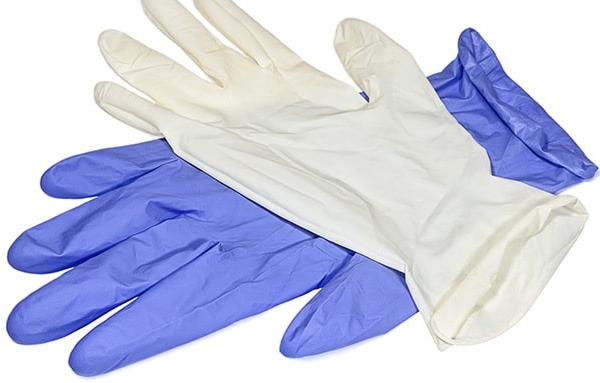
While some manufacturers offer medical gloves marketed as biodegradable, most conventional medical gloves are not readily biodegradable under normal environmental conditions. True biodegradability depends on specific material composition and disposal environments. Some newer medical gloves made with specialized materials may biodegrade under industrial composting conditions, but these represent a small portion of the market.
The decomposition time for medical gloves varies significantly based on material and disposal conditions. Latex medical gloves may take several years to decades to break down, while synthetic medical gloves made from nitrile or vinyl can persist for centuries in landfills. Even medical gloves made from natural materials undergo processing that slows their decomposition.
Recycling medical gloves is challenging due to contamination risks and material limitations. Used medical gloves are typically considered medical waste and cannot be recycled through conventional programs. Some manufacturers are exploring recycling programs for unused, uncontaminated medical gloves, but these initiatives are not yet widespread.
The most environmentally friendly medical gloves balance medical efficacy with reduced environmental impact. Currently, medical gloves made from sustainably sourced natural rubber latex may have a lower environmental footprint than synthetic alternatives, though this depends on various factors including manufacturing processes, transportation, and disposal methods.
Yes, some manufacturers offer compostable medical gloves designed to break down in industrial composting facilities. However, these medical gloves require specific disposal conditions to compost effectively and may not be suitable for all healthcare settings due to infrastructure limitations and regulatory considerations.
[1] https://www.fda.gov/medical-devices/medical-gloves
[2] https://www.astm.org/Standards/D3578.htm
[3] https://www.who.int/medical_devices/innovation/Medical_Gloves_Information_Sheet.pdf
[4] https://www.epa.gov/medical-waste
[5] https://www.ncbi.nlm.nih.gov/pmc/articles/PMC7428928/


