
Views: 222 Author: Lake Publish Time: 2025-11-08 Origin: Site


Content Menu
● Material Composition and Design Challenges
● Recycling Infrastructure Limitations
>> Manufacturer Take-Back Programs
>> Specialized Recycling Services
>> 1. Can disposable razor blades be recycled through curbside recycling programs?
>> 2. What are the main barriers to recycling disposable razor blades?
>> 3. Are there any specialized recycling programs for disposable razor blades?
>> 4. What components of disposable razor blades are recyclable?
>> 5. What are the most environmentally friendly alternatives to disposable razor blades?
The environmental impact of personal care products has come under increasing scrutiny in recent years, with disposable razor blades representing a significant challenge in waste management systems worldwide. These ubiquitous grooming tools, used by millions of people daily, present a complex recycling dilemma due to their mixed material composition and design characteristics. Understanding whether disposable razor blades are recyclable requires examining multiple factors including material science, recycling infrastructure, economic viability, and available alternatives.
The question of disposable razor blades recyclability becomes increasingly important when considering the scale of consumption. Industry estimates suggest that approximately 2 billion disposable razor blades are discarded annually in the United States alone, creating substantial waste management challenges. This article provides a comprehensive analysis of the recyclability of disposable razor blades, exploring the technical, economic, and practical aspects of their disposal and potential recycling pathways.
Disposable razor blades typically consist of multiple materials intricately combined to create functional shaving instruments. The cutting components are generally made from stainless steel or carbon steel, while handles and cartridge housings predominantly utilize various plastics, most commonly polypropylene (PP) or acrylonitrile butadiene styrene (ABS). Additional elements often include rubber or thermoplastic elastomers for improved grip, and lubricating strips containing specialized materials.
The fundamental recycling challenge with disposable razor blades lies in their permanent assembly of dissimilar materials. Unlike packaging designed for easy separation, disposable razor blades are engineered for durability and safety during use, not for end-of-life disassembly. This design complexity creates significant barriers to recycling, as most municipal recycling facilities rely on material separation processes that cannot effectively handle such small, complex items containing multiple material types.
Conventional recycling systems face substantial technical limitations when processing disposable razor blades. Most sorting facilities utilize a combination of magnets, eddy currents, optical scanners, and air classifiers to separate materials. When disposable razor blades enter these systems, they create confusion in the sorting process. While magnets can extract steel components, this leaves plastic elements behind as contaminants in other material streams.
Safety concerns present another significant barrier to recycling disposable razor blades. The exposed sharp edges pose legitimate hazards to workers who handle materials manually during sorting processes. Additionally, biological contamination from use creates hygiene concerns that most recycling facilities are not equipped to address. These factors lead many facilities to proactively remove disposable razor blades from recycling streams to protect workers and maintain processing efficiency.
The economic viability of recycling disposable razor blades remains questionable under current market conditions. The small amount of recoverable material in each unit – typically just grams of metal and plastic – means that the material value rarely justifies the labor and energy required for separation. This economic reality creates a fundamental disconnect between the technical possibility of recycling disposable razor blades and the practical implementation of recycling programs.
Without sufficient economic incentive or regulatory requirement, most municipal recycling programs choose not to invest in the specialized equipment and processes needed to handle complex small items like disposable razor blades. The cost of processing these items generally exceeds the value of recovered materials, creating an economic barrier that complements the technical challenges.
Some razor manufacturers have begun implementing take-back programs to address the end-of-life management of their products. These programs typically involve partnerships with specialized recycling organizations to create dedicated collection channels. Consumers can often participate through collection boxes in retail locations or mail-back options, which consolidate sufficient volume to make specialized recycling processes economically viable.
These manufacturer-led initiatives represent one of the most reliable recycling pathways for disposable razor blades, as they ensure items are processed in facilities equipped to handle their specific material composition. The effectiveness of these programs varies by manufacturer and region, with some offering comprehensive solutions while others maintain more limited initiatives.
For environmentally conscious consumers, specialized recycling services offer alternative disposal methods for disposable razor blades. Companies like TerraCycle provide dedicated recycling streams for hard-to-recycle items, including razors. These services typically involve consumers collecting used razors in designated containers and mailing them to specialized facilities where they undergo appropriate processing.
Some municipal hazardous waste facilities may also accept razors as sharps, recognizing both their material value and safety considerations. These facilities generally have the equipment and protocols to handle sharp objects safely, though acceptance policies vary significantly between jurisdictions.
Safety razors represent one of the most sustainable alternatives to disposable razor blades. These systems feature durable metal handles and replaceable double-edged blades made entirely of metal. The simplicity of their design allows for easy material separation at end-of-life, with metal blades being readily recyclable through conventional systems.
While the initial investment in a safety razor exceeds that of disposable alternatives, the long-term financial and environmental benefits are substantial. Quality metal handles can last for decades with proper care, and replacement blades are significantly less expensive than disposable cartridges over time.
Electric shavers offer another lower-waste alternative to disposable razor blades. Although they contain electronic components that will eventually require disposal, high-quality electric shavers can provide years of service with replaceable heads, dramatically reducing waste generation compared to frequent disposal of plastic razors.
The environmental impact of electric shavers varies depending on energy consumption during use and the eventual disposal of electronic components. However, for frequent shavers, the reduction in physical waste can represent a net environmental benefit compared to disposable alternatives.

Emerging technologies may eventually improve the recyclability of disposable razor blades. Advanced separation systems incorporating artificial intelligence and robotics show potential for more effectively identifying and processing complex items. Similarly, innovations in recycling processes, such as advanced pyrolysis and hydrometallurgical techniques, could enhance material recovery from multi-component products.
Extended Producer Responsibility (EPR) regulations represent another potential driver for improving razor recycling. By shifting responsibility for end-of-life management to product manufacturers, EPR policies create financial incentives for designing more recyclable products and establishing take-back systems. As these regulations expand to cover more product categories, razor manufacturers may face increasing pressure to address the recyclability of their products.
The recyclability of disposable razor blades presents a complex challenge rooted in their material composition, design characteristics, and limitations in current recycling infrastructure. While the individual materials in disposable razor blades are technically recyclable, their combination in small, complex assemblies makes them largely incompatible with conventional recycling systems. Current disposal options include manufacturer take-back programs and specialized recycling services, though these remain limited in scope and accessibility.
The most environmentally responsible approach to shaving involves considering sustainable alternatives such as safety razors or electric shavers, which offer reduced environmental impact over their lifecycles. As technological innovations and policy developments evolve, the future may bring improved recycling solutions for disposable razor blades. Until then, consumers should focus on proper disposal methods and consider alternatives that align with environmental priorities.
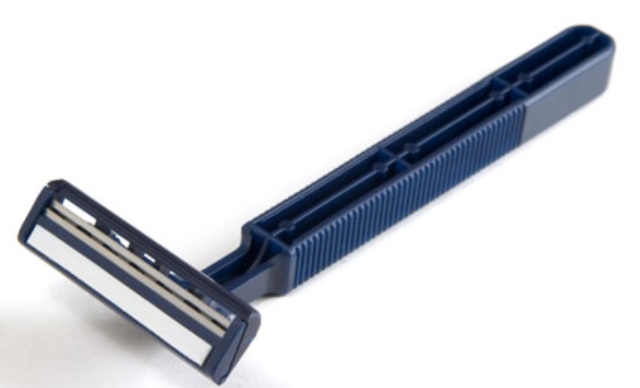
Most municipal curbside recycling programs do not accept disposable razor blades due to their mixed material composition and potential safety hazards. The combination of metals and plastics in a single item, along with sharp blades, makes them difficult to process in conventional recycling facilities.
The primary barriers include: mixed material composition that prevents easy separation; safety concerns regarding sharp blades; small size that causes processing issues; and economic inefficiency due to the low value of recovered materials relative to processing costs.
Yes, some manufacturers offer take-back programs in partnership with specialized recycling companies. Additionally, services like TerraCycle provide specific recycling streams for razors and other personal care items that are not accepted in conventional recycling.
The metal blades are highly recyclable when separated from other components, and certain plastic parts may be recyclable if properly sorted. However, the permanent assembly of these materials in disposable razors makes separation impractical in most recycling scenarios.
Safety razors with replaceable metal blades represent the most sustainable option, as the blades are fully recyclable and the handles are durable. Electric shavers with long lifespans also offer a lower-waste alternative, though they eventually generate electronic waste.
[1] Environmental Protection Agency. (2023). Advancing Sustainable Materials Management: Facts and Figures.
[2] TerraCycle. (2023). Razor Recycling Program Overview.
[3] Gillette. (2023). Product Recycling Initiatives Report.
[4] Recycling Today. (2023). The Challenges of Processing Small Mixed Material Items.
[5] Journal of Cleaner Production. (2022). Lifecycle Assessment of Personal Care Products.
[6] Waste Management. (2023). Processing Complex Consumer Products.


